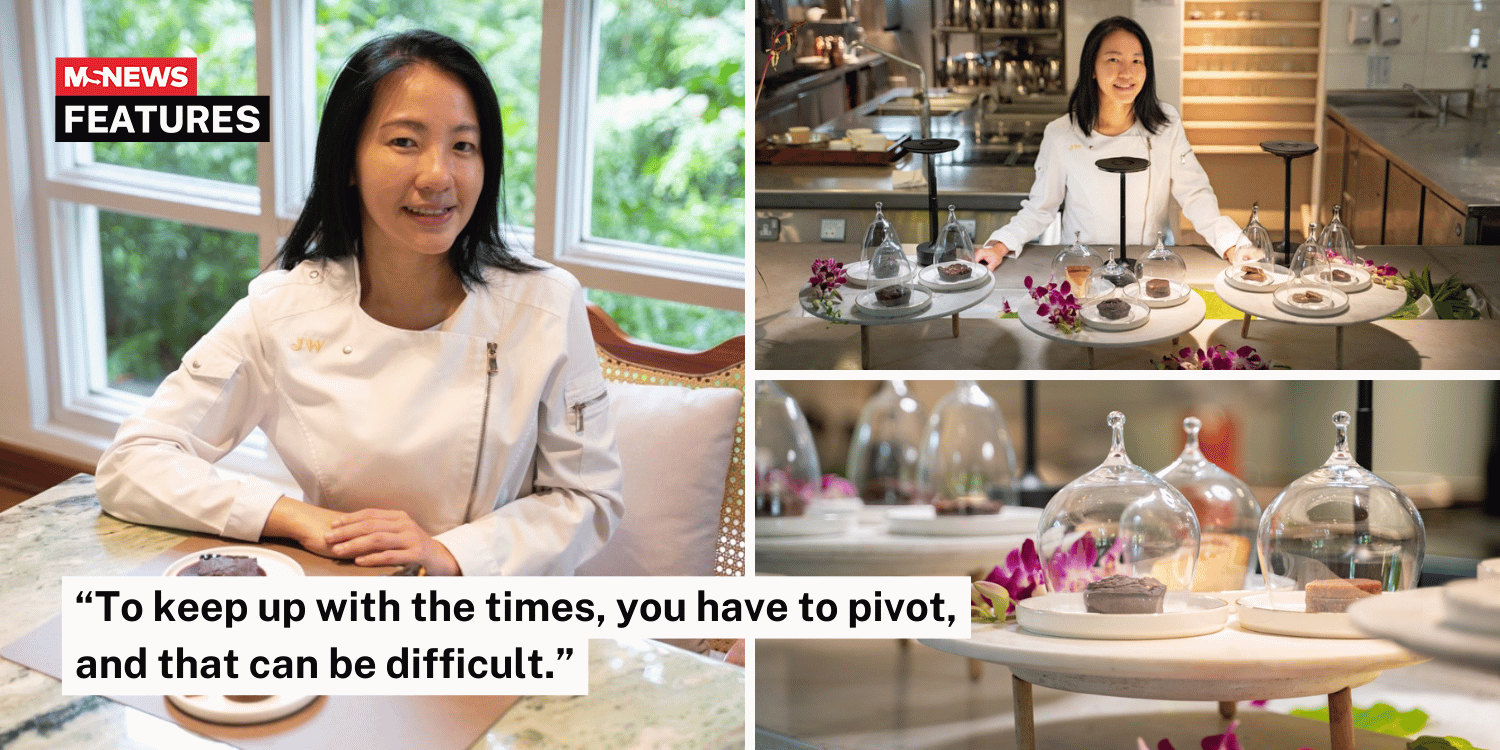

Janice Wong unveils new wellness dessert line rei with no refined sugar
Singapore’s undisputed queen of desserts, Janice Wong, has spent close to two decades tempting us with all manner of indulgent treats that are as much a feast for the eyes as they are for the palate.
These days, though, she’s trying to eat a little less of them herself.
Not that she’s fallen out of love with sweets; far from it. The 42-year-old still lights up when talking about ice cream, cheesecake, chocolate, and the fried sweet potato balls she tucked into on a recent trip to Thailand.
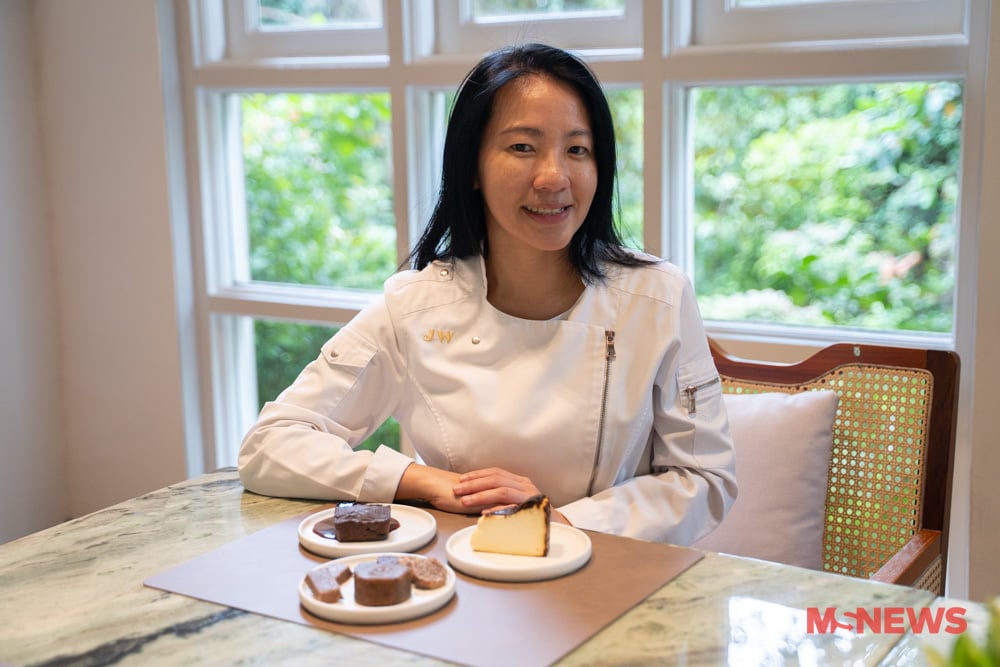
But as she told MS News, her own dietary habits have changed with age.
“I don’t take a lot of sugar, and I’ve also cut down on alcohol,” she said, before candidly stating a reason many of us can probably relate to: “As you get older, you realise that you really cannot burn as much!”
That small personal shift soon got the gears turning in her head. Could she still make something just as decadent, while being a little kinder to the body?
The answer turned out to be rei, a new wellness confectionery concept built around desserts made without refined sugar or artificial sweeteners, and one that looks almost unrecognisable beside the bold aesthetic she’s best known for.
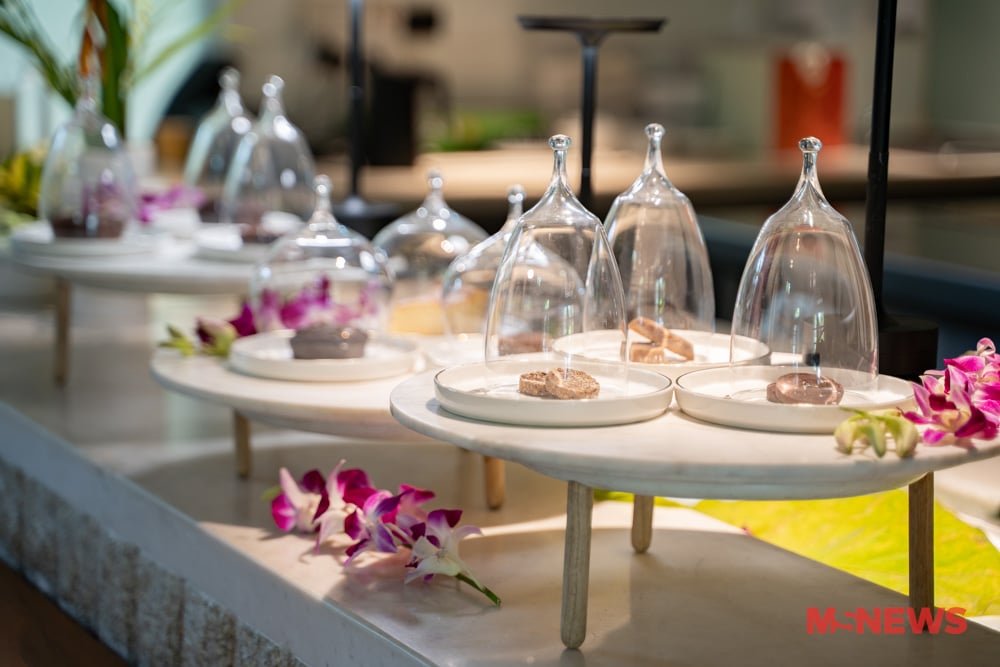
The theatrics take a back seat with rei
Anyone familiar with Wong’s dazzling desserts, from dramatic pastries and chocolate walls to immersive edible installations that look like they belong in a gallery more than on a plate, might think that she’s the last person you’d expect to be behind rei.
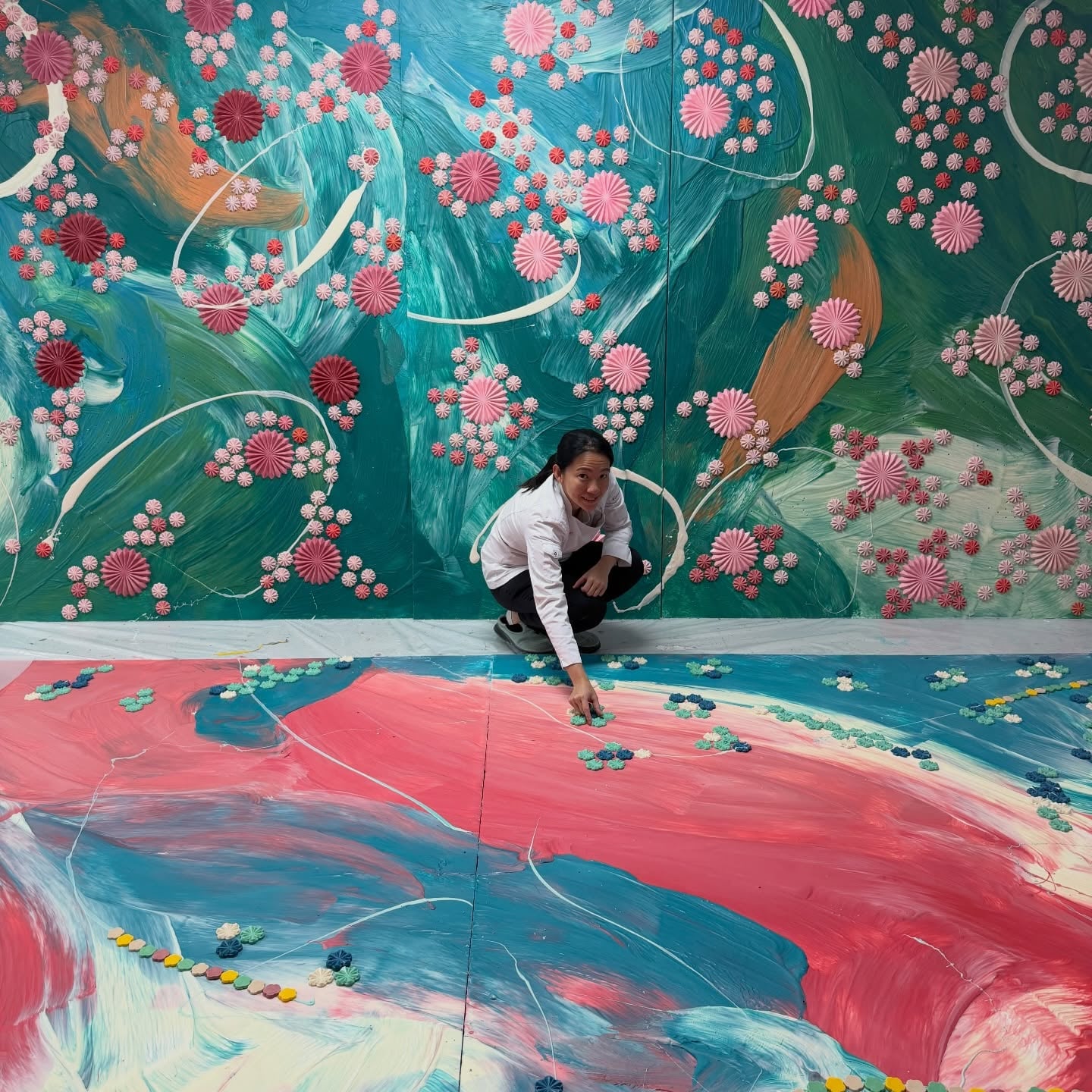
Source: @janicewong2am on Instagram
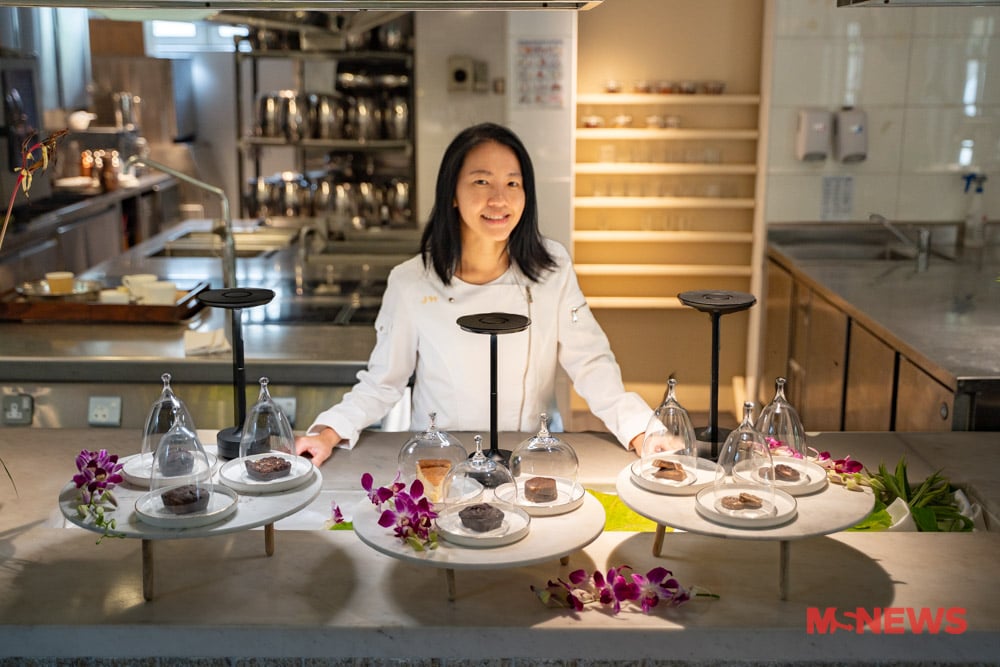
The new line is noticeably more restrained, with clean shapes, muted colours, and unfussy plating in place of Wong’s signature theatrics.
That contrast is deliberate. “For this audience, it’s really a clean concept,” she said. “This one is really focused on flavour and ingredients.”
It’s quite the departure for a chef who once built a marshmallow ceiling for her cookbook launch, but the instinct behind it is still very much the same: to keep pushing at what dessert can be. With rei, that meant starting from scratch.
“To keep up with the times, you have to pivot,” she said. “And that can be difficult because you have to let go of your references and start from zero again.”
And that’s where rei gets its name from: the Japanese word associated with both “zero” and “gratitude”, a fitting nod to the idea of stripping dessert back and beginning anew.
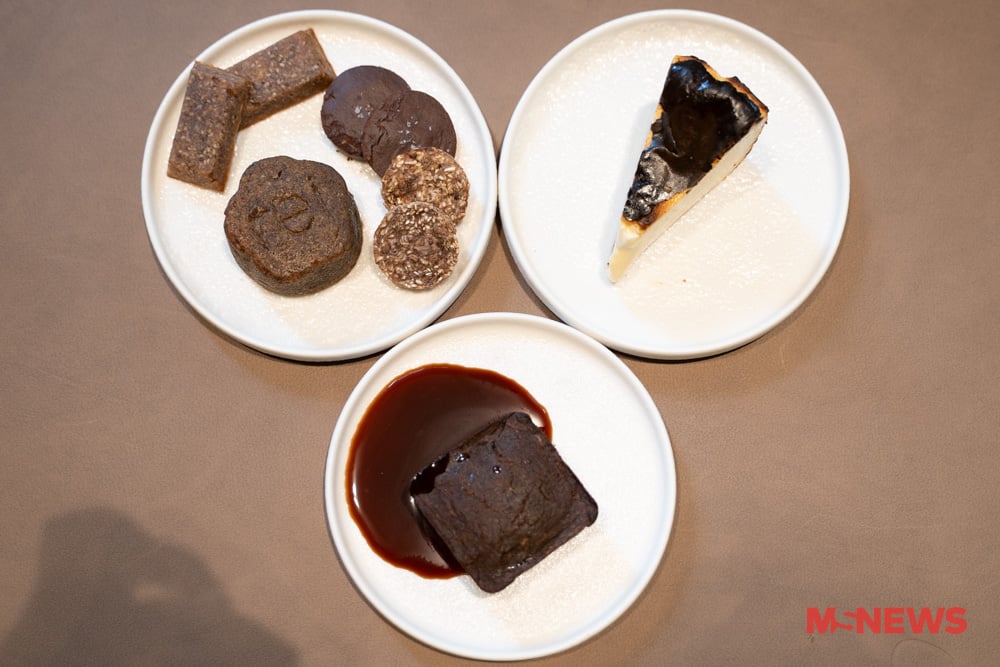
Cheesecake, sticky date pudding, and other lighter takes on familiar treats
The “audience” Wong mentioned is someone in a very different mood from the late-night energy of 2am:dessertbar, namely spa-goers, wellness resort guests, or anyone after something lighter.
That explains why Le Jardin, tucked inside Raffles Sentosa Spa, was picked as rei’s first home in Singapore.
Wong had already spent around a year developing the concept with this sort of wellness setting in mind, and the café’s conserved former military barracks, lush greenery, and quiet, secluded feel made it a natural fit.
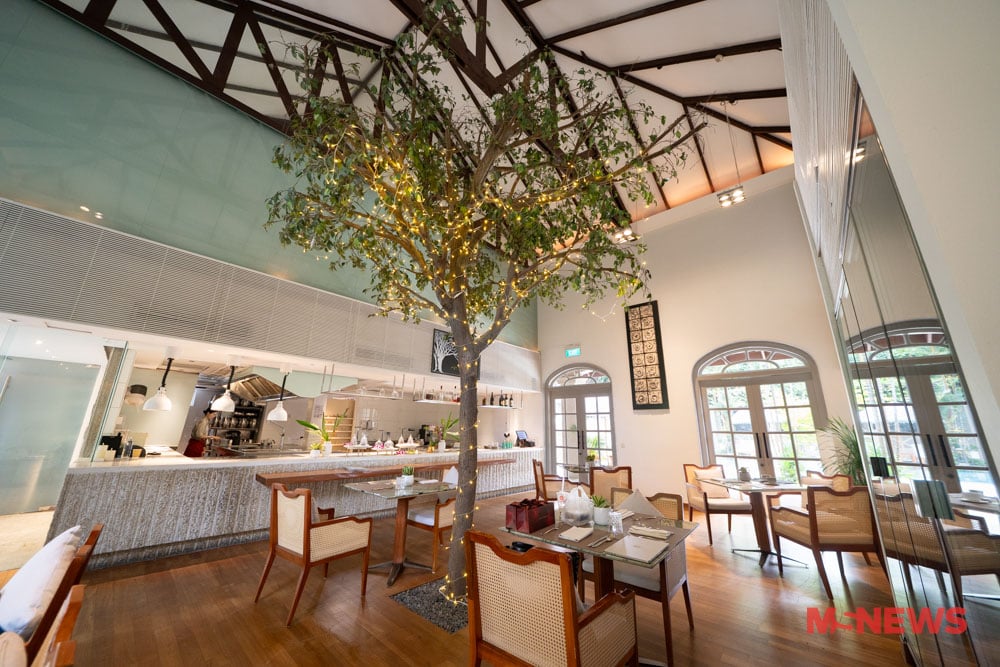
As she put it, after a spa treatment, swim, or shower, “you don’t want to have a heavy thing”. So after a blissful massage, facial, or other restorative ritual, you can wander over to Le Jardin and keep the pampering going in culinary form.
Across the menu, refined sugar and artificial sweeteners are left out entirely, with honey, maple syrup, dates, and whole fruit stepping in instead.
The Honey Basque Cheesecake, for instance, gets its sweetness from raw honey, while the Black Bean Cacao Cake pairs 100% dark chocolate and black beans with hojicha custard.
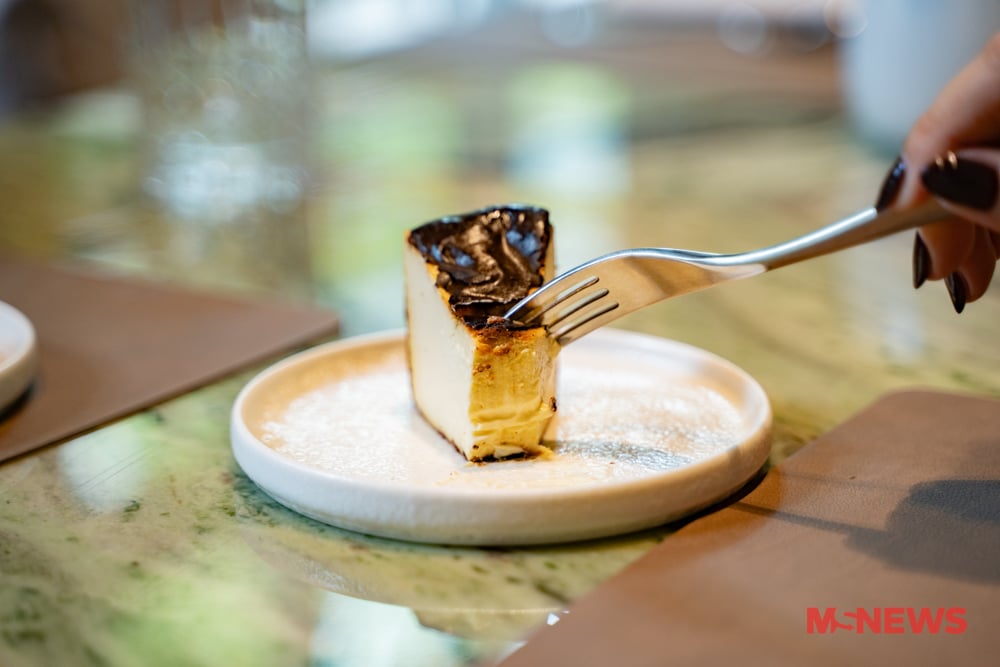
For something brighter, the Olive Oil Lemon Myrtle Cake combines date paste and wildflower honey. Meanwhile, the vegan Sticky Date Pudding leans on dates and maple syrup for sweetness, rounded out with olive oil and cashew and coconut creams.
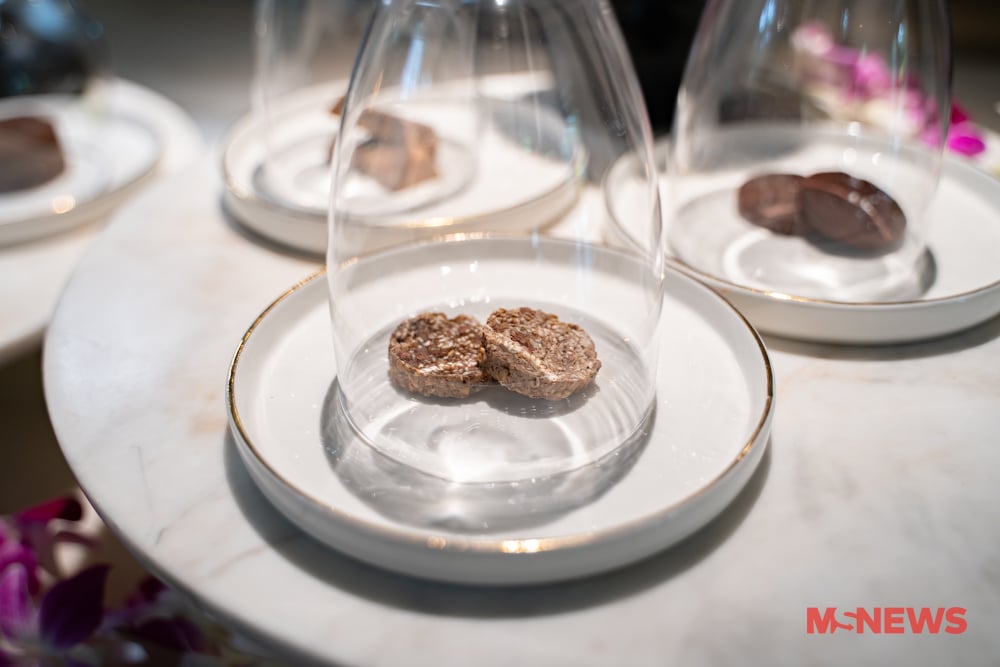
Then there’s the petite 100% Dark Chocolate Water Mousse Tart, made with Medjool dates, raw almond, coconut, cacao, and water, with no dairy in sight.
The tricky business of cutting sugar
The ingredient lists might sound straightforward, but Wong quickly learnt that removing refined sugar was anything but.
Anyone who bakes would know that sugar does far more in pastry than simply sweeten. It also affects browning, structure, and texture, so she and her team couldn’t just take an existing recipe and swap the sugar out one-for-one.
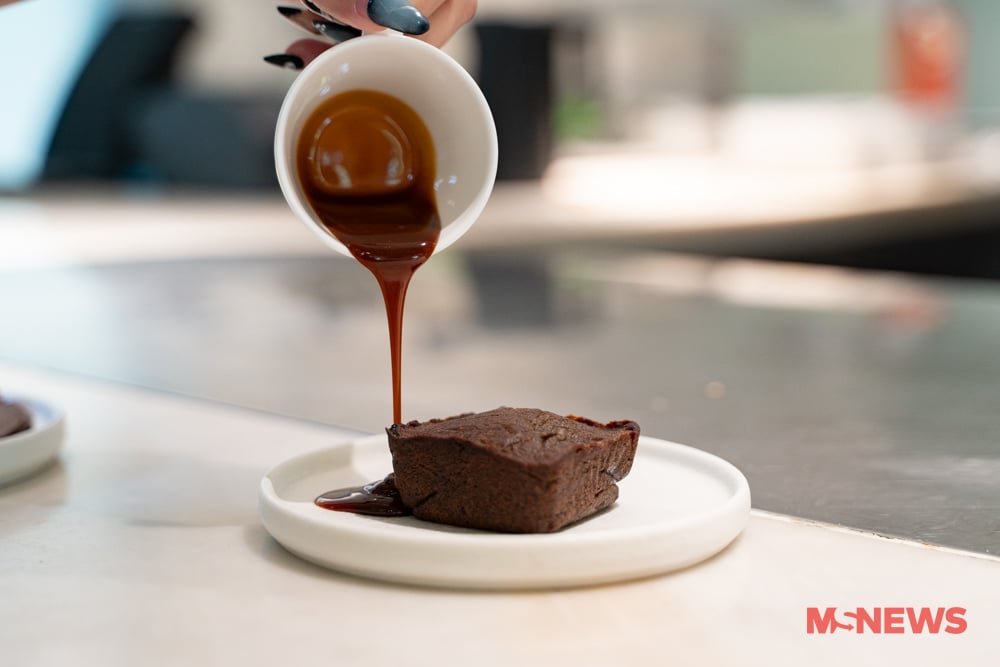
Every dessert had to be rebuilt from the ground up, with plenty of trial and error along the way. The brownie alone went through at least six rounds of R&D before they landed on the right consistency.
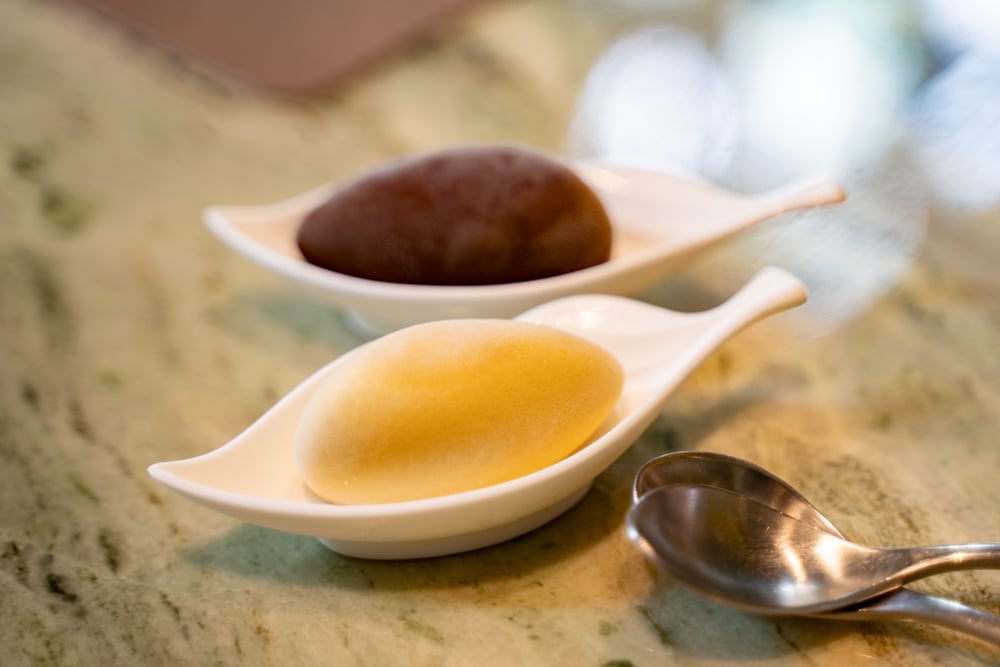
Ice cream proved even trickier. The chocolate version was especially stubborn, she said, as it had to hold together with very little fat and no dairy or sugar, the very things that usually give ice cream its smooth, luscious texture.
Rather than solve those problems with the usual shortcuts, rei deliberately sidesteps sweeteners Wong often sees in “healthier” desserts, including stevia and sugar alcohols such as erythritol and maltitol.
It’s hardly the easy route, but then again, she has never seemed particularly interested in taking one.
When you experiment a lot, there are bound to be failures. But the important thing is to keep trying.
Nearly 20 years on, she’s still finding reasons to reinvent herself
Of course, the challenges haven’t stopped at figuring out how to make a brownie work without refined sugar.
Nearly two decades into her career, with countless “best of” titles and industry honours under her belt, Wong said the struggle is still much the same as when she started: finding ways to stay different, relevant, and curious enough to keep pushing herself somewhere new.
“I’m always challenging myself and creating new things,” she said. “I find it extremely purposeful because I’ve always wanted what I do to inspire people.”

And to think Wong could easily have ended up in banking, had she followed her original plan after graduating with an economics degree.
Instead, she studied at the prestigious Le Cordon Bleu Paris and learnt from some of the world’s best chefs. So why come home rather than build her career in Europe, where the pastry scene was already more established?
Her answer is simple:
Singapore’s always been home. There was no other option.

Success is simply being able to keep creating
Over the years, home has become more than just where Wong built her businesses. It has also become something of a testing ground for ideas she hopes can outlast her.
One of the more unexpected examples involves taking chocolate right back to its source. Wong said her team now has around 650 cacao trees growing in Singapore, some of which have been gifted to schools such as Spectra Secondary School for students to tend.
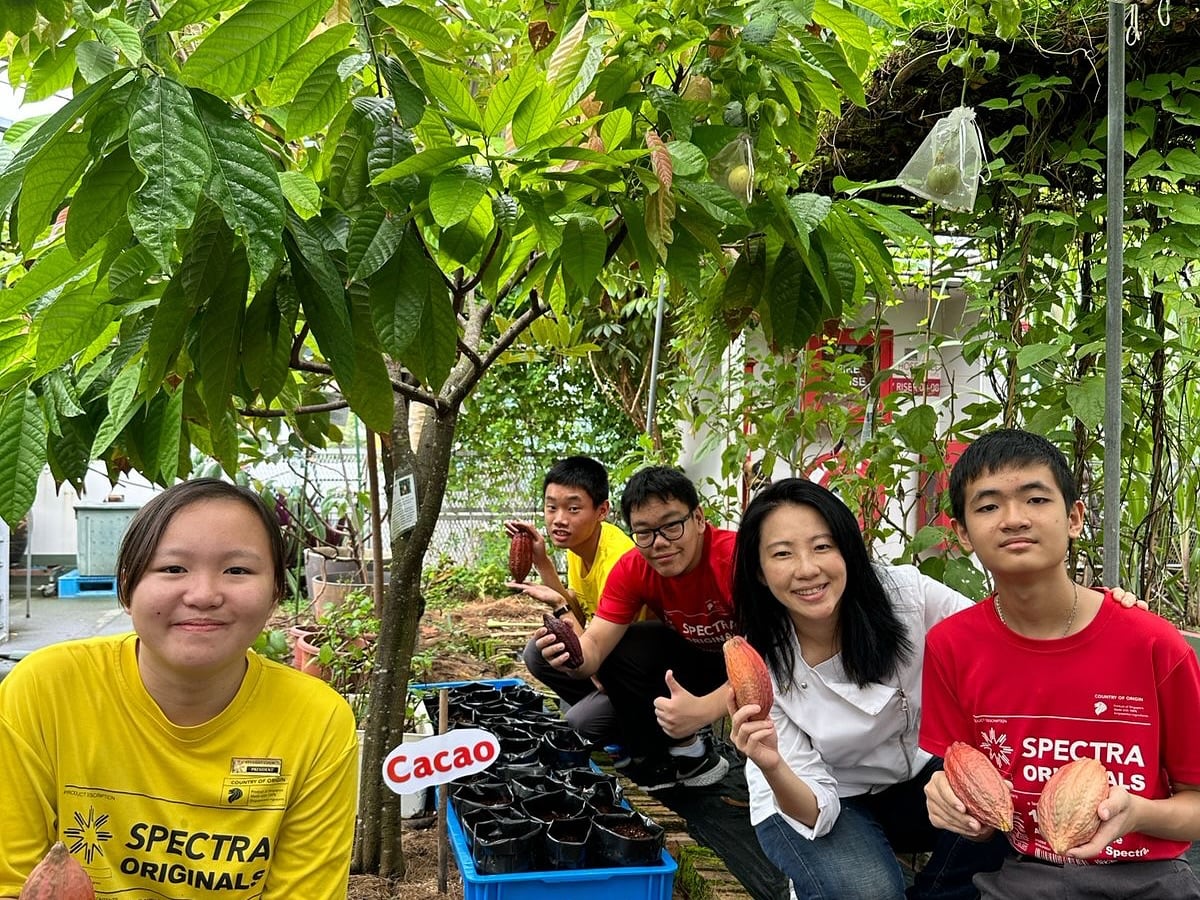
Source: @janicewong2am on Instagram
“This project is really for the community,” she said. “My dream is for someone after me to continue it and keep that advocacy going.”
That hope to leave something behind also says a lot about how Wong measures success these days: less by another award or outlet, and more by whether she can keep creating work with enough purpose to outlast her.
To me, success means being able to keep creating. When things get difficult, it’s easy to lose sight of why you started. Being successful is still having that purpose and continuing to create.
The rei by Janice Wong menu is served exclusively at Le Jardin, Raffles Sentosa Spa. For more information about the brand and its desserts, visit the official website.
Have news you must share? Get in touch with us via email at news@mustsharenews.com.
Featured image by MS News. Photography by Ian Zailee.