
MS Explains: Singapore’s 2026 haze and why the Godzilla El Niño makes it worse
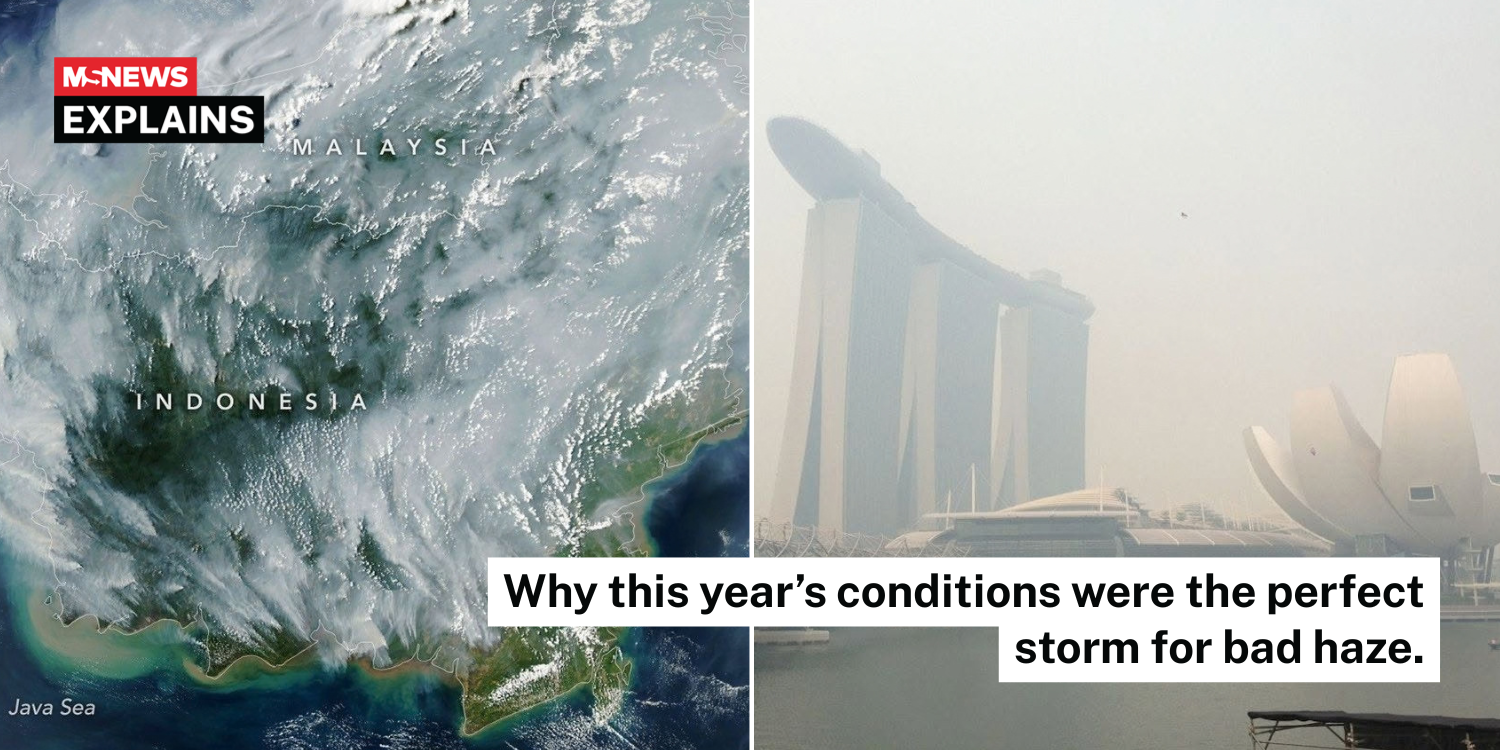
For the past few weeks of 2026, Singapore’s skyline has been shrouded and choked by an unpleasant grey haze.
But why is it that this year’s haze seems so much worse than in the past few occurences?
What exactly is the haze?
The haze blanketing Singapore is a mixture of small airborne particles and gases.
They mostly originate from our neighbour, Indonesia, as a product of wildfires.
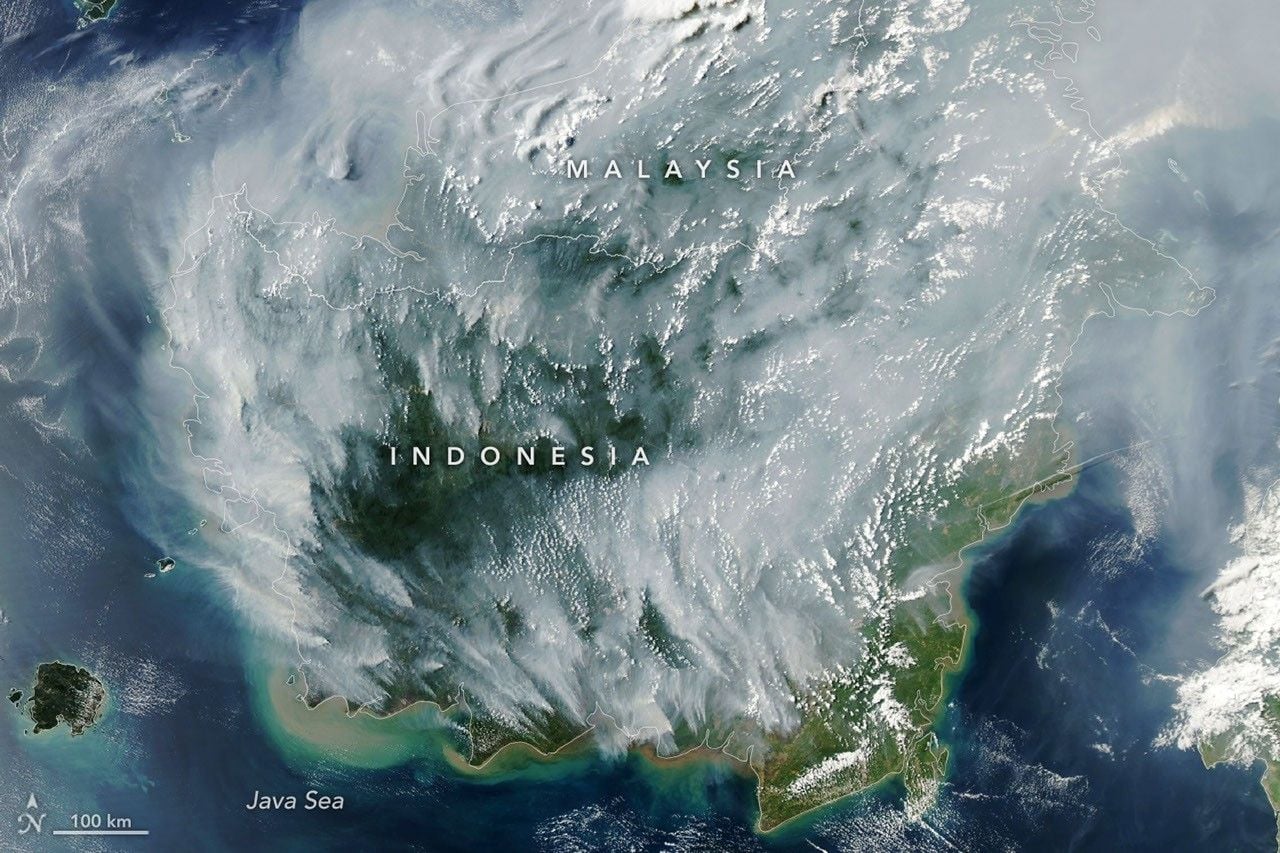
Source: NASA
These fires tend to be man-made, both intentional and accidental.
Starting a fire is a cheap, quick method to clear vegetation, so it can make way for farming or mining. The ash from the fires also serve to fertilise the soil.
Aside from burning forests, the destruction of Indonesia’s peatlands are a major cause as well.
Peatlands are areas where a layer of decaying organic material called peat accumulates. Dry peat is extremely flammable and their fires can smoulder underground for weeks in the dry season.
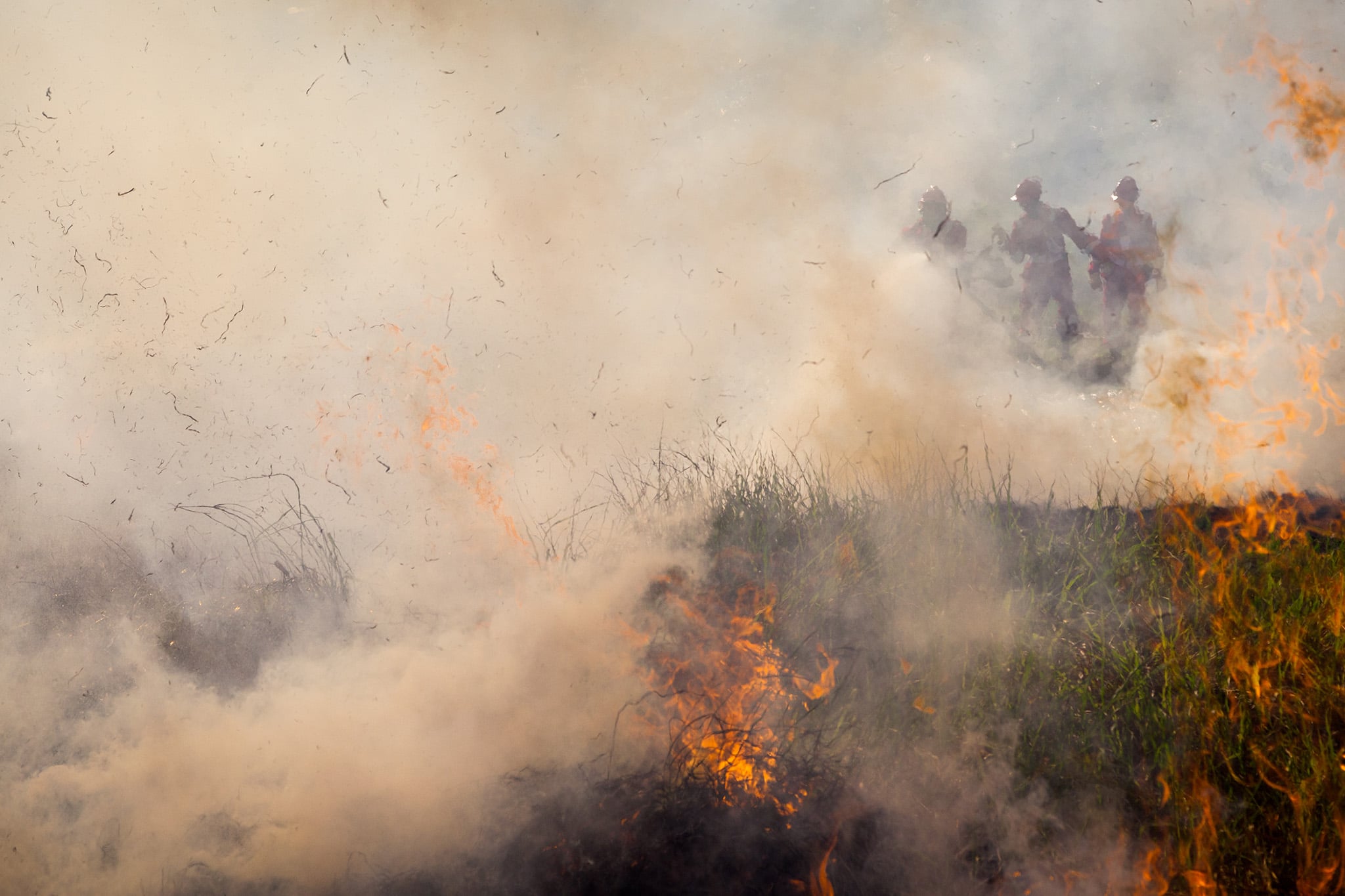
Source: UN-REDD
Indonesia haze seemingly resolved after 2019
Many Singaporeans remember the severe haze seasons in the first half of the 2010s.
Back on 19 Oct 2015, the National Environmental Agency recorded 471 microgrammes of particulates per cubic metre (PM2.5) at 11pm, a new record.
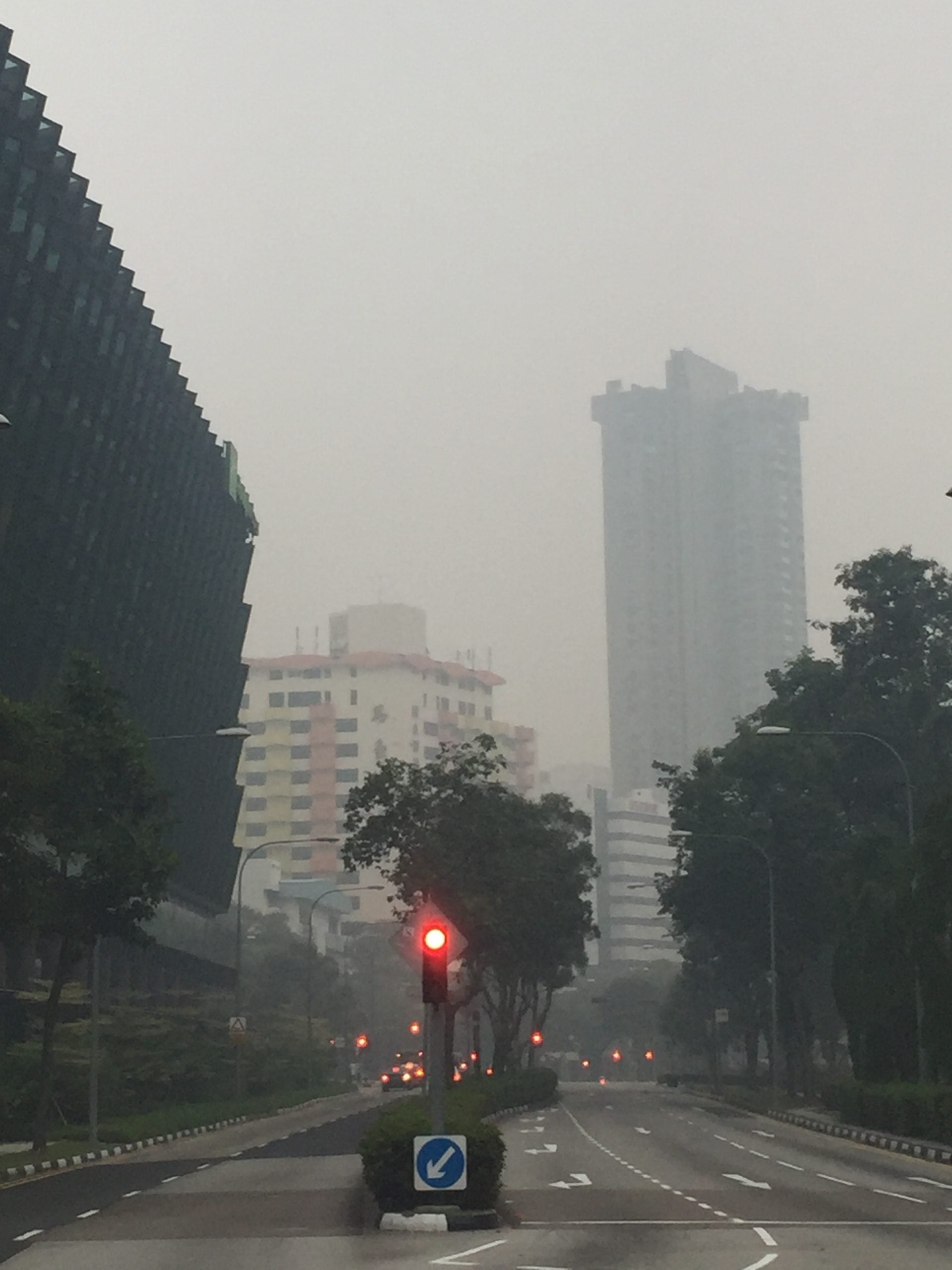
Source: Jacklee on Wikimedia Commons
That year, Indonesia saw more than 2.6 million hectares of land ravaged by forest and peat fires, 33% being by the latter.
The country implemented reforms over the next few years, such as training firefighters, improving monitoring, and restoring wet peatlands.
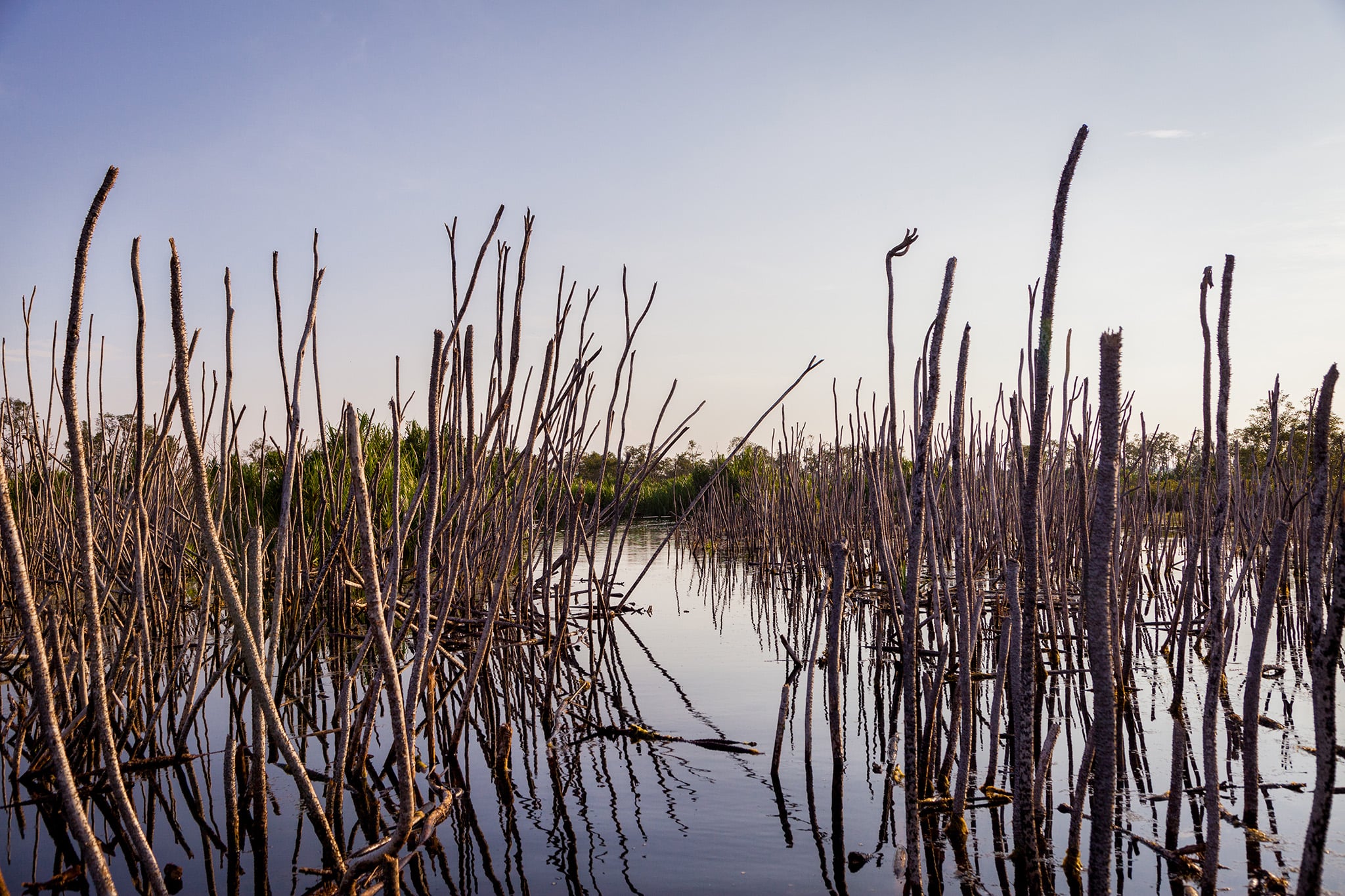
Source: UN-REDD
Since 2019, Singapore’s annual haze season has generally been a minor issue and it appeared that the problem had been solved.
And then, it returned with a vengeance this August.
Companies allegedly paying for wildfires to make way for plantations
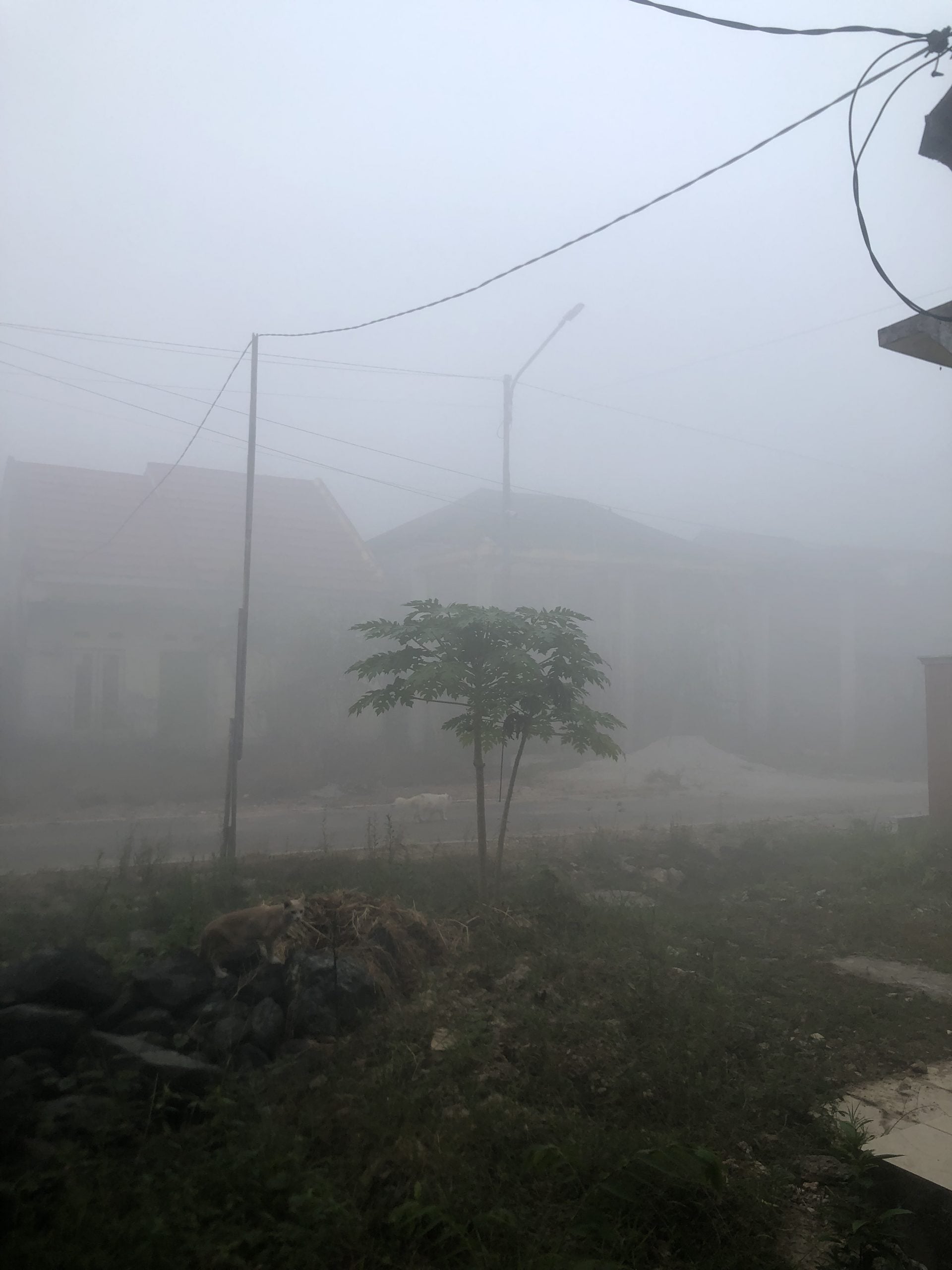
The causes of the 2026 wildfires are much the same as in the previous years.
An investigation by The Straits Times (ST) reported that clearing land through burning is substantially cheaper and faster than using an excavator.
Source: Zenibas on Wikimedia Commons
Companies also allegedly pay for deliberate burning so they can rapidly convert the land into palm oil plantations.
In September, the Indonesian police stated that they were investigating 95 companies for involvement in starting wildfires.
Nusantara Atlas reported 895,657 hectares of land burned in Indonesia by the end of August.
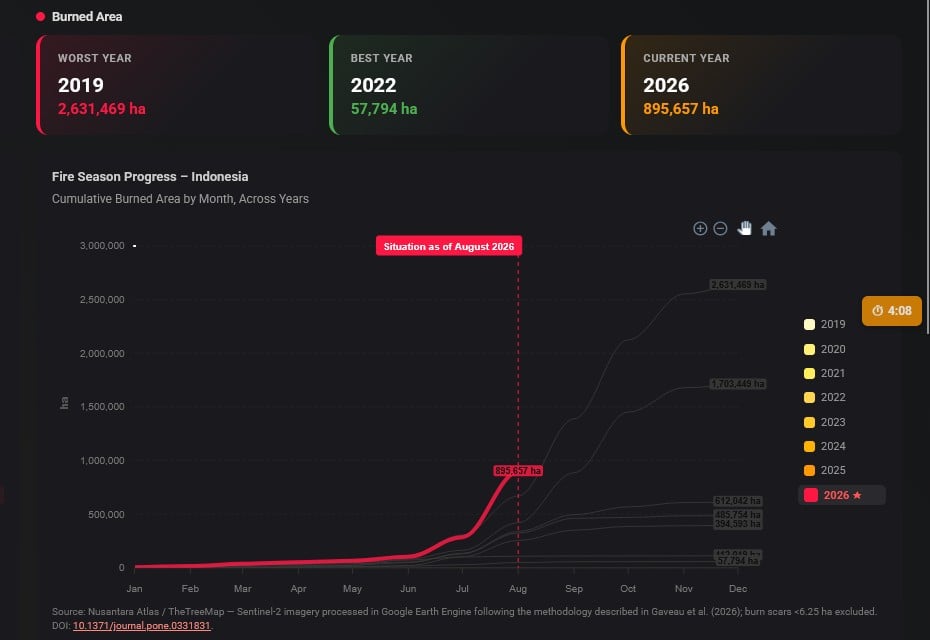
Source: Nusantara Atlas
Worryingly, the rate of burning appeared on track to outpace the 2.63 million hectares burnt in 2019.
As for why the fires are so bad this year, it may have to do with ‘Godzilla’.
El Niño explained in simple terms
No, not the giant lizard monster. We’re talking about the ‘Godzilla El Niño’ of 2026/2027.
Near the equator, strong trade winds move seawater from the East Pacific westwards towards Asia.
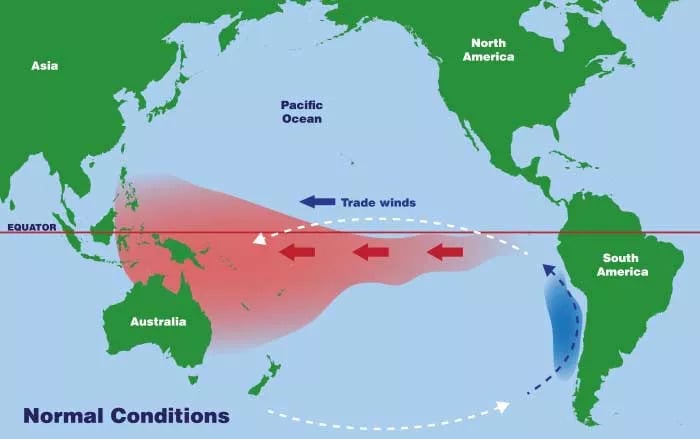
Source: National Environmental Satellite, Data, and Information Service
The Sun heats the water during this lengthy journey, and as such, warm water “piles up” around Southeast Asia and Oceania.
When the trade winds weaken, the warm water flows back across to the cooler East Pacific, creating what is called ‘El Niño’.
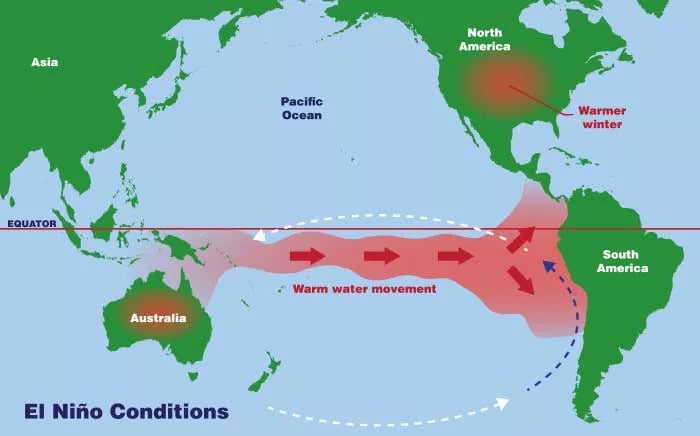
Source: National Environmental Satellite, Data, and Information Service
Warmer waters create more clouds and rain, and so an El Niño results in a dryer climate in the cooling West Pacific, including Indonesia.
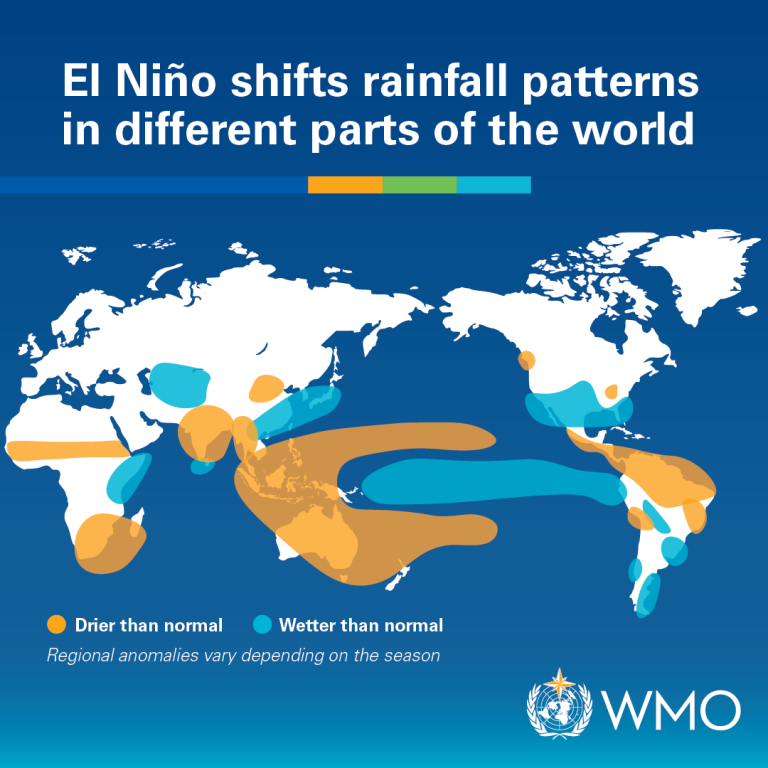
Source: World Meteorological Organization
2026’s ‘Godzilla El Niño’ only seen four times previously
In the United States (US), an El Niño is declared when sea surface temperatures in a section of the Pacific Ocean increase by 0.5°C.
When the surface temperatures increase by 2°C or more, the US declares a “very strong El Niño”, informally known as a “Super El Niño” or a “Godzilla El Niño”.
These extreme El Niño events are very rare, only officially occurring five times in recorded history.
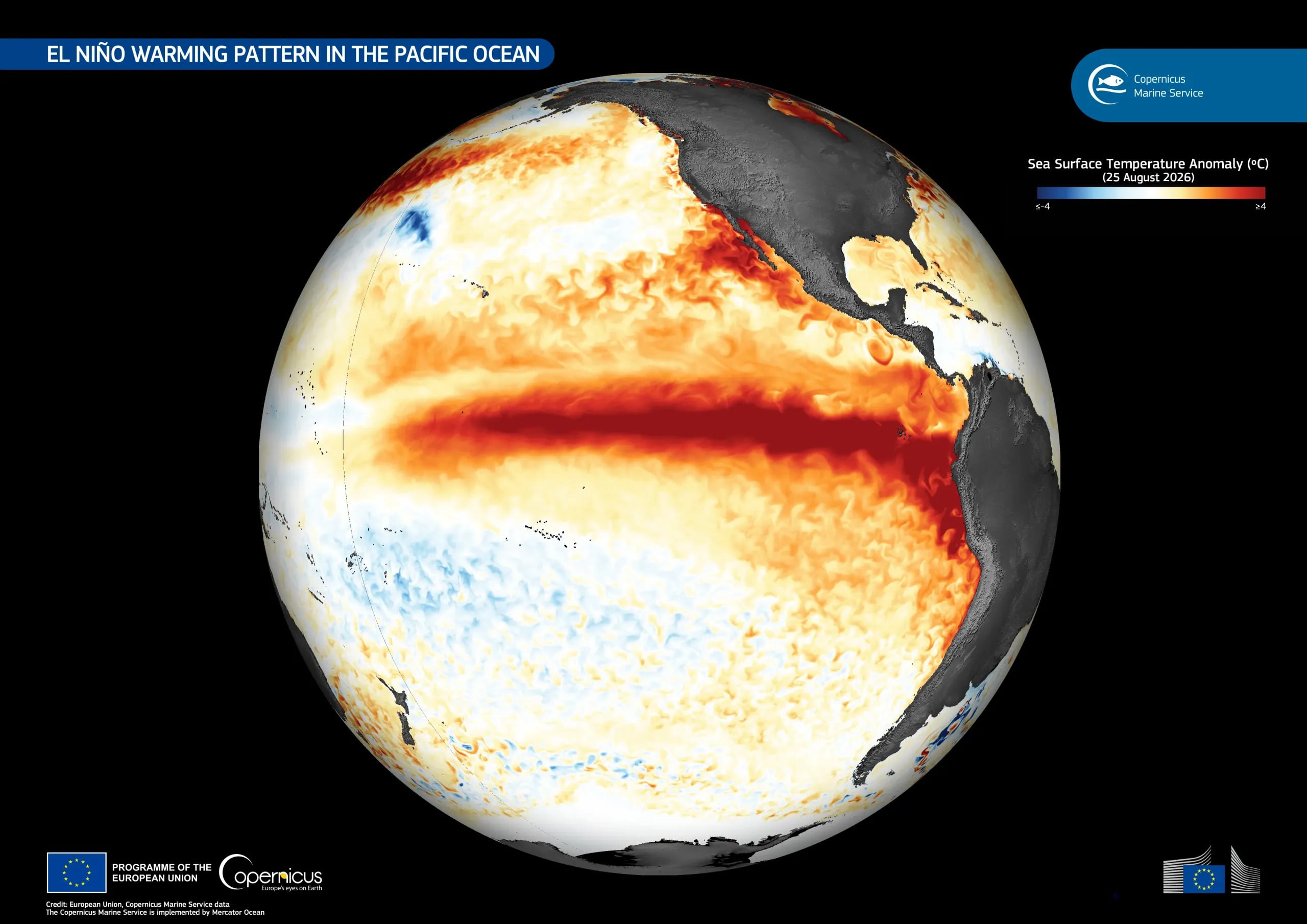
Source: Copernicus Marine Service
They can cause extreme weather shifts and disasters worldwide. The 1877/1878 Super El Niño resulted in millions of deaths from famine.
Unfortunately for us, one of these rare events has been declared for 2026 and 2027.
Singapore’s 2026 haze expected to return early next year
Although humans started the wildfires in Indonesia, the Godzilla El Niño is what’s stoking the flames.
With drier weather, the vegetation and dry peat become very susceptible to the starting and spreading of severe wildfires.
The lessened rainfall greatly lowers the chance that a timely deluge of water can extinguish these growing blazes.
The Guardian reported that rainfall in the region has been around 80% below average since June.
Usually, the dry season in Indonesia ends around September. The ongoing Super El Niño will lengthen this dry season and delay the arrival of the northeast monsoon rains.
As a result, Singapore’s haze is expected to linger until the rains arrive in force around Dec 2026.
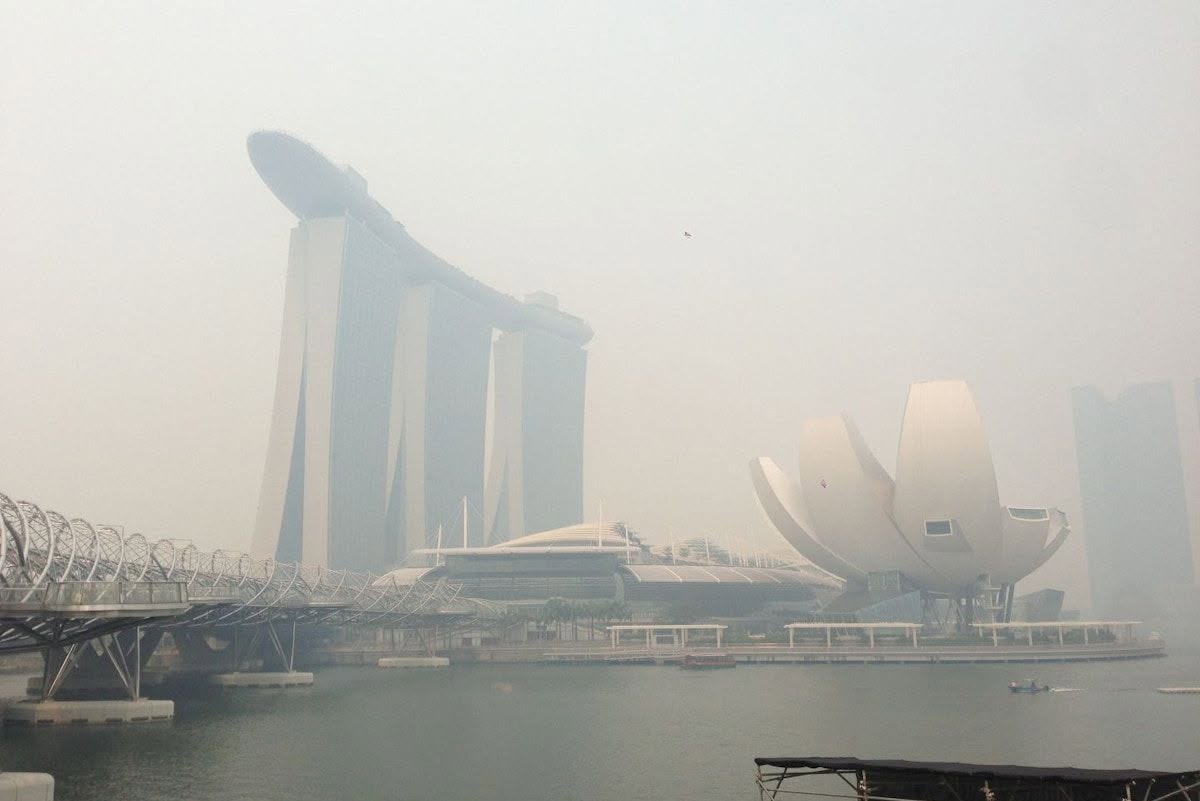
Source: Susan McNamara on Facebook
ST reported that the Super El Niño will reduce the rainfall of the northeast monsoon, and so, the haze may return early next year.
But what’s so bad about the haze?
If you’re healthy, the haze’s health effects will be unpleasant but mild, such as coughing, sore throat, and a runny nose.
Nevertheless, prolonged exposure is still not advised.
The small PM2.5 particles carried in the hazy air are so tiny that they can penetrate the skin through pores.
Experts speaking to Malay Mail warned of skin dryness and irritation. The particles also trigger flare-ups of conditions such as eczema and acne.
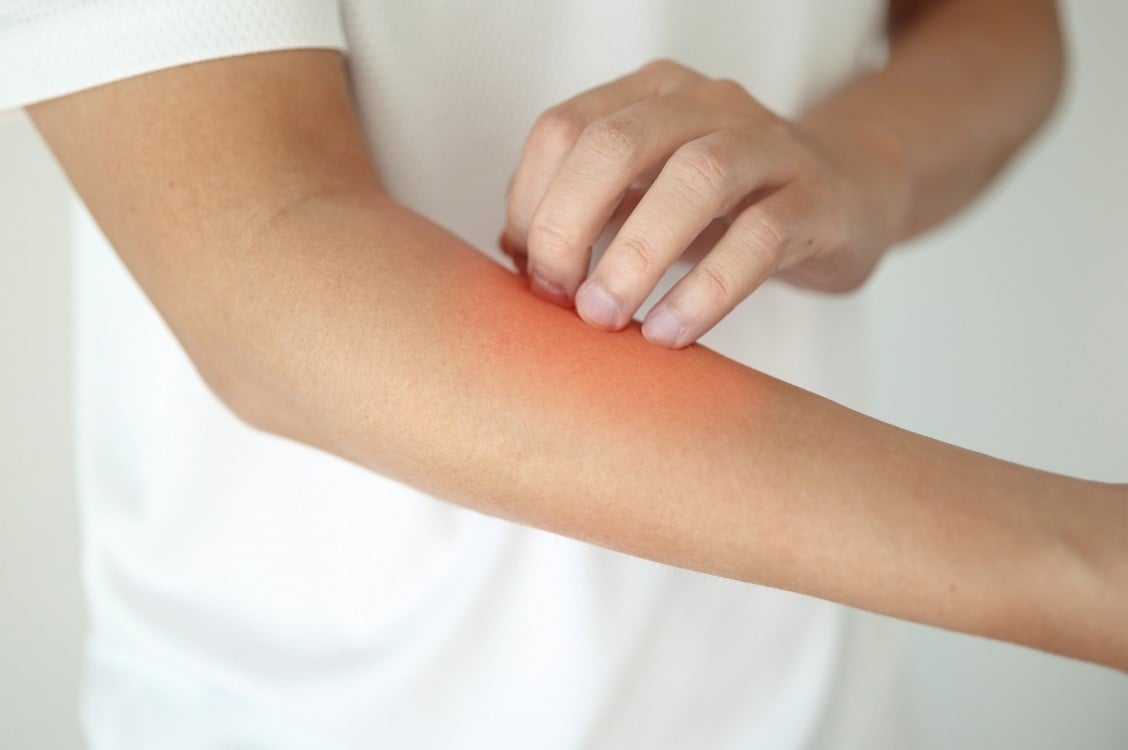
Source: Kwangmoozaa on Canva
Furthermore, a dermatologic surgeon warned that the haze leads to increased ultraviolet (UV) transmission to the surface despite the seemingly overcast weather, accelerating skin ageing.
Aside from the skin, prolonged exposure can cause persistent dry eyes, glaucoma, and cataracts, especially in children.
One study from the University of British Columbia even found that high levels of air pollution causes cognitive impairment similar to an alcoholic drink.
At-risk groups such as the elderly, the young, pregnant women, and patients with chronic lung or heart conditions should be especially careful with this year’s persistent haze.
Also read: 4 highest haze readings ever recorded in S’pore
Have news you must share? Get in touch with us via email at news@mustsharenews.com.
Featured image adapted from NASA and Susan McNamara on Facebook.