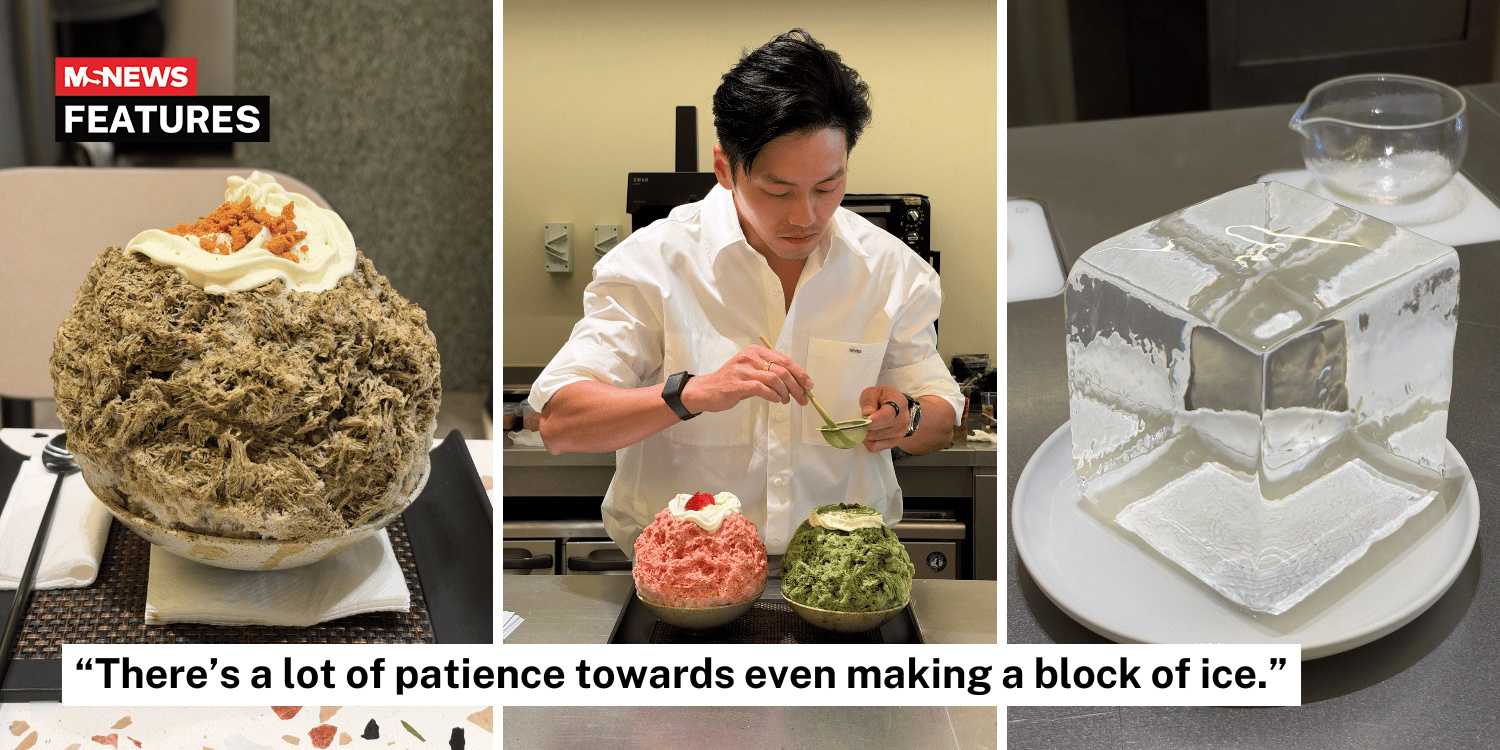

Matchaya launches kakigori made with ice flown in from Japan
When it comes to ice-based desserts, most Singaporeans would probably think of ice kacang or bingsu. But Matchaya is hoping to get more locals acquainted with their Japanese counterpart, kakigori.
Earlier this month, the homegrown speciality tea brand launched five new kakigori creations, with flavours ranging from ceremonial-grade matcha to chocolate tiramisu.
These aren’t simply mounds of shaved ice dressed in sweet sauces and toppings, by the way. Even the ice itself is flown in from Japan and takes more than 72 hours to make.
Founder could finish up to six bowls of kakigori in one sitting
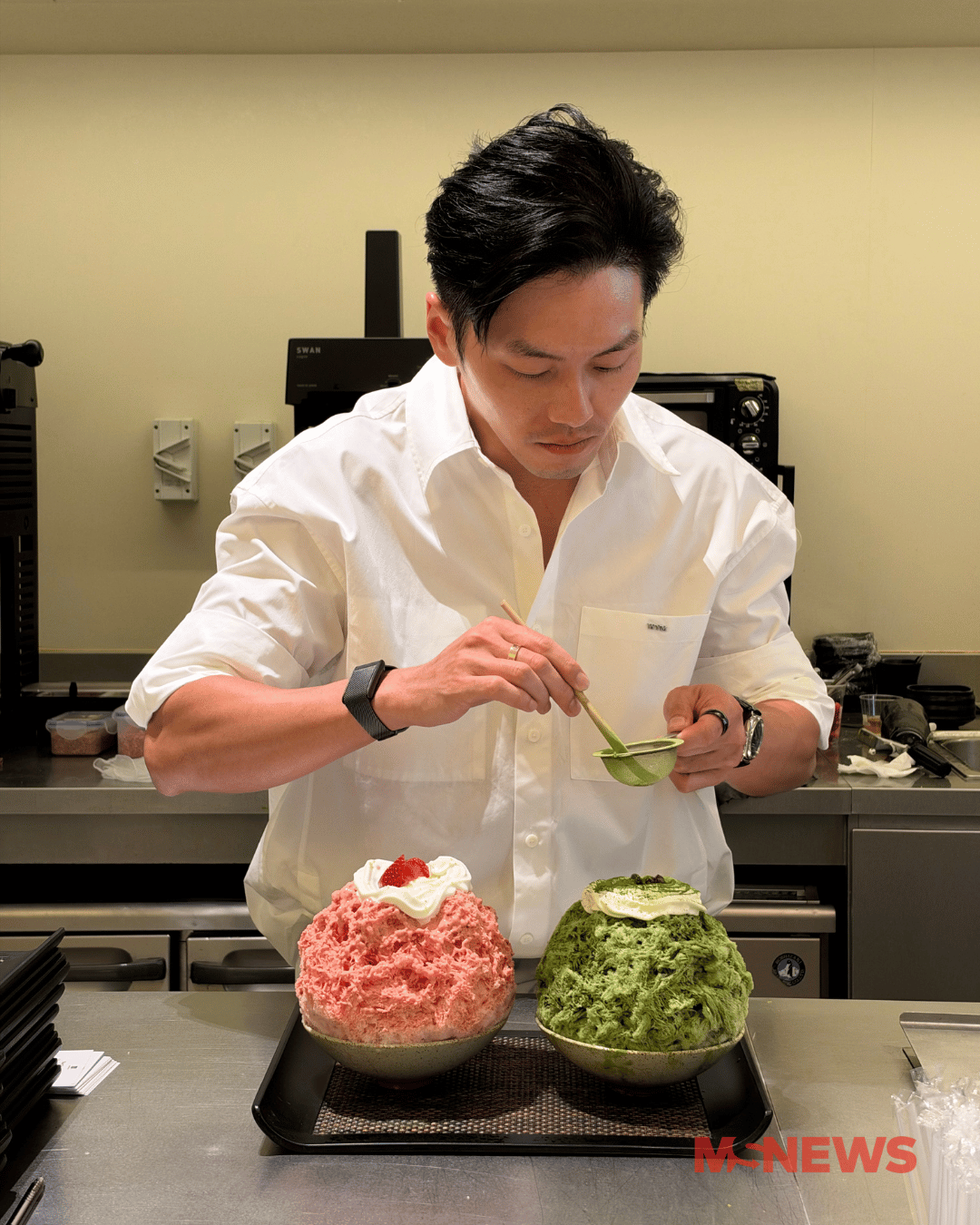
Behind the new menu is Matchaya founder and certified tea master Kevin Chee, whose love for the Japanese dessert saw him consume over 100 bowls of kakigori.
You read that right: One. Hundred. Bowls.
To be fair, he didn’t polish them all off in a single trip to Japan, accomplishing that gastronomic feat over the course of multiple visits.
Back when he was travelling there once every three months, Mr Chee would work his way through 20 to 25 bowls per trip, sometimes having up to six in a single sitting, all by himself.
“It’s just water, right?” he quipped in an interview with MS News.
As excessive as that might sound, Mr Chee pointed out that such an appetite wouldn’t necessarily raise eyebrows at speciality kakigori shops in Japan.
He recalled once encountering a woman in the queue ahead of him who ordered eight full-sized bowls for herself. Much to his amazement, she proceeded to finish every single one.
Developed an appreciation for the craftsmanship behind kakigori
Interestingly, Mr Chee’s initial fascination with the dessert had little to do with developing a new menu for Matchaya. He simply enjoyed eating it.
Over time, however, he became just as curious about what went into making a good bowl of kakigori as he was about devouring one.
“The amazing thing about kakigori is that it really illustrates the thought process that the craftsmen or the artisans want to put within it,” he explained.
Besides appreciating the artisans’ technical skills, he was intrigued by how they incorporated seasonal ingredients into their creations.
Of course, not every bowl lived up to the hype. Having sampled his fair share of kakigori, Mr Chee found that some establishments were more concerned with how their creations looked than how they tasted.
As a tea master with a soft spot for tea-based kakigori, he also recognised that even the most premium ingredients could go to waste without the right techniques to bring out their flavours.
When it came to developing Matchaya’s new menu, two things stood out from his years of eating kakigori: getting the texture of the ice right and knowing how to layer the flavours.
Ice is flown in from Japan and takes over 72 hours to make
This isn’t actually Matchaya’s first foray into kakigori.
The brand first introduced the dessert eight years ago, but Mr Chee admitted that he lacked both the ingredients and technical know-how to recreate what he’d experienced in Japan.
“It’s something that I felt that personally we didn’t do it justice the first time around,” he shared.
One of the biggest factors behind the dessert’s comeback was Matchaya’s ability to finally source and fly in artisanal ice from Kanazawa, Japan, thanks to import partners who were already bringing in frozen seafood from the region.
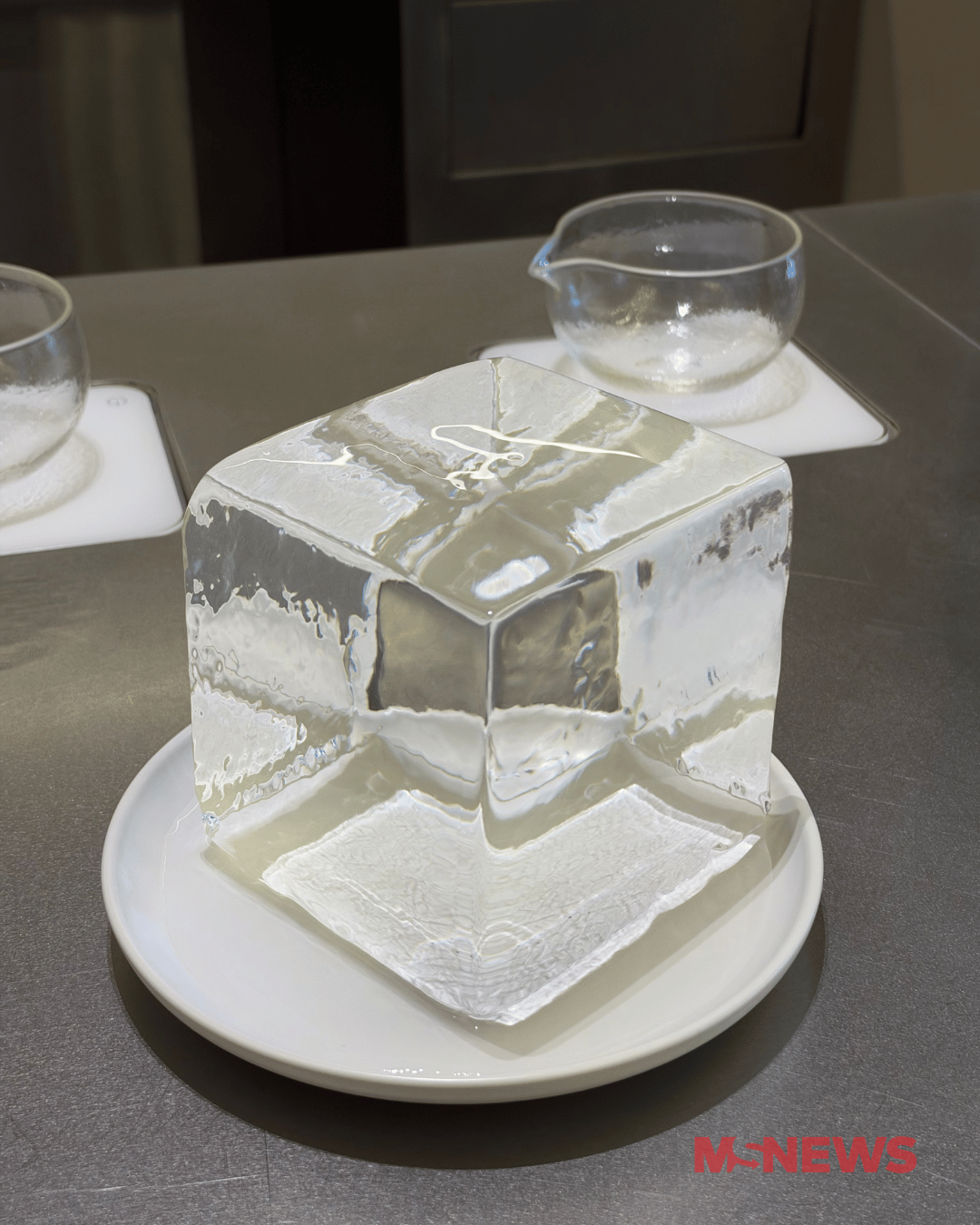
Known as Kuramoto Ice, it’s produced by a family-run Japanese ice maker whose roots date back to 1923.
Soft underground water sourced from the Mount Hakusan region is slowly frozen over more than 72 hours, with continuous agitation to remove trapped air and impurities.
For Mr Chee, both the quality of the water and the way it’s frozen are key to achieving the desired texture.
He explained that the purity of the water affects how the ice feels on one’s tongue, while the absence of air bubbles allows it to be shaved into exceptionally fine, fluffy flakes.
I think there’s a lot of patience towards even making a block of ice.
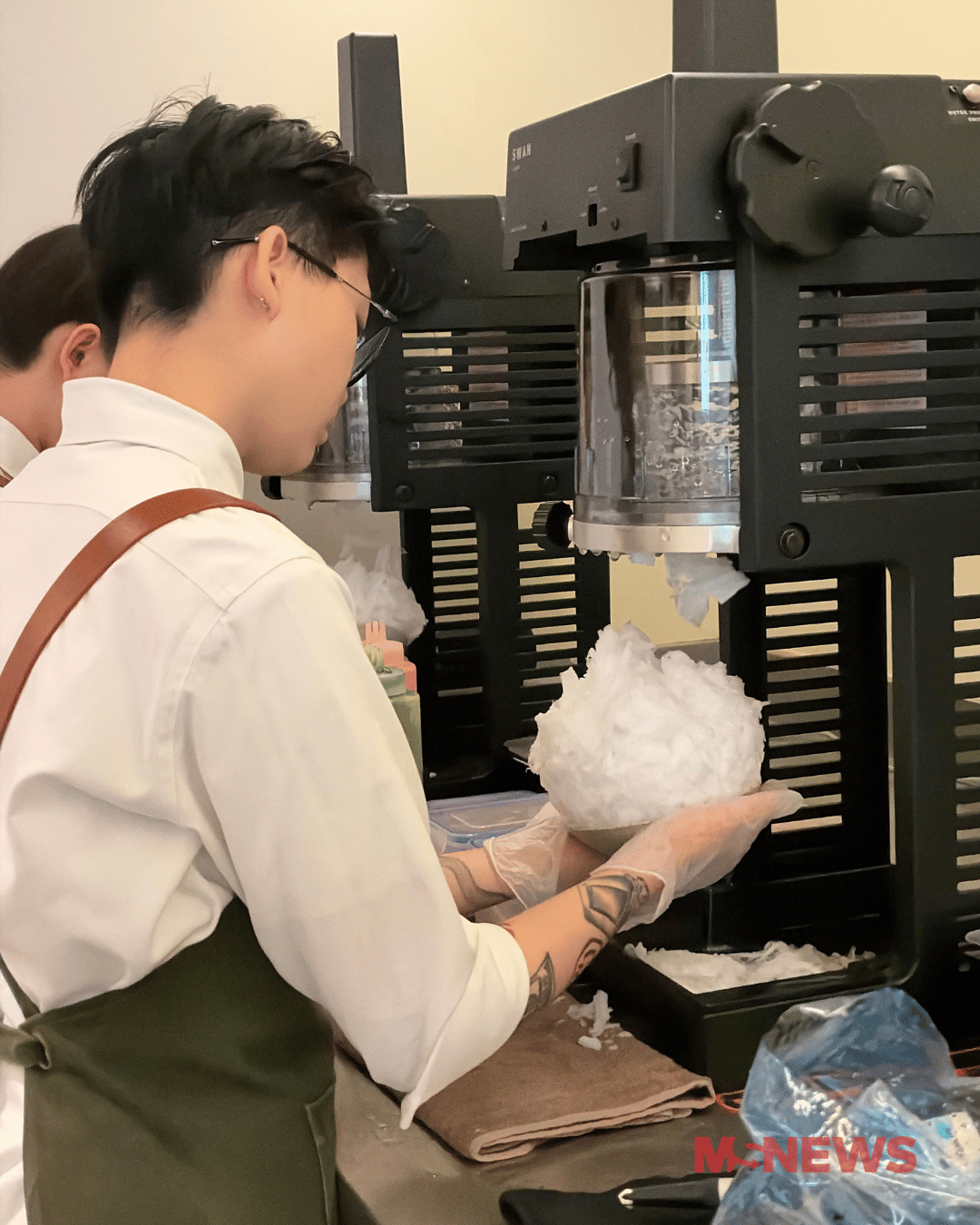
But getting the ice to Singapore is only half the battle.
The deep-frozen blocks, stored at temperatures between -21°C and -18°C, have to be partially thawed before being shaved using specialised Japanese kakigori machines.
Both the temperature of the ice and the angle of the machine’s blade need to be just right to achieve kakigori’s signature snow-like texture, which is finer than the ice typically used in our local ice kacang.
Five flavours from S$18
Another thing that sets Matchaya’s kakigori apart is that each bowl comprises four distinct layers of flavour and texture instead of the conventional three, a deliberate decision on Mr Chee’s part to cater to local palates that favour “richer, more full-bodied desserts”.
There’s even a little card that accompanies each bowl, guiding diners on how best to enjoy their kakigori and savour all four layers.
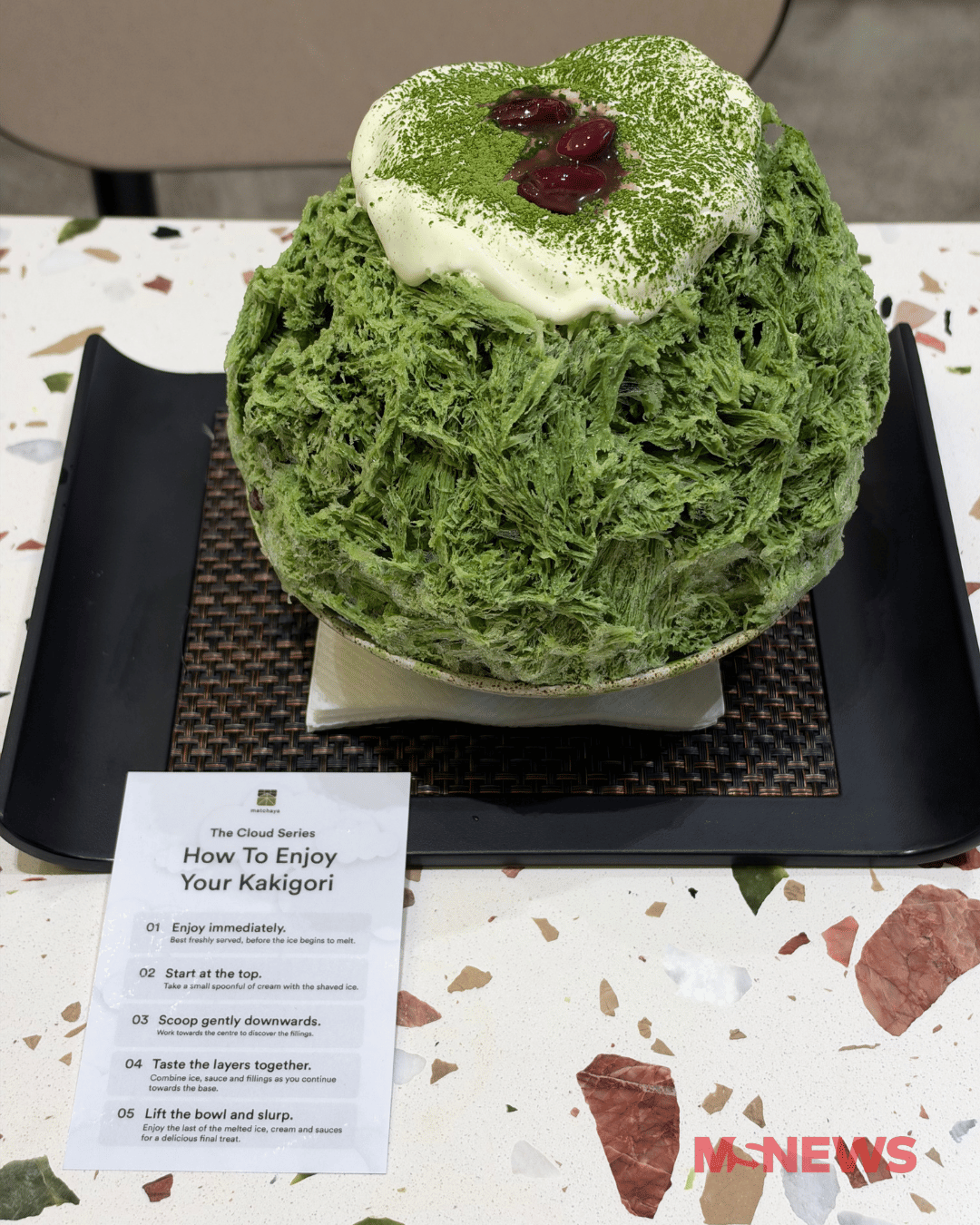
Prices range from S$18 to S$22 across the five flavours, two of which are, naturally, centred on Japanese tea.
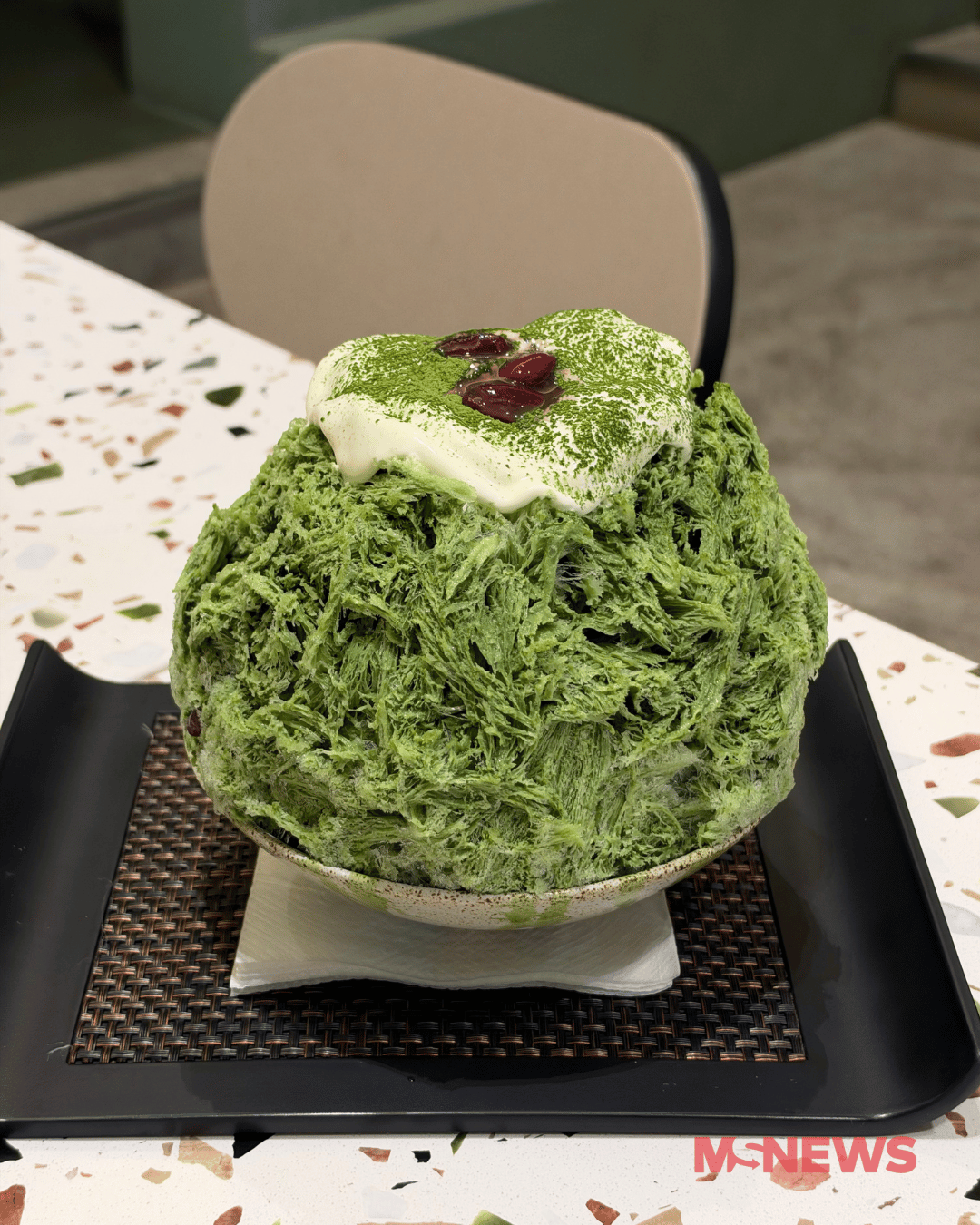
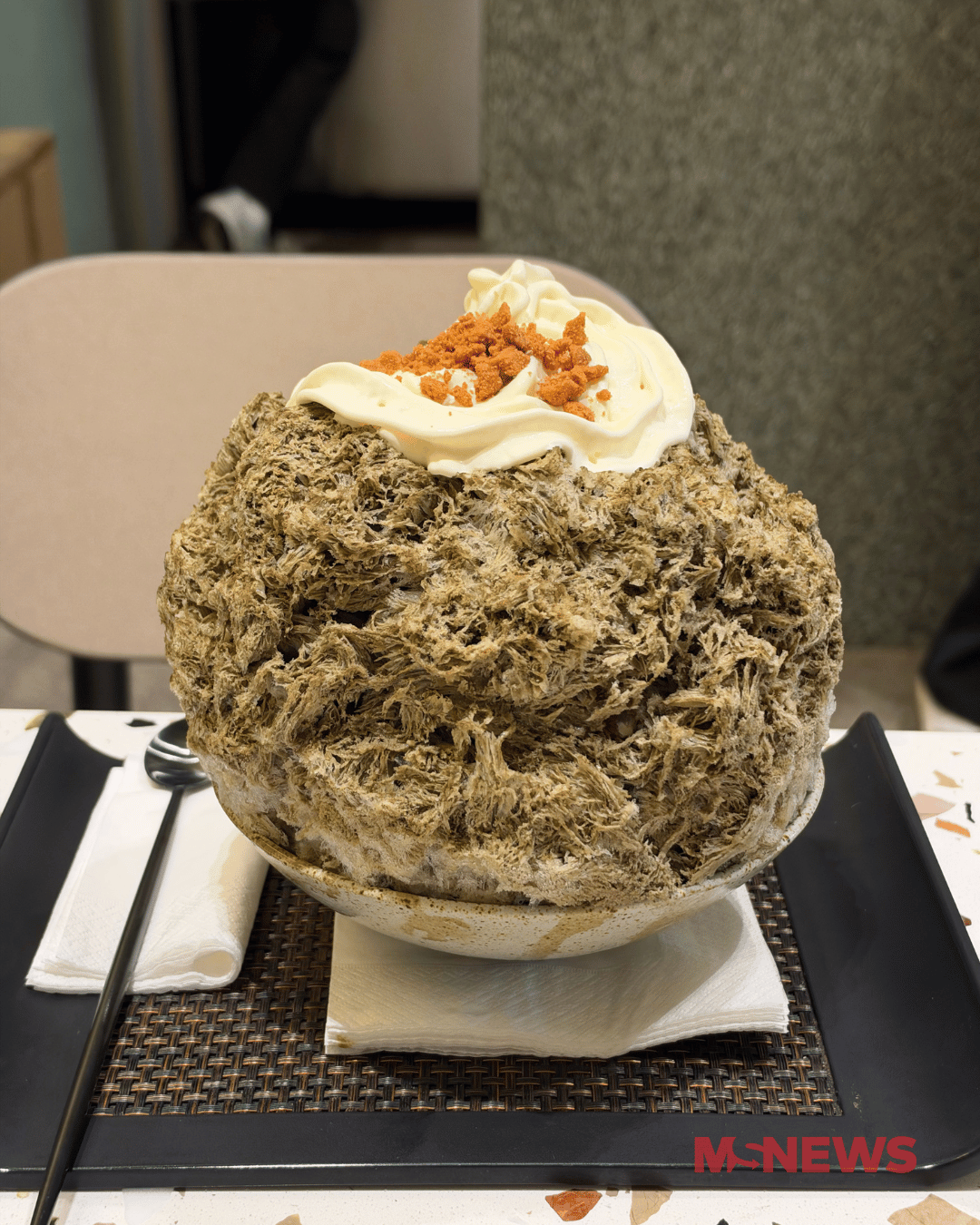
The Signature Koicha Azuki features a blend of two single-origin ceremonial-grade matcha powders, while the Burnt Butter Houjicha takes inspiration from Matchaya’s well-received Brown Butter Houjicha Latte, complete with brown butter cream and spiced Biscoff crumble.
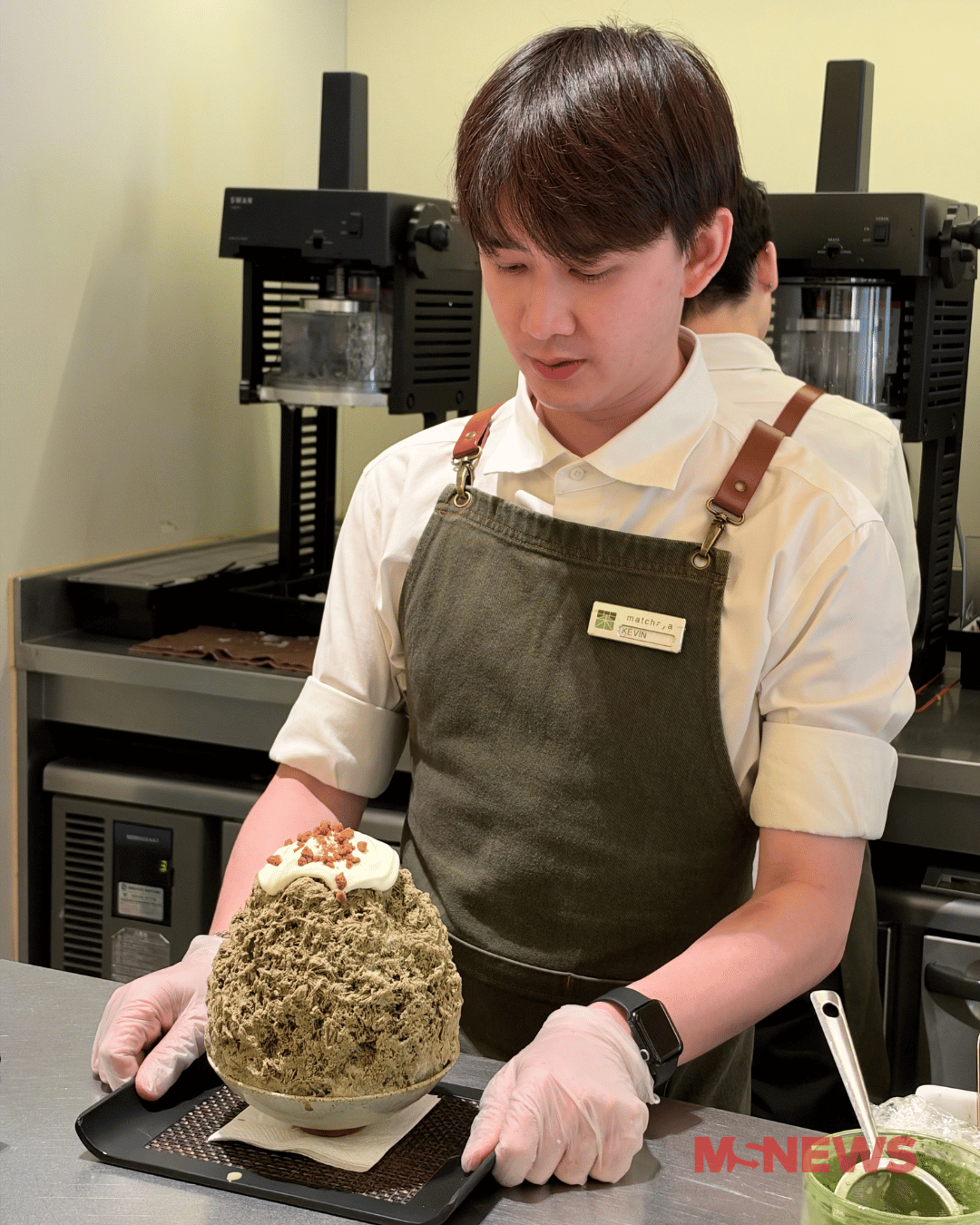
Meanwhile, the Chocolate Tiramisu reimagines the Italian dessert with 73% dark chocolate and mascarpone cream, plus a double shot of espresso on the side for those who fancy a caffeine kick.
Those who gravitate towards fruitier desserts can opt for the Strawberry Yogurt, made with fresh strawberries and Hokkaido milk, or the Mango Coconut.
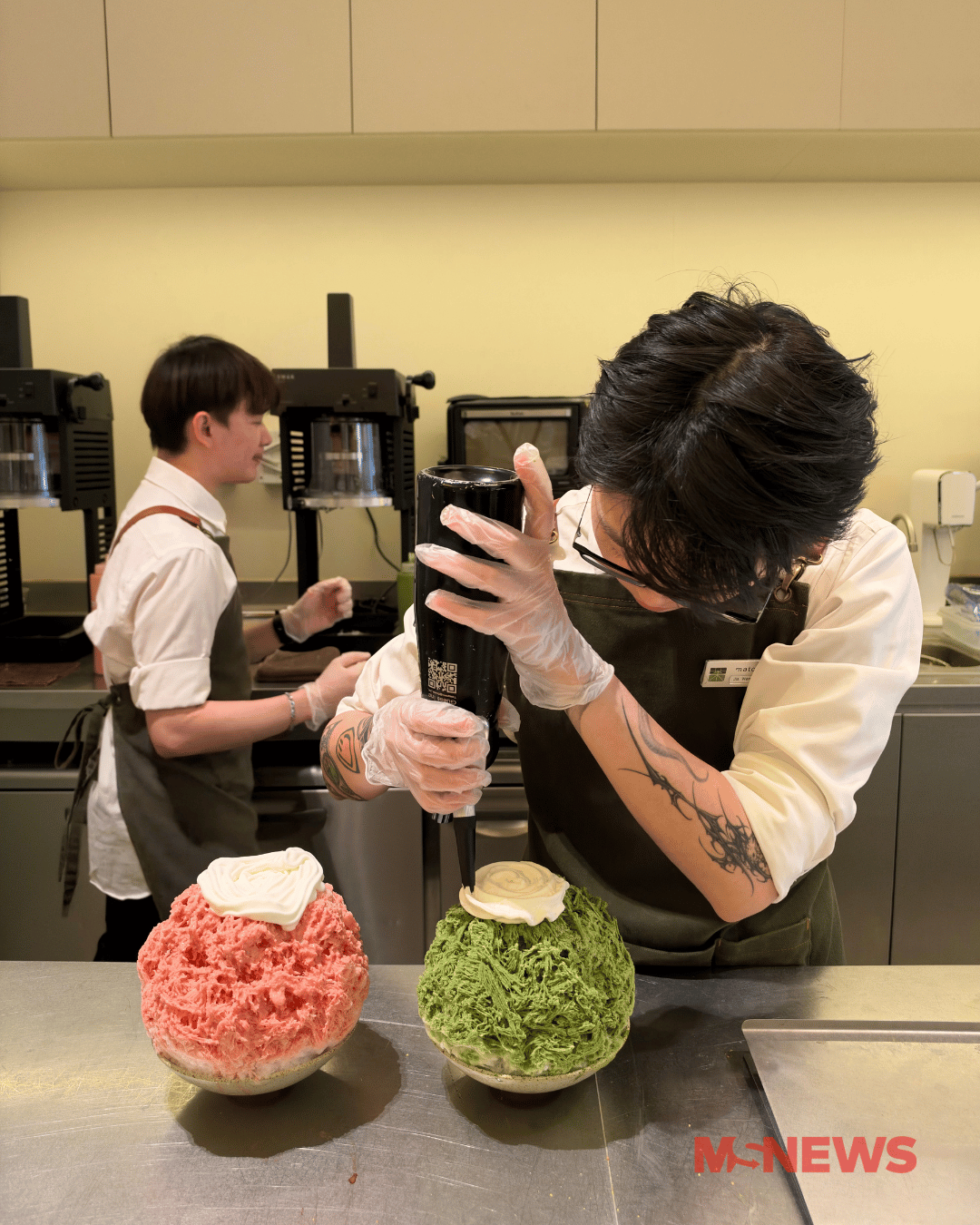
The latter takes inspiration from something a little closer to home: mango pomelo sago, a dessert that brings back childhood memories of Chinese banquets for Mr Chee.
A sixth, seasonal flavour is in the works
And if you’ve already worked your way through all five flavours, there’s more to look forward to.
Mr Chee revealed that Matchaya has deliberately left room on the menu for a rotating sixth flavour, which will allow the brand to experiment with seasonal ingredients and explore potential collaborations.
In the meantime, whether you’re keen to try just one bowl or attempt all five in a single sitting à la Mr Chee, here’s where you can get your kakigori fix:
Matchaya Tiong Bahru
Address: 82 Tiong Poh Road, #01-05, Singapore 160082
Opening hours: 9.30am to 9.30pm daily
Nearest MRT station: Havelock
Also read: NUS engineering grad left DBS to start Matchaya, now supplies 50% of matcha used by S’pore cafes
NUS engineering grad left DBS to start Matchaya, now supplies 50% of matcha used by S’pore cafes
Have news you must share? Get in touch with us via email at news@mustsharenews.com.
Featured image by MS News.