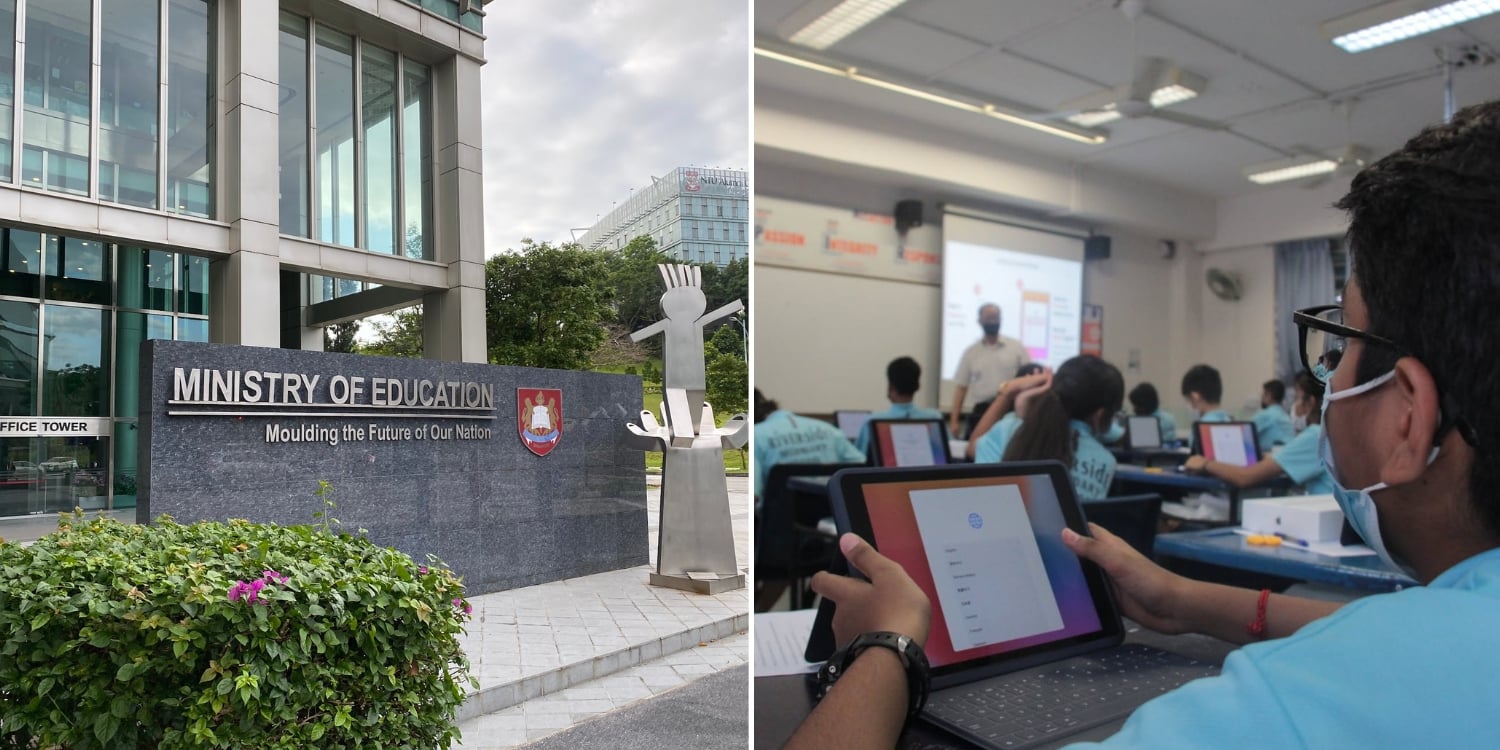

MOE to continue stepping up measures in schools to prevent youth radicalisation after ISD arrests
Following the arrests of three self-radicalised teenagers planning attacks in schools, the Ministry of Education (MOE) stated that it would continue stepping up efforts to tackle this threat.
MOE listed measures such as preventive education and restricting online material on Personal Learning Devices (PLDs).
Two out of three arrested youths planned attacks in their schools
In a 27 July press release, the Internal Security Department (ISD) announced the arrest of three teenagers.
Source: Internal Security Department
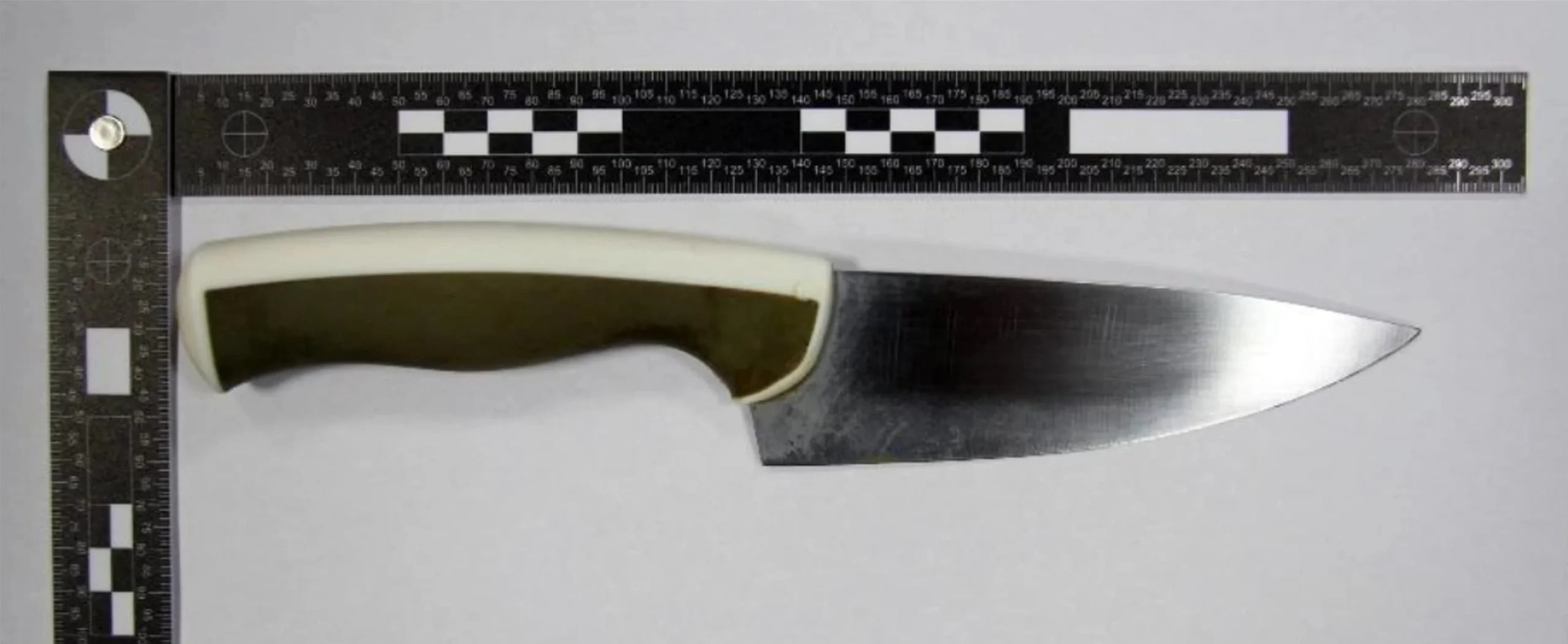
One of them, 19-year-old Tan Jun Jie, had been radicalised by pro-Islamic State (ISIS) content and planned to attack LGBTQ students at his school with a knife.
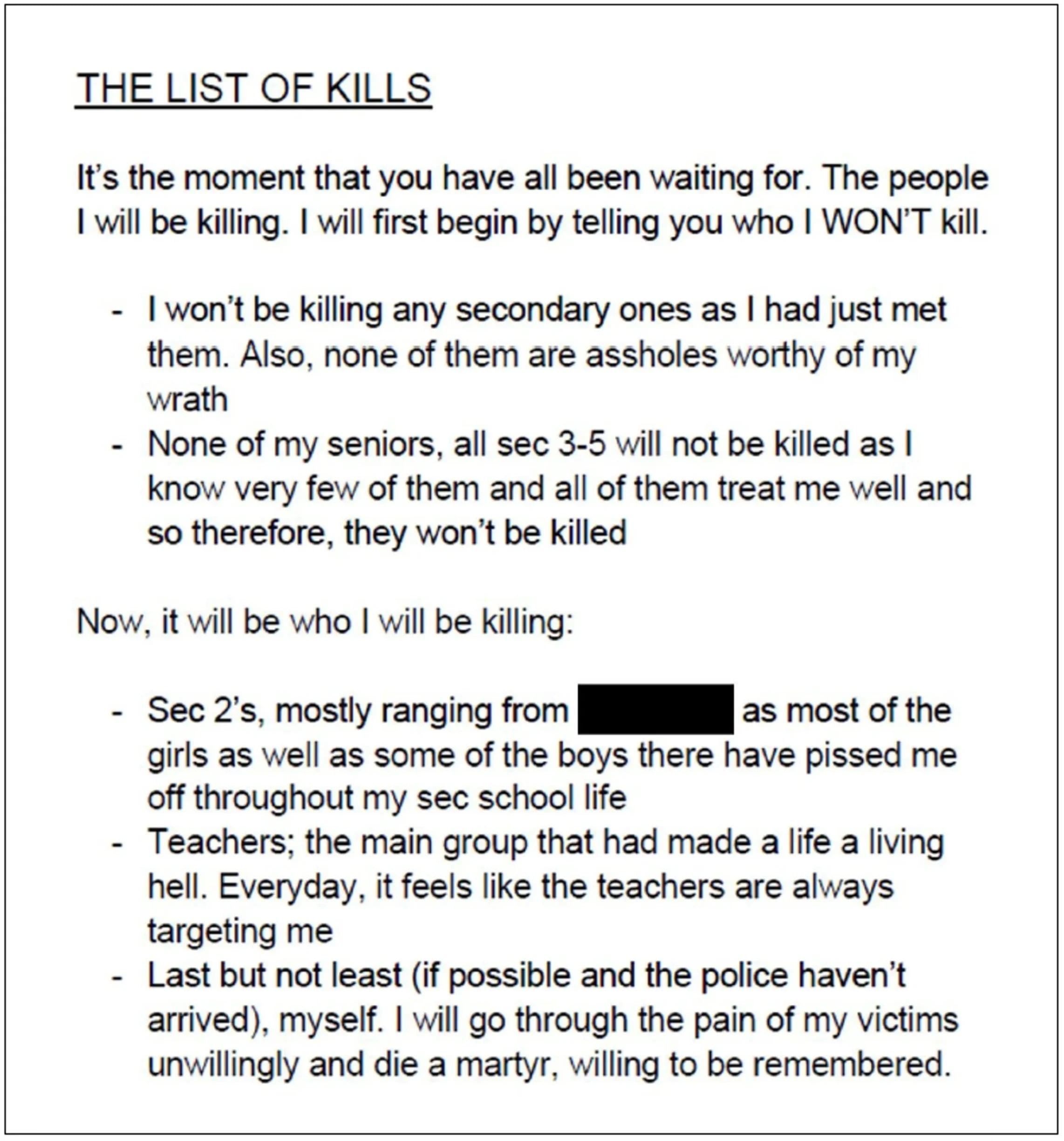
The second, a 14-year-old, became radicalised about Muslim supremacy and white supremacy.
He planned a mass attack against non-Muslim teachers and students at his school for June 2026.
Source: Internal Security Department
The third teenager is a 15-year-old Secondary Four student who aimed to establish an Islamic Caliphate in Southeast Asia. However, he was arrested before planning a location or target.
MOE conducts workshops for schools to tackle youth radicalisation
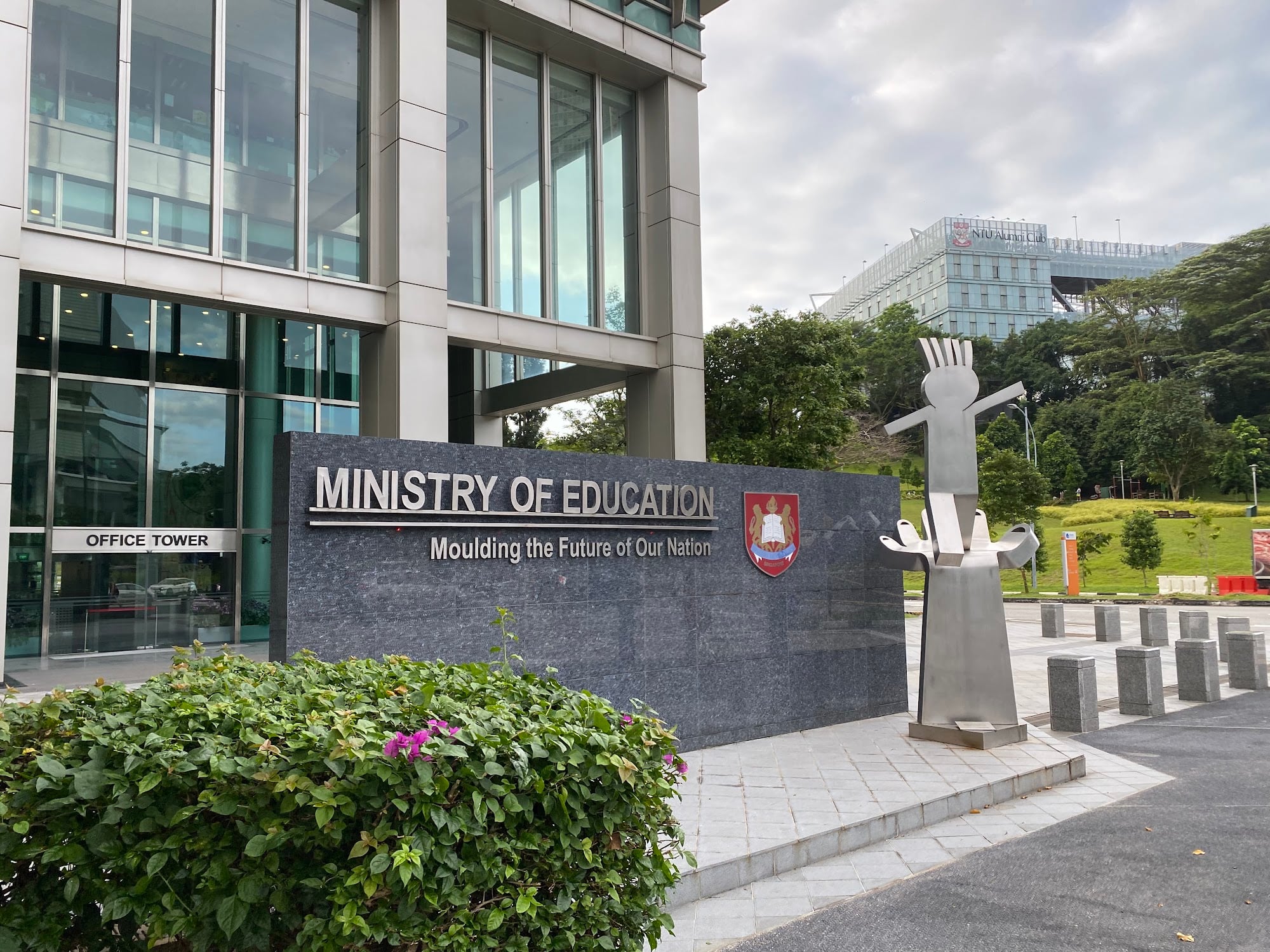
That same day, MOE made a press release, stating that it takes a “very serious view of youth self-radicalisation”. It said:
Our schools and Institutes of Higher Learning (IHLs) will continue to step up efforts to stay vigilant and respond to the threat of youth self-radicalisation.
MOE cited preventive efforts through education as one angle for tackling this threat.
Source: Astraeus Brigham on Google Maps
For one, schools teach about the negative impact of extremism, prejudice, and stereotypes through Social Studies and History subjects.
There are also Character and Citizenship Education (CCE) classes that teach Cyber Wellness. In these lessons, students supposedly develop skills to recognise risks and identify negative websites.
Schools and teachers are also trained to identify students who may be at-risk of online self-radicalisation.
MOE has partnered with the ISD since 2007 to conduct counter-radicalisation workshops for student leaders and staff.
The ministry also worked with schools and IHLs to hold workshops and drills regarding potential threats in or outside the school.
They cover immediate response in an emergency, recognising warning signs, and incident reporting.
MOE says students restricted from accessing certain online content in PLDs
Another aspect involved secondary school students accessing online content through PLDs.
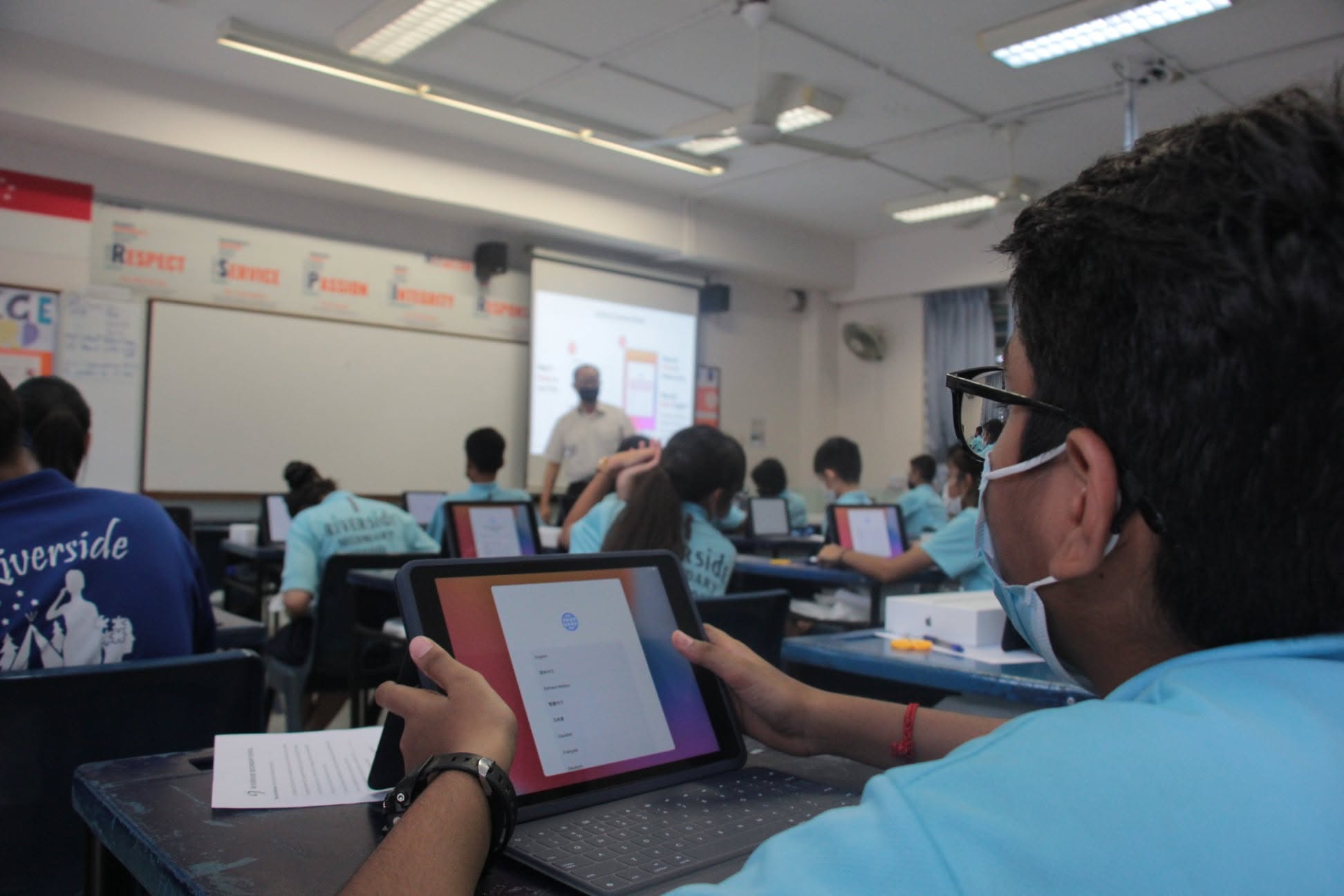
Source: Riverside Secondary School on Facebook
MOE stated that they have installed a Device Management Application (DMA), which they claimed would filter “objectionable online material”, including websites containing extremist content.
Schools also have filter systems that restrict access to inappropriate websites and content while on their own wireless network.
Similarly, the police issued various directions through the Online Criminal Harms Act (OCHA) to block access by Singapore users to several videos and websites containing terrorism advocacy.
However, as students use the Internet outside of school and PLDs, MOE said families have to play an important role in monitoring online activity at home.
Countering radicalisation requires a whole-of-society effort. Everyone – from parents, community, schools and students – has a role to play in keeping our young safe.
Also read: 3 teenagers detained after intending to stage attacks in S’pore, 2 planned mass school stabbings
3 teenagers detained after intending to stage attacks in S’pore, 2 planned mass school stabbings
Have news you must share? Get in touch with us via email at news@mustsharenews.com.
Featured image adapted from Astraeus Brigham on Google Maps and Riverside Secondary School on Facebook.