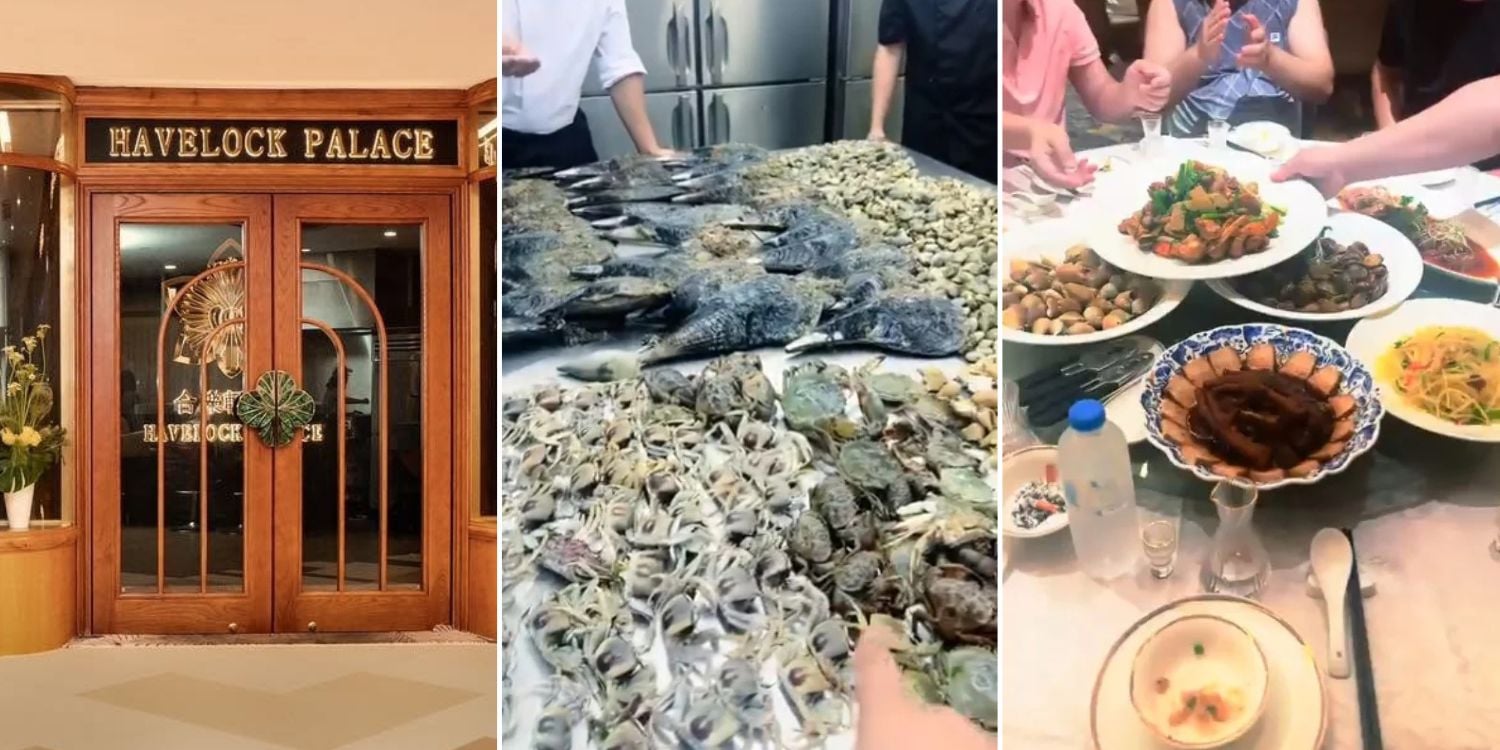

Havelock Palace restaurant also apologises for online responses that ‘may have caused further confusion’
Chinese restaurant Havelock Palace has apologised after a recent video showed a large haul of marine life that was foraged from Changi Beach later brought to its kitchen.
It has since tightened its controls over food sourcing and receiving, it said in a Facebook post last Saturday (8 Aug).
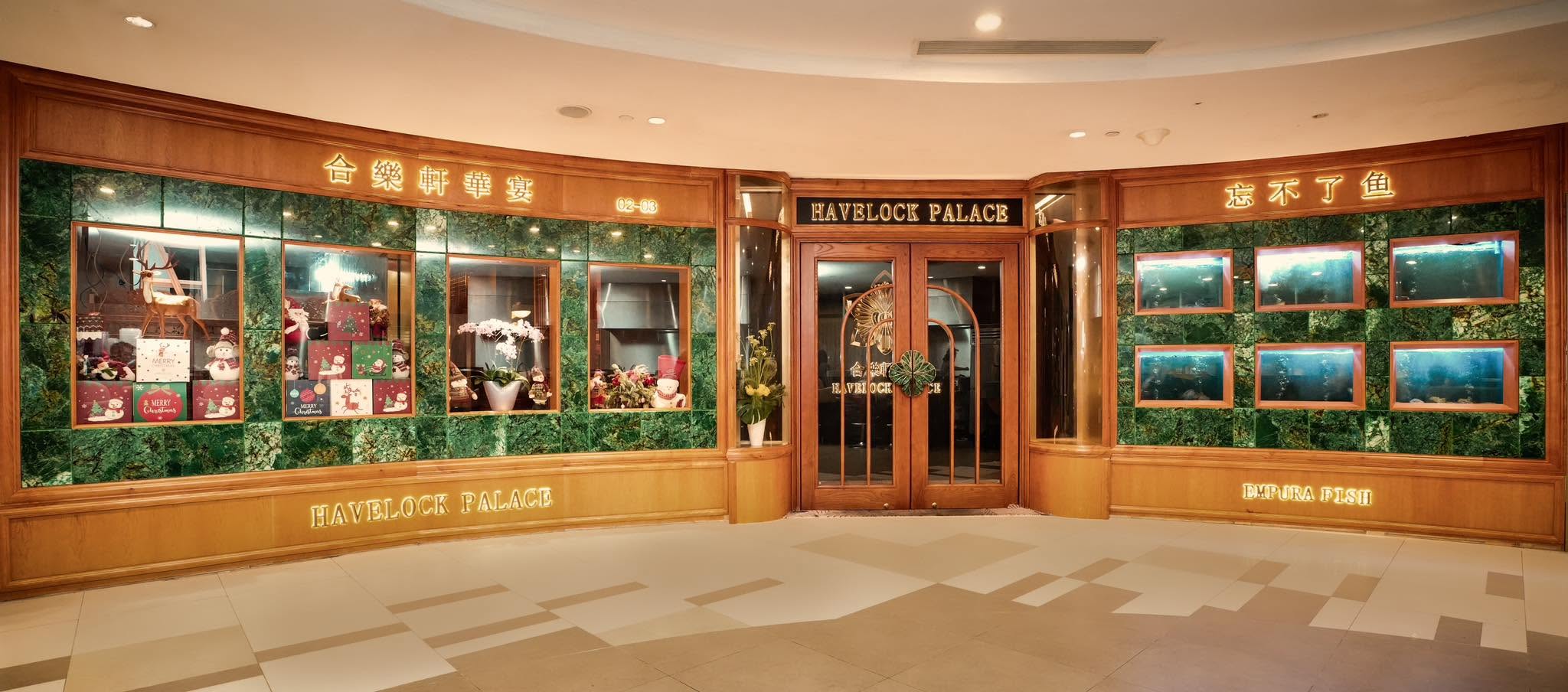
Source: Havelock Palace Restaurant 合乐轩华宴 on Facebook
Video shows foraged marine life transported to Havelock Palace restaurant
The video, which was originally uploaded on Chinese social media platform Douyin, showed a group of 16 people foraging several buckets of marine life such as crabs, shellfish and molluscs from Changi Beach.
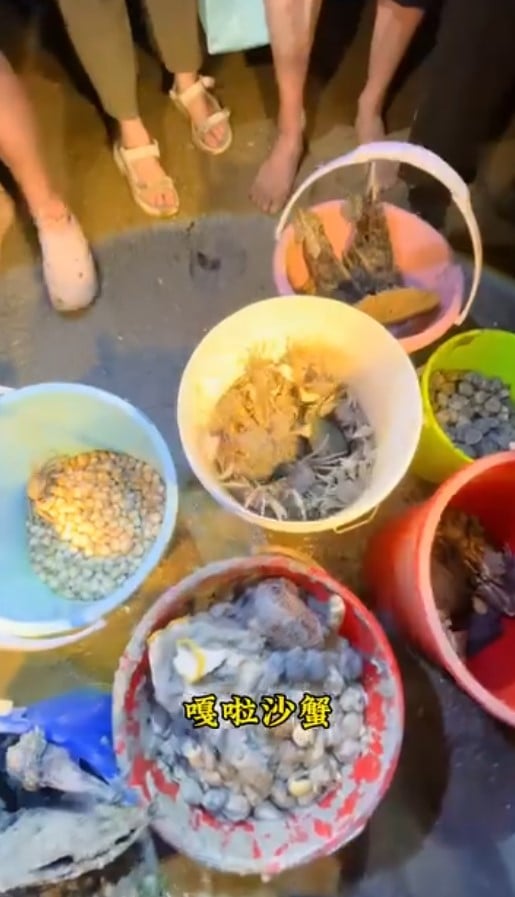
Source: UnderstandingTurkey7186 via Complaint Singapore on Facebook
The “harvest” was then transported to Havelock Palace in the middle of the night.
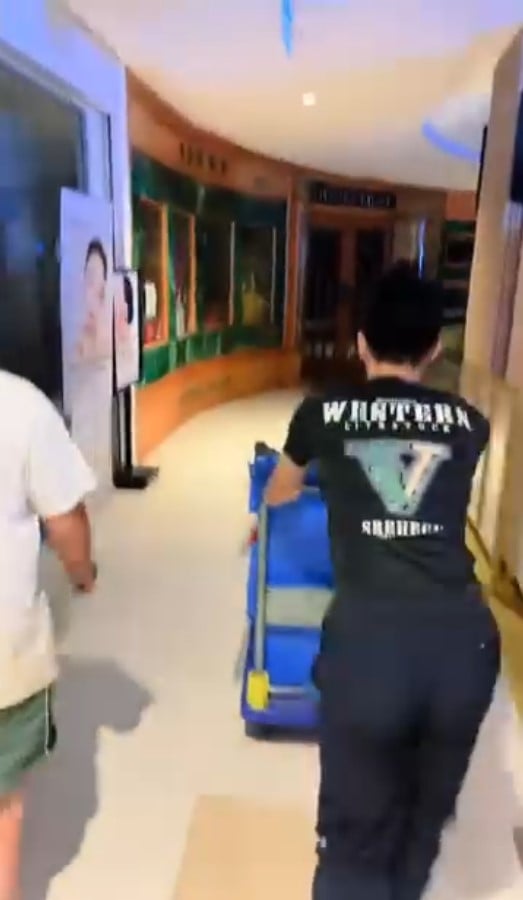
Source: UnderstandingTurkey7186 via Complaint Singapore on Facebook
They were subsequently laid out in front of chefs in what appeared to be the restaurant’s kitchen.
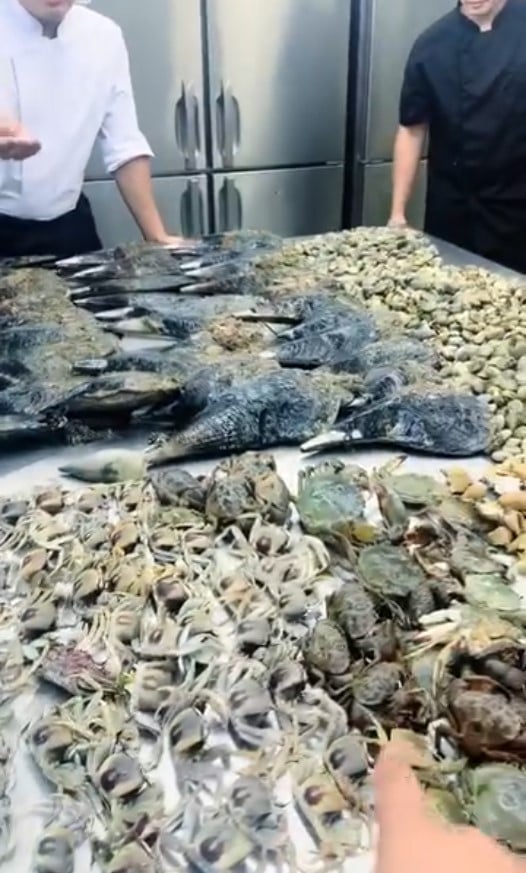
Source: UnderstandingTurkey7186 via Complaint Singapore on Facebook
The scene then changed to a tantalising spread placed in front of applauding diners at the restaurant.
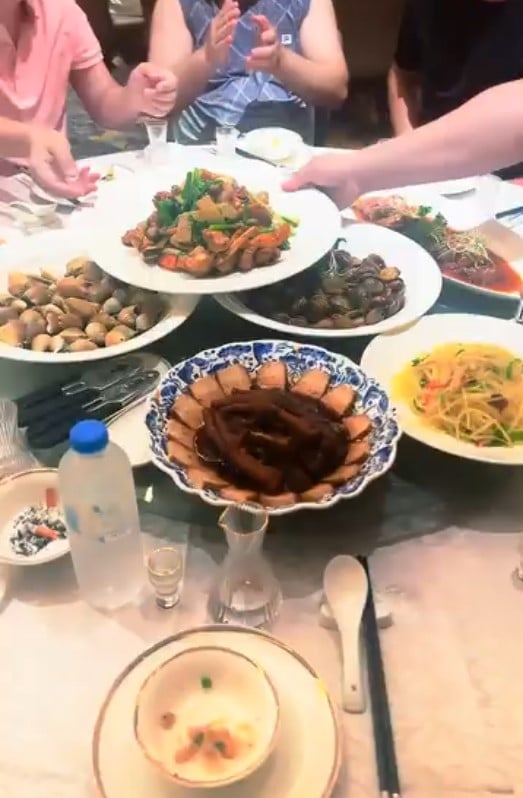
Source: UnderstandingTurkey7186 via Complaint Singapore on Facebook
Havelock Palace restaurant admits to cooking foraged marine life
In its post, Havelock Palace admitted that marine life “collected from Singapore’s intertidal areas” was prepared and cooked in its kitchen.
It thus acknowledged that accepting and handling ingredients outside approved sourcing channels “did not meet the standards we expect of ourselves as a food establishment”, adding:
We take responsibility for this and sincerely apologise.
Havelock Palace restaurant has strengthened procedures
The restaurant maintained that it has strengthened its procedures, including tightening its controls over food sourcing and receiving and strengthening the documentation and traceability of its suppliers.
Its kitchen has also stopped food from unauthorised and unverified sources from entry, and conducted refresher training on food safety and handling for its management and kitchen teams.
It pledged to “learn from this incident” and improve its practices, emphasising that it’s committed to higher standards in food safety, responsible sourcing, and guests’ trust.
Restaurant apologises for online responses
Additionally, Havelock Palace apologised for some of its initial online responses, which “did not clearly explain the situation” and may have caused “further confusion”.
In a video posted on Facebook on 26 July, local content creator Biogirl MJ alleged that the restaurant had responded to negative Google reviews by claiming that the seafood in the video was purchased by a customer and placed into the sea “for filming purposes”.
It also allegedly threatened legal action.
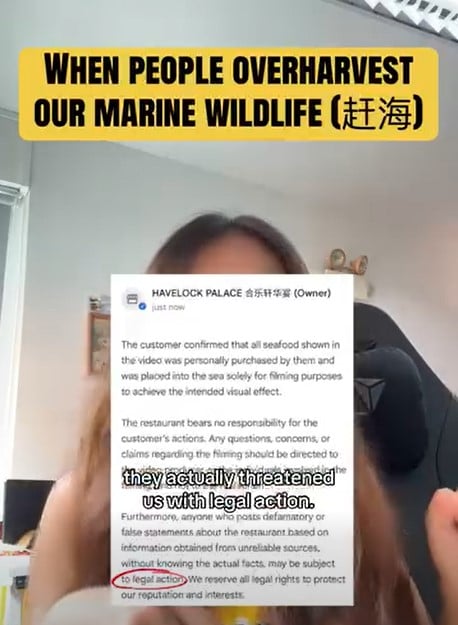
Source: Just Keep Thinking on Facebook
MP criticised foraging as ‘deplorable’
The restaurant’s apology came almost two weeks after Pasir Ris-Changi GRC MP Valerie Lee criticised the actions of the foraging group, describing them as “deplorable” and “a complete lack of respect”.
She urged people to call out the actions of those who treat our intertidal life like “a free buffet” and called for the National Parks Board (NParks) to step up patrols to protect Singapore’s most vulnerable ecosystems.
In response to queries from MS News, NParks sought the understanding of the public to protect Singapore’s intertidal biodiversity, saying that collecting animals from intertidal zones is restricted if they are under NParks’ jurisdiction.
However, as the Changi area is not under NParks’ jurisdiction, online advisories, physical signs and increased patrols strive to educate visitors on responsible etiquette.
No regulations against serving wild-foraged seafood
Meanwhile, the Singapore Food Agency (SFA) told MS News that there are no regulations prohibiting food businesses from preparing wild-foraged seafood or other ingredients supplied by customers.
Despite this, businesses must ensure that food prepared on their premises are fit for human consumption and handled under sanitary conditions, in accordance with the Sale of Food Act and the Environmental Public Health (Food Hygiene) Regulations.
“Food businesses that accept wild-foraged catch brought in by customers must exercise caution and due diligence to ensure that the ingredients do not pose any food safety risks,” it said.
SFA added that wild marine life taken from public shores may carry higher food safety risks.
Also read: What the Changi Beach foraging controversy tells us about S’pore’s marine laws
What the Changi Beach foraging controversy tells us about S’pore’s marine laws
Have news you must share? Get in touch with us via email at news@mustsharenews.com.
Featured image adapted from Havelock Palace Restaurant 合乐轩华宴 on Facebook and UnderstandingTurkey7186 via Complaint Singapore on Facebook.