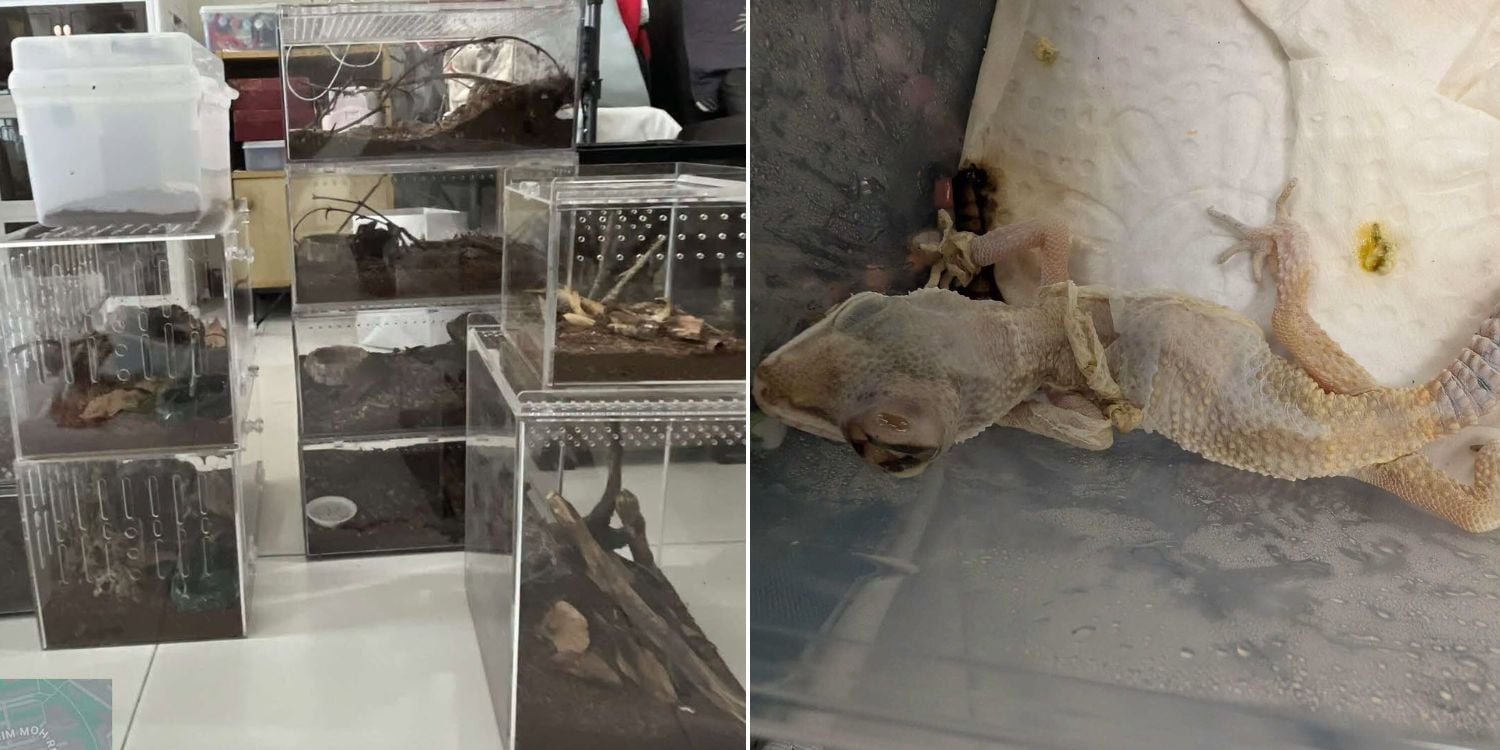

NParks seizes non-native wildlife specimens that are not allowed to be sold or kept as pets
The National Parks Board (NParks) seized a total of 101 illegally kept wild animals during raids conducted at residential premises across Singapore.
13 of the animals were found dead, while one more had to be euthanised, said NParks in a news release on Wednesday (16 Sept).
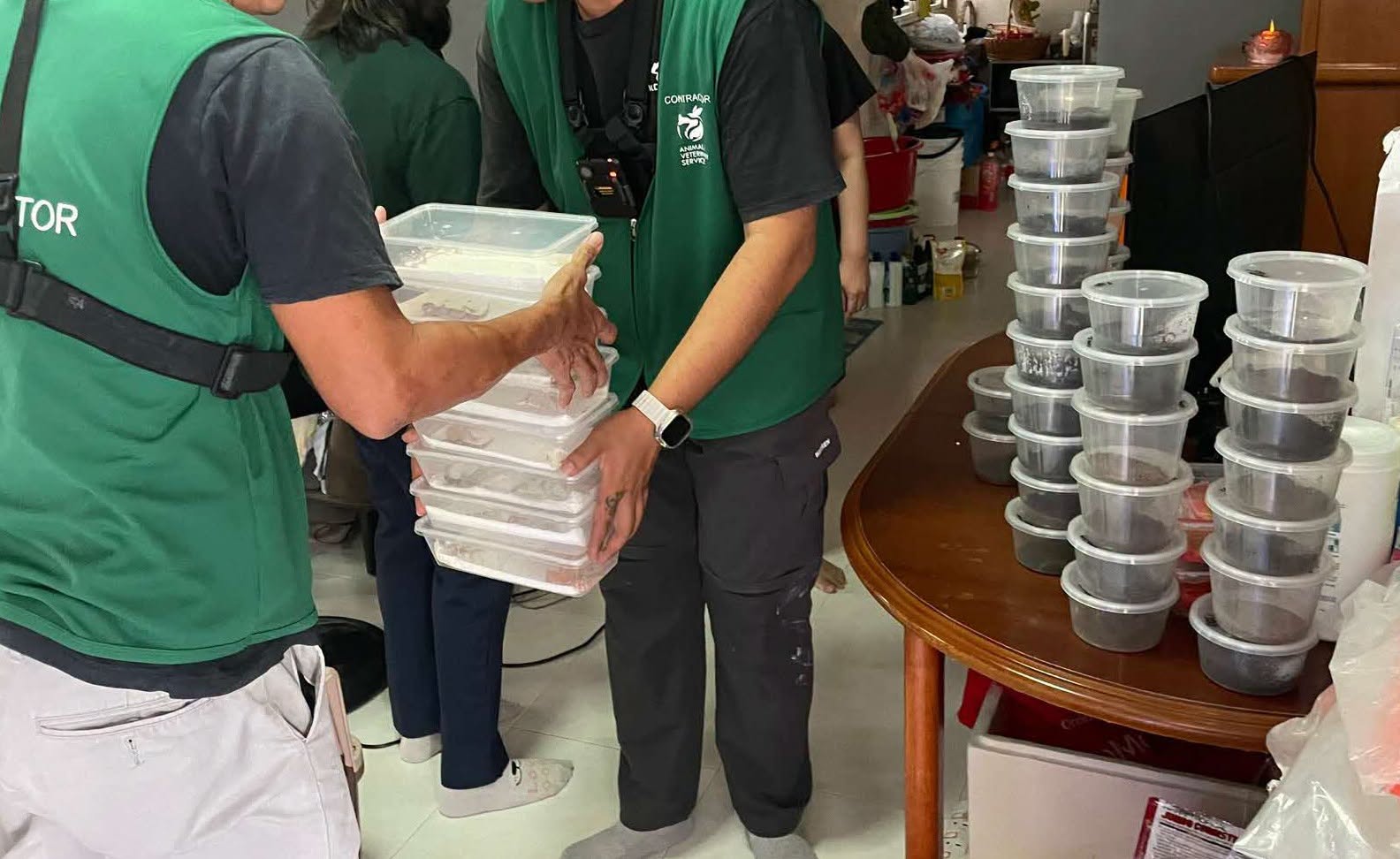
Source: NParks on Facebook
NParks seizes one of its largest hauls of illegally kept wildlife
The coordinated raids were conducted simultaneously at residential premises on Monday (14 Sept), NParks said.
They belonged to six individuals who are believed to be involved in the sale of wildlife species and/or have illegally kept wildlife.
101 wildlife specimens were seized — one of NParks’ largest seizures of illegally kept wildlife in recent years, it added.
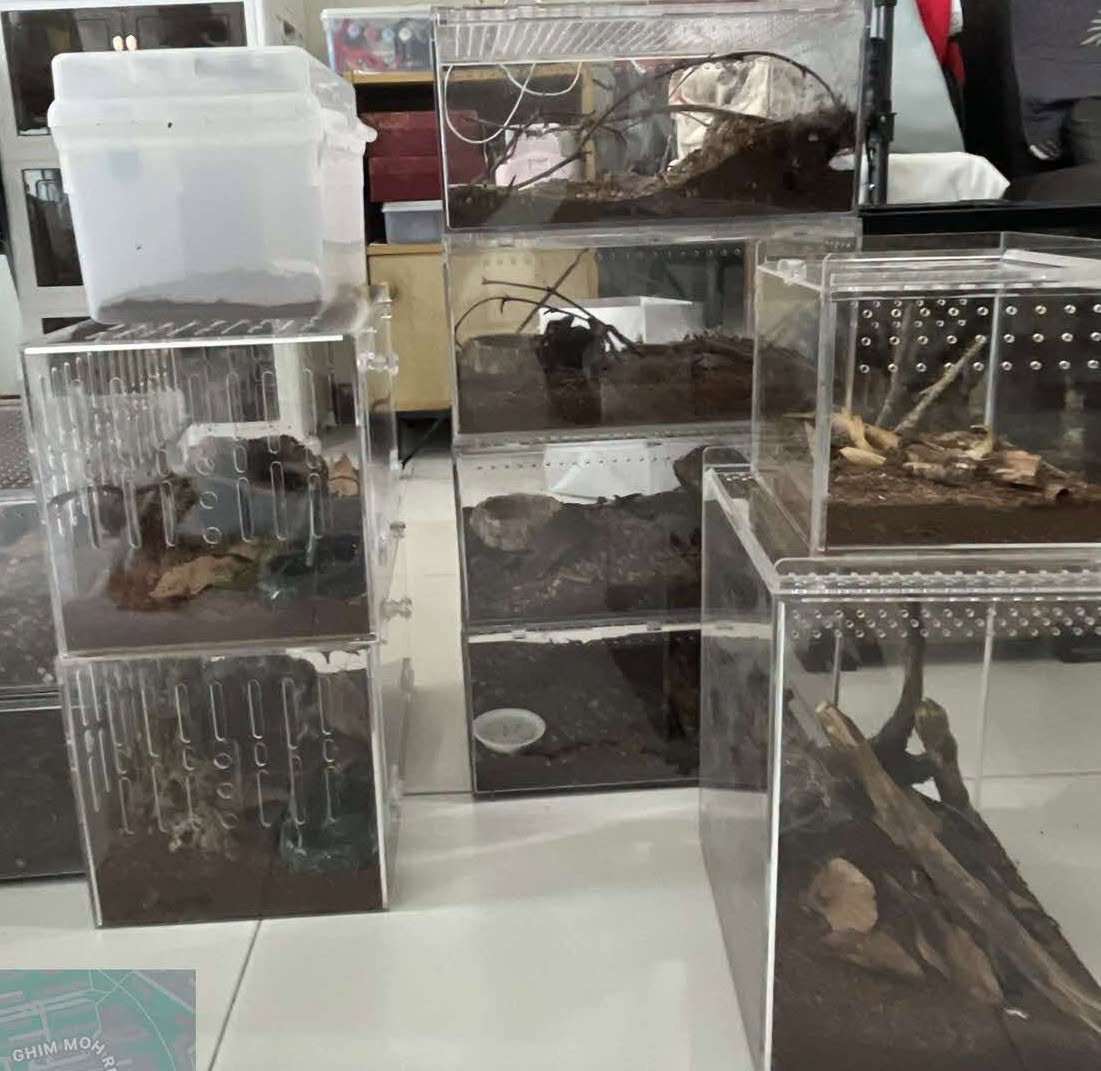
Source: NParks on Facebook
The six individuals are under investigation for the suspected illegal sale and possession of wildlife.
Wildlife seized included protected species
Some of the wildlife seized included lizards, newts, pythons, tarantulas and turtles — all non-native species that are not allowed to be sold, offered for sale, or kept as pets in Singapore.
Several of them are also protected under the Convention on International Trade in Endangered Species of Wild Fauna and Flora (CITES), for example the Armadillo Girdled Lizard (Ouroborus cataphractus), Axolotl (Ambystoma mexicanum) and Ball Python (Python regius).
They are listed either in CITES Appendix II (may be threatened with extinction if trade is not regulated) or Appendix III (protected under the domestic law of a CITES party and requires a CITES export permit or a Certificate of Origin for import).
Animals kept in poor conditions, 13 found dead & 1 euthanised
Worse still, many of the animals were found in poor and unsuitable living conditions, such as poorly ventilated containers with insufficient space, food and water.
13 were found dead, possibly due to this reason, NParks said.
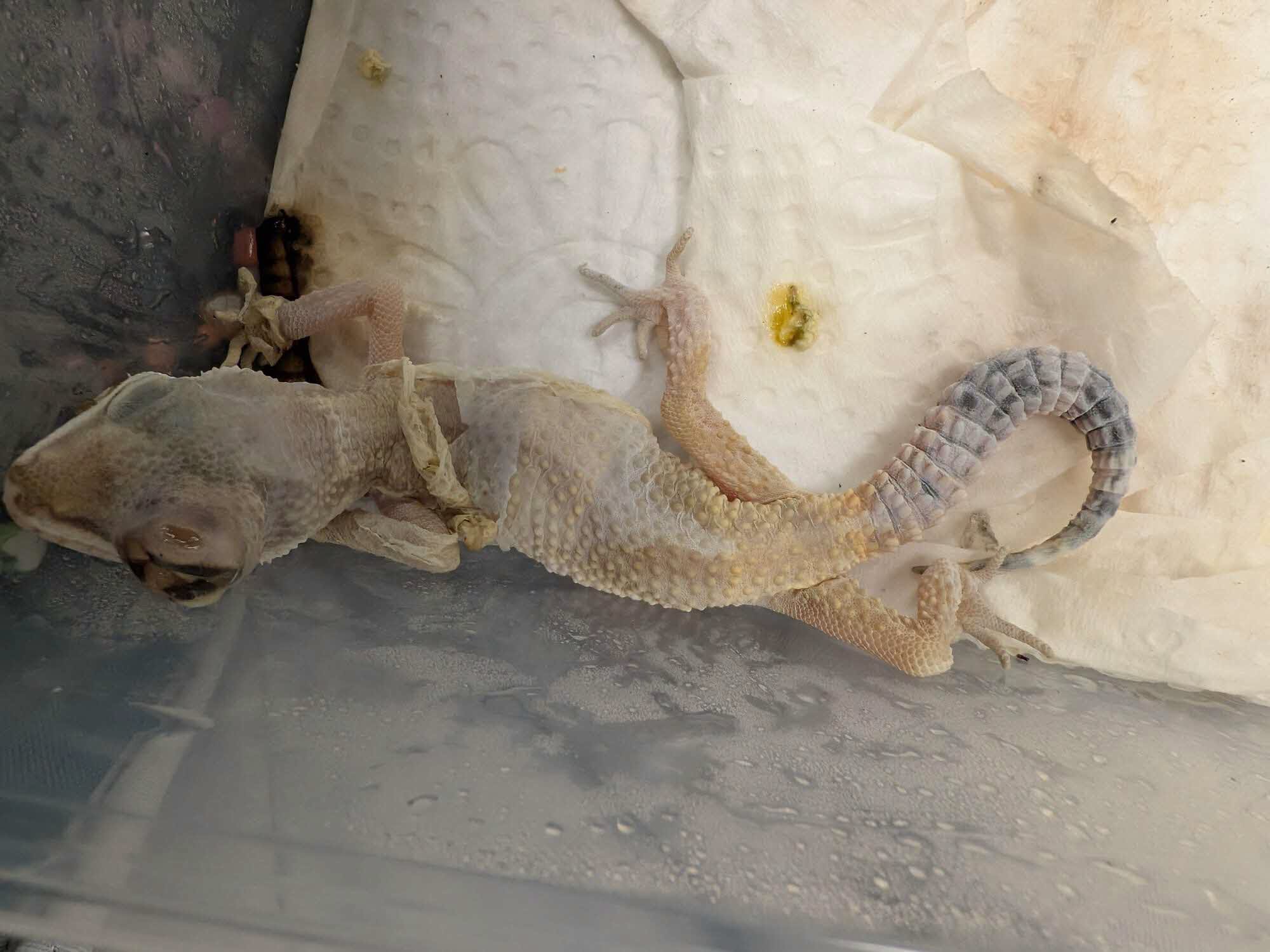
Many of the animals were also in poor health, for example a leopard gecko that suffered from a ruptured and infected eye and had lost the ability to shed its skin fully.
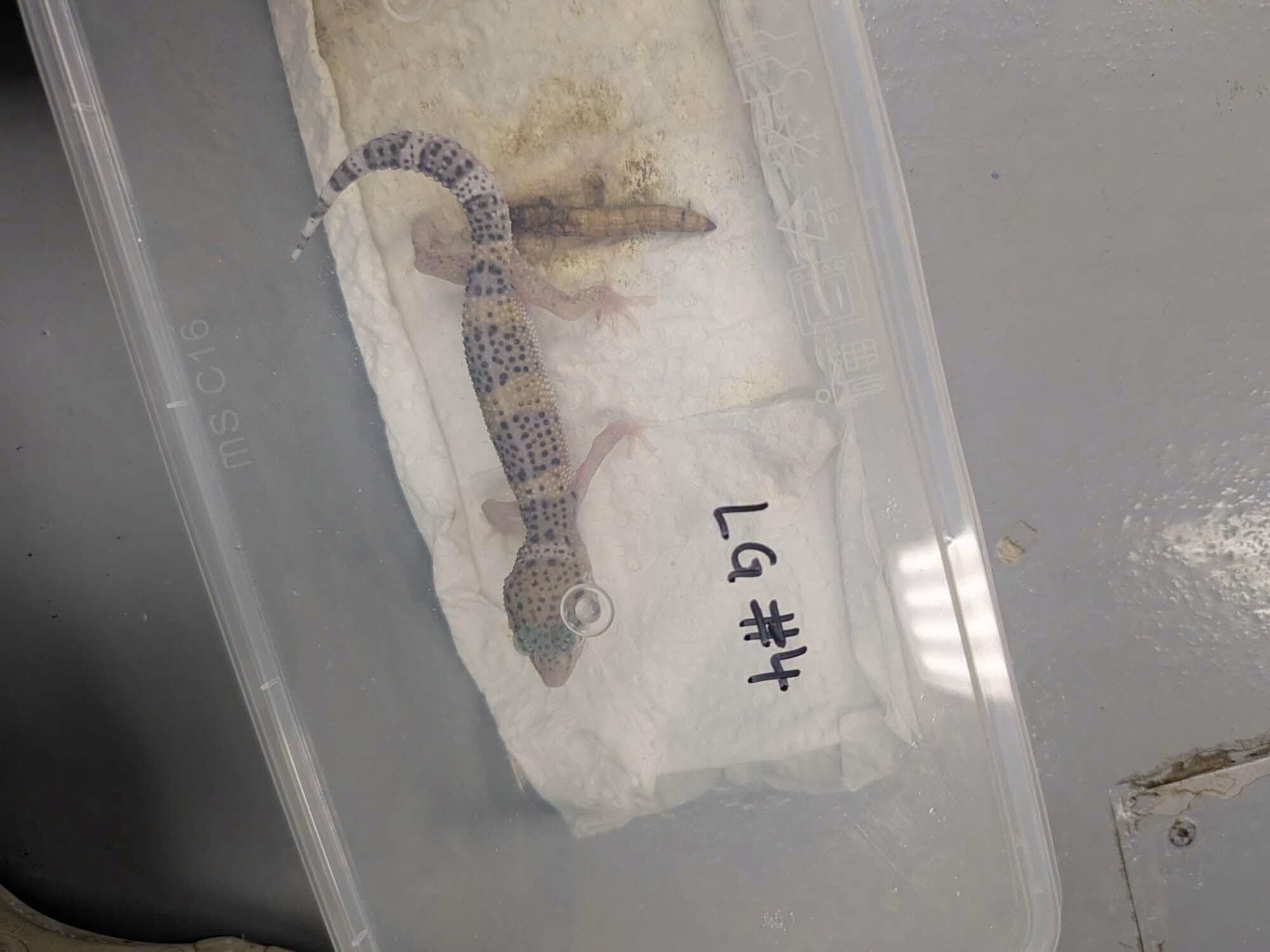
Source: NParks on Facebook
“These conditions are highly indicative of a long period of time captive under poor conditions,” NParks noted.
A few other leopard geckos and axolotls were found to be “very lethargic” and in poor body condition, NParks maintained.
This meant that one leopard gecko had to be euthanised on animal welfare grounds.
Source: NParks on Facebook
Wildlife being cared for by NParks
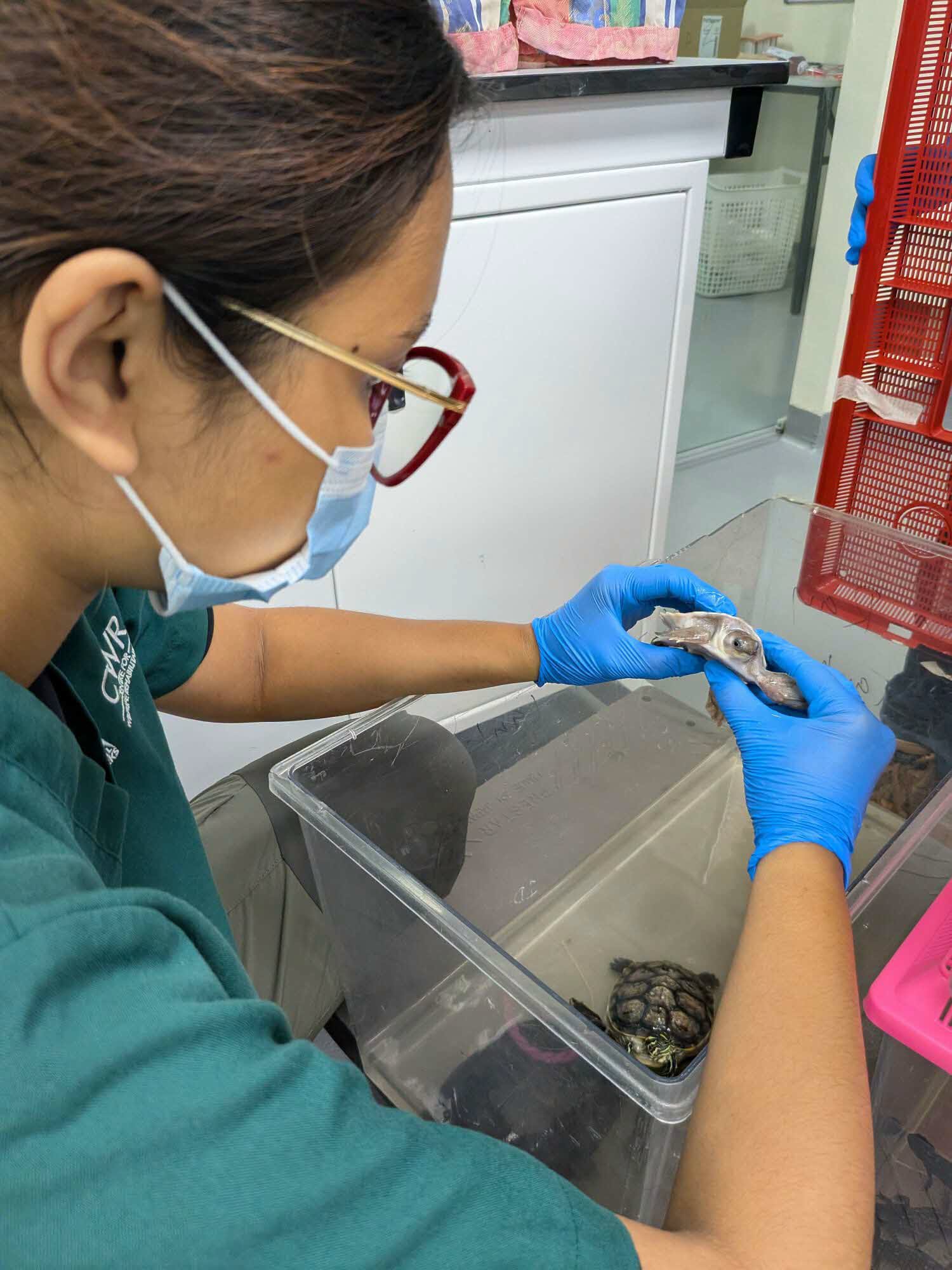
The surviving wildlife were taken to NParks’ Centre for Wildlife Rehabilitation for care and housing.
Source: NParks on Facebook
There, veterinarians assessed the health condition of each animal to determine the urgency of their conditions.
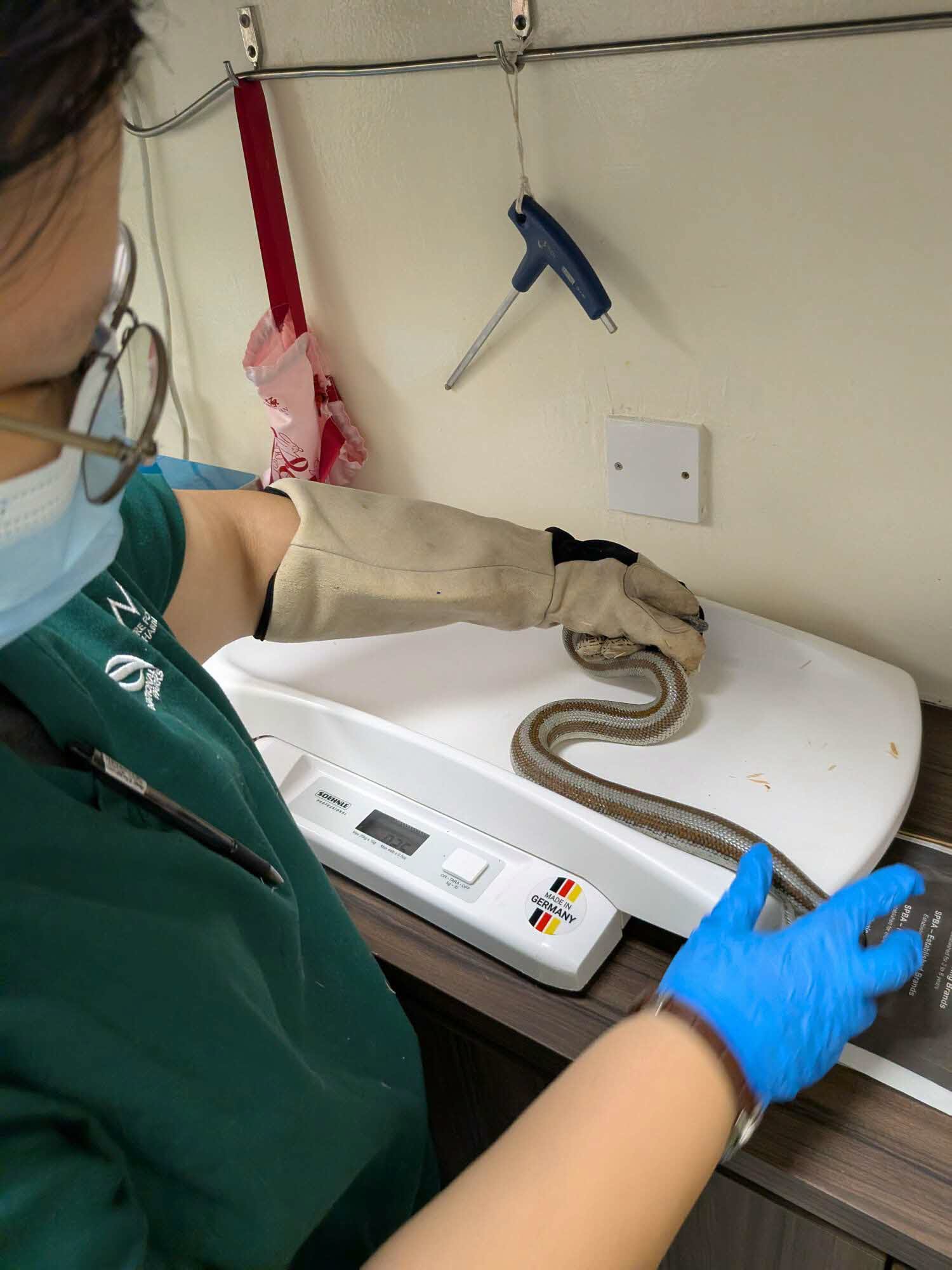
A Rosy Boa’s (Lichanura trivirgata) being weighed. Source: NParks on Facebook
The animals must also undergo a mandatory quarantine period, as they come from unknown sources and may harbour diseases that can infect other animals and humans.
After their quarantine, they will be assessed for their suitability for repatriation or donation to animal establishments.
As a last resort, they may be euthanised.
Illegal wildlife trade threatens animal welfare & public health: NParks
The illegal wildlife trade poses “serious risks” to animal welfare and public health, NParks said.
Non-native species can become invasive when they reproduce and thrive locally, potentially threatening the survival of native biodiversity by competing for resources and upsetting the ecological balance.
Smuggled animals may also carry infectious and contagious diseases that may threaten native wildlife, as well as humans and their pets, NParks explained.
The animals are also often kept and transported in poor conditions, and sometimes heavily sedated. Even if they survive, they may have to be euthanised on welfare grounds due to poor health or injury.
Zero-tolerance approach towards illegal wildlife trade
Thus, NParks adopts a zero-tolerance approach towards the illegal wildlife trade, it maintained, adding:
Every purchase of an illegally kept animal fuels a cycle of smuggling and welfare concerns and puts our biodiversity and public health at risk.
Under the Wildlife Act, those who offer for sale, sell or export any wildlife or part of wildlife without permission may be jailed for up to two years and/or fined up to S$50,000.
Those who import any living wildlife into Singapore without permission may be jailed for up to a year and/or fined up to S$10,000.
NParks urged the public to adopt pets from animal groups or purchase them from licensed pet shops to avoid fuelling the illegal wildlife trade. Buyers who abet the illicit import of their pets into Singapore may be prosecuted.
Members of the public with information on the above offence can contact NParks at www.avs.gov.sg/feedback or call its Animal Response Centre at 1800-476-1600.
Have news you must share? Get in touch with us via email at news@mustsharenews.com.
Featured image adapted from NParks on Facebook.