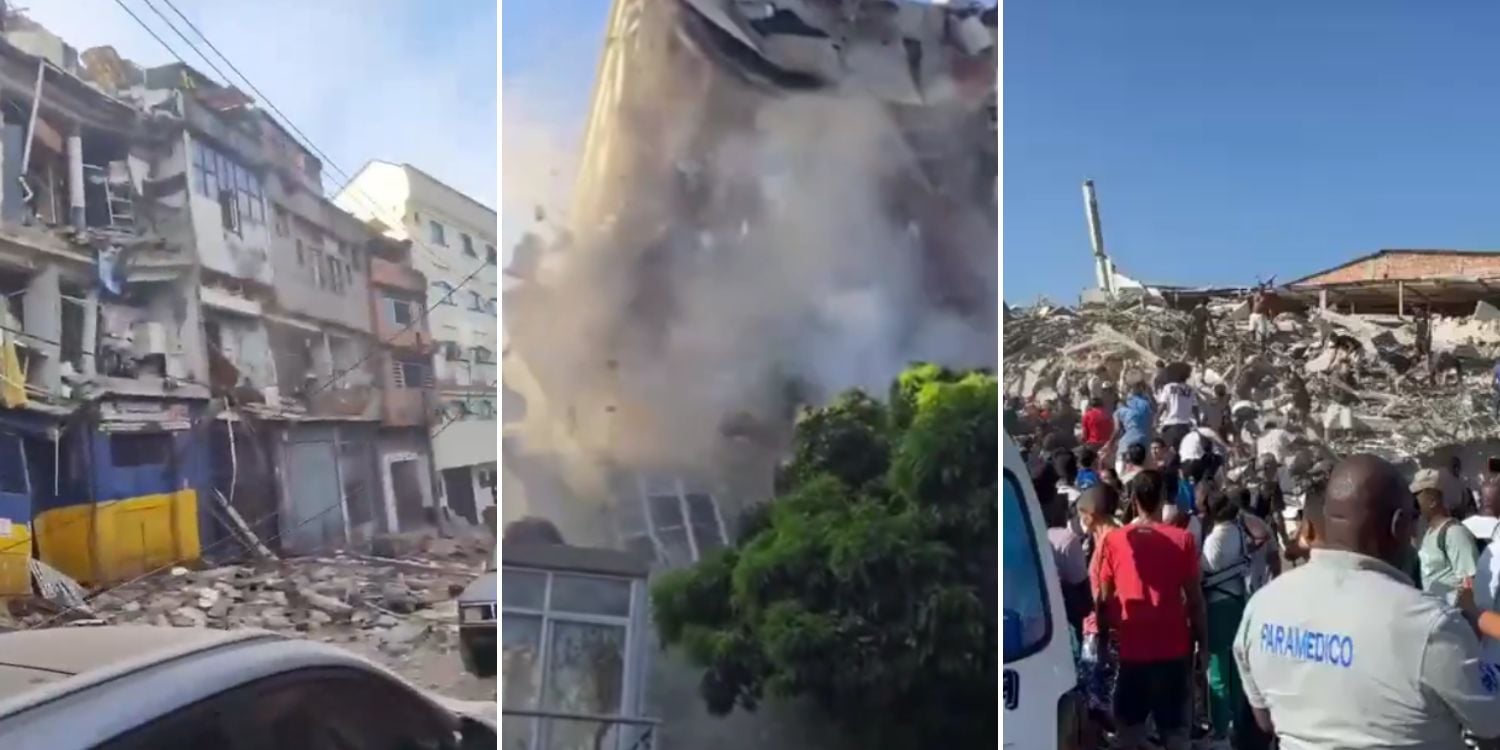

At least 132 dead after Colombia’s strongest earthquake in decades
At least 132 people have died and more than 570 others have been injured after a powerful 7.4-magnitude earthquake struck Colombia on Monday (10 Aug).
Thousands have also been reported missing as families search for loved ones and rescue teams comb through collapsed buildings in some of the worst-hit areas.
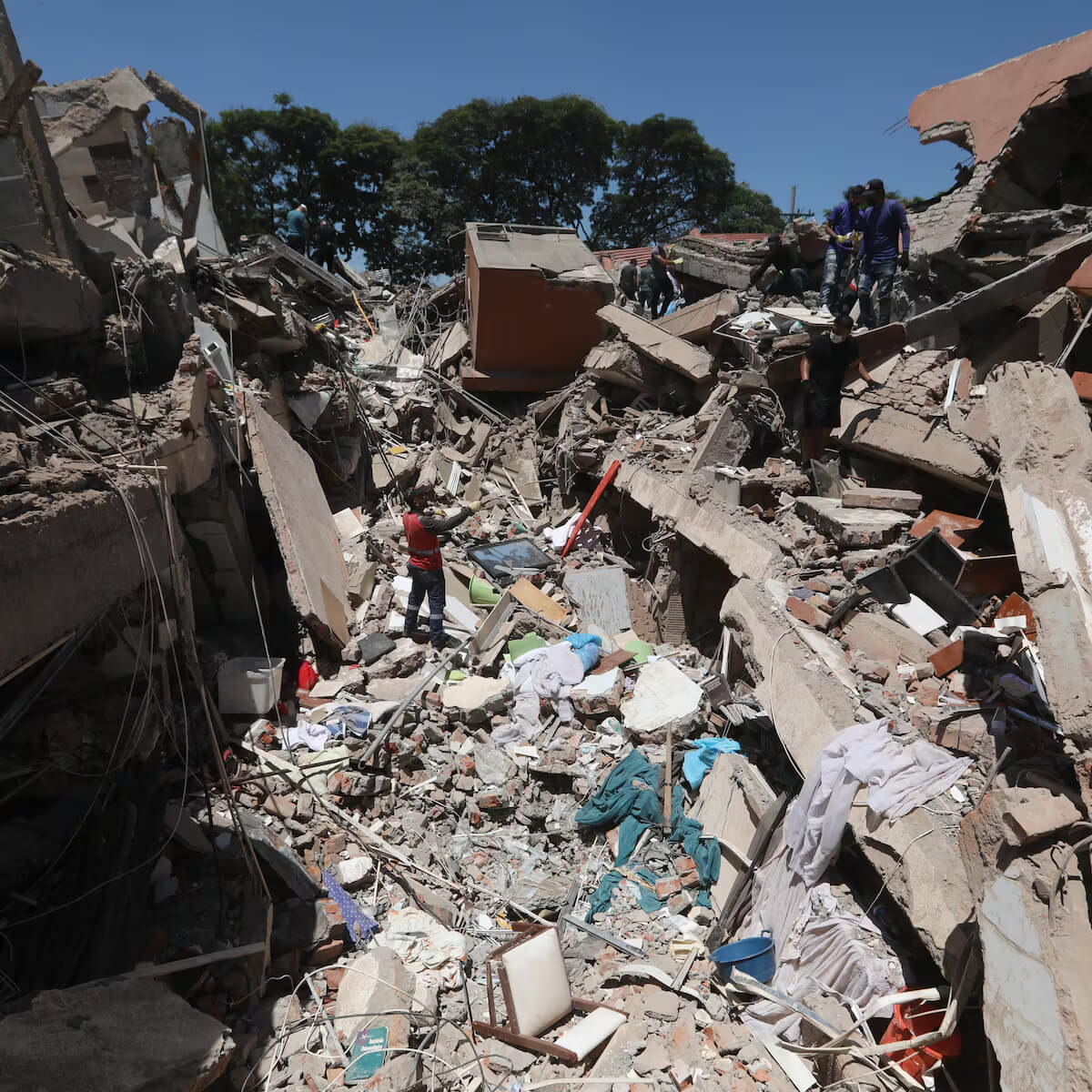
Source: El País
By Monday night, more than 2,700 people had been reported missing through citizen-run websites.
The quake was felt as far away as Bogotá, prompting residents to evacuate buildings in the capital, as well as in neighbouring Ecuador and Panama.
Authorities have warned that casualty figures remain preliminary, with damaged roads and disrupted communications complicating efforts to reach some affected areas.
The quake was Colombia’s strongest by magnitude since 1979, according to El País, citing data from the US Geological Survey (USGS).
Quake’s epicentre near San José del Palmar
The earthquake struck at about 7.34am local time, with its epicentre near San José del Palmar in the western department of Chocó, around 400km west of Bogotá.
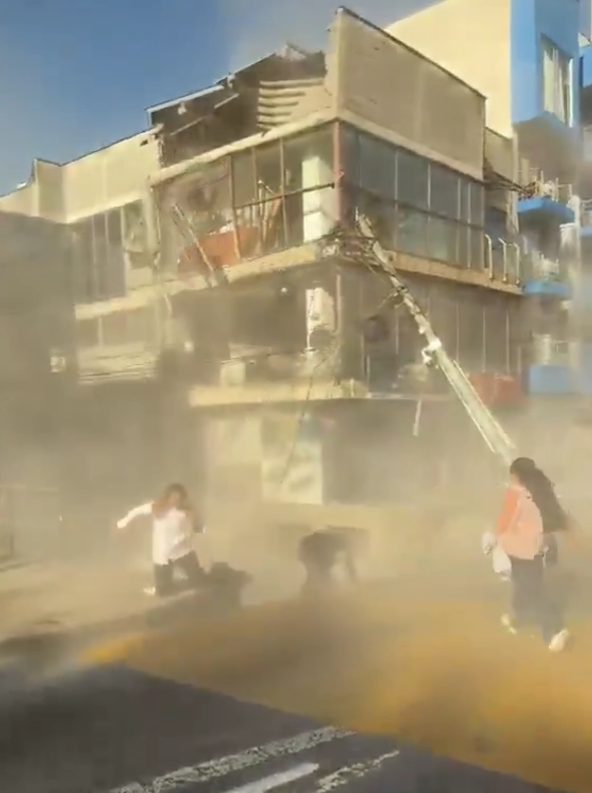
Source: @StrandenOSINT on X
Estimates of its depth vary slightly by agency. The Colombian Geological Service placed it at around 82km deep, while the USGS recorded a depth of 107km.
The tremors were felt across much of western and central Colombia, as well as parts of Ecuador and Panama.
At least 21 aftershocks were reported in the hours after the initial quake.
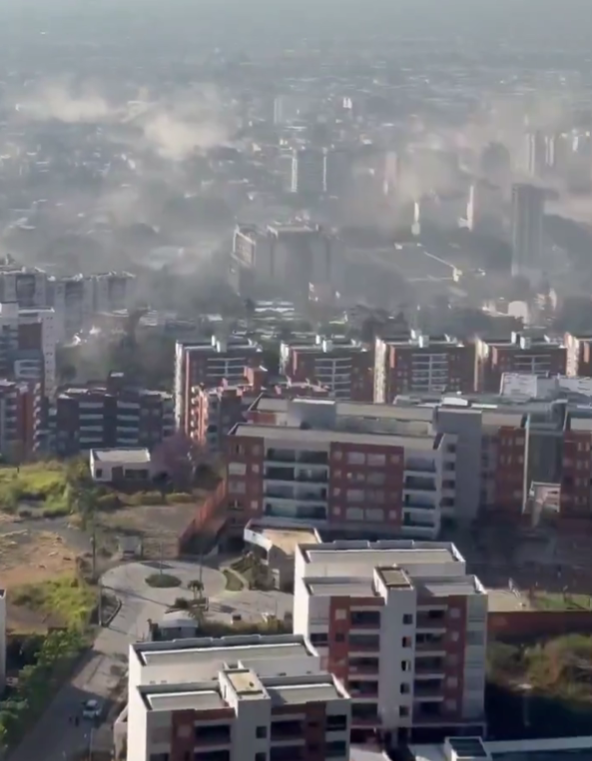
Pereira, the capital of Risaralda, was among the cities hardest hit by the disaster.
The Colombian Association of Capital Cities said at least 60 deaths had been recorded there as of Monday evening, giving Pereira the highest reported death toll at the time.
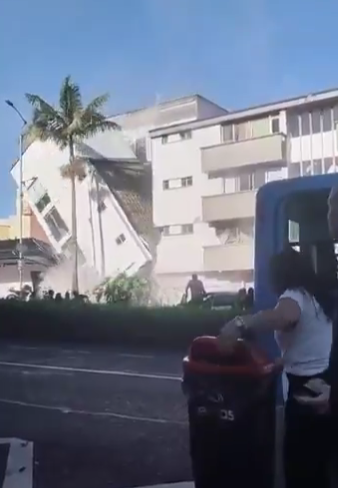
Source: @AlertaMundoNews on X
Authorities also reported that 16 people were trapped in the city’s Megacable public cable car system, while emergency crews worked across 15 critical sites.
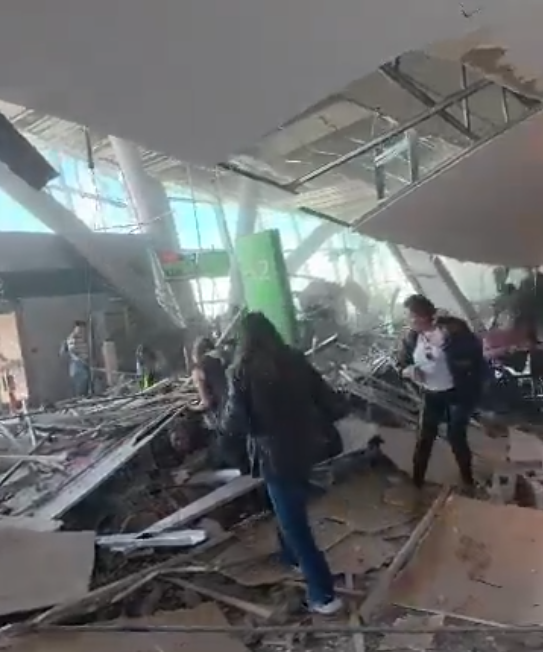
Matecaña International Airport was also closed after sustaining damage.
Homes, hospitals, and schools damaged
Preliminary government figures showed that at least 1,575 homes had been damaged nationwide, including 37 that were completely destroyed.
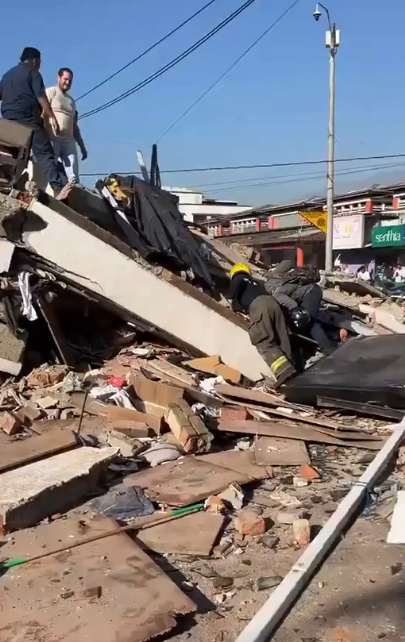
Another 61 residential and commercial buildings had collapsed.
Source: @Jupacg on X
Damage was reported across cities including Cali, Manizales, Quibdó, and Armenia, with Cali among the worst affected.
By Monday night, President Abelardo de la Espriella said 35 people had died and about 700 had been injured in Cali alone.
He added that more than 5,000 homes and 39 schools had been affected, while three hospitals had completely collapsed.
One badly affected facility was Hospital Universitario del Valle (HUV), a major hospital in southwestern Colombia.
Terrifying video: University Hospital collapses in Colombia 🇨🇴 after massive 7.4 earthquake pic.twitter.com/B48ZrqPrq5
— TaraBull (@TaraBull) August 10, 2026
Three floors in one of its blocks, housing paediatrics, internal medicine, and part of the neonatal unit, collapsed, forcing more than 600 patients to be moved to the hospital’s gardens and other safe areas.
The hospital was placed on red alert as emergency crews searched for trapped patients and staff carried out further evacuations.
Transport networks disrupted, thousands reported missing
Manizales also suffered major structural damage, including the collapse of part of a tower at the city’s historic cathedral.
Across the country, preliminary government figures showed that 52 educational facilities and 18 major roads had been affected.
Source: @aviationbrk on X
Seven airports, including those serving Cali, Pereira, Manizales, Quibdó, Armenia, Cartago, and Buenaventura, were also affected, with commercial operations suspended while authorities carried out safety inspections.
As families searched for missing relatives, many turned to online databases and social media for information.
By Monday night, more than 2,700 people had been listed as missing on citizen-run websites.
Separately, President De la Espriella said 188 people were officially reported missing in Cali.
National disaster declared as rescue operations continue
President De la Espriella, who took office just three days before the earthquake on Friday (7 Aug), declared a national disaster and activated a Unified Command Post through the National Unit for Disaster Risk Management (UNGRD).
The government mobilised military personnel, police, engineers, rescuers, search dogs, heavy machinery, and other emergency resources to affected areas.
Source: @karmagawa on X
In Cali, Mayor Alejandro Éder declared a public calamity and imposed a curfew from 8pm on Monday to 6am on Tuesday to facilitate emergency operations and maintain public order.
Military presence was also stepped up in two of the hardest-hit districts, while 92 additional specialist rescuers were set to arrive following a request for national assistance.
Bogotá, meanwhile, reported no widespread major structural damage, although some buildings were evacuated as a precaution.
Authorities in Pereira also imposed a curfew in parts of the city from 6pm to 5am, with Mayor Mauricio Salazar saying the measure would help protect businesses and keep routes clear for emergency vehicles.
Full extent of damage still emerging as international aid arrives
In El Cairo, a town near the quake’s epicentre, local authorities estimated that around 80% of buildings had been damaged.
Search-and-rescue efforts are continuing across affected areas, particularly where collapsed structures, damaged roads, and disrupted communications have made access difficult.
Officials have warned that the full scale of the destruction is still being assessed, with more damage likely to emerge as teams reach harder-hit locations.
As Colombia continues rescue and recovery work, the US State Department announced that the Trump administration would provide US$15.5 million (around S$20 million) in emergency assistance following the earthquake.
According to the State Department, the funding will support emergency shelter, food, protection efforts, and earthquake assessments as Colombian authorities determine needs on the ground.
The United Nations (UN) and several countries, including Switzerland, France, Israel, Ecuador, Guatemala, El Salvador, and Chile, have also expressed solidarity with Colombia and offered support.
Also read: At least 1 dead, tsunami warnings issued after 7.8 magnitude earthquake in southern Philippines
At least 1 dead, tsunami warnings issued after 7.8 magnitude earthquake in southern Philippines
Have news you must share? Get in touch with us via email at news@mustsharenews.com.
Featured image adapted from @volcaholic1 on X, @TaraBull on X, and @haberfilesi on X.