
Singapore pursues clean energy transition to cut emissions
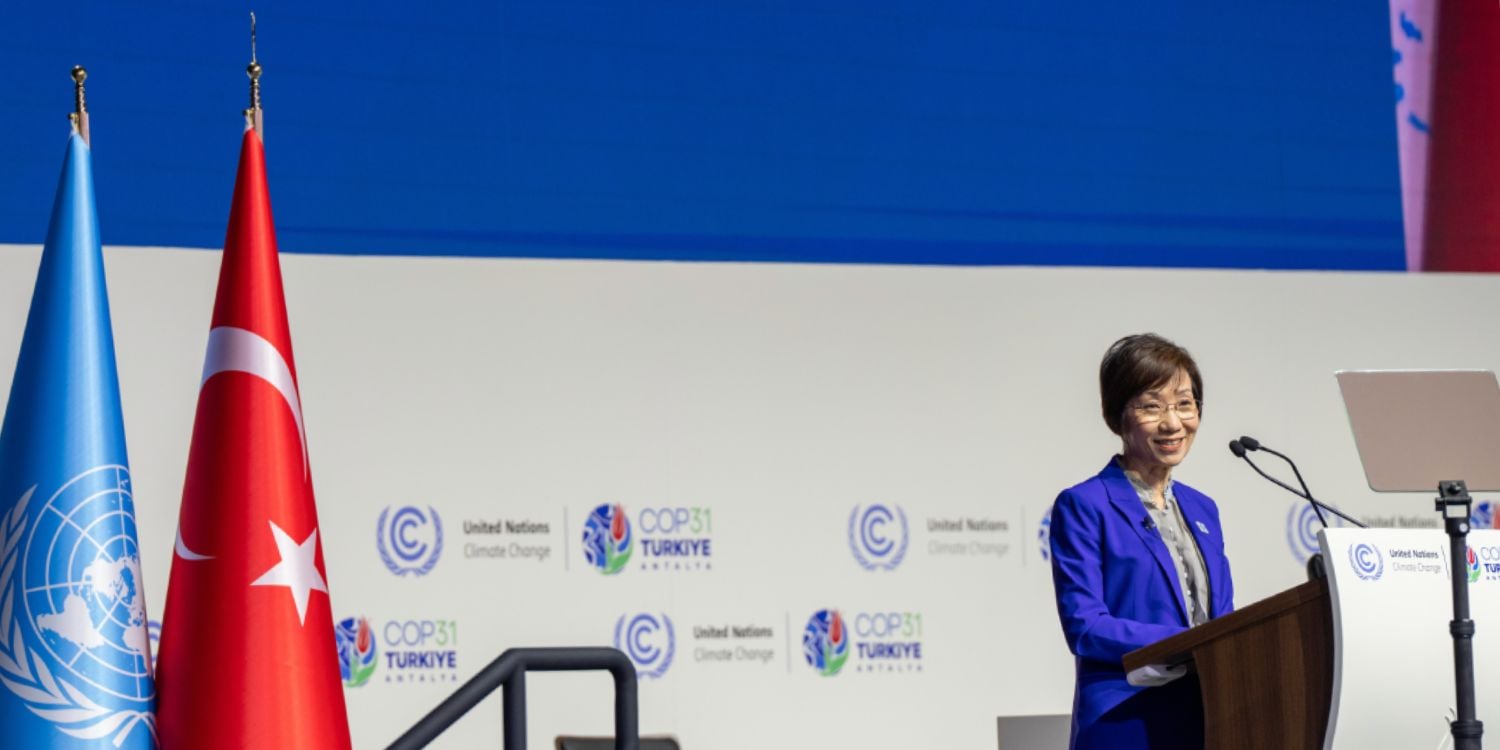
Singapore will focus on solar power and biomethane to decarbonise its energy supply in the foreseeable future, Minister for Sustainability and the Environment Grace Fu announced.
She delivered Singapore’s National Statement at the UNFCCC COP31 High-Level Segment in Antalya, Türkiye, on Tuesday (17 Nov).
Despite being an alternative-energy-disadvantaged country, Ms Fu promises that Singapore will remain committed to mitigating climate change.
Ms Fu outlined Singapore’s multifaceted strategy to secure cleaner energy sources across near, medium, and long-term horizons.
Nation raises solar targets & tests biomethane sandbox
In the near term, limited land area makes solar energy Singapore’s most viable domestic renewable source.

Source: PUB
After achieving its 2 gigawatt-peak (GWp) goal ahead of schedule, Singapore raised its target to 3 GWp by 2030.
It now aims to achieve 4 GWp of solar capacity by 2035.
For the medium term, Singapore is exploring biomethane as a promising low-carbon fuel.
The Government is rolling out a regulatory sandbox of up to 300 megawatts (MW) to build the biomethane supply chain.
This capacity can meet the energy needs of about 600,000 households living in public flats.
Long-term exploration into nuclear & geothermal power
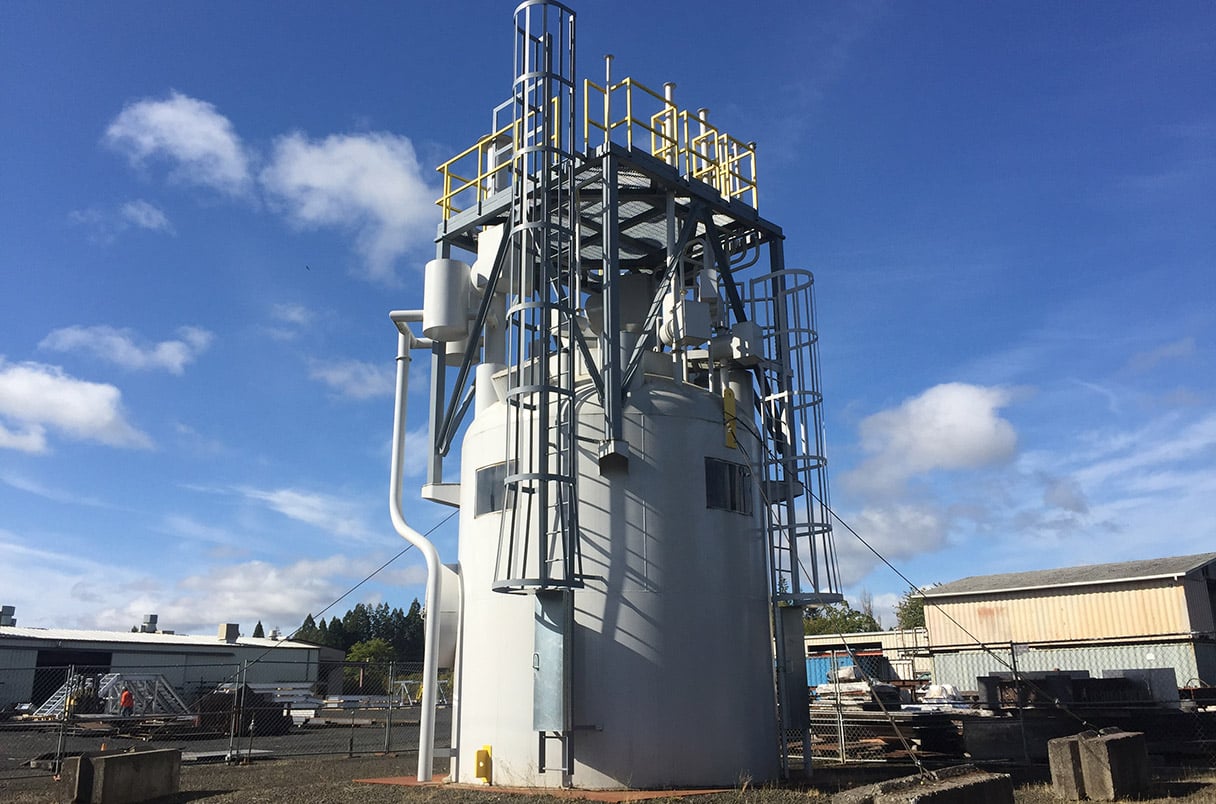
Looking further ahead, Singapore is assessing emerging low-carbon technologies, including nuclear and geothermal energy.
“We are building up capabilities to assess the feasibility of deploying nuclear energy and will undertake the International Atomic Energy Agency’s Integrated Nuclear Infrastructure Review (INIR) Phase 1 Mission in 2027,” Ms Fu said.
The independent review will evaluate Singapore’s ability to make informed decisions on deploying nuclear energy.
Source: Science
Additionally, preliminary surveys indicate significant potential for geothermal power generation beneath Singapore.

Source: NParks
Initial findings suggest Singapore’s technical geothermal potential exceeds 60 times its annual electricity demand.
However, engineering hurdles and safety considerations require further feasibility studies before adopting next-generation plants.
Economy-wide measures & carbon tax hike support net zero
Beyond energy generation, Singapore continues to implement economy-wide decarbonisation measures.
Earlier this year, the Government raised the domestic carbon tax from S$25 to S$45 per tonne of emissions.
Authorities plan to raise this figure to between S$50 and S$80 per tonne by 2030.
Furthermore, the state will invest S$800 million over five years under the Decarbonisation Grand Challenge.
The initiative funds research into hydrogen, energy efficiency, carbon capture, and power grid modernisation.
Singapore also continues greening its transport network, pursuing a vision of 100% cleaner energy vehicles by 2040.
Singapore to release first National Adaptation Plan in 2027
Alongside emission reductions, Singapore is actively preparing for the escalating impacts of climate change.
The country will publish its first National Adaptation Plan in 2027 to guide long-term resilience strategies.
The comprehensive framework will review national readiness across coastal defence, flood safety, urban heat, and food supply.
Continued global climate action
Concluding her address, Ms Fu called for pragmatic global partnerships to translate climate pledges into concrete action.
She reiterated that Singapore would continue to strive to meet climate commitments.
We will continue to enhance our domestic efforts, work with regional partners and contribute internationally to achieve our common collective goal of combating climate change.
Also read: Indonesia cuts natural gas exports to S’pore by 9% after minister warns ‘disrespectful’ countries
Indonesia cuts natural gas exports to S’pore by 9% after minister warns ‘disrespectful’ countries
Have news you must share? Get in touch with us via email at news@mustsharenews.com.
Featured image adapted from Grace Fu on Facebook.