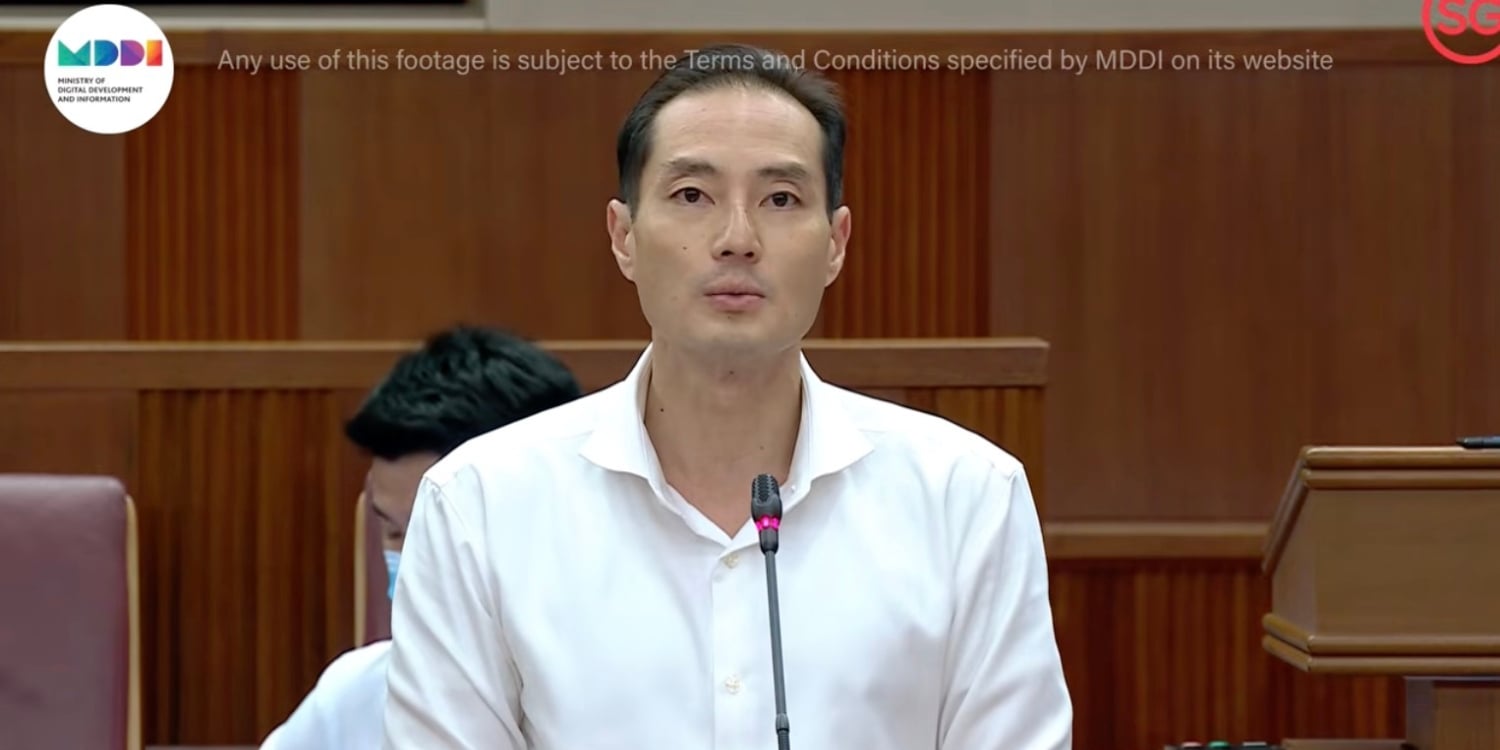

Senior Minister of State for Health addresses healthcare IT outage
On Tuesday (3 Nov), Senior Minister of State for Health Tan Kiat How apologised in Parliament for the public healthcare IT outage that occurred on 13 Oct.
The outage created a disruption lasting more than nine and a half hours across Singapore’s three public healthcare clusters — NHG Health, the National University Health System (NUHS) and SingHealth.
This affected services including appointment bookings, visitor registration, medication dispensing and billing.
Not a cyberattack
Mr Tan said further investigation revealed that the disruption was not a cyberattack.
No unauthorised access led to the compromise or loss of patient data.
Furthermore, no adverse patient-safety incidents were attributed to the disruption.
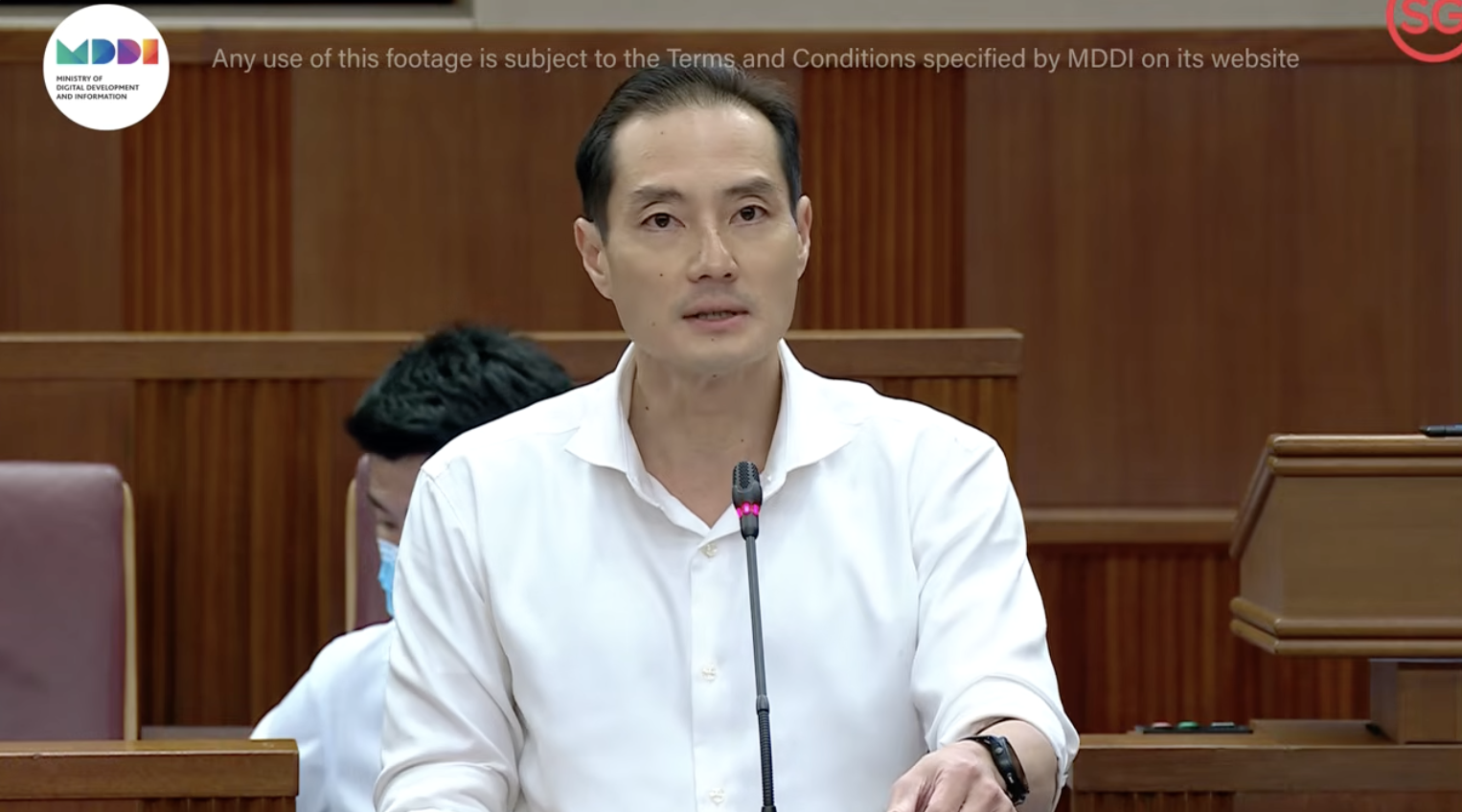
Source: MDDI Singapore on YouTube
However, about 4,000 outpatient appointments were rescheduled as healthcare institutions activated downtime procedures in response.
Some patients also reported experiencing delays of up to two hours.
Additional staff supported operations and clinicians by using selected read-only patient records and manual workflows to continue essential care.
“A preventable lapse”: Synapxe to take action and accountability
Mr Tan shared more about the reason for the outage on 13 Oct.
The shared domain name system (DNS), which helps systems locate and connect to applications, required a security update.
National health technology agency Synapxe contracted a service provider to manage the necessary update.
However, it was not completed before a scheduled global change.
As a result, this led to the IT outage across healthcare clusters in Singapore.
Because the update was a known change, Mr Tan deemed the outage a “preventable lapse”.
He shared that Synapxe was currently reviewing the provider’s contractual obligations and will take appropriate action for any established lapses.
Mr Tan reiterated that the agency remained accountable for the resilience of their critical systems.
He also addressed the lengthy duration of the outage.
While monitoring detected abnormal activity, identifying the underlying problem and restoring services safely was a time-consuming process.
Synapxe will review such shared dependencies. They aim to strengthen alternative recovery arrangements, monitoring, and fault diagnosis to enable faster recovery in future.
Measures to strengthen resilience against future outages
Mr Tan listed three key areas to strengthen resilience.
First, similar incidents could be prevented in future by improving the tracking and verification of critical technical changes.
Secondly, containment could be achieved by addressing shared dependencies and improving recovery arrangements.
And lastly, continuity of care could be ensured by improving downtime systems, staff readiness and regular exercises, including for partial outages.
Mr Tan stated that the Ministry of Health (MOH) would oversee the corrective actions and verify its effectiveness.
In addition, Synapxe has appointed an expert panel that consists of representatives from other organisations with similar engineering profiles.
The panel served to review the investigation findings and proposed remediation measures, and identify further improvements.
Mr Tan emphasised the need to adapt to the interconnected nature of digitalised healthcare systems through improving resilience.
We must make our technology more reliable while ensuring health care workers can continue caring for patients safely even when technology fails.
Have news you must share? Get in touch with us via email at news@mustsharenews.com.
Featured image adapted from MDDI Singapore on YouTube.