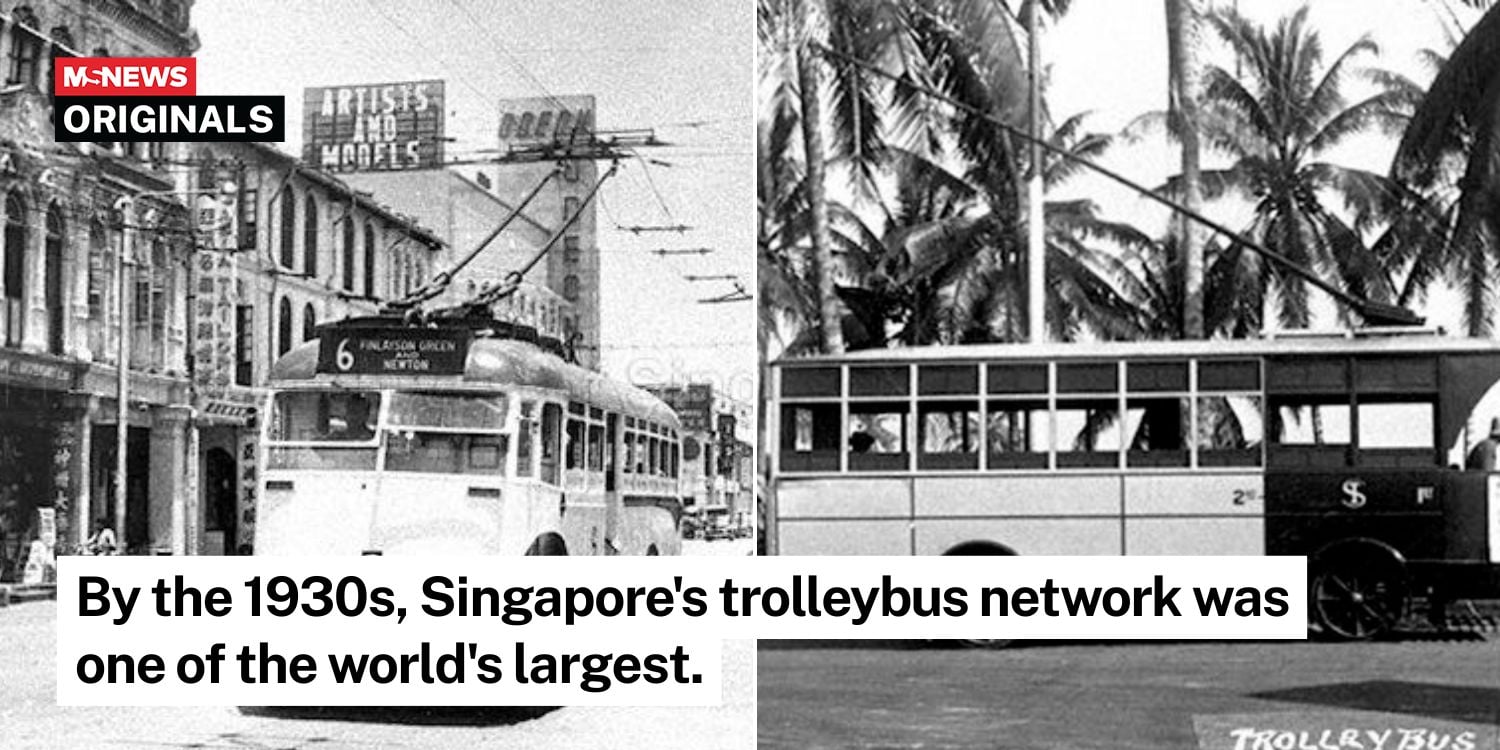

Singapore’s first fleet of electric trolleybuses began operations in 1926
Before the sleek MRT trains and the islandwide bus services, Singaporeans’ main mode of transportation was much more humble.
Over a century ago, on 14 Aug 1926, Singapore launched its first-ever trolleybus service, plying a route between Joo Chiat Road and Tanjong Pagar.
View this post on Instagram
Much has changed since that day.
Yet the trolleybus left a bigger mark on everyday life than most people realise.
Singapore needed a new, improved transport system
In the 1900s, the main mode of transport in Singapore was through an electric tram system. However, by the 1920s, the tram system began to deteriorate due to a lack of funds.
In 1922, the Shanghai Electric Construction Company took over the management of the tram system. Since the cost of rehabilitating the track was so high, they decided to replace the trams with trolleybuses.
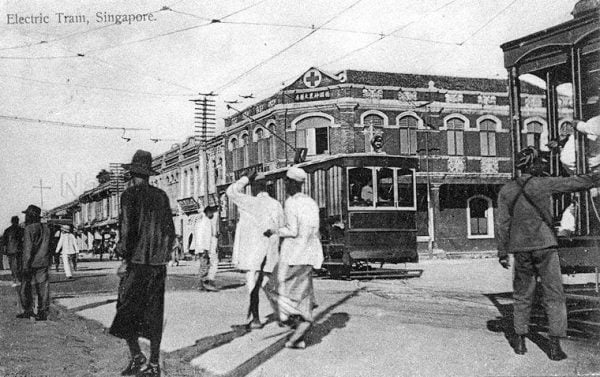
Source: National Archives Singapore
Compared with trams, the trolleybus system had cheaper infrastructure, better hill-climbing capability, and could manoeuvre through traffic more easily since it was trackless.
Thus, in Mar 1925, the Singapore Traction Company (STC) was reformed from the tram operating company, and commenced the transition to trolleybuses.
First trolleybuses launched in 1926
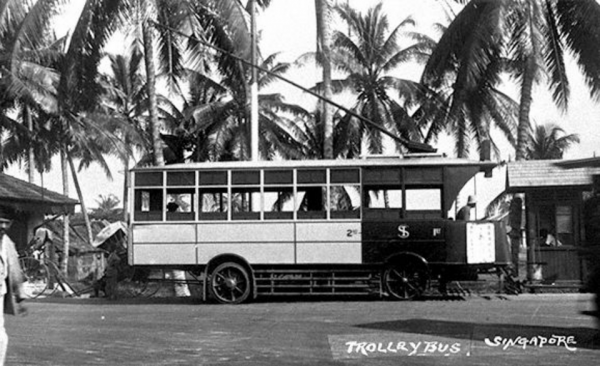
On 14 Aug 1926, the trolleybus service in Singapore commenced, with a fleet of 30 trolleybuses.
It cost S$0.10 per mile (1.6 km) for first class and S$0.05 per mile for second class.
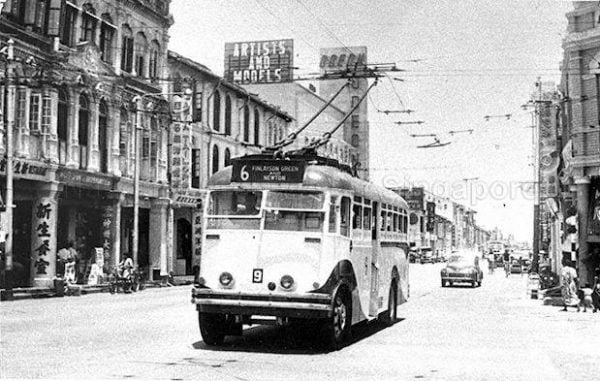
Source: National Archives Singapore
The fleet serviced 2 routes: Joo Chiat Road to Tanjong Pagar, and Upper Cross Street to Outram Road.
To inaugurate the service, an illuminated trolley also ran between Bras Basah, Geylang, and the Singapore General Hospital that evening.
By the 1930s, Singapore’s trolleybus network was one of the world’s largest, boasting nearly 40km of route and an impressive fleet of 108 buses.
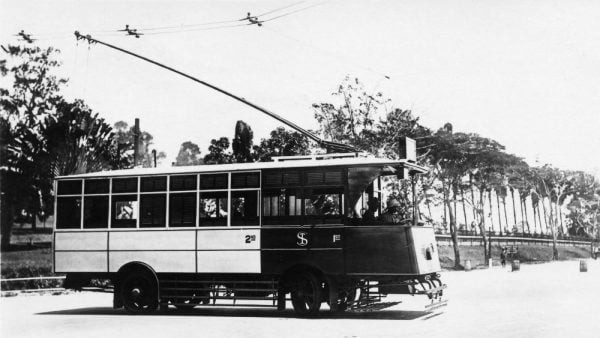
Source: Wikimedia Commons
It faced its hiccups and bumps over the years
It faced its hiccups and bumps over the years
However, the trolleybus system faced its problems soon after its introduction.
Several fatalities occurred during its service because riders were either alighting or falling from moving trolleybuses.
A Chinese teenager fell to his death from a trolleybus in 1928, prompting the STC to install inward-opening doors at the third-class exits.
Despite the hiccups, the ridership remained high. It was reported that in 1931, the network had almost 40 million riders.
Source: Wikimedia Commons
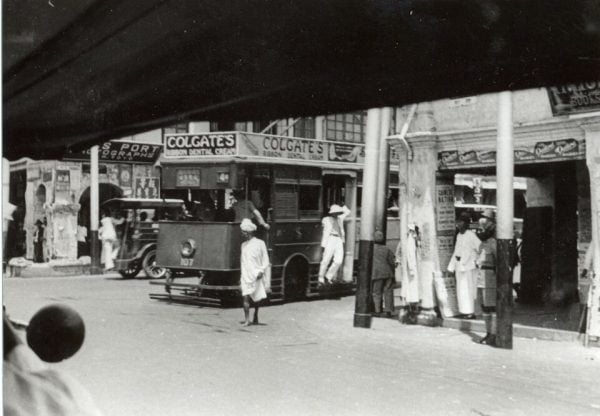
However, things changed when the Japanese arrived in World War II.
After Singapore’s surrender to the Japanese in 1942, the trolleybus operation, along with other bus companies, was combined under the management of a single bus operator.
Services were more or less back to normal by May 1942.
First-class service ended in 1943 with the introduction of new single-class trolleybuses.
Source: Wikimedia Commons
The gradual end of the trolleybuses
The gradual end of the trolleybuses
After the Japanese surrendered and Singapore returned to British rule, only 20 trolleybuses were roadworthy. Thus, passenger capacity on each bus became limited, and some routes had to be suspended.
By then, the trolleybuses also became too expensive to maintain. People complained they were “slow, noisy and unattractive”. The wires also prevented the introduction of double-decker buses in Singapore.
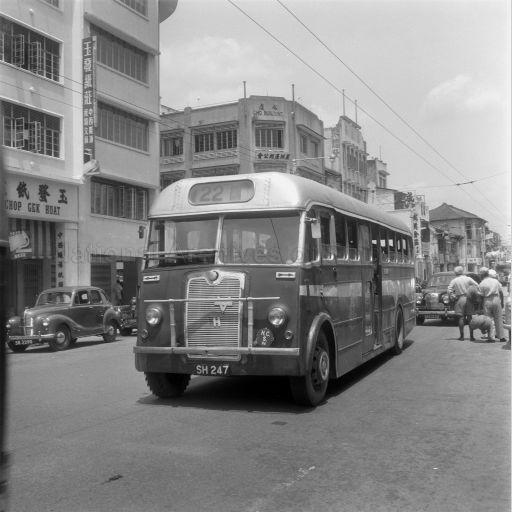
The STC gradually phased out trolleybuses by the 1960s, introducing Isuzu motorbuses from Japan to replace the trolleybuses.
Source: National Archives Singapore
At midnight on 16 Dec 1962, the last trolleybus made its final journey from Paya Lebar to Outram Road, marking the end of trolleybus service in Singapore’s transport history.
A century on, the trolleybus remains a quiet but meaningful chapter in Singapore’s story, one that paved the way for the world-class public transport network we rely on today.
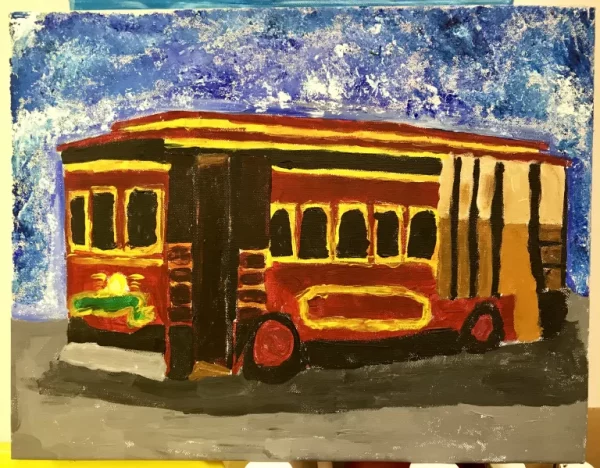
Though it’s long gone from Singapore’s streets, you can still catch a glimpse of it on local murals and at art shows.
Source: Mark Rojan from Rainbow Centre
Also read: Redditor Spots Retro Trolley Bus In Pasir Ris That Resembles A San Francisco Cable Car
Redditor Spots Retro Trolley Bus In Pasir Ris That Resembles A San Francisco Cable Car
Have news you must share? Get in touch with us via email at news@mustsharenews.com.
Featured image adapted from National Archives Singapore and Wikimedia Commons.