

Chemical castration could be considered if it’s clear it can bring down crime rates: Shanmugam
The Government is open to considering the use of chemical castration on sex offenders if it is effective, said Senior Minister K. Shanmugam.
However, the evidence has not been conclusive so far, he added in a written parliamentary reply on Tuesday (8 Sept).

Source: Kindel Media on Pexels. Photo for illustration purposes only.
Gerald Giam asks whether ‘additional measures’ against sex offences evaluated
Mr Shanmugam responded to a question from Aljunied GRC MP Gerald Giam, who asked whether the Ministry of Home Affairs (MHA) had reviewed the statutory penalties for major sexual offences and evaluated “additional measures” against them.
This is amid a recent increase in such reported cases against children and young persons, he noted.
The measures he suggested, which are meant to increase deterrence and reduce reoffending, were:
- pharmacological anti-androgen treatments, i.e. medication that blocks or lowers the levels of male sex hormones like testosterone, also known as chemical castration
- a sex offender register
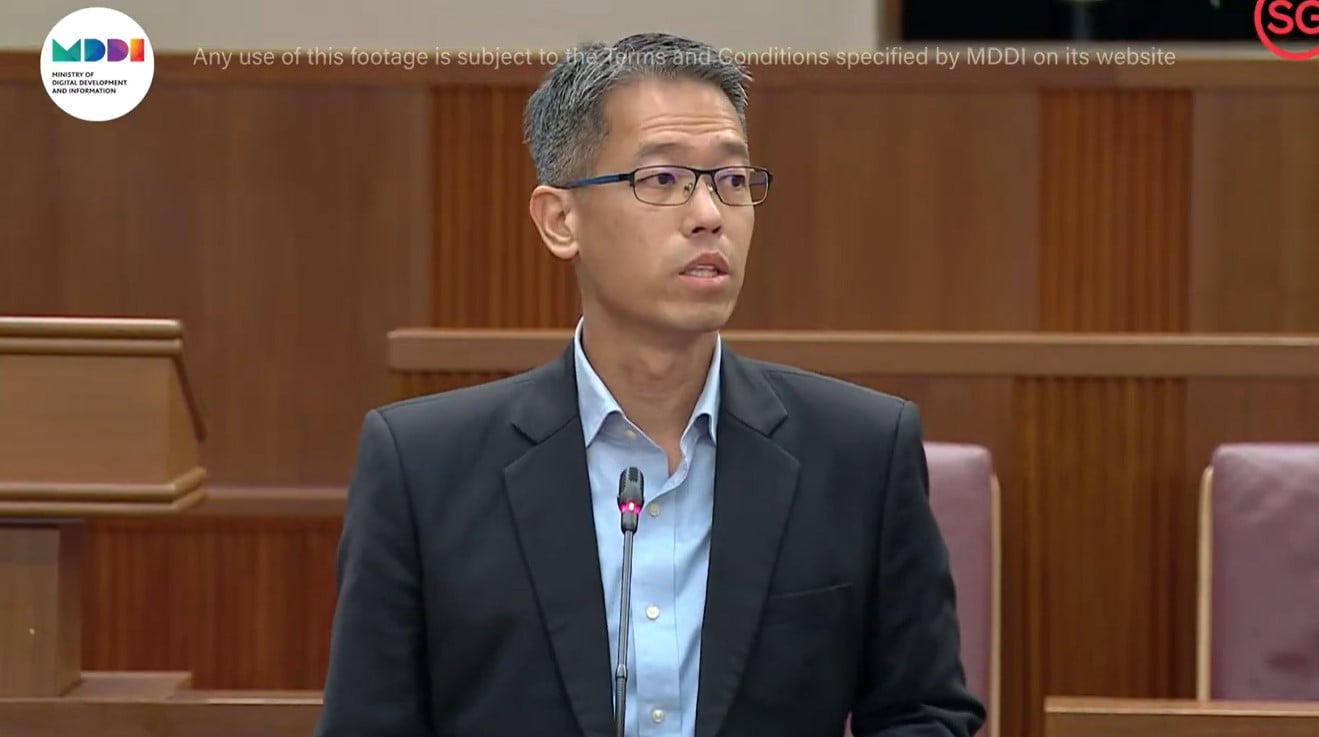
Source: MDDI Singapore on YouTube
Evidence must be ‘clear’ that chemical castration can bring down crime rates
Mr Shamugam, who is also Coordinating Minister for National Security and Home Affairs Minister, said MHA remains open to such measures, including chemical castration.
But this is provided it is “clear” that such measures are effective in bringing down crime rates, he noted, adding:
So far, the evidence is not conclusive on that.

Source: MDDI Singapore on YouTube
Police share records of sexual offenders with selected agencies
As for a sex offender register, the minister pointed out that the police maintain a record of those convicted of serious offences, including sexual offences.
While this record is non-public, the records are shared with selected agencies when individuals apply for jobs involving “sustained contact” with children and young people.
These agencies include the Ministry of Social and Family Development (MSF) and the Ministry of Education (MOE), he said, adding:
This approach balances the need to safeguard our children and the rehabilitation and reintegration efforts of ex-offenders.
The Government has also been considering expanding the types of roles screened to further strengthen safeguards for children.
This includes possibly introducing voluntary screening for unregulated sectors, he noted, adding that more details will be shared when ready.
Heavy penalties for sexual crimes in Singapore
Mr Shanmugam maintained that the Government takes “a serious view” of sexual crimes, especially when the victims are minors.
Stiff penalties are imposed, including a mandatory jail term of between eight and 20 years and at least 12 strokes of the cane for rape of a minor under 14.
Such heavy penalties “send a strong signal to deter such offences”, he said.

Source: Ministry of Home Affairs
The Government has also introduced amendments to the law over the years, including the Sentence for Enhanced Public Protection (SEPP) on 31 July.
Under the SEPP, offenders who have committed serious violent or sexual offences will be detained for a minimum of five to 20 years, as determined by the court.
After a psychiatrist conducts an updated risk assessment, the offender will be released only if the Home Affairs Minister assesses that they no longer pose a threat to the public.
Have news you must share? Get in touch with us via email at news@mustsharenews.com.
Featured image adapted from MDDI Singapore on YouTube and Kindel Media on Pexels. Photo on the right for illustration purposes only.