
Recognising stress during consultation: Dr Sebastian Liew dives into the world of phytotherapy
During every consultation, regardless of whether a patient presents with a chronic illness or another concern, one of the first issues I assess is stress.
Using traditional assessment methods such as pulse and tongue examination together with functional testing, I look for signs of anxiety, fear and chronic emotional strain.
In my clinical experience, no medicine, supplement or therapy can achieve its full potential if a patient remains in a persistent state of unmanaged stress.
Fear of losing a job, fear of illness, fear of rejection or the constant need to please others can keep the body in a prolonged survival response.
This ongoing state may impair recovery, reduce resilience and contribute to the progression of chronic disease.
Why burnout persists
Source: Prasopchok on Unsplash. For illustration purposes only.
Burnout often develops when physical or emotional stress is perceived as a threat to one’s identity or security while emotions are continually suppressed.
Many people cope by ignoring their distress, putting on a brave face or pretending everything is under control.
Although holidays, exercise, meditation, massage, fasting and healthy eating are valuable, they may provide only temporary relief if the underlying emotional patterns remain unchanged.
As Dr David R. Hawkins, an American psychiatrist, wrote in Letting Go: The Pathway of Surrender: “Without a change of consciousness, there is no real reduction in stress.”
Whether or not one agrees with his broader philosophy, the principle that our perception of events influences our stress response is consistent with modern psychology.
One powerful tool is to adopt a practice I call Spiritual Heart.
It is an exercise to be done at any time of the day, be it before bed, after waking up or just before meals.
The exercise aims to turn attention to one’s heart and regenerate a moment of love or gratitude, for example, to your love for your child or spouse.
This exercise reframes your mind and changes your perception, thus potentially building stress resilience, if practised daily.
Another powerful tool is the application of plant medicine.
Clinical observations
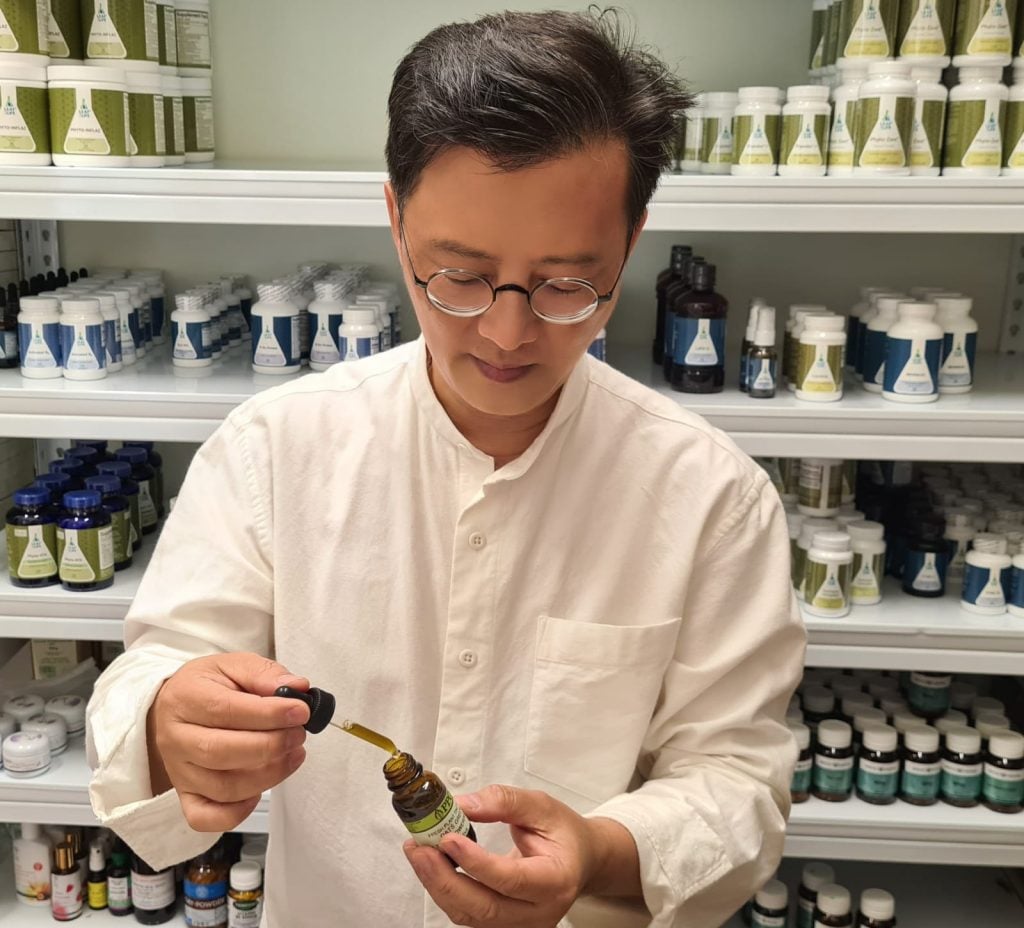
Source: Dr Sebastian Liew
One patient, a regional marketing director, sought help for hypothyroidism, obesity, fatigue, digestive problems and hormonal imbalance.
She was overwhelmed by work and struggled to delegate responsibilities. As part of a broader treatment plan, I prescribed a low-dose herbal preparation containing St John’s wort.
She later reported feeling calmer, trusting her team more and no longer feeling compelled to control every detail.
Another patient, a homemaker, experienced chronic anxiety after years of living with an angry spouse.
Following treatment with a customised low-dose herbal blend containing rose, she described an unexpected sense of inner peace and gradually developed the confidence to establish healthier personal boundaries.
These clinical observations show efficacy and reflect changes in emotional processing as the nervous system regains balance.
The phytotherapy approach
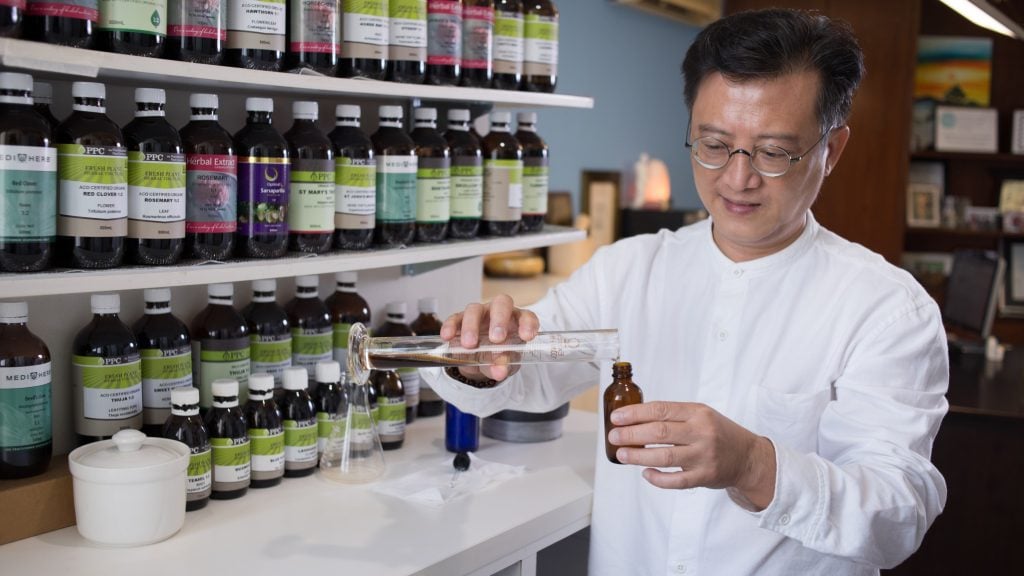
Source: Dr Sebastian Liew
Prolonged elevation of cortisol, together with oxidative stress and declining anabolic hormones such as DHEA and testosterone, has been associated with impaired cognition, reduced neuroplasticity and an increased risk of burnout-related disorders.
Adaptogenic herbs help improve the body’s ability to adapt to physical and emotional stress.
Rather than eliminating stress, they support resilience and assist the nervous system in returning to balance after stressful events.
My phytotherapy approach focuses on:
• Improving microcirculation to enhance nutrient delivery and waste removal (e.g. Gotu kola).
• Reducing neuroinflammation.
• Protecting nerve cells from oxidative stress (e.g. Amla).
• Supporting nerve repair and neuroplasticity where appropriate.
• Supporting healthy regulation of the stress response and cortisol within the context of overall health.
The goal of phytotherapy is not simply to relieve symptoms but to strengthen the body’s capacity to recover, adapt and maintain long-term wellbeing.
This article is not medical advice and does not constitute a substitute for a healthy lifestyle. Please always tell your primary healthcare provider about any health condition. You may consult a qualified naturopath or medical herbalist to support a holistic lifestyle.
Dr Sebastian Liew is a doctor of naturopathy and medical herbalist with over 25 years of clinical experience to support healing of chronic diseases.
Also read: Divorce in S’pore: Deciding to stay or throwing in the towel
Divorce in S’pore: Deciding to stay or throwing in the towel
Have news you must share? Get in touch with us via email at news@mustsharenews.com.
Featured image adapted from Dr Sebastian Liew.