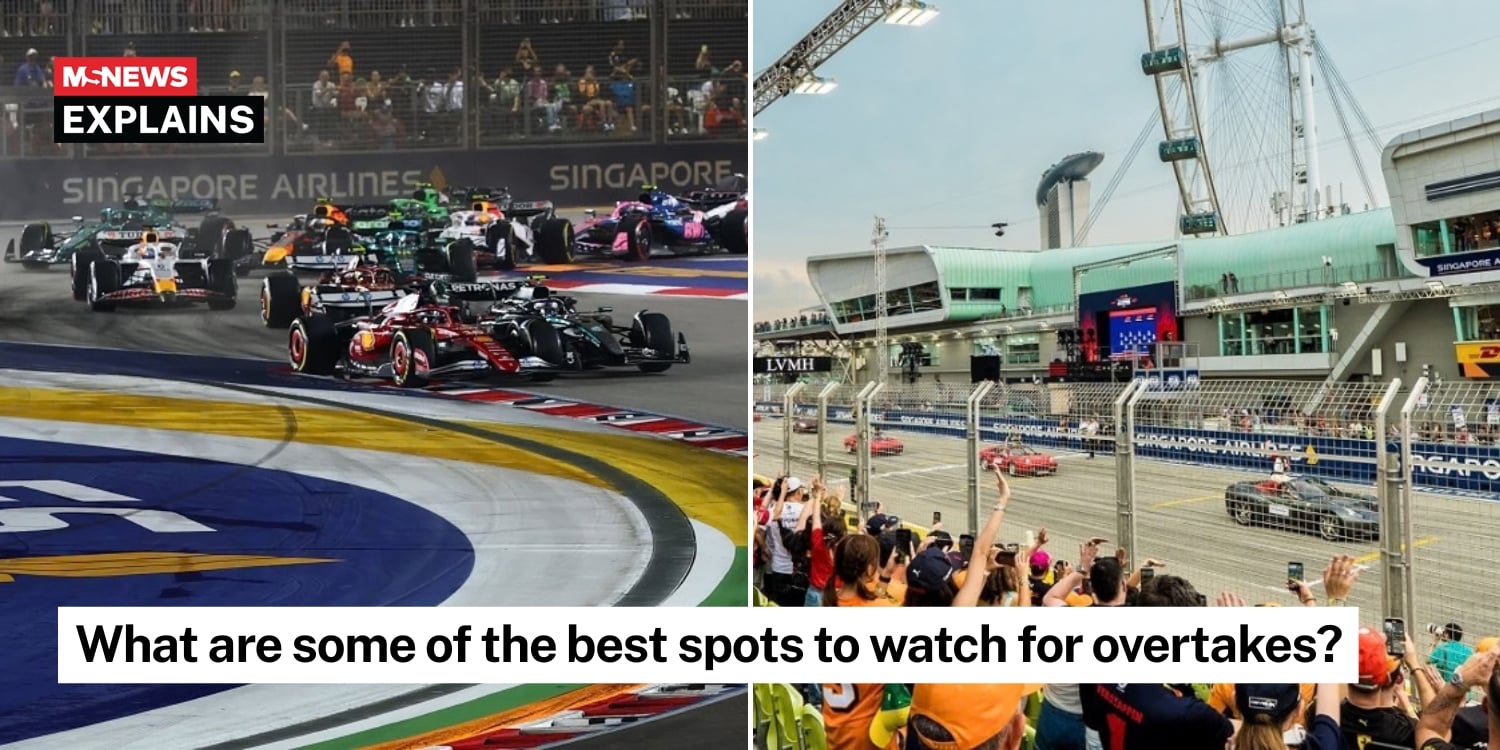

MS Explains: A Formula 1 Singapore Grand Prix crash course
Starting 9 Oct, Formula 1 (F1) fever will take over the streets of Singapore.
For newbies, all the cars and stars can be quite overwhelming on its own before even taking into account all the rules and drama.
Here’s what you’ll need to know before race weekend — from basic race rules to where to watch for potential overtakes.
What is ‘Free Practice’, ‘Sprint’, and ‘Qualifying’?
This year, the Singapore Grand Prix (GP) will be a sprint weekend. This means fewer practice sessions and more racing.
In a usual weekend, teams will get a total of three “Free Practice” sessions — two on Friday and one on Saturday.
This is then followed by a “Qualifying Session” after the third Free Practice.
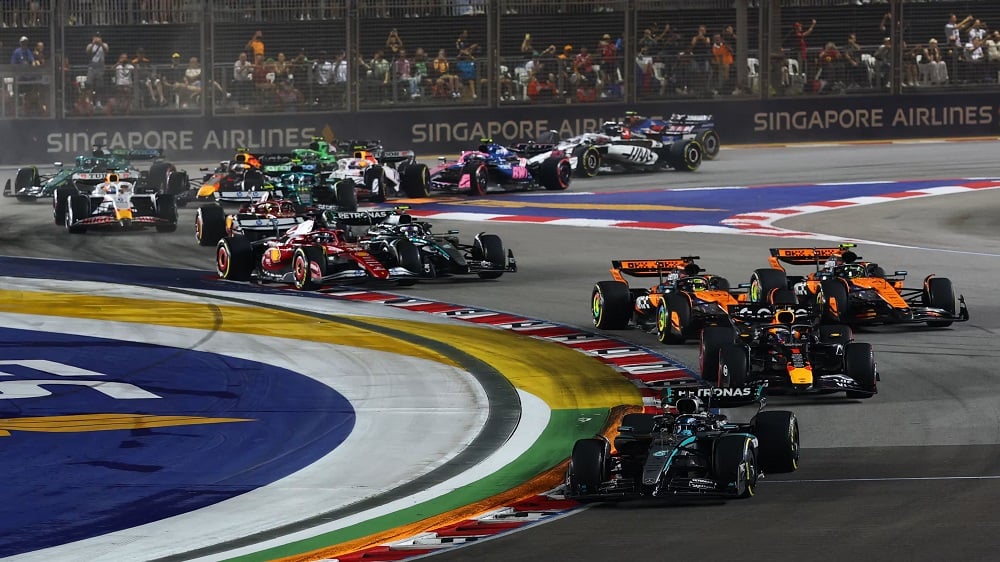
During Qualifying, drivers will attempt to complete a lap around the Marina Bay Street Circuit in the shortest amount of time possible, with the slowest times being eliminated after each qualifying session.
Their timings will then be used to determine the starting grid order, with the fastest time getting to take the front-most position on the grid.
Source: Formula 1
Finally, the race kicks off on Sunday.
However, since the Singapore GP is a sprint weekend, there will be only one Free Practice session on Friday.
This is immediately followed by a qualifying session for a sprint race.
The sprint race is a shorter race — around only a third of the normal race —where the focus is less about team strategy and more about driver action.
Unlike a regular race, points are only awarded to the top eight finishers instead of the top ten, and the amount of points is also less.
Saturday is then capped off by a qualifying session for the Sunday race. The Sunday race then proceeds as normal.
What happens during the actual race?
According to the schedule, the race will start at 8pm on Sunday 11 Oct.
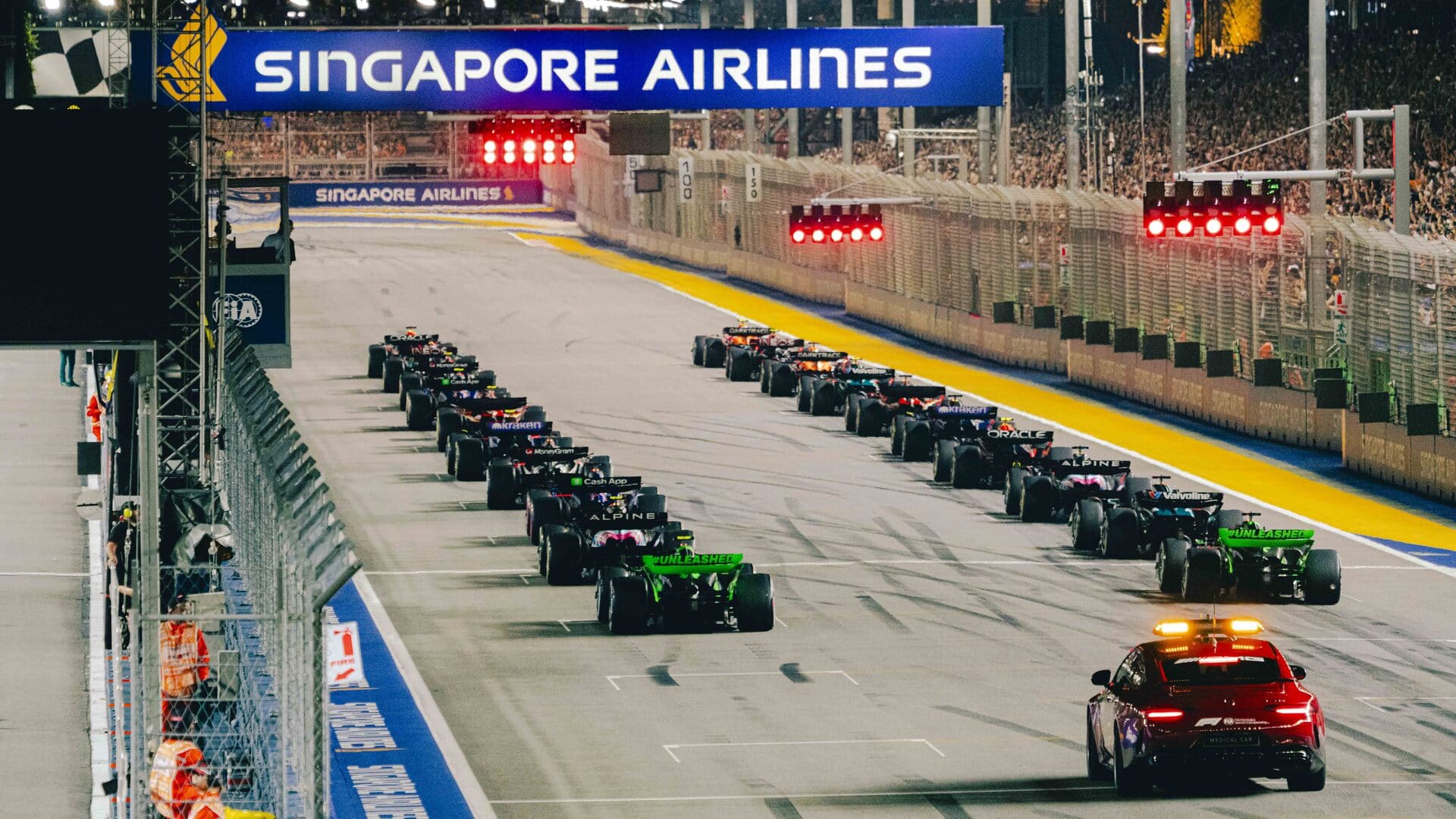
All the drivers will line up on the grid based on their qualifying order, then wait as five red lights light up in front of them.
Source: Motorist.sg
The race kicks off once the lights go out.
At the 62-lap Marina Bay Street Circuit, drivers have to navigate tight turns at breakneck speeds while keeping their cars out of the walls.
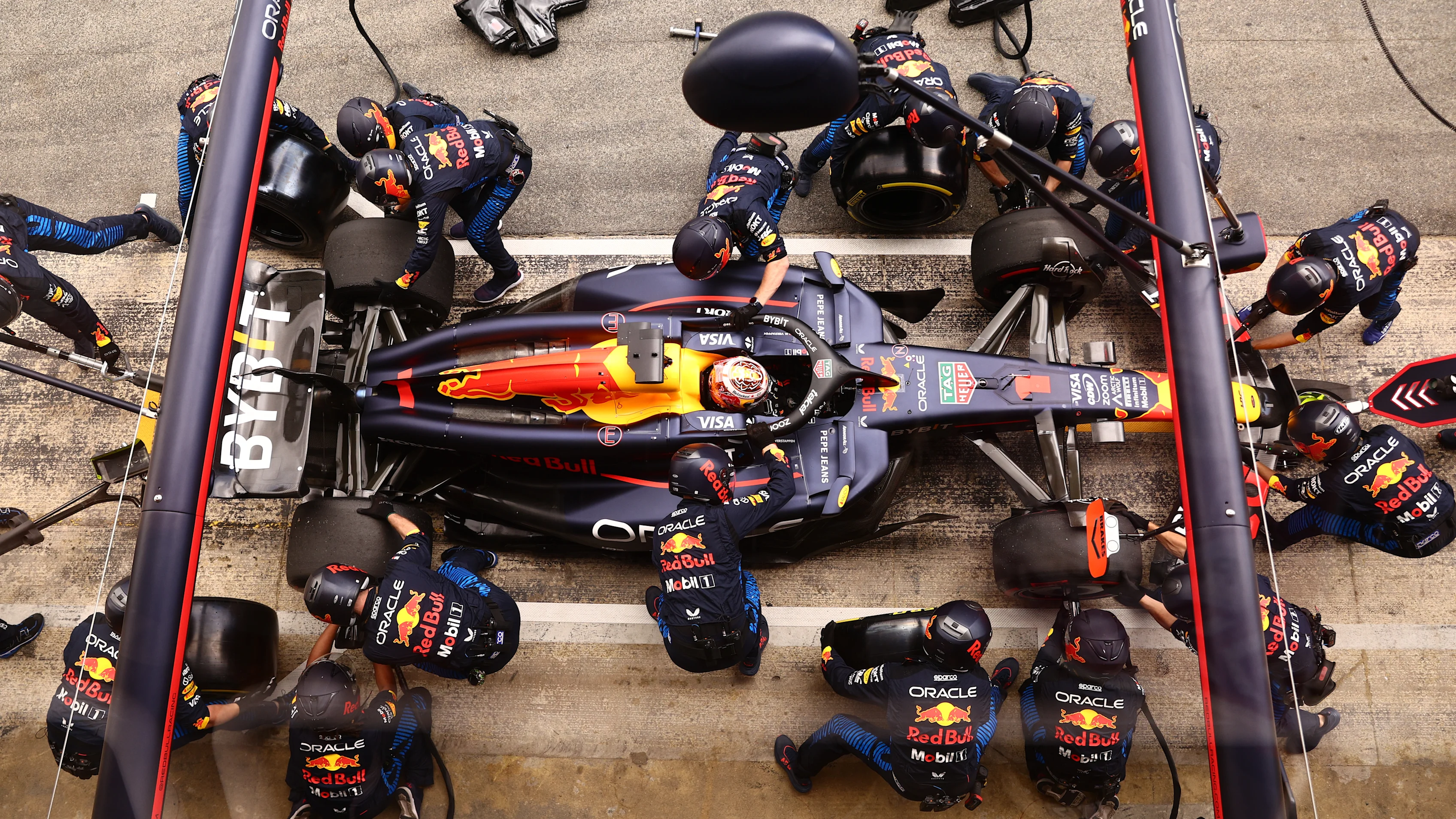
Unless it starts pouring rain, each driver will also have to make a mandatory pit stop to change their tire compound.
Source: Formula 1
The rules state that each driver must use at least two compounds during a race, unless it is a wet race.
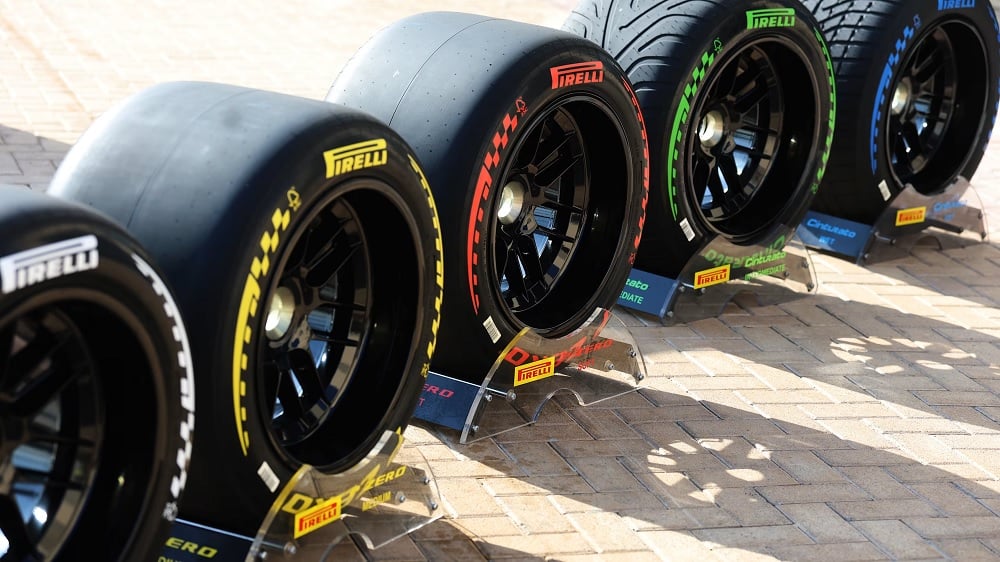
In a normal, dry race, the compounds used are soft, medium, and hard. These compounds are easily identified by the colour on their sides.
To summarise:
- Red “soft” tires are the quickest tires but degrade the fastest
- White “hard” tires last the longest but are the slowest
- Yellow “medium” tires are in between
Source: Formula 1
Pit stops, safety cars, and multi-coloured flags
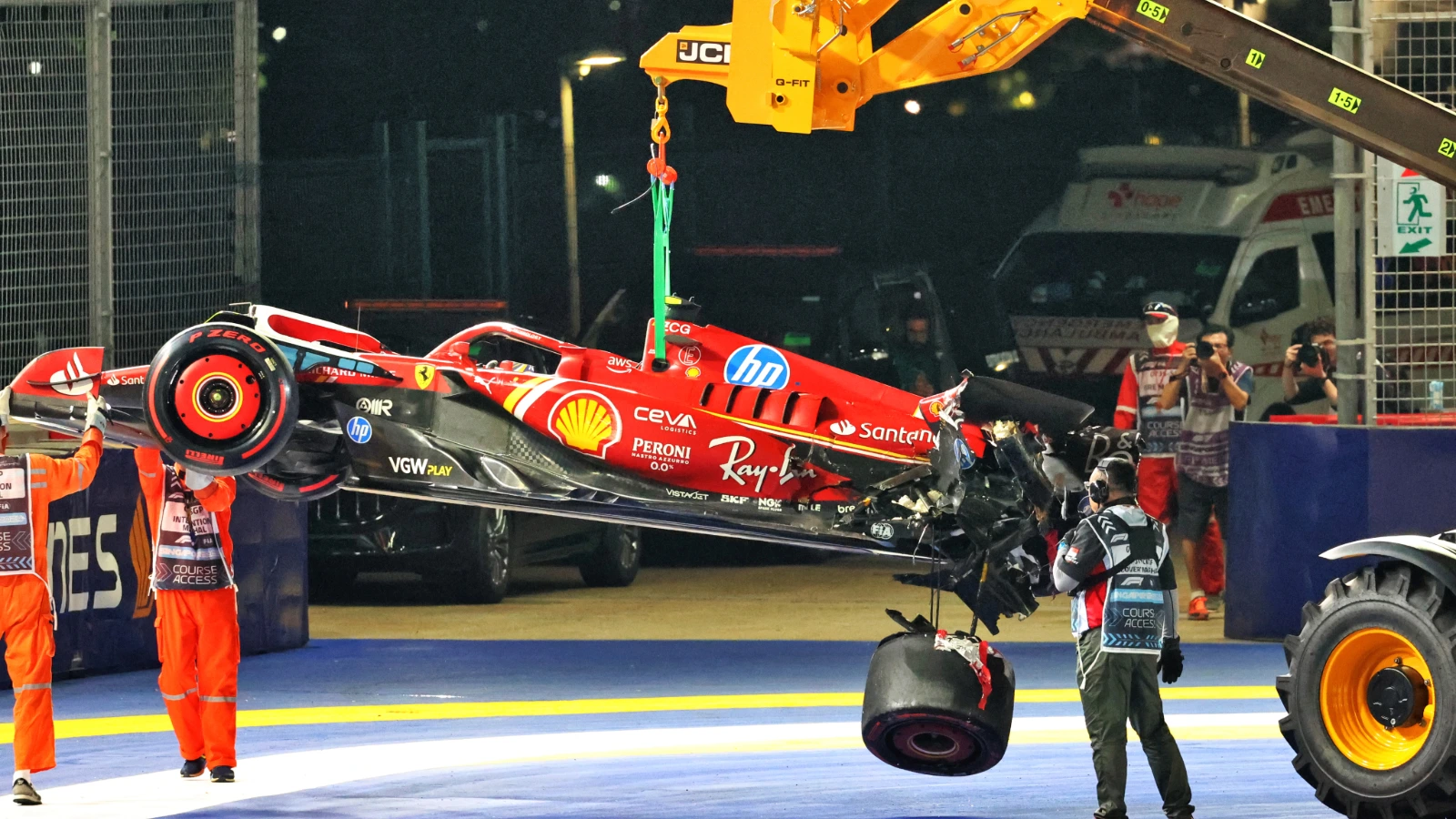
In every race, there is a chance for accidents or malfunctions to occur.
When a car has to be stopped on track or in a dangerous position, the race may then see yellow or red flags.
Yellow flags typically indicate caution, meaning the drivers have to slow down in areas that have been yellow flagged.
Red flags, on the other hand, indicate full stoppage of the race.
Source: Motorsport Week
If a there is a significant obstruction on track, the race may also see the use of a safety car or a virtual safety car.
When a safety car is deployed, drivers will have to follow behind the said car which forces them into a slower speed.
This is often done so that officials can remove the obstruction from the track.
Where to watch for overtakes?
As the name implies, Marina Bay Street Circuit is a street race.
Like most other street circuits, this makes overtaking a significant challenge.
Because of this, a lot of the action may take place during qualifying as racers compete for a better track position.
But just because overtaking is difficult does not mean it is impossible.
Source: Singapore GP
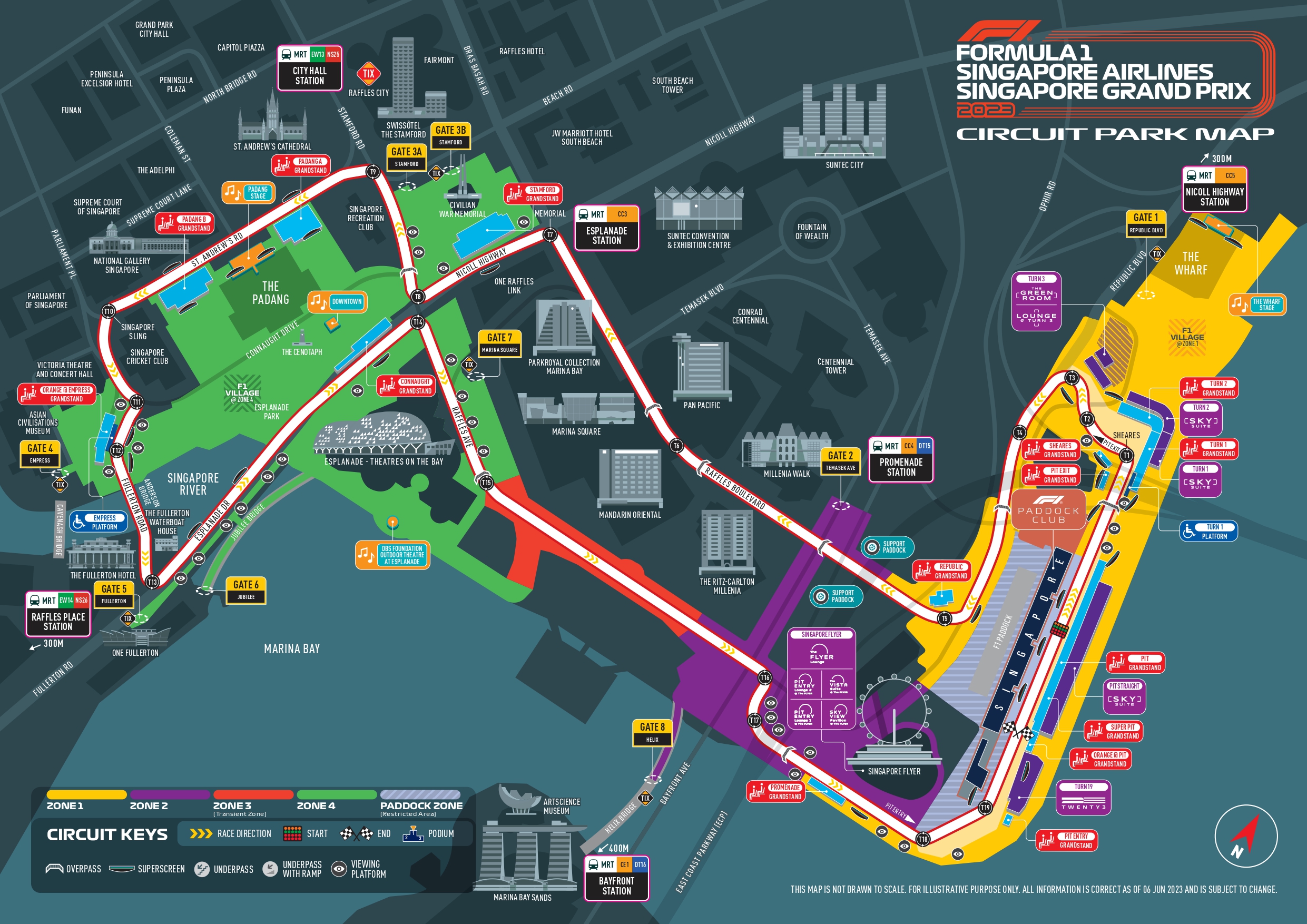
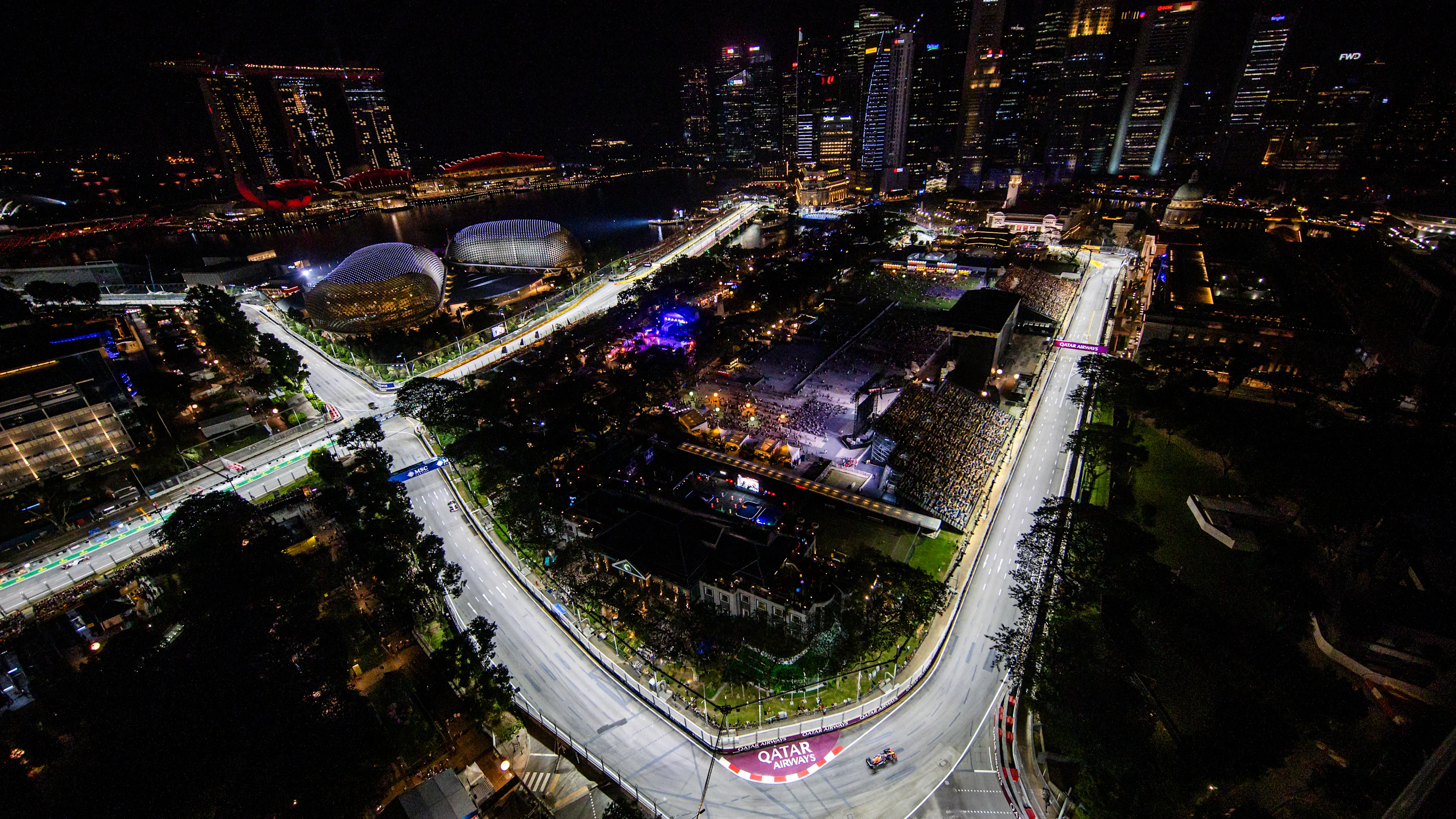
Some of the best overtaking locations at the Singapore GP are the classic long straights into tight turns.
These test driver nerves as they play chicken on who will brake first.
These spots are Turn 7, which is located at the intersection between Raffles Boulevard and Nicoll Highway (near the Civilian War Memorial), and Turn 14, where Esplanade Drive turns right into Raffles Avenue.
Source: Formula 1
Who to watch out for?
Like many years past, the big team names to watch out for are still Mercedes, Ferrari, McLaren, and Red Bull.
Youngster Kimi Antonelli is currently in lead for the Drivers’ Championship with his teammate George Russell trailing by 81 points.
/GENERAL%20CROP%20-%202025-11-09T203307.580.webp)
Source: Formula 1
This is then followed by seven-time world champion Lewis Hamilton who has been finding his form again after a rough year.
The reigning champion Lando Norris and four-time champion Max Verstappen cannot be counted out either.
Also read: #RevUpSG F1 watch parties return to 3 heartland locations ahead of S’pore Grand Prix 2026
#RevUpSG F1 watch parties return to 3 heartland locations ahead of S’pore Grand Prix 2026
Have news you must share? Get in touch with us via email at news@mustsharenews.com.
Featured image adapted from Formula 1 and Singapore GP.