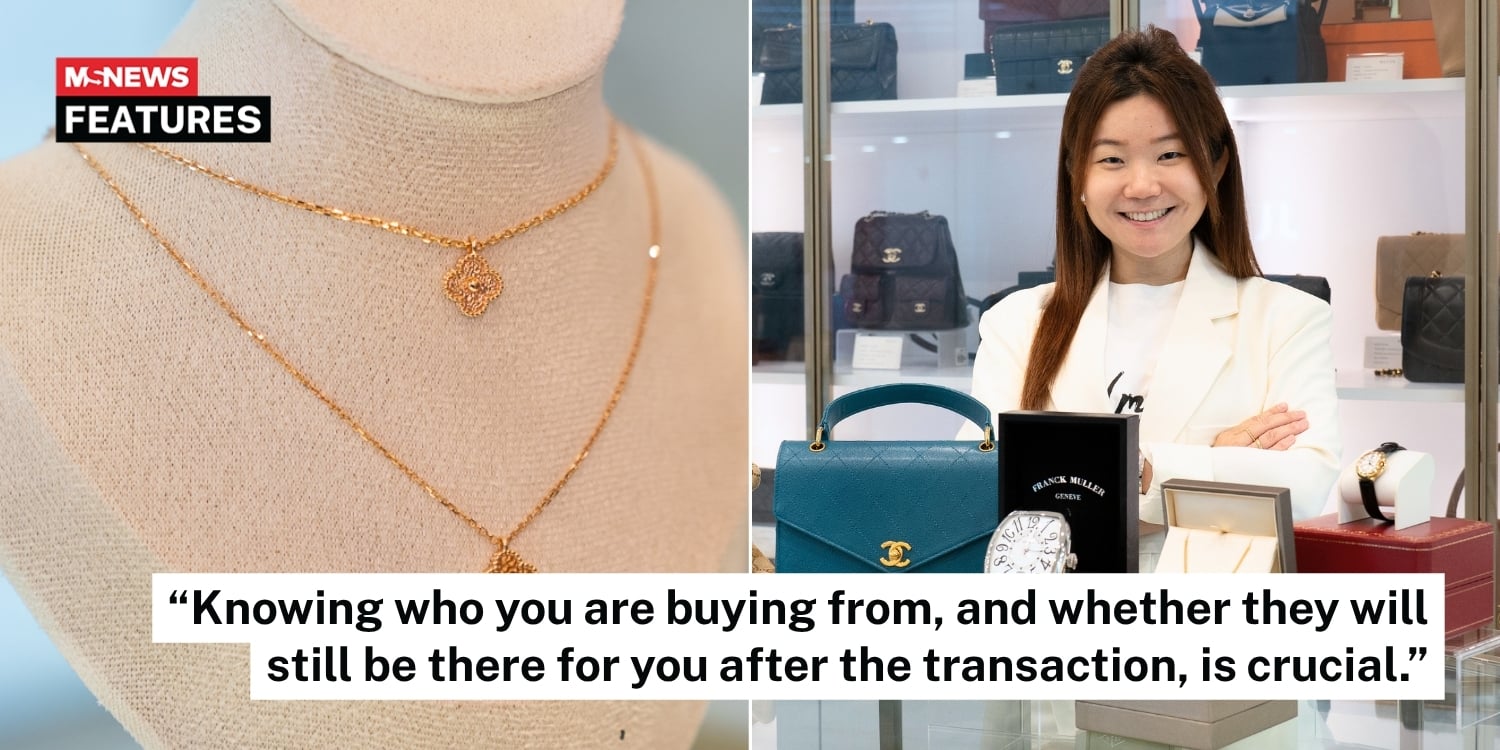

MS Features: Luxury goods expert helps customers avoid fakes
A preloved luxury bag can come with its original box, authenticity card, receipt and a matching serial number. Surely, it is not a fake?
That is one of the biggest misconceptions in the preloved luxury market, according to Jas Pang, founder of Singapore-based WeLoveCuratingSG (WLCSG).
She speaks to MS News about what goes into the authenticating process, including some tips on how you can be sure you’re getting the real deal.
Counterfeit luxury goods not uncommon in Singapore
“Authenticating this is not so simple,” said Jas to MS News.
“You have to look at the type of engraving, the serial number, the integrity of the product itself, and, of course, then the accessories serve as a supplement to the confirmation of authenticity.”
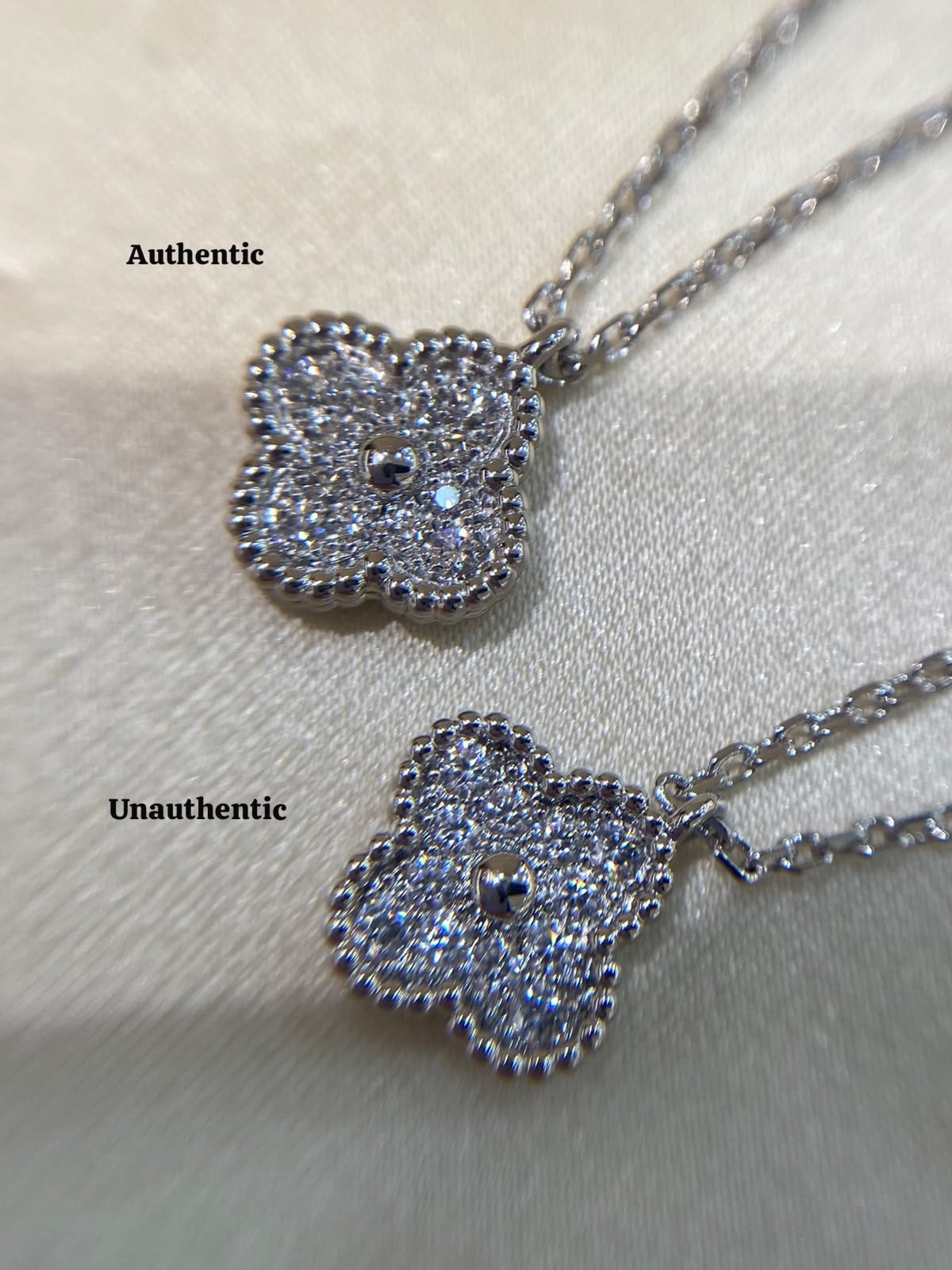
Picture of comparison of a genuine vs replica necklace courtesy of Jas Pang, founder of WLCSG
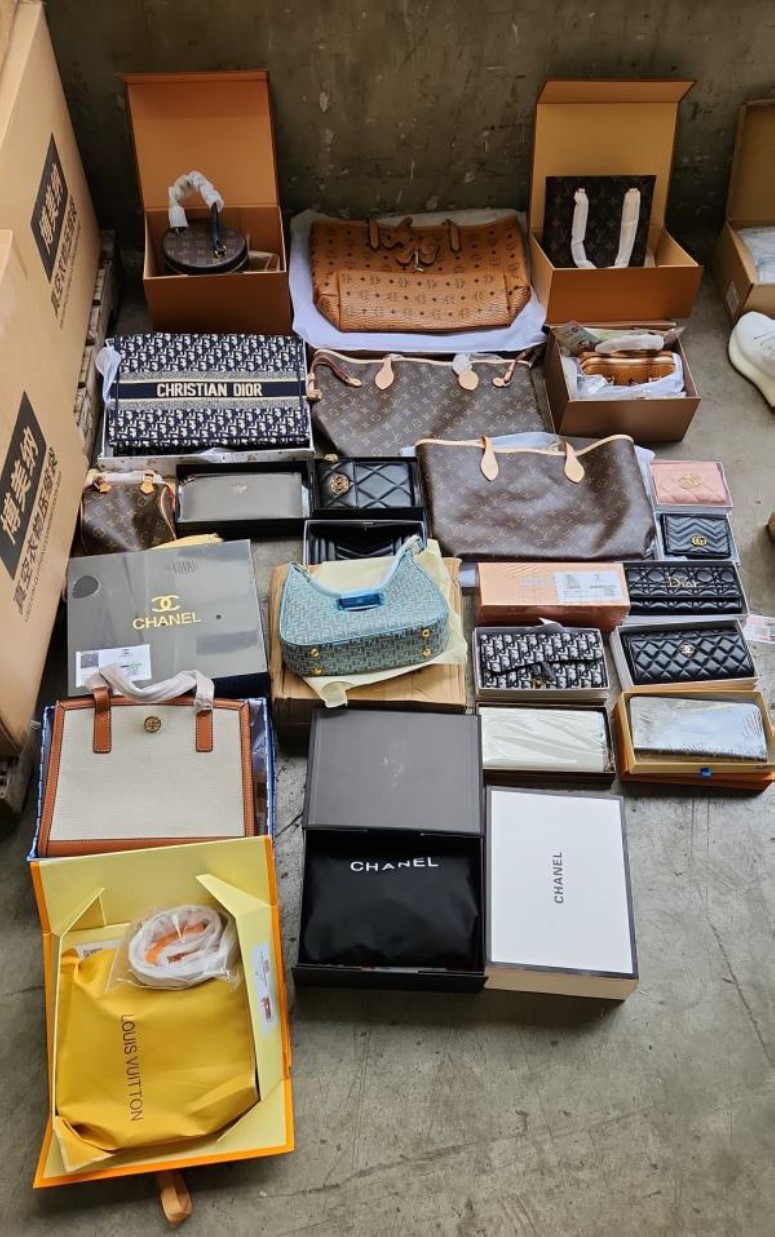
Her warning comes as counterfeit goods continue to surface in Singapore, including through online platforms.
In June 2026, police seized more than 700 purportedly trademark-infringing items in a raid linked to the suspected online sale of counterfeit goods via TikTok.
The items included luxury bags, wallets, watches, sunglasses, apparel, footwear and accessories, with an estimated street value of more than S$34,000.
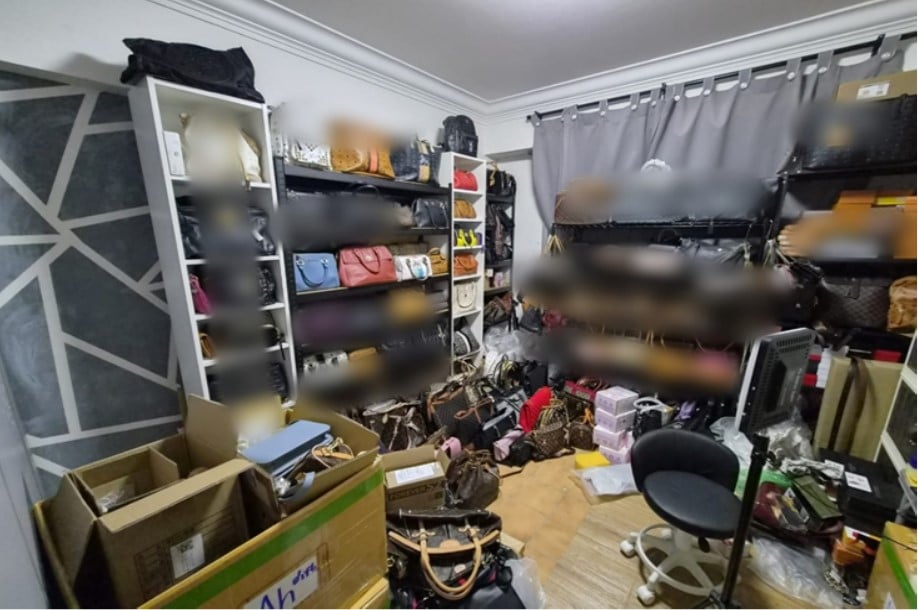
Source: Singapore Police Force
The seizure is only a snapshot, rather than a measure of Singapore’s overall counterfeit market.
Still, official figures show the scale of enforcement. In 2025, Singapore recorded 47 intellectual property rights raids, including 29 trade mark raids, with about S$1.38 million worth of goods seized.
For consumers, though, the immediate question is simpler: How do you know what you are actually buying?
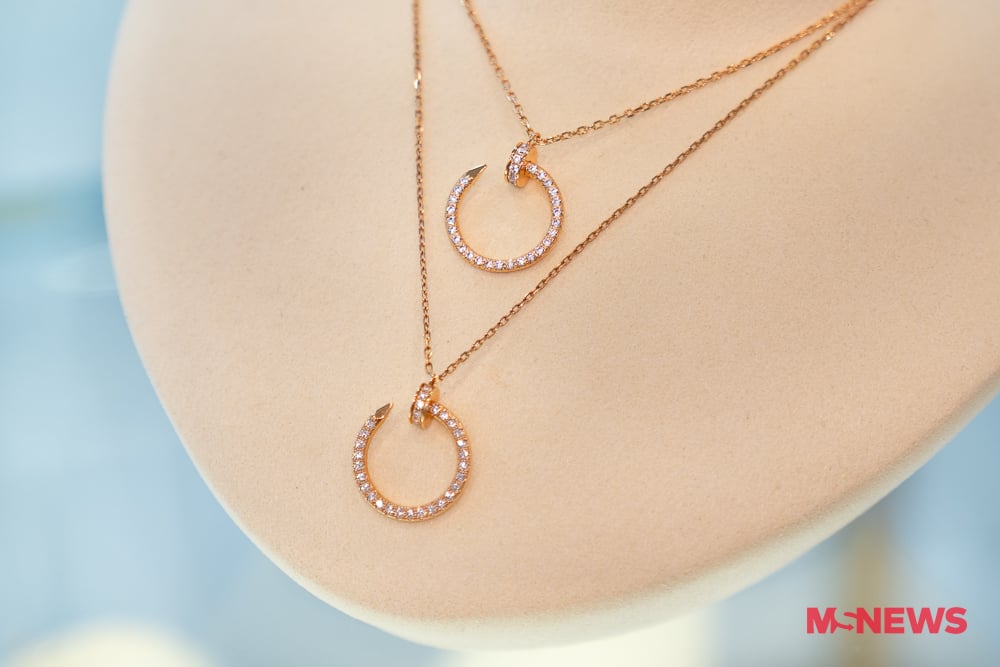
From MOE teacher to licensed luxury curator
Jas did not begin her career in luxury.
She spent four years as a Ministry of Education (MOE) teacher, teaching English and Literature to Secondary 1 to Secondary 4 students.
Her background in education eventually became central to her business.
When she discovered the preloved luxury industry, she saw an opportunity to educate consumers about authenticity and market trends.
It started with a personal interest in vintage Chanel.
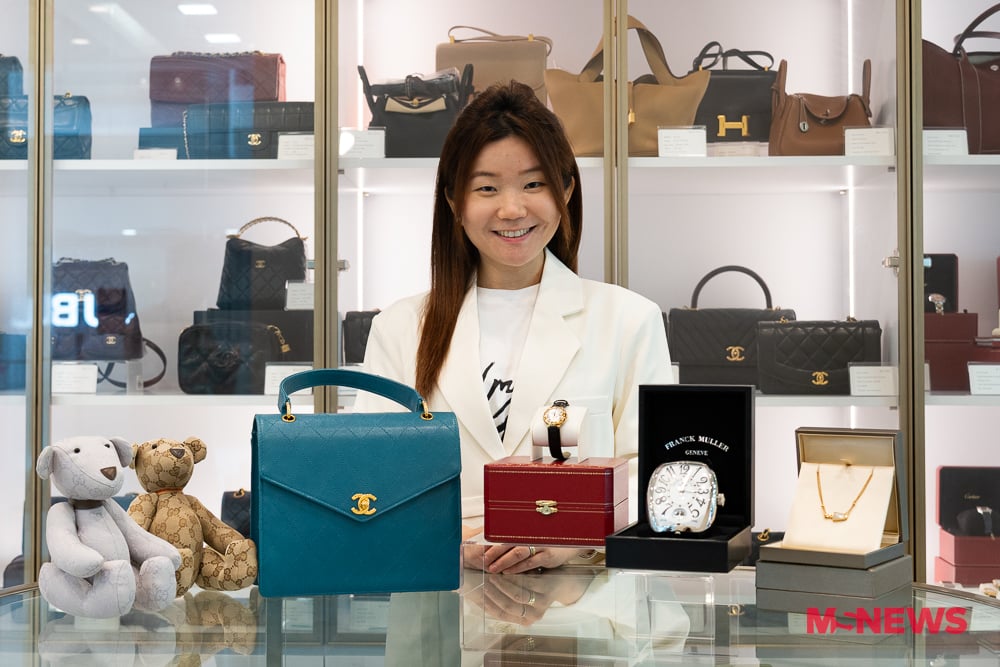
WLCSG was initially known as WeLoveChanelSG before expanding beyond the French fashion house as customers began seeking other brands.
Today, it focuses on fine jewellery and rare timepieces, while bags remain part of the business.
The company operated almost entirely online for about eight years before opening a physical vault at the end of 2025, partly in response to growing demand from customers and tourists who wanted to view pieces in person.
But building trust meant learning how to authenticate the pieces she sold.
A decade ago, Jas said there was limited information on luxury authentication. Industry pioneers had to research extensively, including through online forums, while building experience by physically handling genuine products.
Today, that experience is still important.
“Sometimes when there’s something wrong with the product, we can kind of immediately tell something is off,” she said.
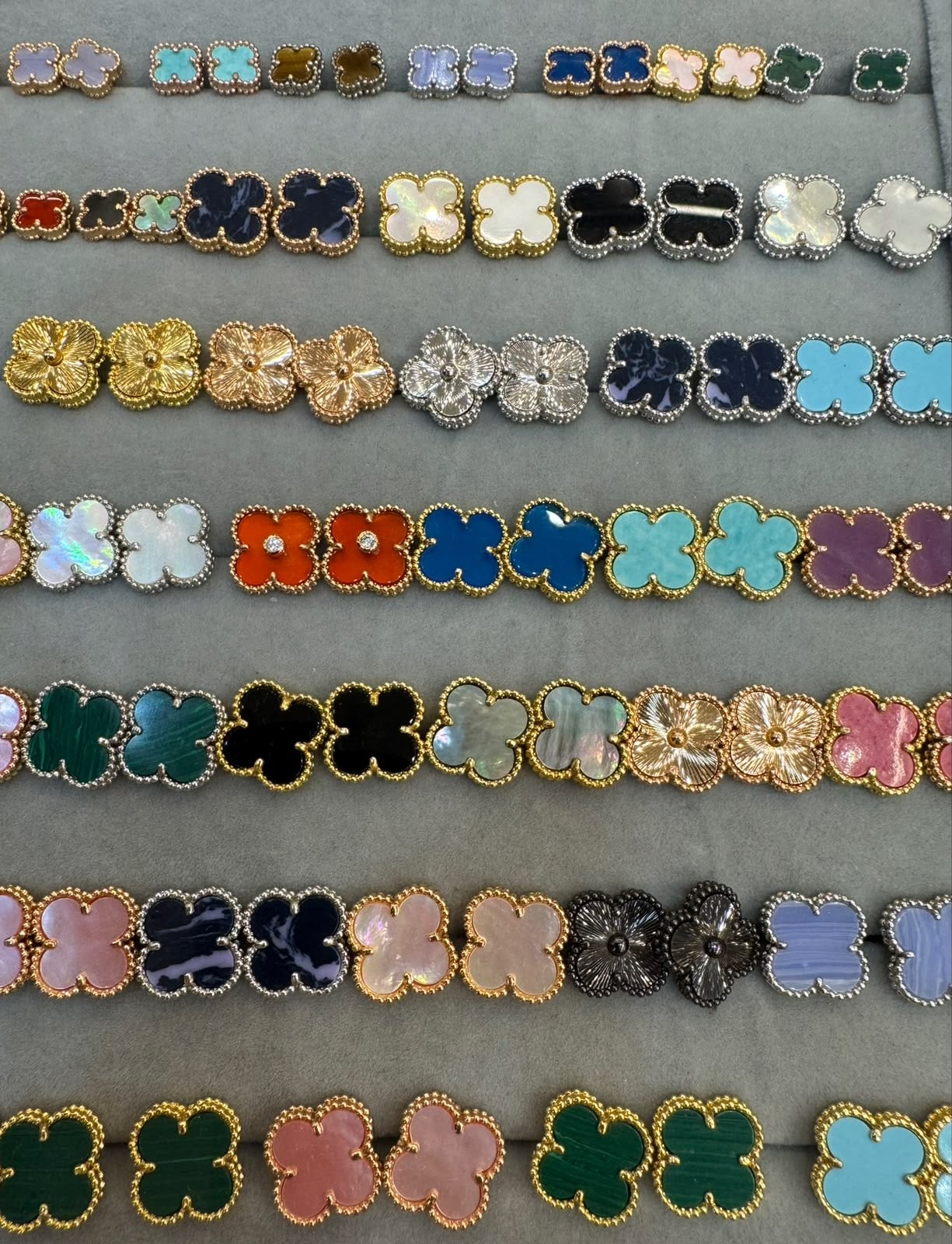
Picture of counterfeit samples seen in a hidden shop overseas dealing in imitation jewellery courtesy of Jas Pang, founder of WLCSG
Even the box can be real for a counterfeit product
The challenge is that counterfeiters have become more sophisticated.
Jas said fake products listed online can even use photographs of authentic items.
A buyer may place an order, pay cash on delivery and never know who is actually behind the transaction.
Worse, a counterfeit item can come with genuine-looking — or even genuine — accessories.
Source: ICA on Facebook
Jas said she has encountered fake products paired with authentic boxes and certificates.
Counterfeiters can also reproduce documentation.
“When a counterfeiter sits in his factory to produce the items… nothing is stopping them from actually creating a certification that looks very similar to the real thing,” she said.
That means a complete box set does not prove authenticity.
Neither does a receipt or certificate.
“I think that’s the greatest misconception so far,” Jas said of the belief that genuine items must come with a full set.

Serial numbers are not enough
For authentication, Jas said dealers need to examine multiple details together.
Her team may use a mini weighing scale to check the gold weight of jewellery, handheld magnifiers to inspect engravings and serial numbers up to 20 times closer, and a UV torch to check hidden hallmarks.
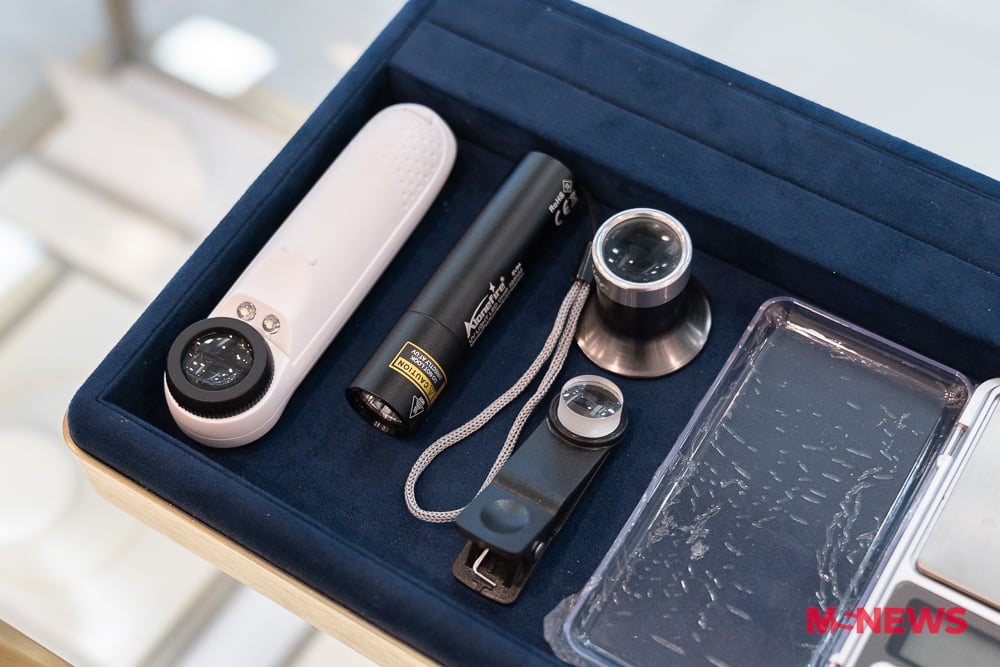
For watches, they also check serial numbers against the Singapore Police Force’s system to ensure the item is not stolen.
Even the materials themselves can be deceptive.
Jas said that she has seen counterfeits where they were made with the real premium leather materials, such as Togo leather.
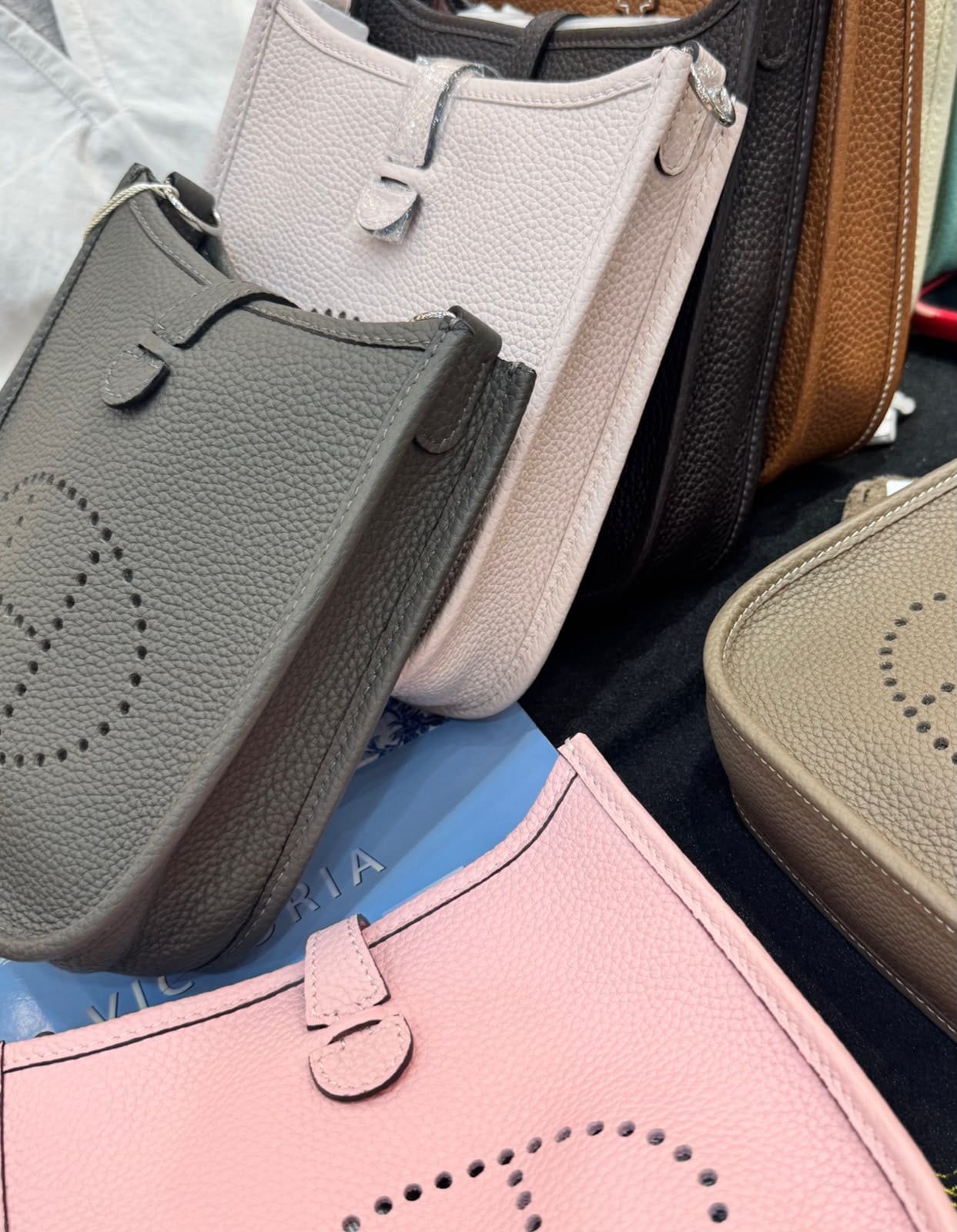
Picture of counterfeit samples featured in overseas shops dealing in A-grade replicas that use real Togo leather courtesy of Jas Pang, founder of WLCSG
She also said she has seen counterfeit jewellery made with real gold and real mother-of-pearl.
In such cases, authenticators may have to examine the width of links, clasps, engravings and stamps together.
Even brand stamps can be faked.
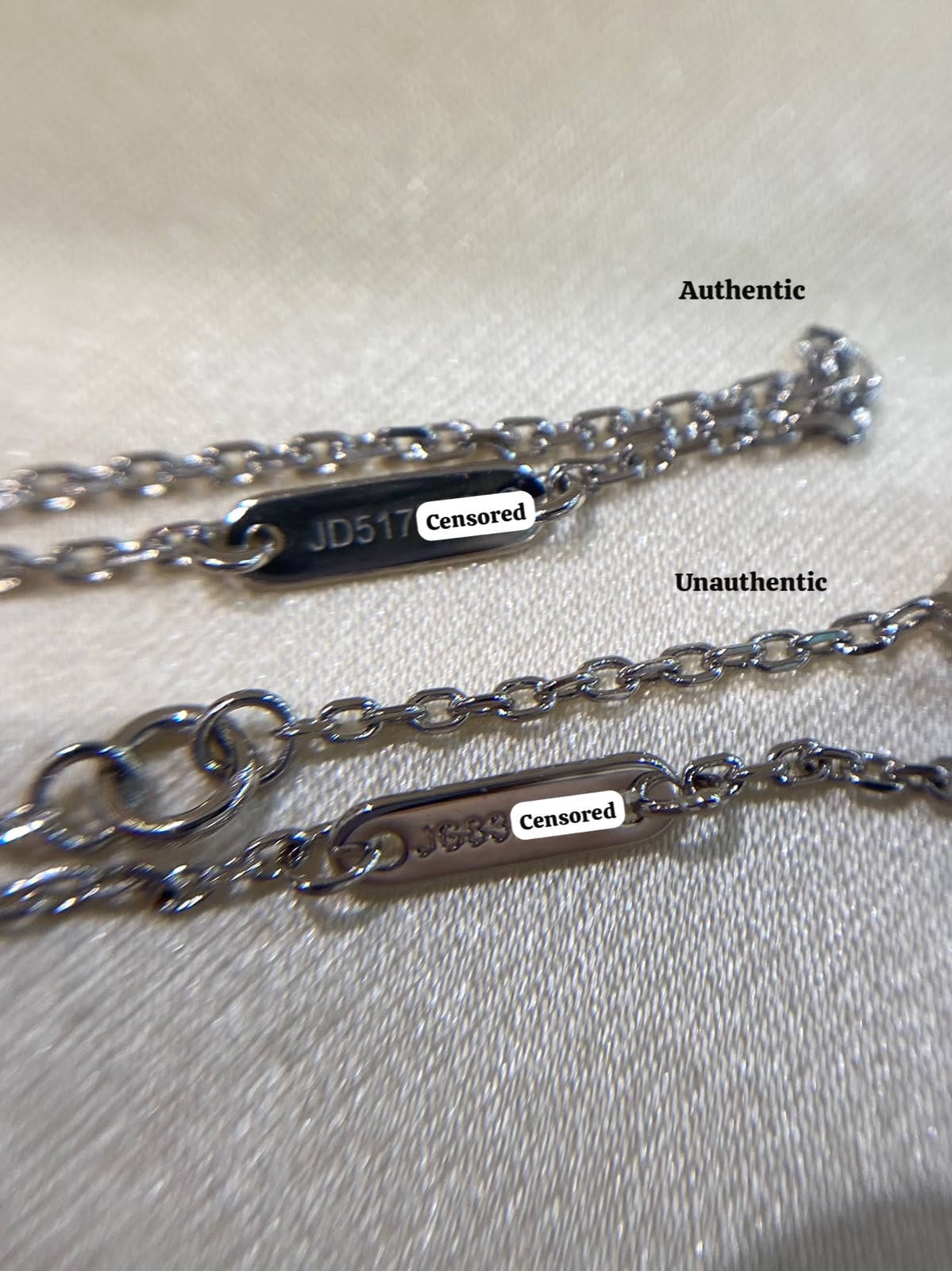
Picture of close-up of serial number tabs of an authentic vs counterfeit necklace courtesy of Jas Pang, founder of WLCSG
“The naked eye is always good for the initial feeling… but we have to confirm it with our tools,” Jas said.
‘They could be among us’
Jas said counterfeit products are generally manufactured outside Singapore, but can eventually enter the local buying and selling ecosystem.
She told MS News that she has visited places outside Singapore where counterfeit goods are made, though she did not specify where.
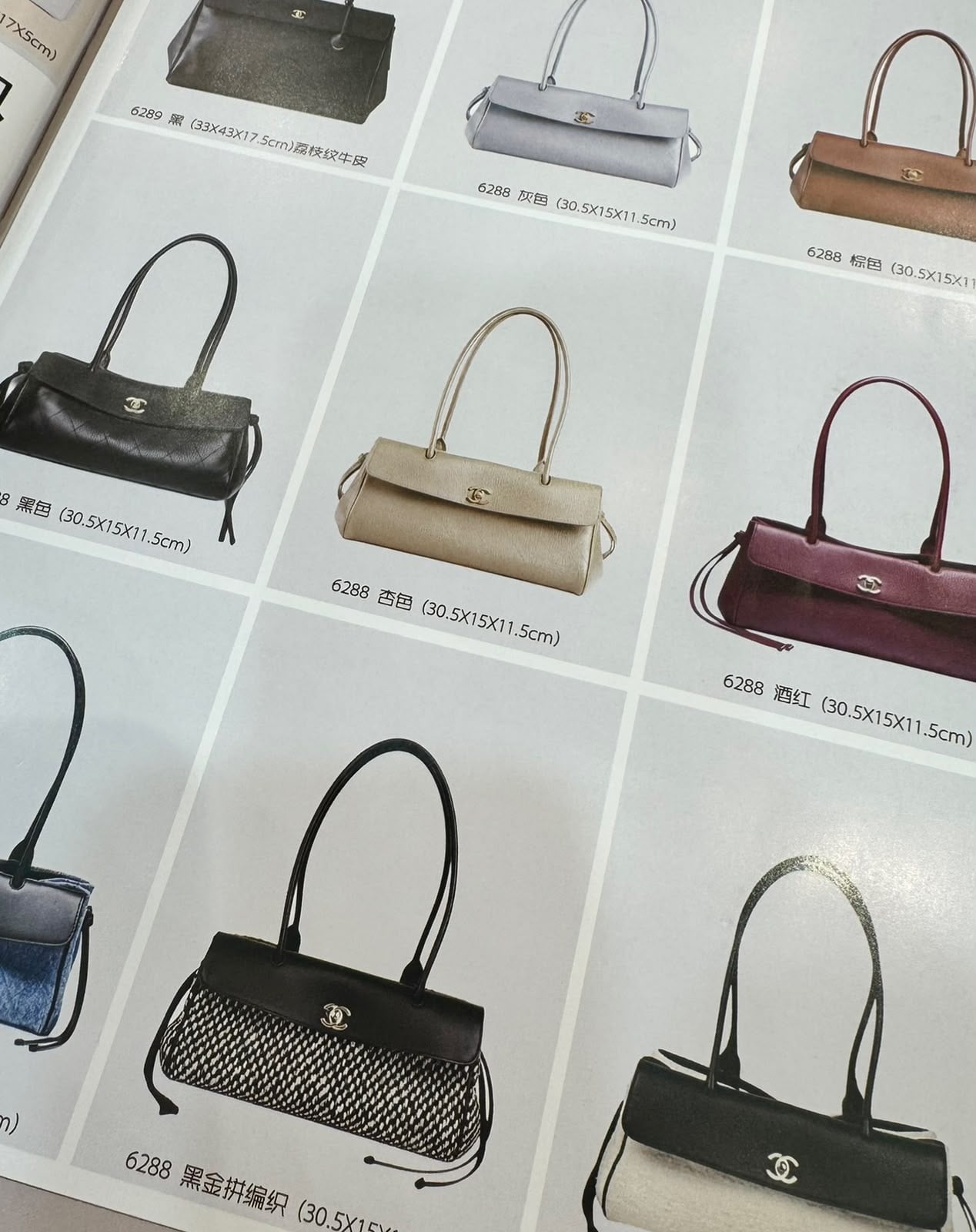
Picture of a magazine featuring products that one can ‘supposedly’ order from factories & shops manufacturing counterfeits courtesy of Jas Pang, founder of WLCSG
The bigger concern, she said, is what happens after the products enter the market.
“They could be among us,” she said, noting that consumers may unknowingly submit counterfeit pieces for resale or consignment.
WLCSG therefore conducts multiple layers of checks.
Some pieces are sourced through its established dealer network in Japan, including regulated Japanese auction houses. Even after authentication there, Jas said her team conducts another round of verification when the items arrive in Singapore.
Japan is itself a global marketplace, she explained, so goods from other countries can enter its resale ecosystem too.
“That’s why we have to do our due diligence,” she said.
Online presence does not mean legitimacy
The risks are particularly relevant as more luxury transactions move online.
In a recent Court of Appeal case, an Instagram seller was ordered to pay Louis Vuitton S$510,000 in damages, up from the original S$200,000 award.
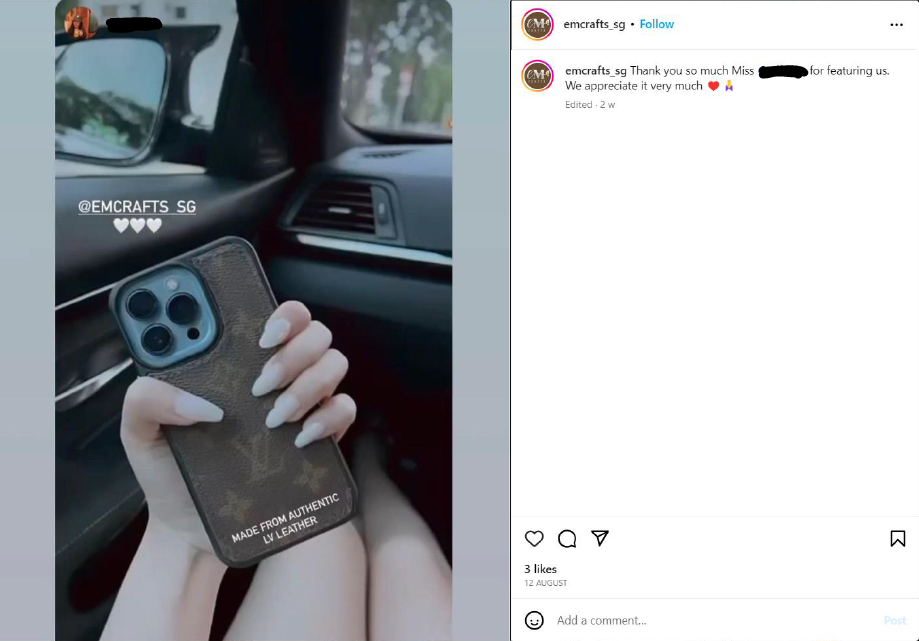
Source: elitigation.sg
The court highlighted the “prevalence of counterfeit luxury goods and the ease with which online platforms facilitate infringement”.
The seller had continued advertising counterfeit goods after receiving a cease-and-desist letter and later operated through another Instagram account.
For Jas, repeatedly hopping between social media accounts is a red flag.
A legitimate business would generally want to build its reputation and retain customers, she said, rather than repeatedly starting over.

Source: @emcrafts.sg on Instagram
Still, she cautioned that a new account alone does not make a seller suspicious.
Consumers should consider whether the seller has the necessary licences, an established track record or a physical presence — and whether they can still be reached after the transaction.
That matters because consumers have far less recourse when buying from an unidentified individual online.
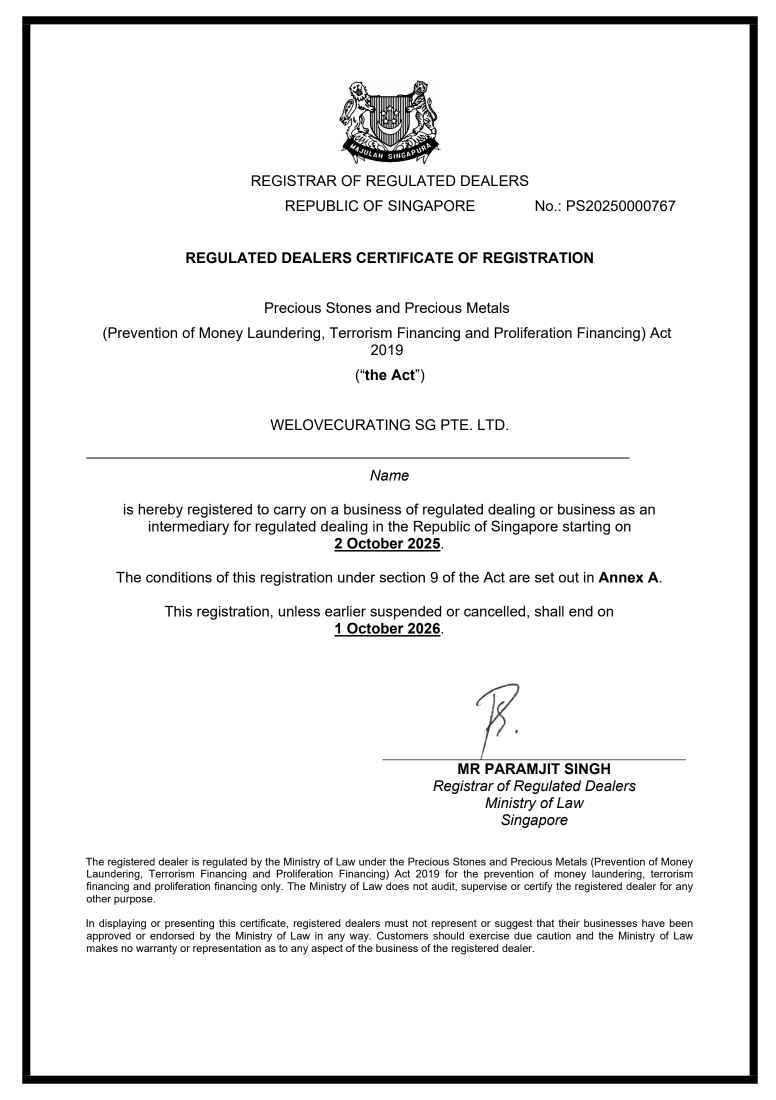
Picture courtesy of Jas Pang, founder of WLCSG
The easiest red flag? The price
Sometimes, the most obvious warning sign is the one buyers most want to ignore.
The price.
Jas gave the example of a Van Cleef listing for S$250 when a comparable item retails for thousands of dollars.
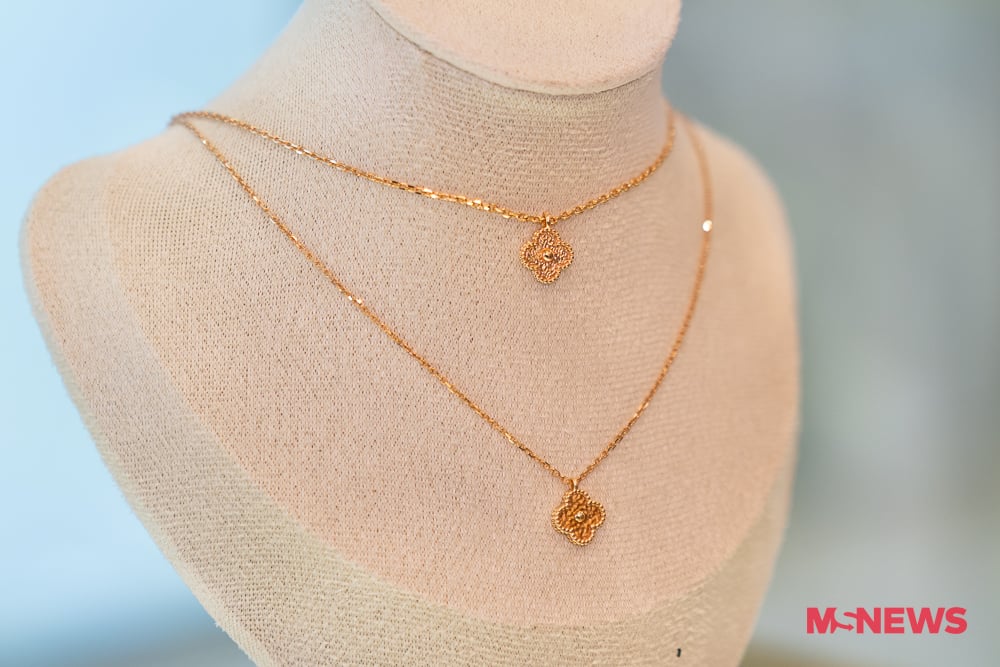
A buyer might convince themselves that the seller simply wants to declutter or needs cash urgently.
But a dramatic price difference should prompt questions.
“It cannot be, it’s too good to be true,” she said.
That does not mean every bargain is fake.
It means consumers should investigate before assuming they have struck gold.
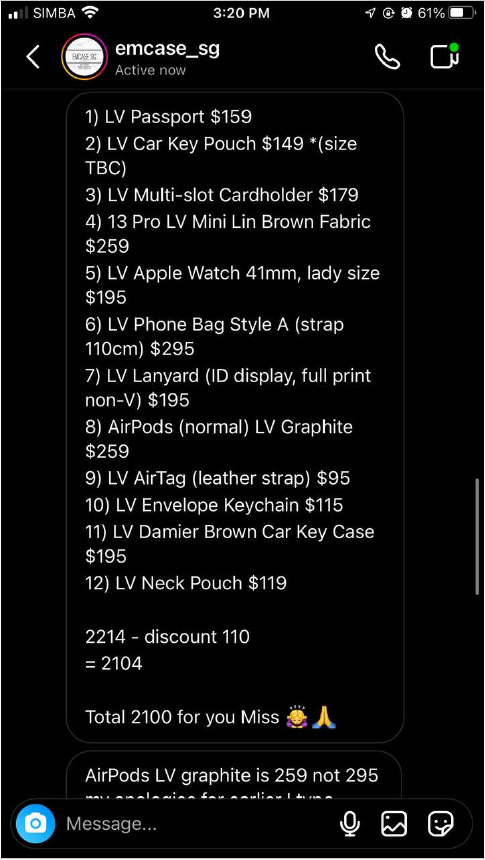
Source: elitigation.sg
The one question buyers should ask
For consumers buying from an established business, Jas has one simple question:
“This has been authenticated, right?”
She urges them to ask even if the seller seems reputable.
Even if the account has thousands of followers, or even if the packaging looks perfect.
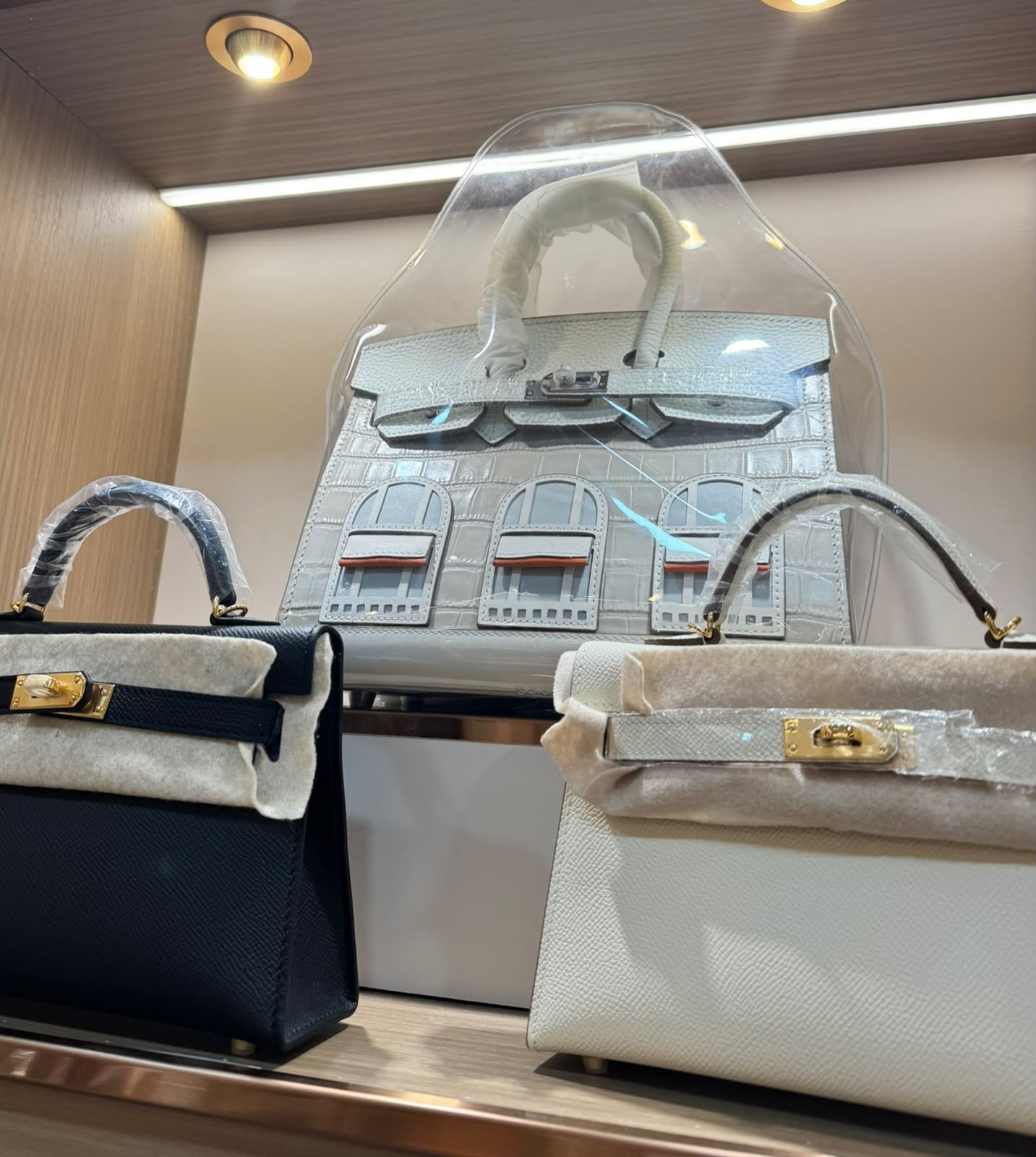
Picture of counterfeit bags being sold in overseas ‘replica’ districts that use real Epsom leather in their copies courtesy of Jas Pang, founder of WLCSG
“As the consumer, you have every right to ask,” she said.
“Consumers should not feel scared about asking questions related to authenticity.”
For consumer-to-consumer transactions, simply asking may not be enough.
A seller can claim an item has been authenticated, but buyers may have no way of verifying that claim.
Jas recommends meeting sellers in person where possible and considering independent authentication after purchase.
WLCSG is an Entrupy partner for bags.
The authentication platform uses microscopic images to assess bags and can generate authentication documentation, which Jas said carries a financial guarantee tied to the paperwork.
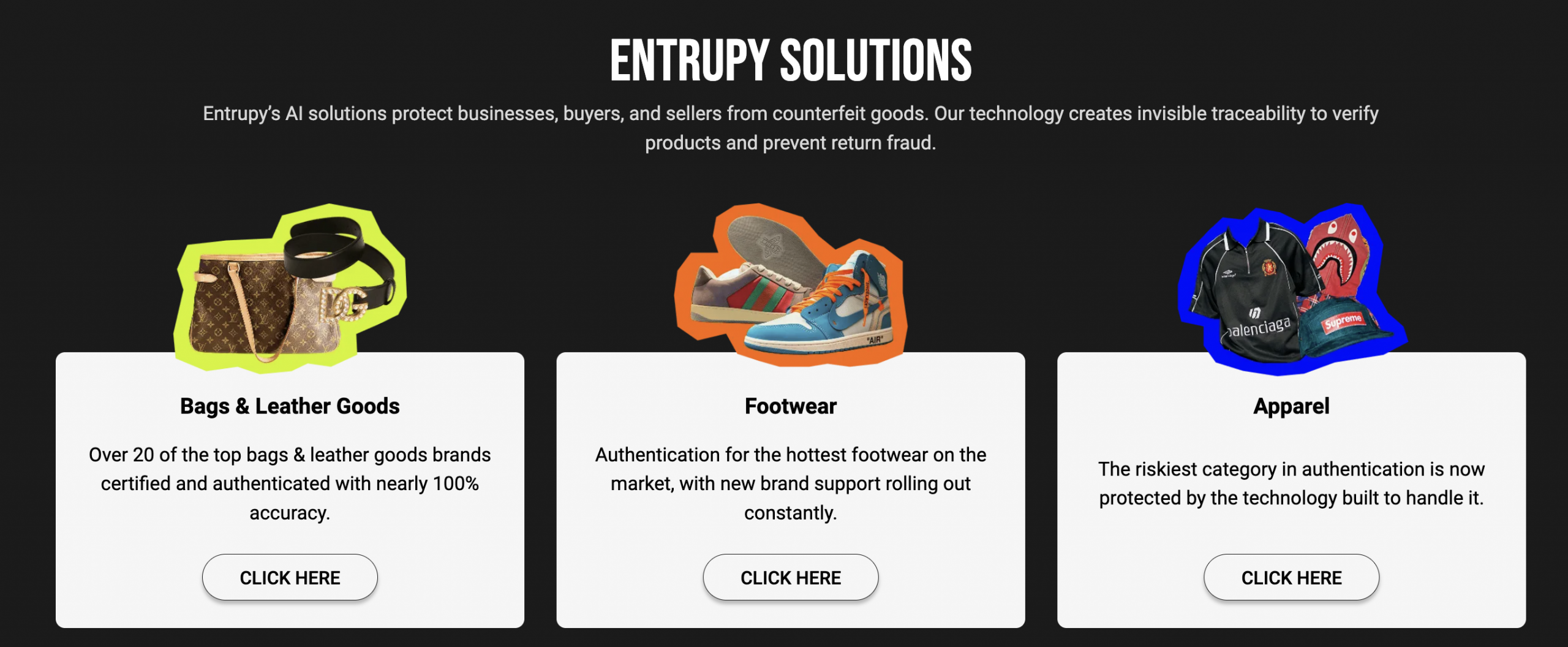
Source: Entrupy website
More than spotting a fake
For Jas, authentication is ultimately about more than identifying a counterfeit.
It is about understanding what consumers are actually buying.
She told MS News that the secondary luxury market has changed significantly since she entered the industry.
Once seen largely as cheaper alternatives for people who could not afford new luxury, the resale market can now offer rare, discontinued and exclusive vintage pieces no longer available from brands themselves.
Some buyers also consider the intrinsic value of a piece alongside its brand.
“Do they simply like the design? Do they see it as a status symbol?” Jas said.
“Or are they looking at it as a longer-term means of wealth preservation and storage?”
That has shaped how she runs WLCSG.
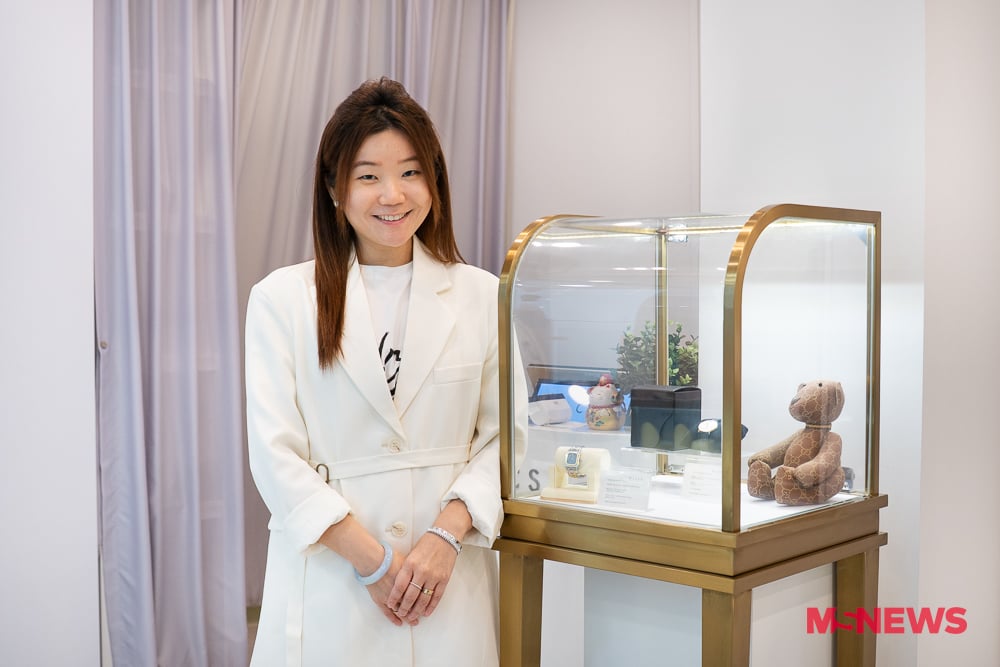
During livestreams, she said, the team talks about an item’s history, what comes with it and who it might suit, rather than simply pushing viewers to buy.
And in a market where a fake can come with a real box, a convincing certificate and even real gold, knowing what questions to ask may be more valuable than knowing what a luxury logo is supposed to look like.
“Knowing who you are buying from, and whether they will still be there for you after the transaction, is crucial,” Jas said.
“In a high-stakes industry like ours, trust is everything.”
Also read: S’porean man who sold fake Louis Vuitton goods over Instagram ordered to pay S$200K in damages
S’porean man who sold fake Louis Vuitton goods over Instagram ordered to pay S$200K in damages
Have news you must share? Get in touch with us via email at news@mustsharenews.com.
Featured image by MS News and adapted from eLitigation website.
Photography by Cassia Leong and Ian Zailee for MS News.