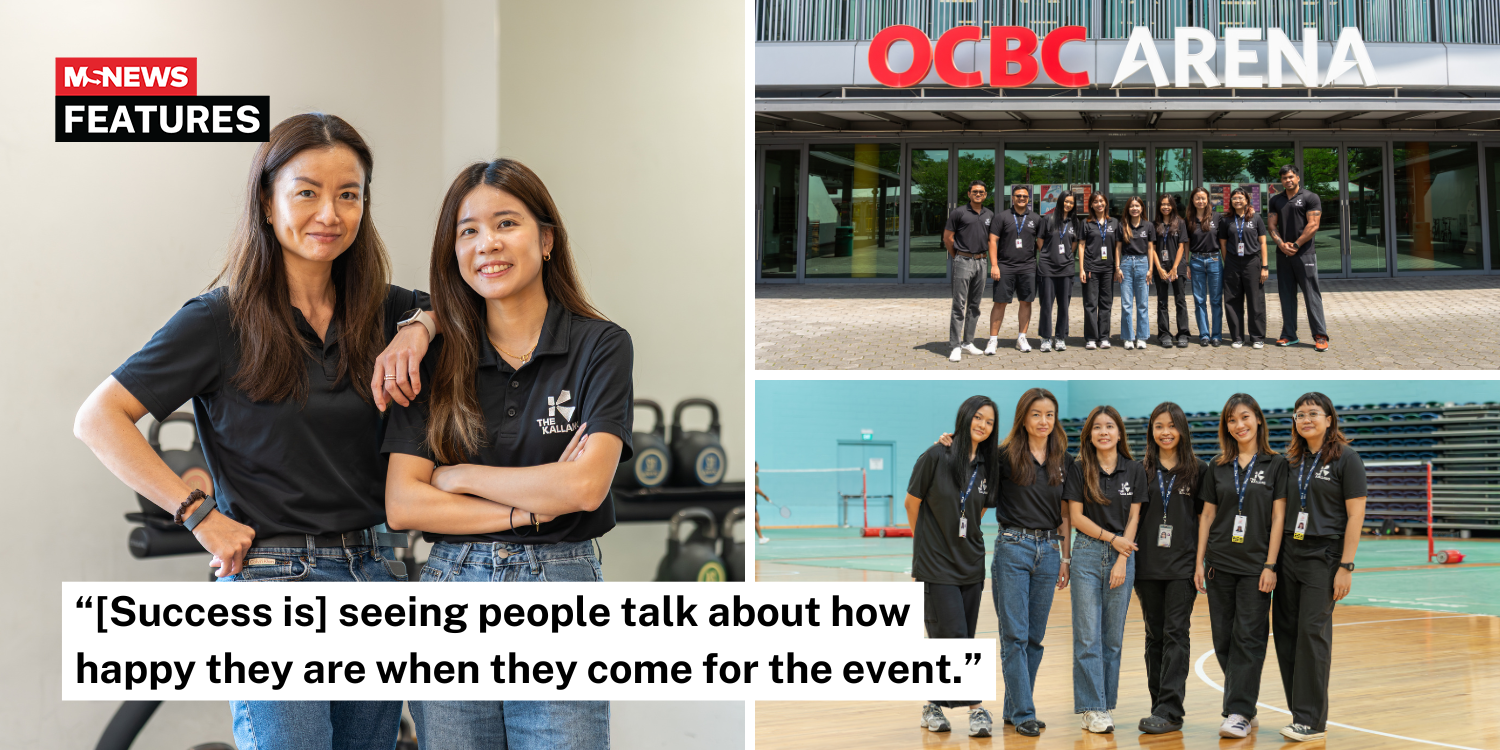

Meet the OCBC Arena venue operations team keeping Singapore’s major sporting events on track
Ever stepped into the OCBC Arena at The Kallang, whether for a casual training session or a major sporting event? Most people only see the polished end product.
The courts are primed for play. Athletes step straight into competition mode. Spectators stream in and settle into their seats. Matches begin on cue. And thousands of people move through the venue with barely a hitch.
However, like any well-oiled machine, that smooth experience is only possible because of plenty of work happening out of sight.
From Team Singapore athlete to the person behind the scenes
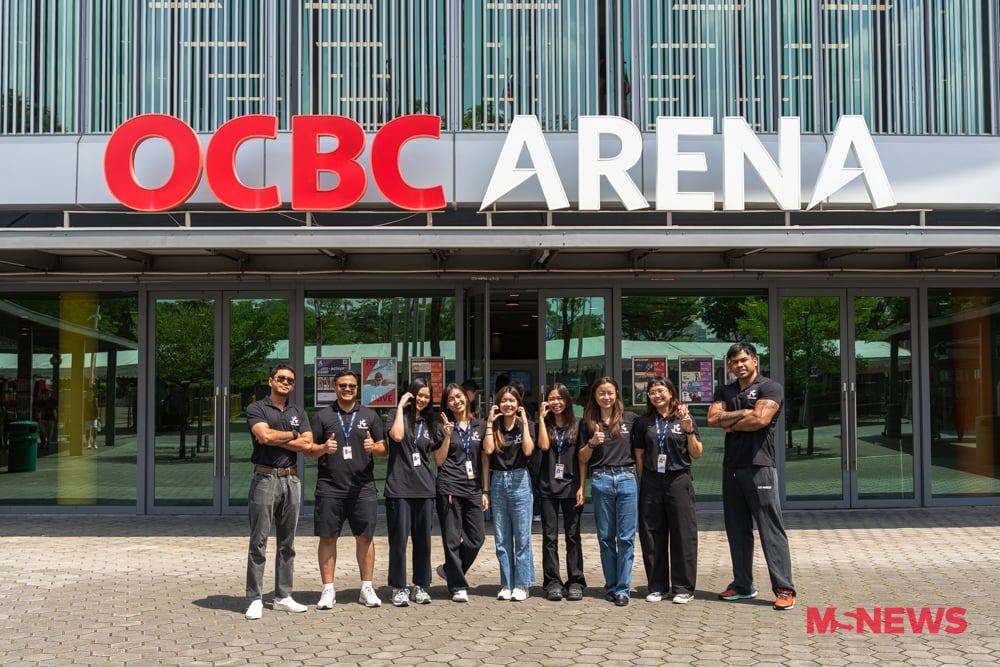
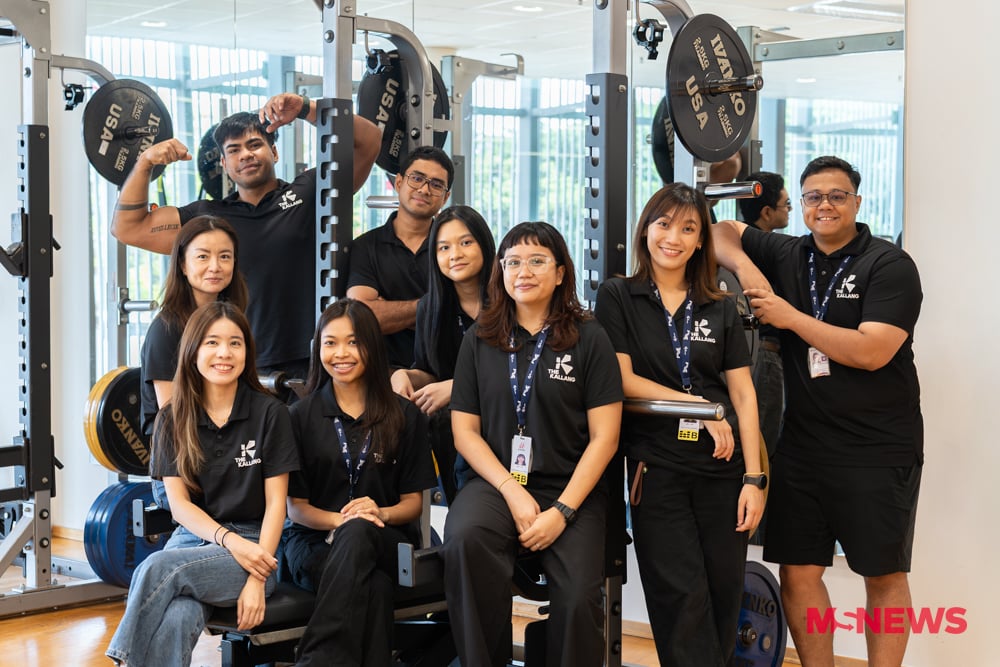
Behind the scenes is the OCBC Arena’s venue operations team, led by Jaime Cheong and supported by Sally Teo.
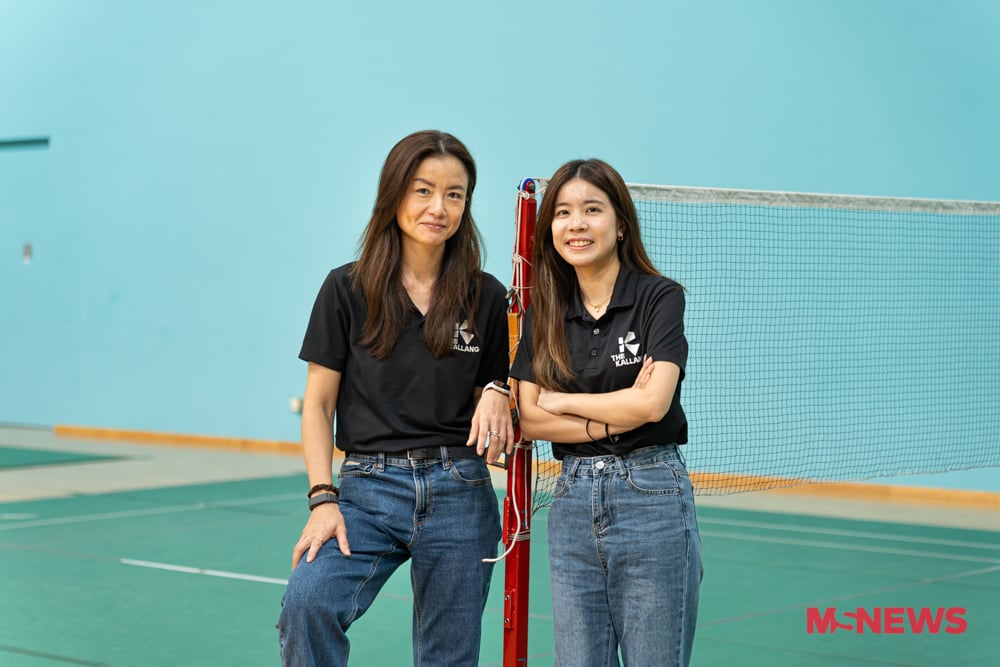
Together, they make sure the space is safe, functional, and ready to transform as each day demands.
Ms Cheong now worries about crowd flow, lighting, athlete routes, and more. However, she was once a Team Singapore floorball player and coach.
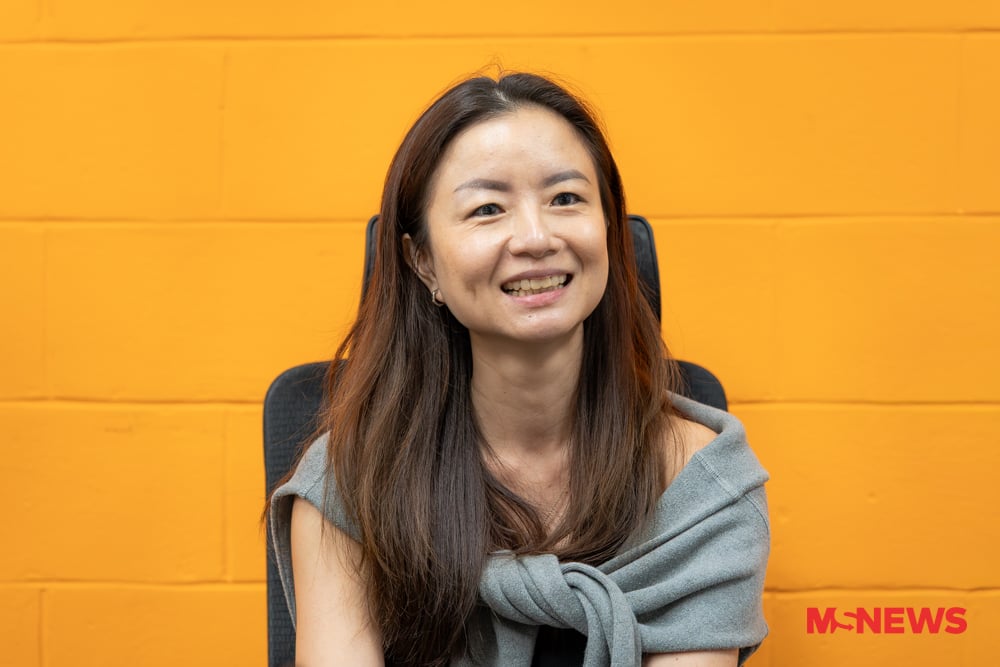
Back then, she could turn up, warm up, and compete.
“As an athlete, you just play,” she told MS News. “But now, I see all the back-of-house details that make it happen.”
Today, she leads a 10-person full-time team, with three male colleagues overseeing the in-house gym and a seven-woman team powering the Arena’s day-to-day operations, from community bookings and national team training to major international events.
From community courts to major event mode
Even on an ordinary day, the OCBC Arena is already a busy place.
Ms Cheong and her team oversee daily operations for members of the public, run programmes such as the Netball Academy and kids’ Multi Activity Camps, and support training for eight National Sports Associations that use the Arena as a primary training ground.
Her day often starts with a walk around the venue to chat with staff and make sure everything is in order.
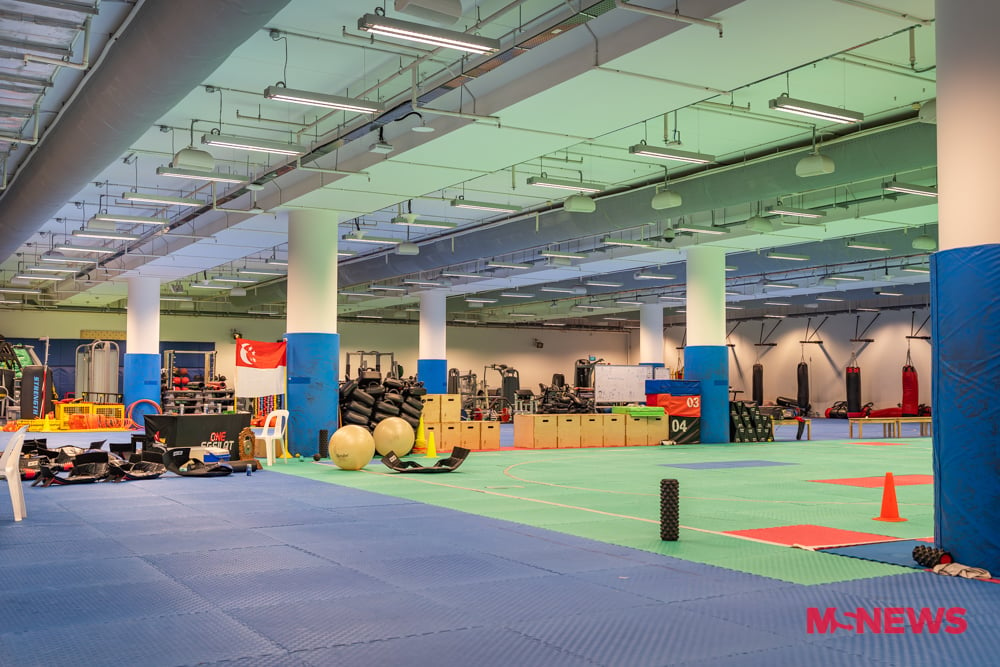
She also makes sure national team training sessions are running as planned.
If a court is no longer needed, the team releases it for public use instead.
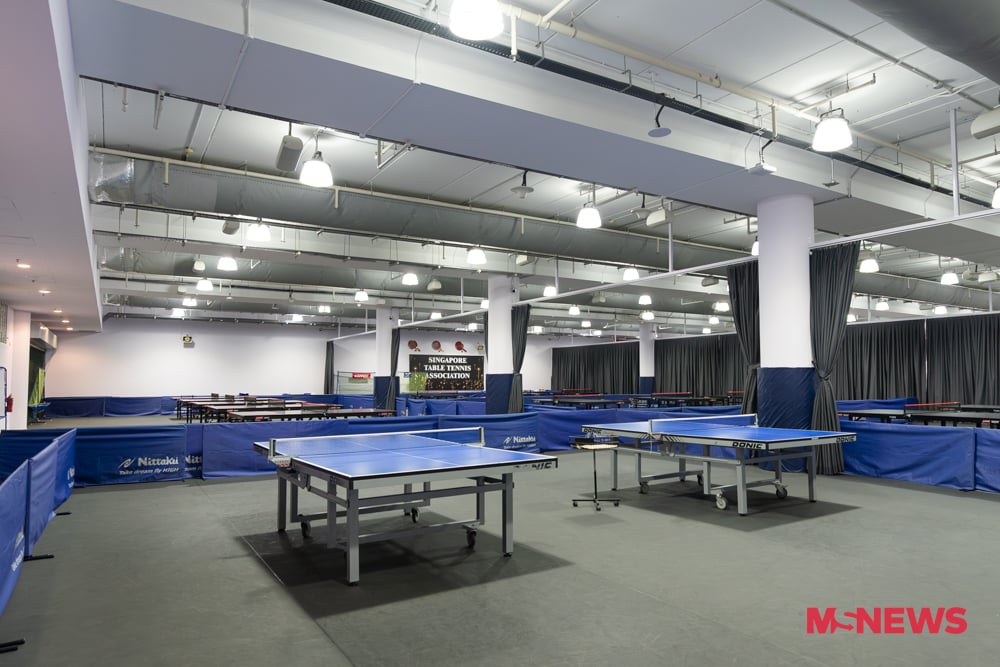
That balancing act becomes much more complex once a major tournament rolls in.
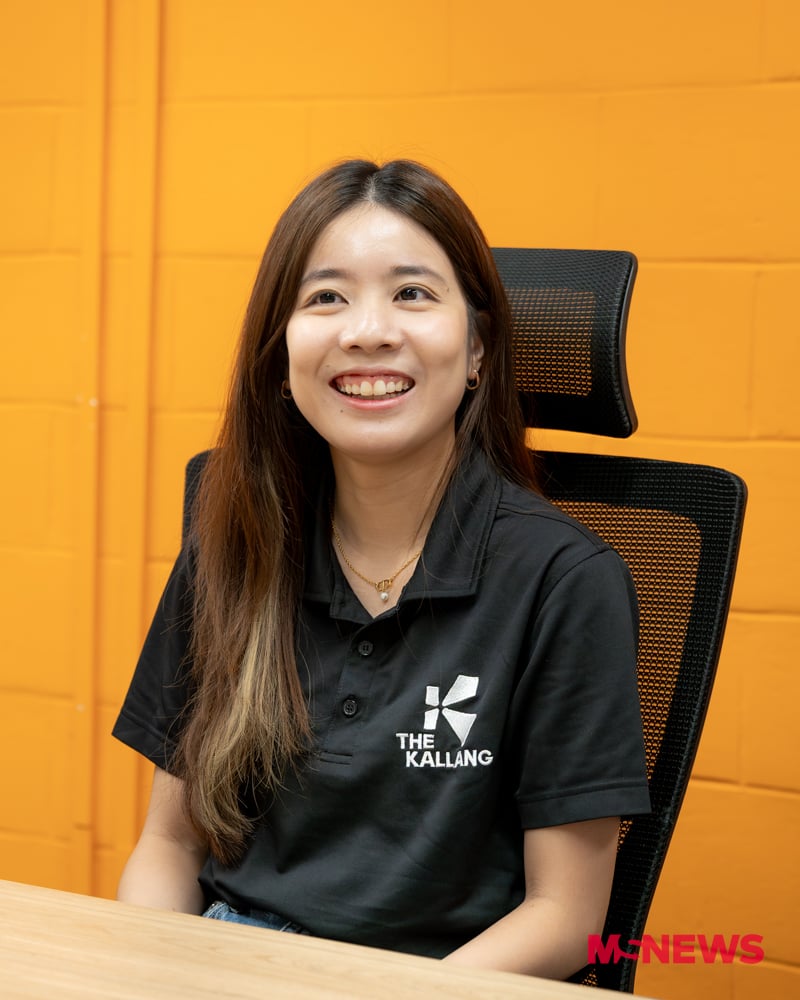
“When big events like the NBA Rising Stars Invitational or the upcoming Singapore Tennis Open (STO) move into the venue, we actually have to configure the whole entire Arena,” Ms Teo explained.
For STO 2026, the Arena’s usual equipment will be packed away before specialist courts are brought in, assembled, and painted on-site.
The normally retracted spectator seating also has to come out, while the field of play is adapted to suit the tournament.
And these transformations rarely happen in isolation.
When MS News spoke to the duo, it was still the National Day Parade (NDP) rehearsal period, adding yet another layer of activity for the team to work around.
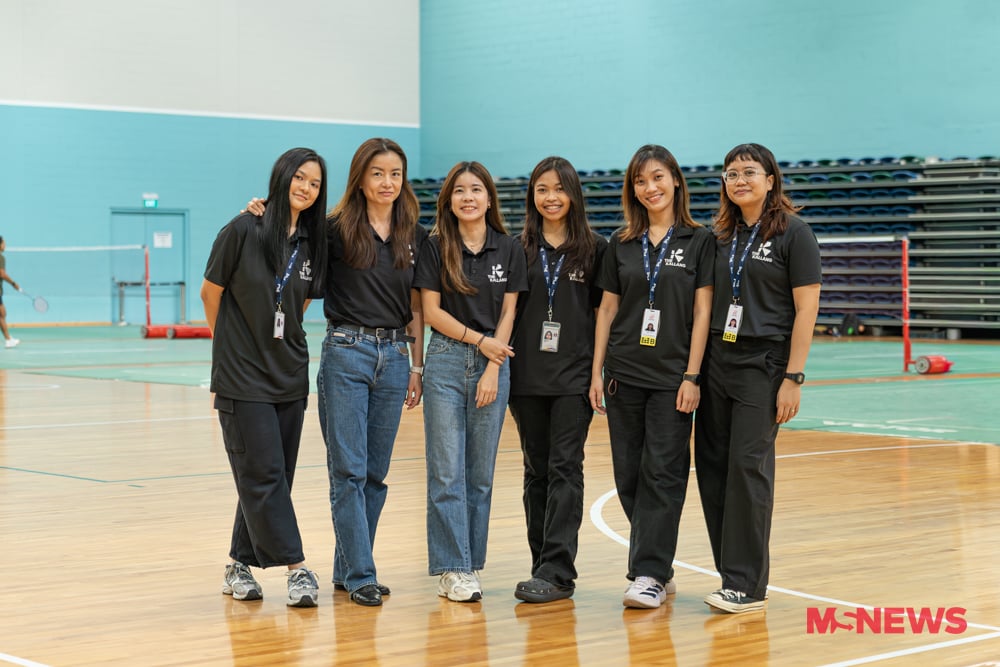
Over several weekends, the OCBC Arena served as a holding area for thousands of NDP participants before they moved over to the National Stadium, all while national training and community use continued around the rehearsals.
So while visitors may only see the Arena in its finished form, the team behind it is constantly resetting and repurposing the same space to meet whatever the next day demands.
Noticing the things she never saw as an athlete
Having spent years on the other side of the operation has given Ms Cheong a slightly different eye for venue management.
Take something as simple as lighting. A facilities manager might look up and think the court is bright enough, but Ms Cheong instinctively considers whether it is suitable for competitive play.
“Non-athletes might say the light is fine, but to me, I look at it from a sports performance perspective,” she said.
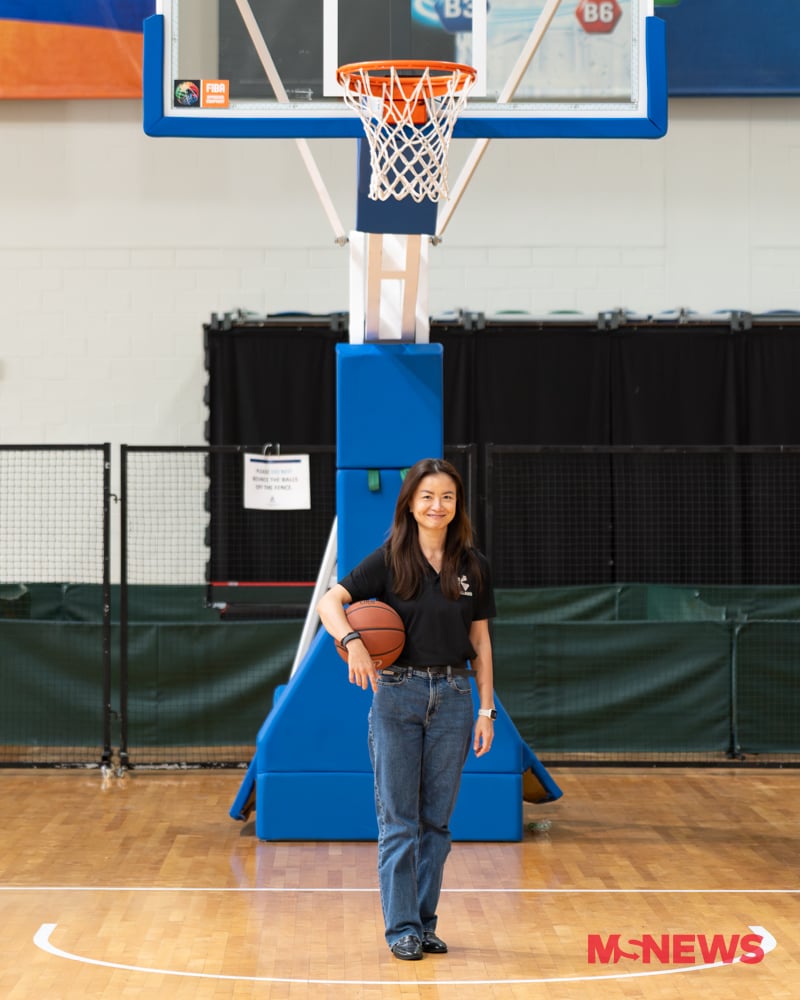
That same athlete’s eye extends to details such as warm-up areas, referee requirements, and how competitors move through the venue.
They may sound like small considerations, but at an international tournament, they can make a big difference.
Ms Cheong remembers barely registering any of this when she was competing herself.
“When I was an athlete, I didn’t notice the massive amount of effort that goes into crowd safety, athlete workflows, where we warm up, and ensuring we don’t mix with opponents or officials,” she said.
Now, she’s the one thinking several steps ahead so athletes can focus on performing at their best, while spectators sit back and enjoy the show.
Knowing how the building behaves
That perspective also comes into play when outside organisers arrive with plans for how they want to use the OCBC Arena.
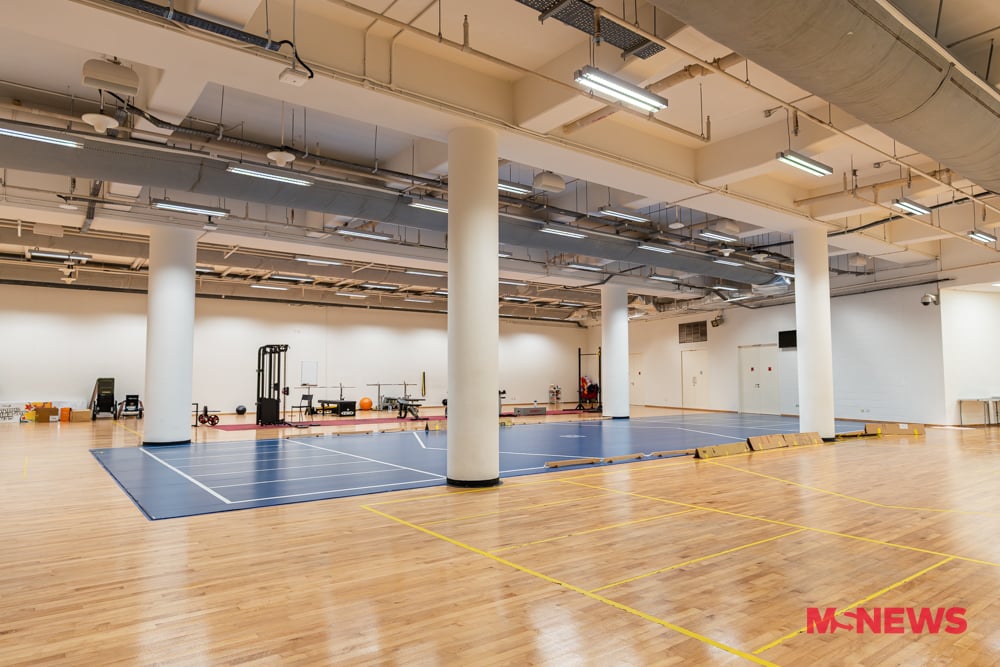
The event team may know exactly what they want to create, but it’s Ms Cheong and her team who know how the building actually behaves.
Since it’s our turf, we are very familiar with it.
That familiarity has been especially useful for STO 2026, which is moving from Kallang Tennis Hub to OCBC Arena this year.
Because some overseas stakeholders were unfamiliar with the venue, the operations team walked them through the space, showing them where the main courts and back-of-house areas could go.
From there, the discussions became much more granular.
Players’ changing rooms, for instance, need a certain number of lockers and vanity areas, while the team has to work out which spaces make the most sense for athletes, officials, and other tournament functions.
Some of the changing rooms are even being refurbished ahead of STO to improve the player experience.
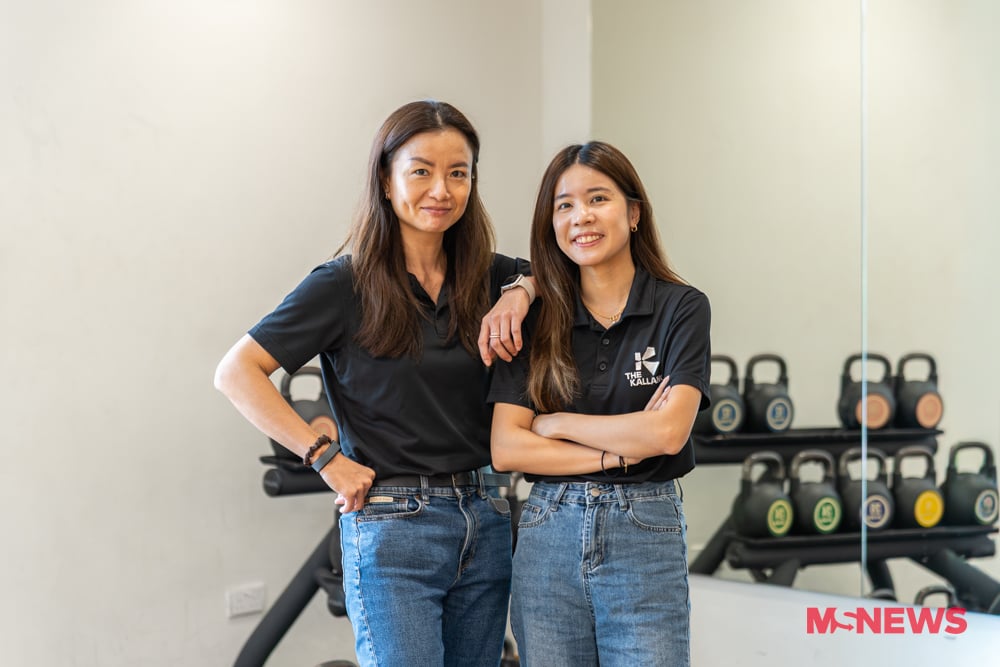
Ms Cheong and her colleagues also advise organisers on whether a preferred setup will actually work once translated from paper to the physical space.
“There are some things they want ideally, but they realise that realistically it cannot be done,” Ms Cheong said.
That is where knowing every corridor, room, and quirk of the Arena comes in handy. Their job isn’t simply to flag what won’t work, but to find a version that will.
As Ms Teo put it: “It’s about managing expectations.”
When things don’t go according to plan
Of course, knowing the venue inside out doesn’t mean everything always goes according to plan.
Ask Ms Cheong about the most stressful part of running a major sporting fixture, and she boils it down to what she calls the “three C’s”: chaos, characters, and crowds.
All three came into play during the recent NBA Rising Stars Invitational.
K-pop group LNGSHOT had been invited to perform, drawing die-hard fans who began gathering outside the venue hours before the programme.
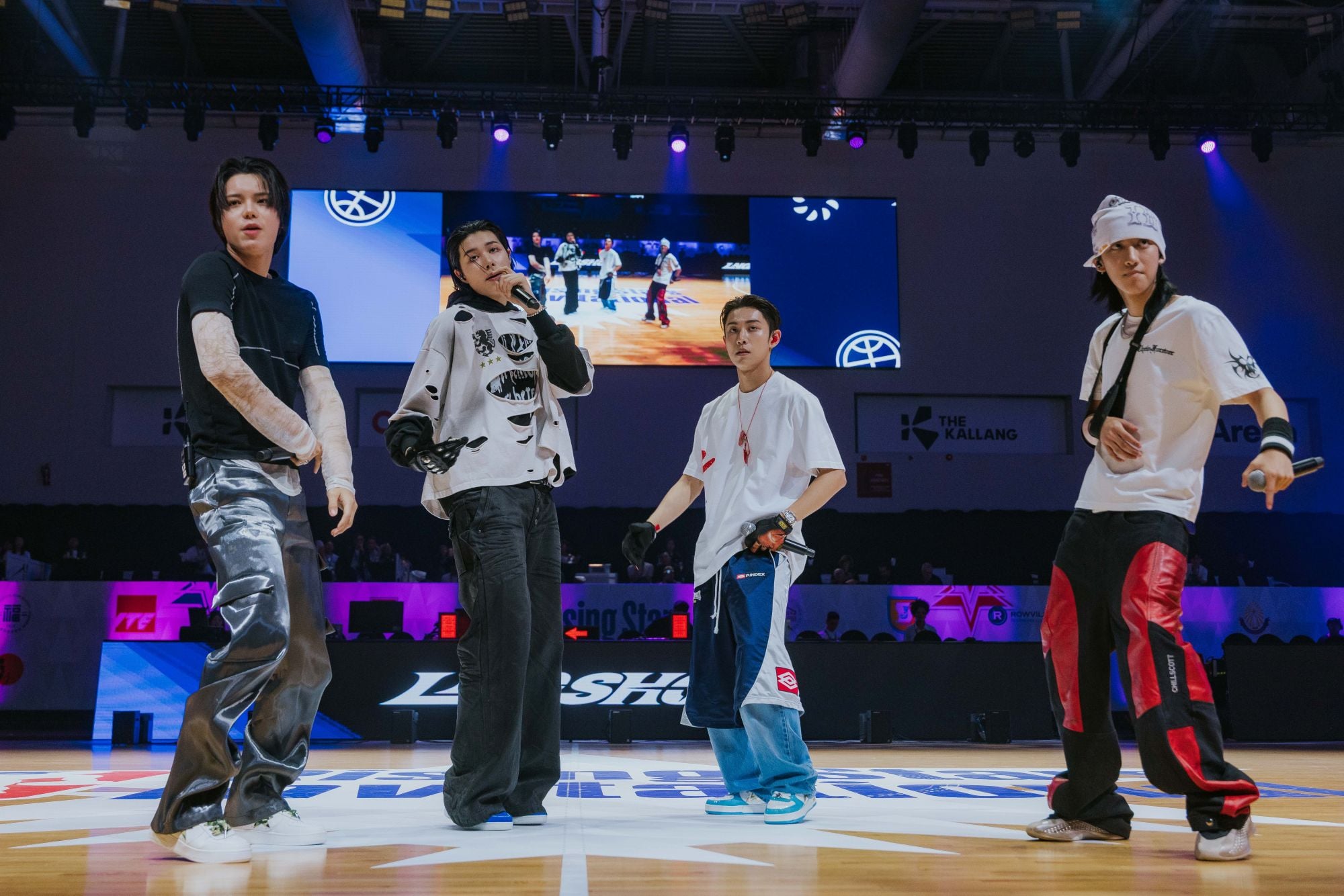
Image courtesy of NBA Rising Stars Invitational
The operations team had anticipated the interest and was already keeping an eye on the crowd.
But when some fans began approaching departing patrons to ask for their wristbands so they could get inside, the team had to react quickly.
Staff immediately changed the re-entry protocol, requiring patrons to show their original tickets rather than simply presenting a wristband.
And that wasn’t the only curveball the team faced that day.
During the game, a piece of venue equipment experienced a technical issue and required attention at halftime.
Thankfully, the team had already arranged for a contractor to be on standby, and the issue was quickly resolved.
For Ms Teo, staying calm in those moments is as much a team effort as fixing the problem itself.

“We focus mainly on teamwork and also calming each other down,” she said. “As long as we work hand-in-hand, I don’t think there will be any major issues.”
STO comes to OCBC Arena from 21 to 27 Sept
That ability to adapt on the fly will soon be put to use again, with STO returning from 21 to 27 Sept 2026 at the OCBC Arena.
And there’ll be plenty for both serious tennis fans and casual visitors to look forward to.
The upgraded WTA 500 tournament will be led by World No. 3 Jessica Pegula, alongside Top 10 players Mirra Andreeva and Amanda Anisimova.

Source: @jpegula on Instagram
Regional favourites including Alexandra Eala, Indonesia’s Janice Tjen, and China’s Wang Xinyu will also compete.
The main draw from 21 to 27 Sept will feature 28 singles players and 16 doubles teams. Single-session tickets start from S$8.
Those hoping to catch some tennis for free can head down for the qualifying rounds on 19 and 20 Sept. Entry is on a first-come, first-served basis, subject to venue capacity.
There’s free action beyond the OCBC Arena, too.
The Singapore Tennis Invitational Cup features top national players from the region. It will run from 23 to 26 Sept at Kallang Tennis Hub. Entry is free, on a first-come, first-served basis.
And you won’t need a match ticket to soak up some of the atmosphere outside the courts either.
The Fan Zone at Arena Park will be open to the public. There will be food and beverage options, interactive fan activities, merchandise booths, and screenings of selected matches.
More than a year of prep for STO
For Ms Teo and the venue operations team, getting all of that ready has taken more than a year.
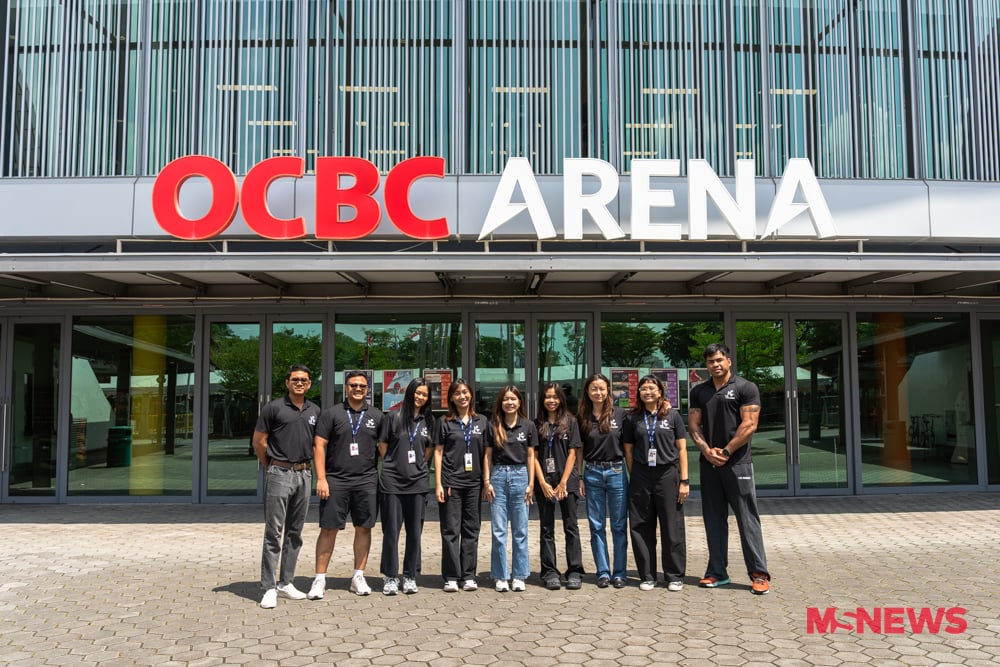
Preparations began last August. The team first sat down with stakeholders to work out exactly what they needed from the venue.
There’s also more to prepare for this time around. STO has stepped up from a WTA 250 to a WTA 500. This makes it Southeast Asia’s only WTA 500 tournament and one of just 18 globally.
To match that jump in scale, Ms Cheong said the team is aiming for something of a “Wimbledon style” atmosphere.
But behind all the bells and whistles, Ms Teo said the measure of a successful tournament is much simpler:
Everyone being safe is the top priority. On top of that, it’s seeing people talk about how happy they are when they come for the event.
For STO 2026’s full player line-up, schedule, ticket options, and Fan Zone activities, visit the official website.
Also read: Meet the S’porean who wants every visitor at The Kallang to feel included & cared for, ticket or not
Meet the S’porean who wants every visitor at The Kallang to feel included & cared for, ticket or not
Have news you must share? Get in touch with us via email at news@mustsharenews.com.
Featured image by MS News. Photography by Cassia Leong.