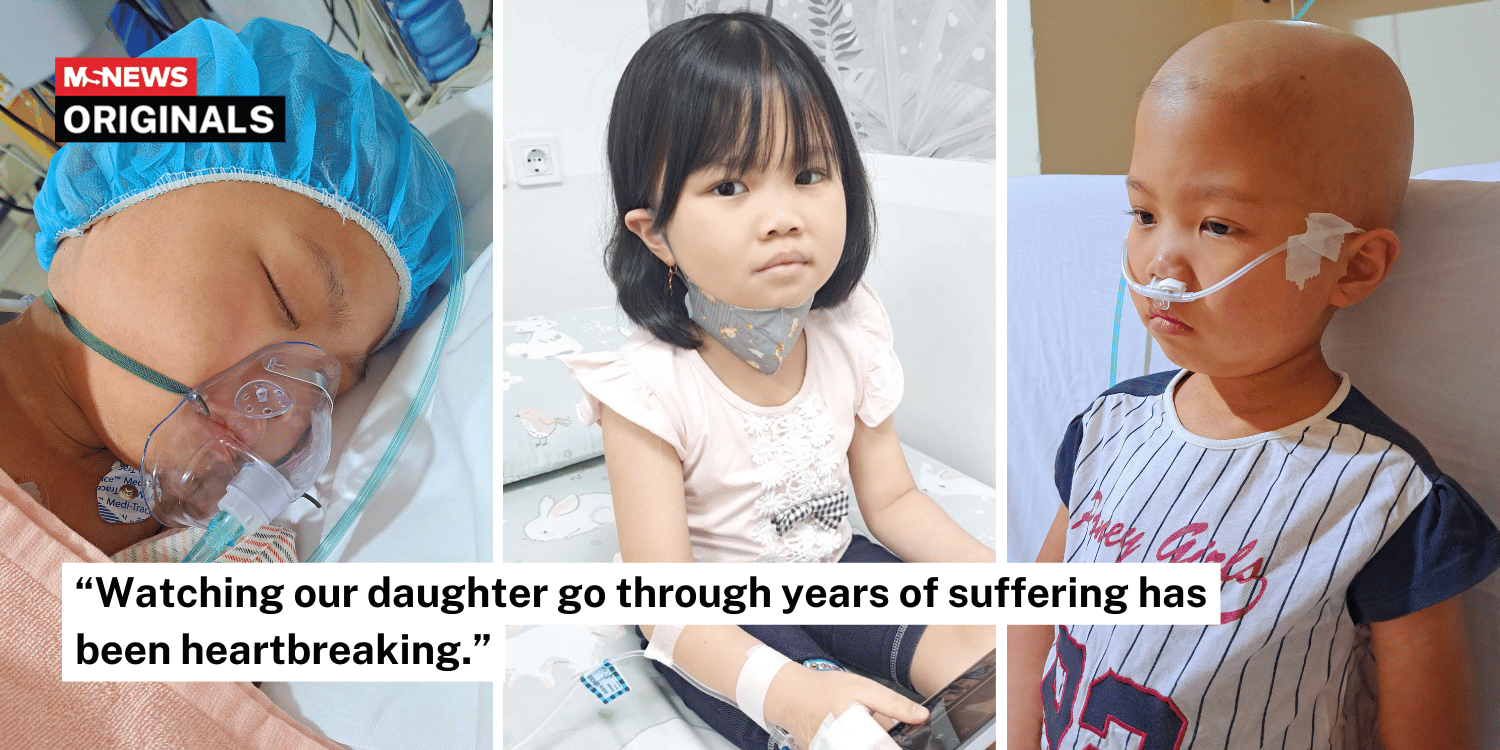

‘Her battle is far from over’: 8-year-old with rare blood disorder faces serious complications after transplant
An eight-year-old Indonesian girl who underwent a bone marrow transplant is facing another uphill battle, as serious complications continue to hamper her recovery.
Speaking to MS News, Kezia’s mother, Yulia, said her daughter is currently receiving treatment at Subang Jaya Medical Centre (SJMC) in Malaysia after developing chronic graft-versus-host disease (GVHD) following the transplant.
The condition has affected Kezia’s liver and digestive system, leaving her reliant on several medications, frequent hospital visits, and close medical monitoring.
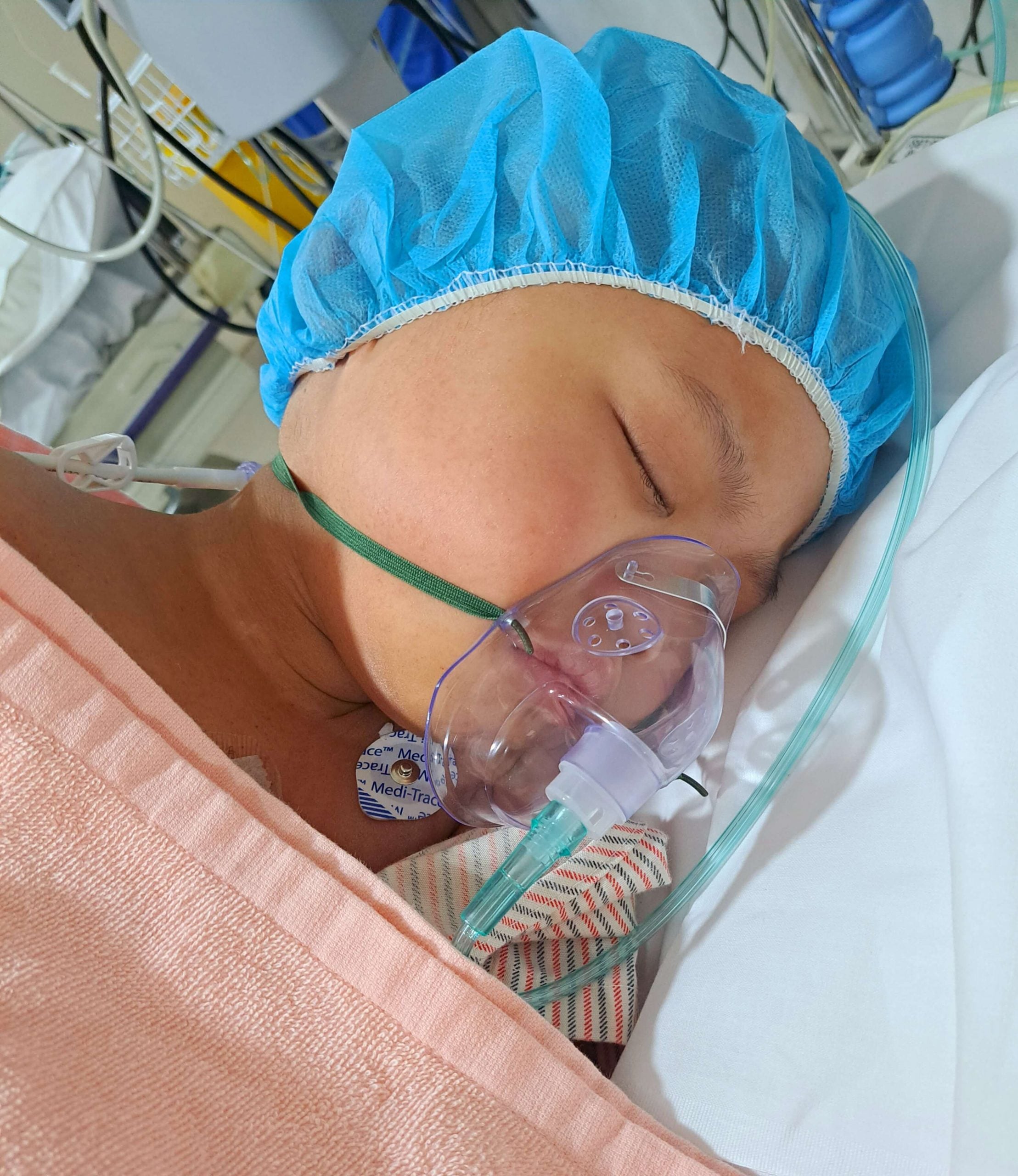
Image courtesy of Yulia
After exhausting their savings and borrowing money to fund her care, the family turned to a Give.Asia fundraiser to help cover Kezia’s medication, laboratory tests, hospital appointments, and other ongoing medical expenses in Malaysia.
Diagnosed with an extremely rare blood disorder at 6 months old
Yulia told MS News that Kezia was diagnosed with Haemoglobin Little Venice after becoming “extremely pale and weak” when she was just six months old.
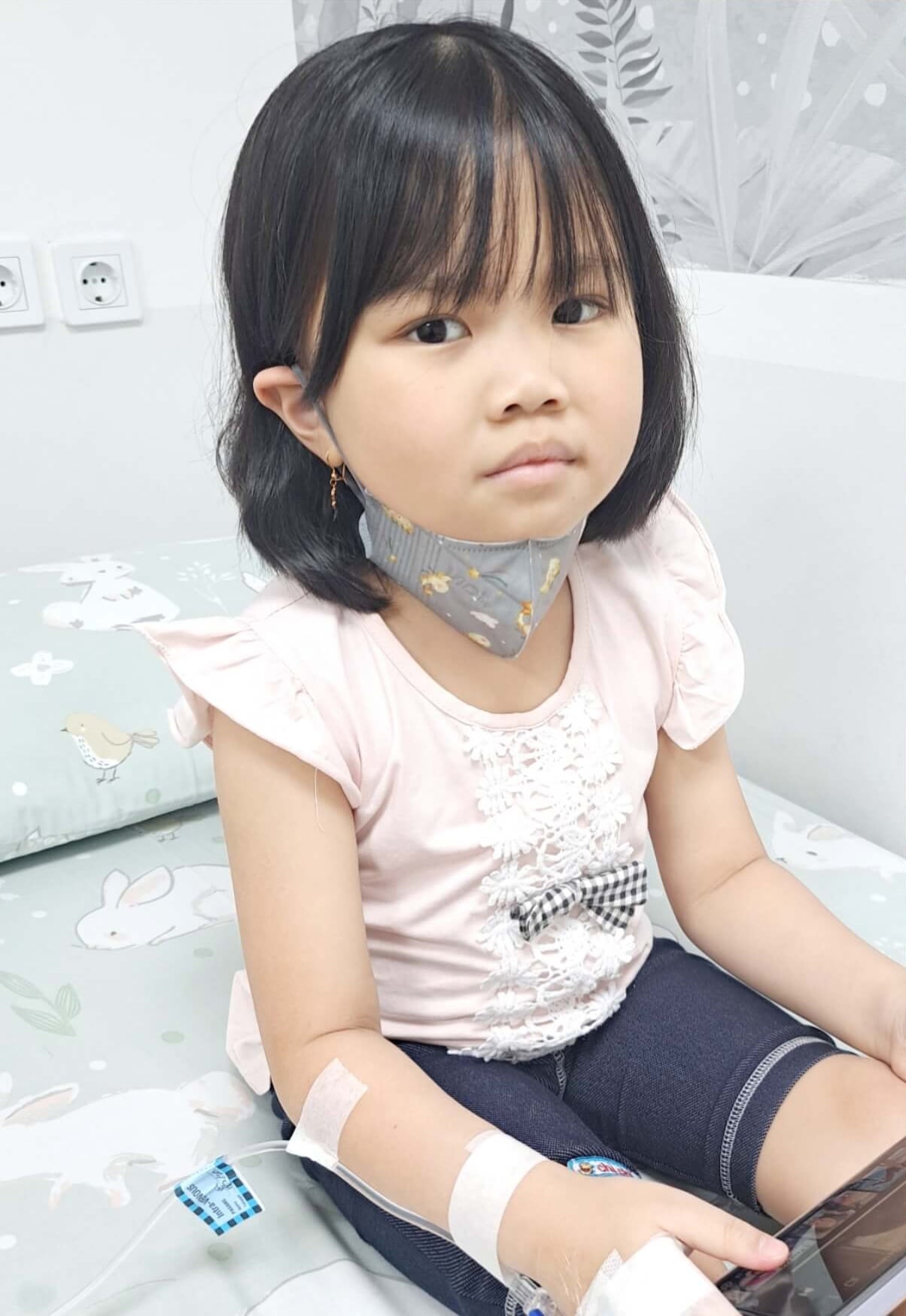
Image courtesy of Yulia
She described the condition as an extremely rare inherited blood disorder and a form of beta thalassaemia, where the body struggles to produce enough healthy red blood cells.
According to the fundraiser, Kezia’s red blood cells are unstable and “break down too quickly”, resulting in severe anaemia that leaves her weak and breathless.
She began receiving blood transfusions at six months old and continued to depend on them throughout her childhood.
“For the next eight years of her life, she would need those transfusions again and again, just to survive,” Yulia wrote on the fundraiser page.
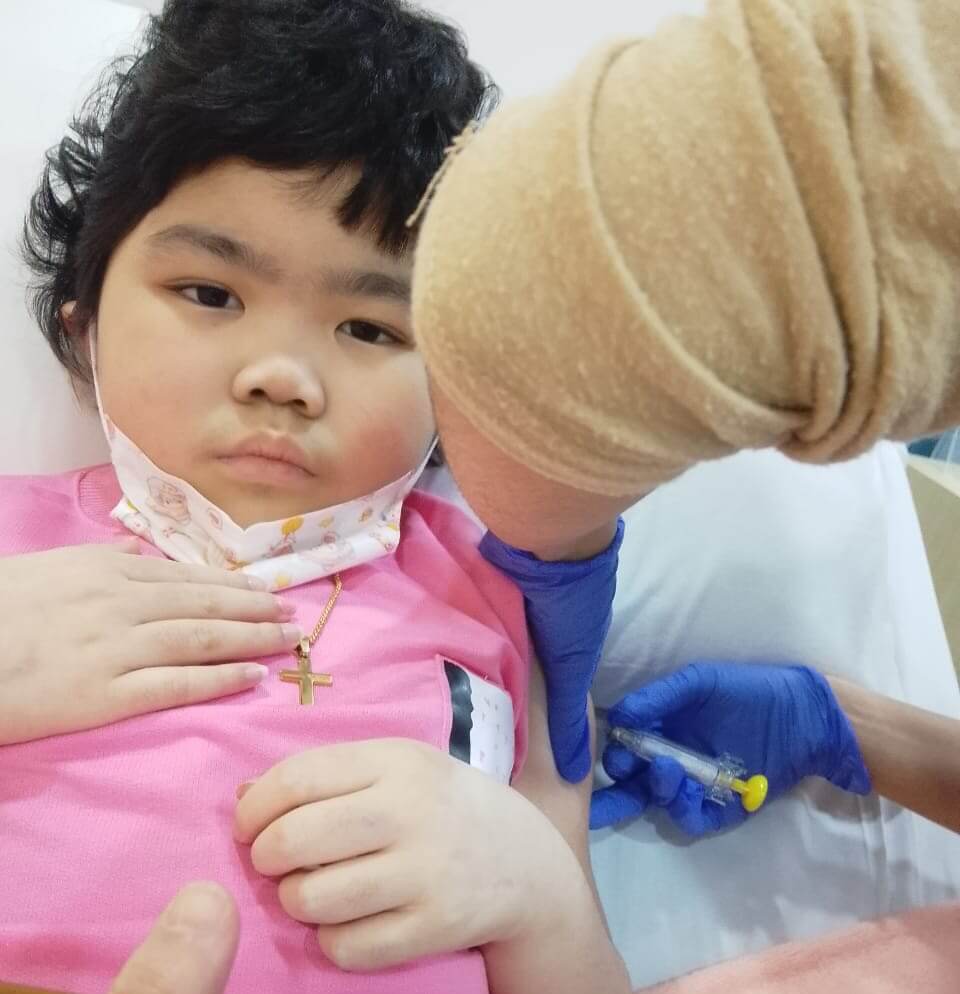
Image courtesy of Yulia
The family travelled between hospitals looking for an explanation before DNA testing in Malaysia eventually identified the Haemoglobin Little Venice variant.
The fundraiser states that only two known cases of the specific variant have been identified worldwide.
Over time, however, the repeated transfusions began creating another problem.
Yulia wrote on the fundraiser that the transfusions were only a temporary solution, while the resulting iron build-up put Kezia’s internal organs at risk.
Her condition also affected her growth. “Even now, at eight years old, Kezia still looks like she is only three or four years old.”
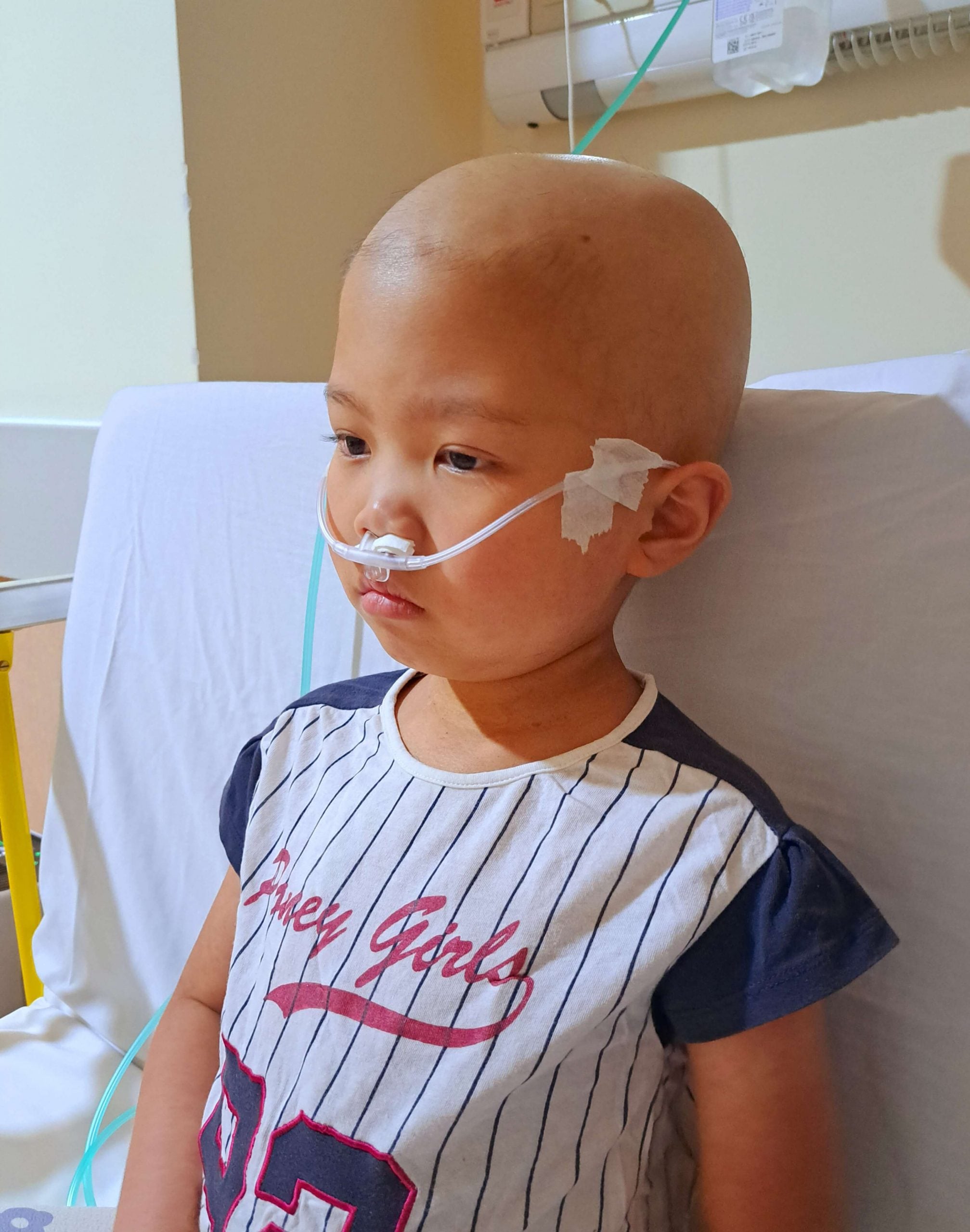
Image courtesy of Yulia
Family spent years searching for a bone marrow donor
With regular transfusions unable to cure Kezia’s condition, the family began searching for a suitable bone marrow donor in 2019.
A closely matched unrelated donor was eventually found through international bone marrow donor registries, and Kezia underwent her bone marrow transplant at SJMC in October 2025.
Yulia said the family chose the Malaysian hospital after consulting several doctors and being advised that SJMC had an experienced paediatric bone marrow transplant team with expertise in treating children with rare blood disorders.
“Since a bone marrow transplant was Kezia’s only chance for a cure, we decided to proceed with the treatment there despite the significant financial burden on our family,” she said.
However, Kezia’s recovery has since been complicated by chronic GVHD, a condition in which immune cells from the donor attack the recipient’s body.
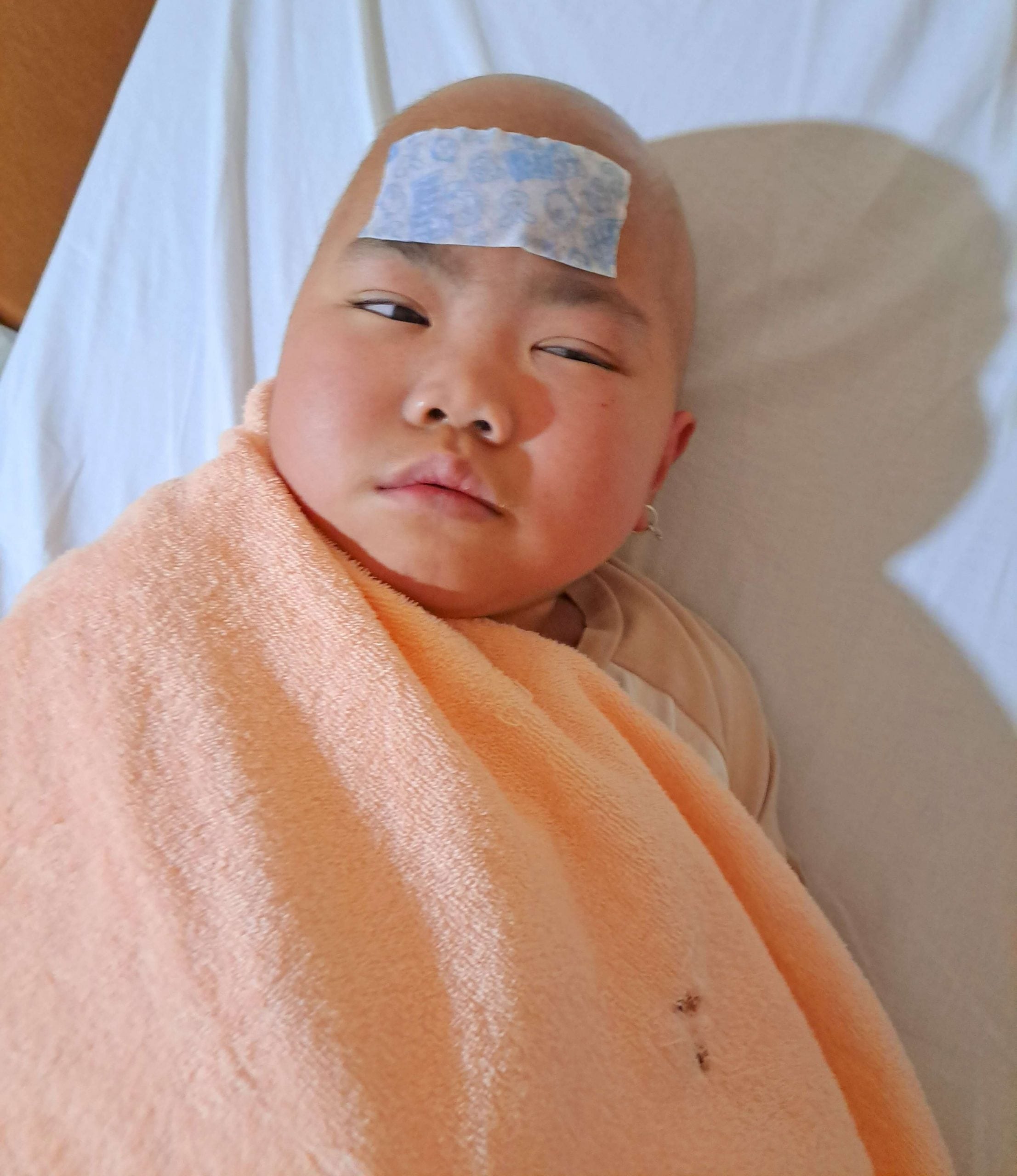
Image courtesy of Yulia
In Kezia’s case, Yulia said the condition has affected her liver and digestive system, causing stomach pain, abnormal liver function, fatigue, and low blood counts.
We cannot yet say that the transplant has been fully successful.
Her weakened immune system has also significantly restricted her daily life.
“She must avoid crowded places and is unable to live like other children her age,” Yulia said.
Instead, Kezia spends much of her time attending medical appointments, taking medication, and recovering at home.
Kezia requires several costly medications
Kezia’s post-transplant complications mean that she continues to require ongoing treatment.
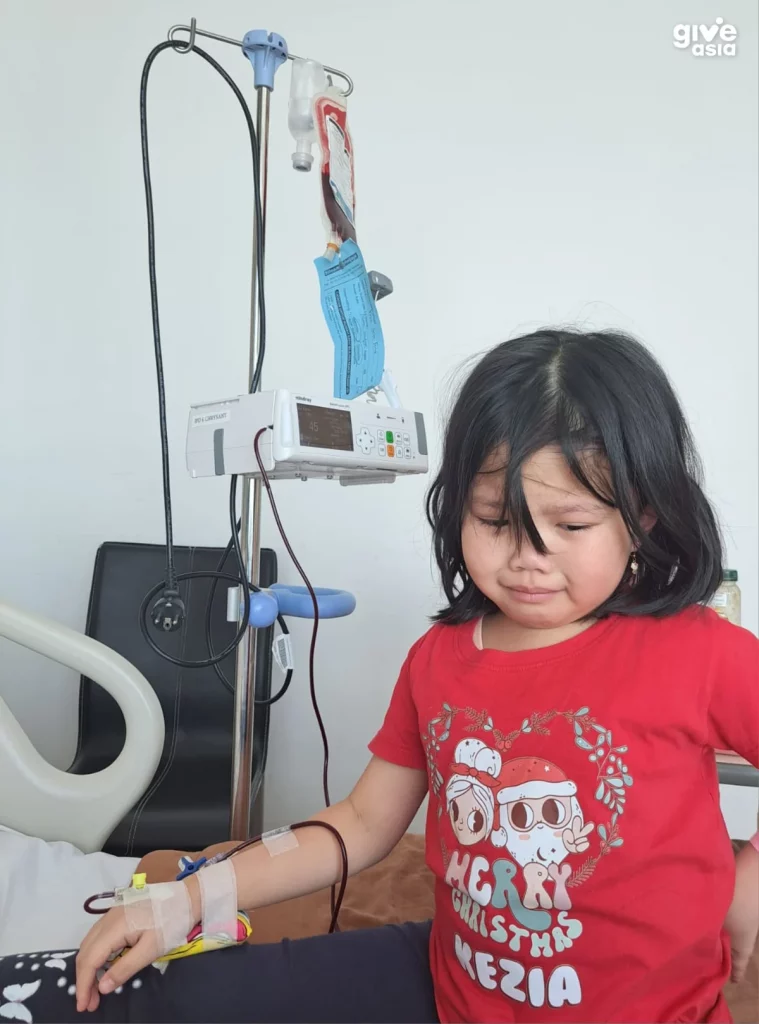
Source: Give.Asia
Yulia said her daughter currently takes four to five medications to control her GVHD, alongside medication to stimulate the production of red blood cells and platelets.
The fundraiser also states that doctors prescribed Cogum to help stimulate her bone marrow as her platelet counts continued to fluctuate.
According to the campaign page, the medication costs more than S$16,000, although it is unclear how many doses Kezia will ultimately require.
Yulia separately told MS News that Kezia’s overall medical expenses can exceed RM20,000 (around S$6,250) a month, depending on her condition.
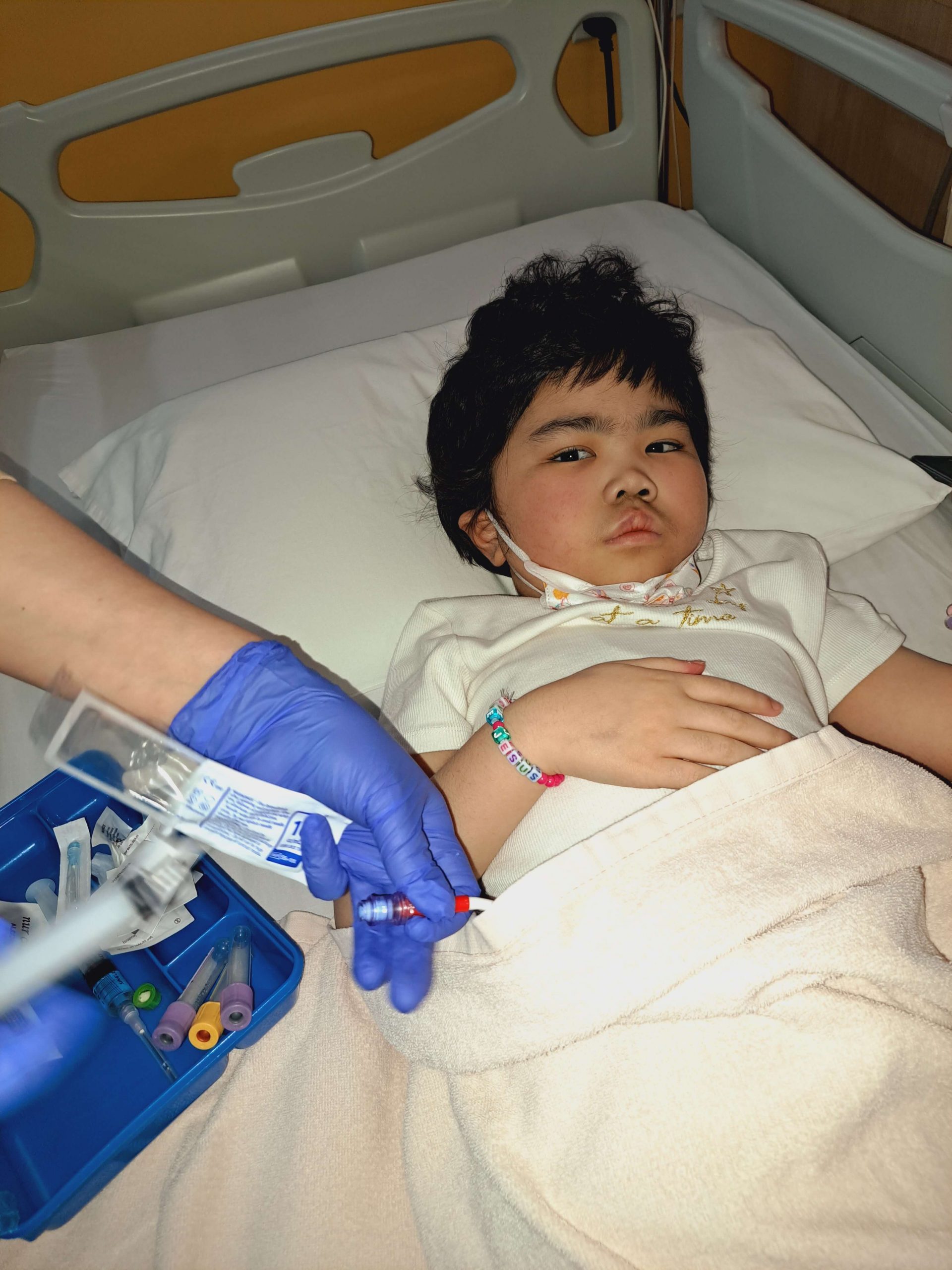
Image courtesy of Yulia
Some individual treatments also come with hefty price tags.
“Jakavi costs approximately RM8,000 (around S$2,500) each time we need to purchase it, while Infliximab, which is used to treat her GVHD, costs around RM7,000 (around S$2,200) per dose,” she said.
Other expenses include weekly follow-up appointments, blood tests, specialist consultations, and medicines to support her red blood cell and platelet production.
There is also no fixed end date for her treatment. Yulia said doctors will continue monitoring Kezia until her immune system becomes stable and her GVHD is under control, a process that could take many months or even several years.
Mum remains in Malaysia as Kezia undergoes treatment
Yulia, 40, is a housewife and Kezia’s full-time caregiver.
She is currently staying in Malaysia with her daughter so Kezia can continue receiving treatment and attending her weekly appointments at SJMC.
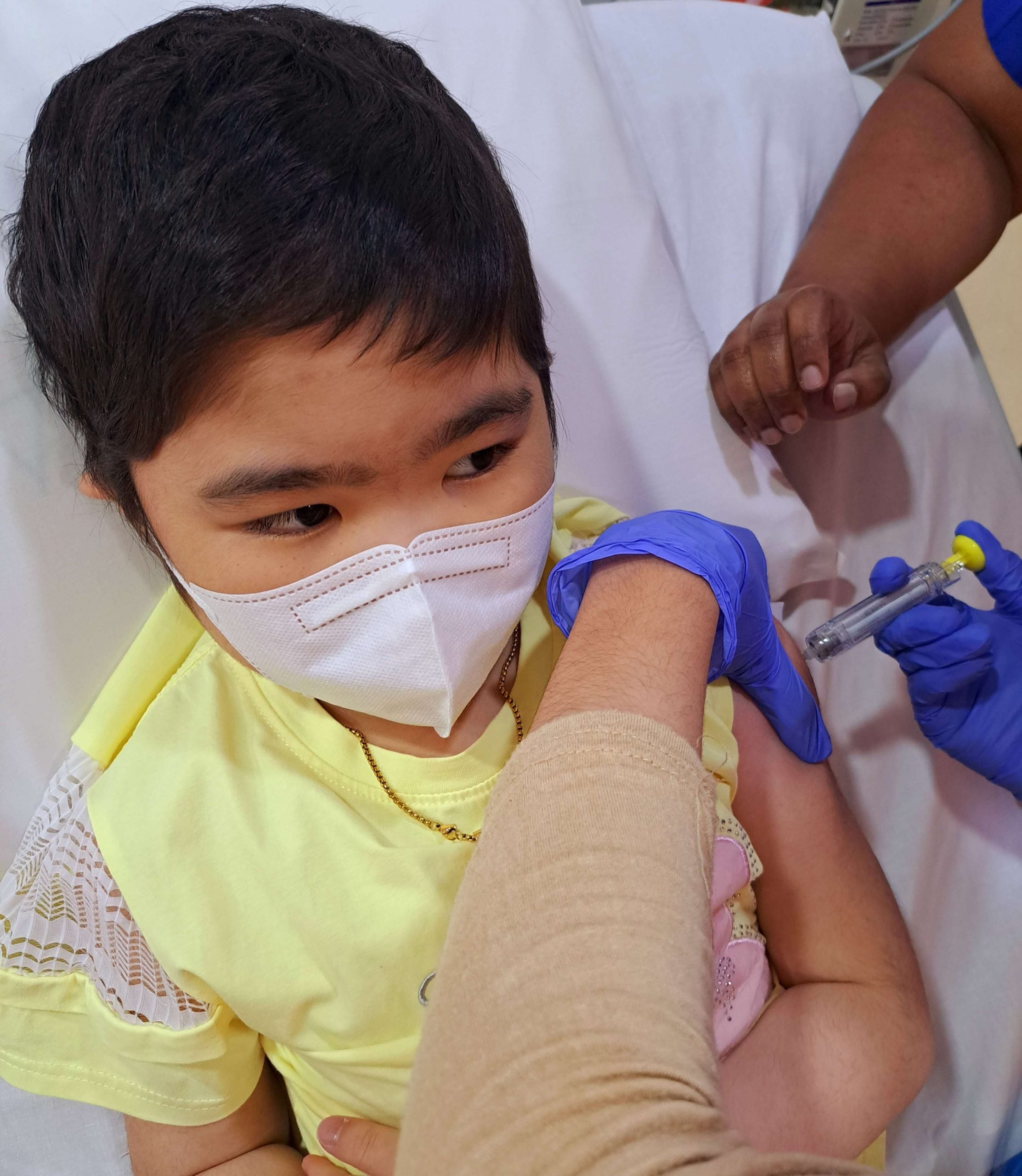
Image courtesy of Yulia
Yulia said she is currently not working as she needs to stay by Kezia’s side and accompany her to hospital appointments and treatments.
The family plans to remain in Malaysia for as long as Kezia needs regular follow-up care with her transplant team.
“We will only return home when her doctors confirm that it is safe for her to continue treatment there,” Yulia said.
The prolonged treatment has also taken an emotional and financial toll on the family.
This journey has been incredibly difficult for our family, both emotionally and financially. Watching our daughter go through years of suffering has been heartbreaking.
“We have exhausted our savings, borrowed money, and relied on the kindness of donors to continue her treatment,” she added. “Despite everything, we remain hopeful and continue to pray for Kezia’s full recovery.”
Family still needs support for Kezia’s long-term treatment
Yulia said the funds raised through Give.Asia have helped cover Kezia’s care and medication, but remain far from enough to meet the total cost of her bone marrow transplant and ongoing medical expenses.

Source: Give.Asia
With no certainty over how long Kezia will require medication and follow-up care, the family continues to need financial support.
“Our greatest hope is that by sharing Kezia’s experience, more people will become aware of rare blood disorders and help us continue her fight toward recovery,” she told MS News.
We know many families are facing their own struggles, so we are deeply grateful to everyone who has shown kindness and compassion to Kezia.
Give.Asia clarified to MS News that Kezia is currently receiving treatment at SJMC in Malaysia and that donations raised through the campaign are intended to support her hospital and related medical expenses there.
Those who wish to support Kezia may do so through her verified Give.Asia fundraising campaign.
The fundraising page states that donations will be managed by Give.Asia and paid directly towards Kezia’s hospital bills in Malaysia.
Also read: NUS student in ICU after drowning in campus pool, is now reunited with parents in China
NUS student in ICU after drowning in campus pool, is now reunited with parents in China
Have news you must share? Get in touch with us via email at news@mustsharenews.com.
Featured image courtesy of Yulia.