
MS Explains: Why it took a longer time to close the Circle Line loop
Singapore ‘s Circle Line (CCL) has been operational since 2009.
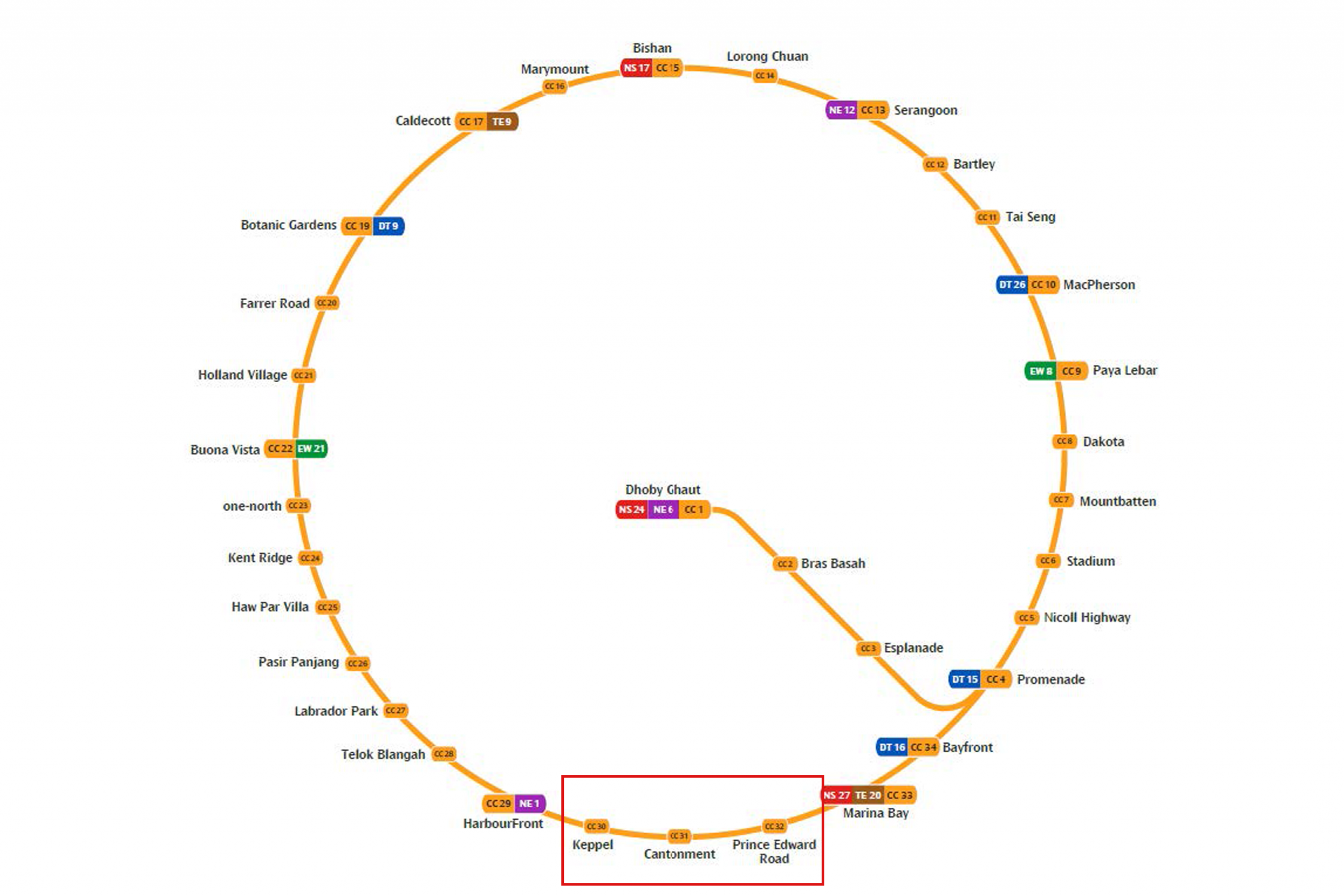
However, despite its name, it has functioned as an open-ended route for the longest time — with Harbourfront on one end, and Marina Bay on the other.
Source: Wikipedia
The gap will finally close on 12 July, when Keppel, Cantonment, and Prince Edward Road stations open as part of Circle Line Stage 6 (CCL6).
Since it’s just three stations, you’d think closing the loop would be a walk in the park.
But what many don’t see is the highly complex construction challenges and necessary, but time-consuming, systems integration.
Overcoming construction challenges
Building the final stretch of the CCL was far more complicated than just adding three stations.
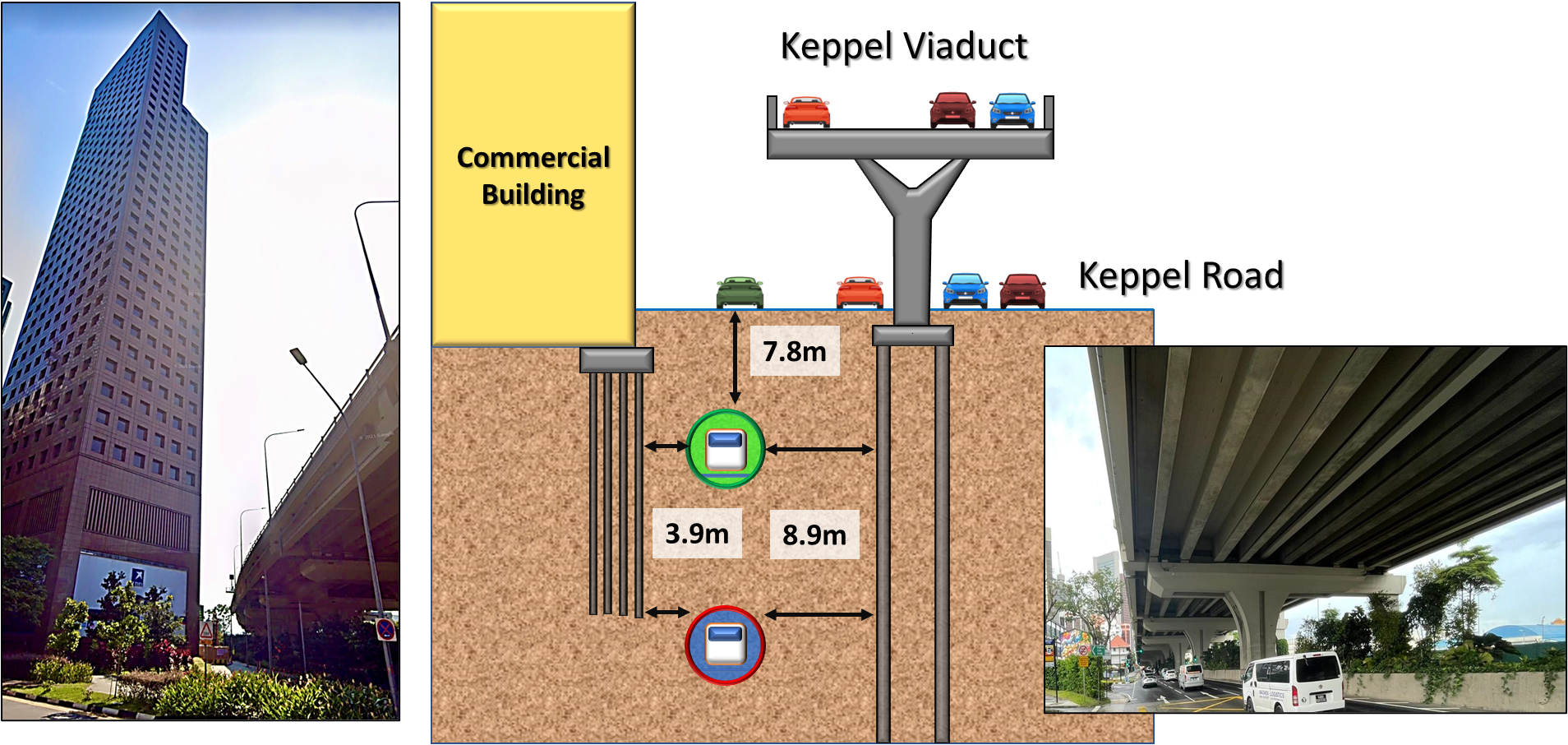
Engineers had to tunnel beneath critical infrastructure, including the Keppel Viaduct, while maintaining live traffic above.
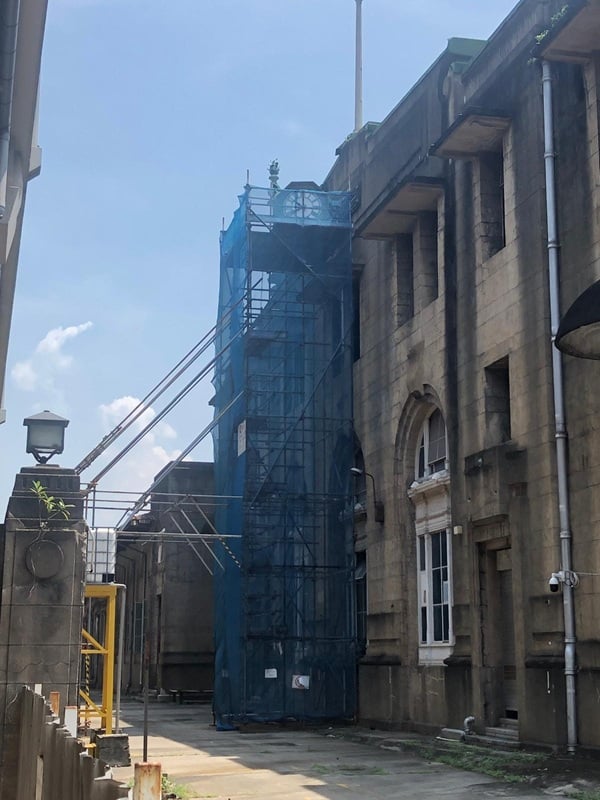
When they bored beneath the former Tanjong Pagar Railway Station, the tunnels passed just 6.7m below its foundations.
Source: Land Transport Authority
Considering the building’s national monument status, heritage features such as the station’s clock, statues, and murals had to be protected throughout the works.
Construction teams also had to carefully dismantle and later restore 580m of the former Tanjong Pagar Railway Station’s historic canopy, comprising 63 panels weighing about 60 tonnes each.
Meanwhile, space constraints in the Central Business District added further complexity.
Source: Land Transport Authority
The narrow corridor between the Keppel Viaduct and nearby high-rise buildings meant Prince Edward Road station had to be built with stacked tunnels and platforms.
To make things more challenging, tunneling works were carried out just 3m from surrounding structures in some locations.
Integrating new infrastructure with the old
Engineers would face yet another puzzle in closing the final CCL stretch.
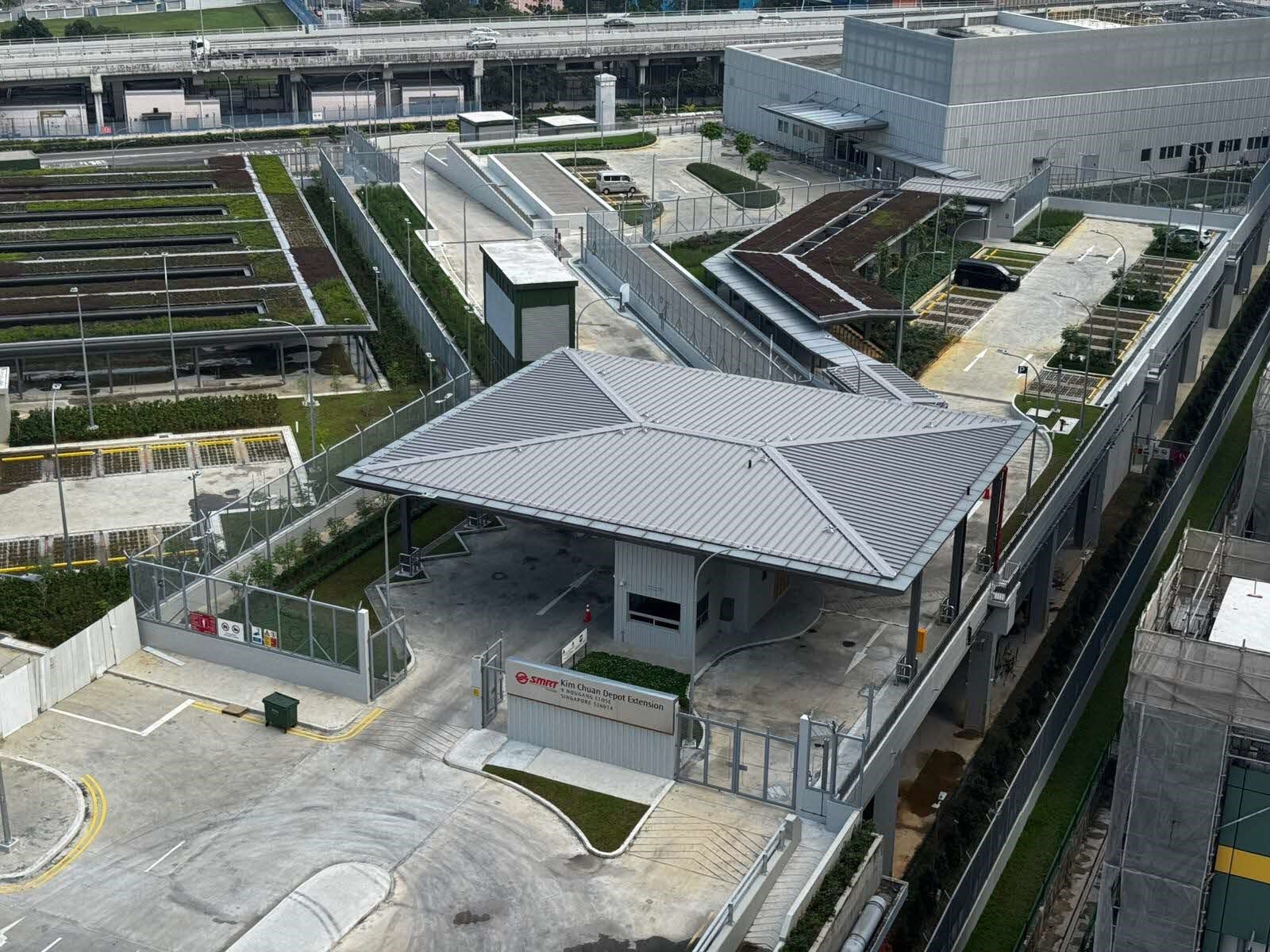
While the existing Circle Line has been in operation for about 17 years, the CCL6 and the Kim Chuan Depot Extension (KCDe) were built using newer equipment and software.
This meant engineers had to integrate technologies from different eras into a single railway system.
Source: Land Transport Authority
The process included updating software, modifying hardware, and making sure old and new equipment could work together without issues.
Beyond the railway itself, engineers also had to integrate the new depot facilities with existing operations.
Describing it as a unique challenge, an LTA spokesperson said that they had to make “extensive modifications to the existing depot” without “compromising the live operations of the existing depot and CCL”.
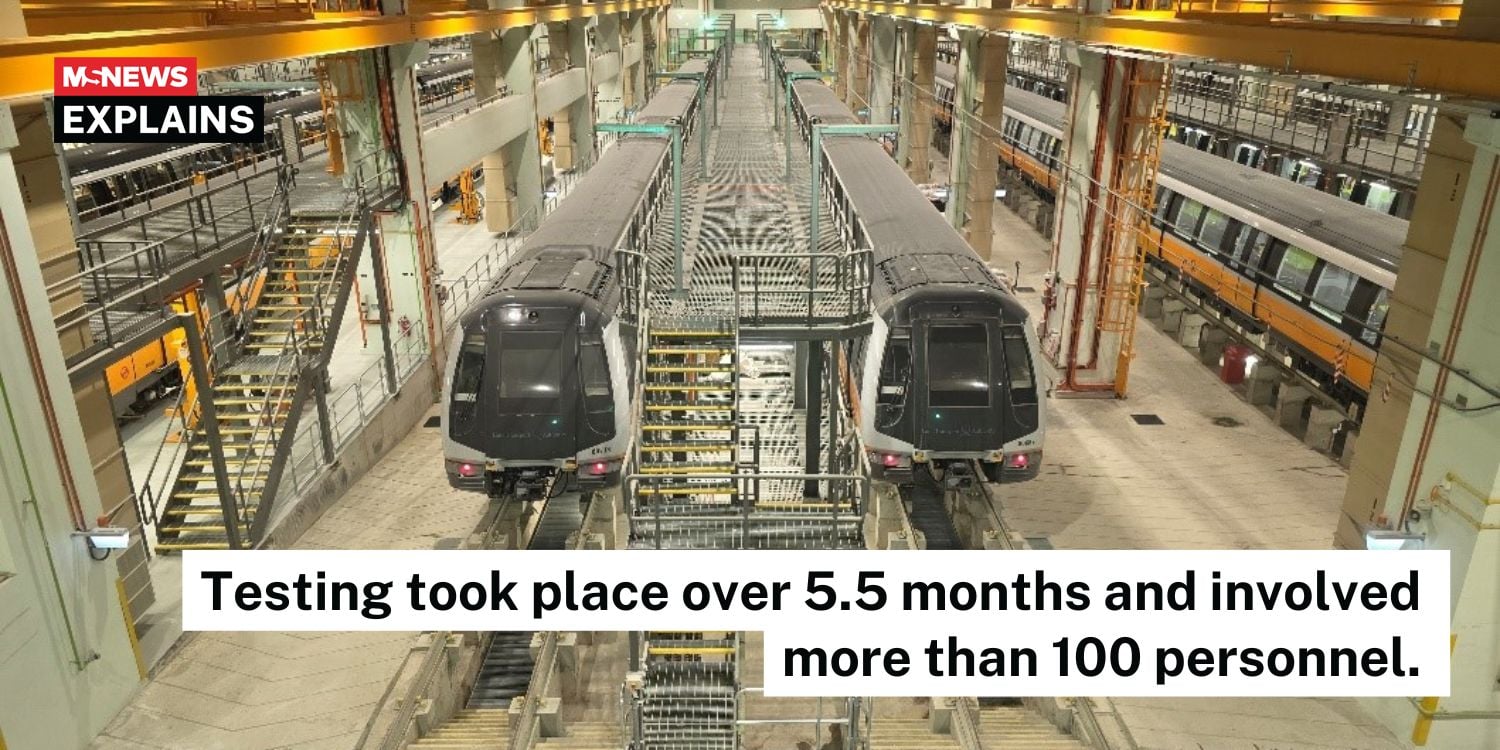
More than 100 personnel involved in testing
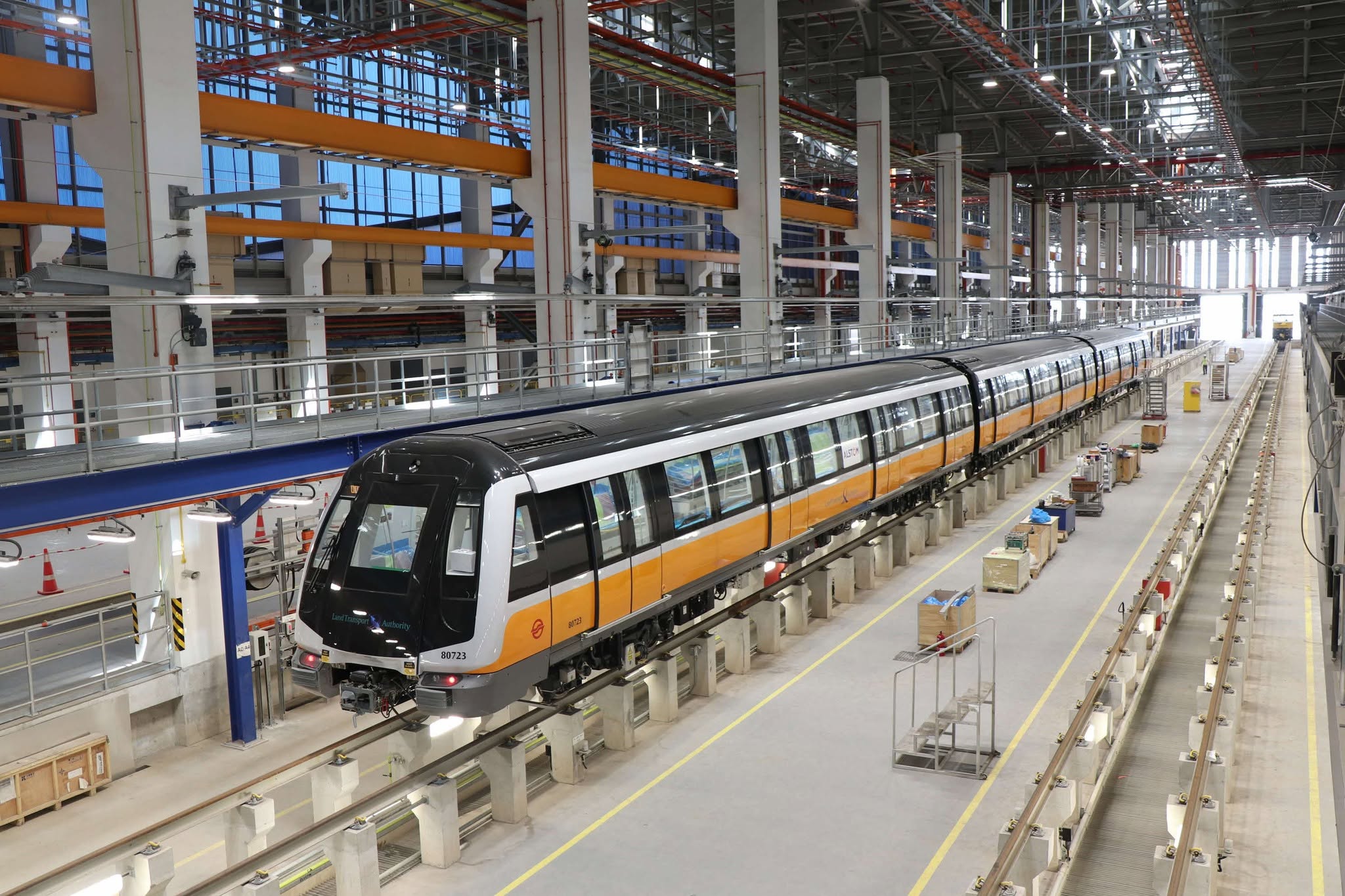
LTA shared that the systems integration exercise involved more than 100 personnel from LTA, SMRT, and various contractors.
Engineers checked whether trains could move safely under the signalling system, and if surveillance cameras, radios, and even public announcement systems were properly connected.
Source: Land Transport Authority on Facebook
With three new stations joining the Circle Line, passenger information systems also had to be updated.
This is so that commuters can receive accurate information throughout their journeys.
The power supply was also tested to ensure it could support additional operations without affecting reliability.
Testing took longer than other rail projects
An LTA spokesperson said the CCL6 was more complex than other rail extensions as it completes the Circle Line into a full loop.
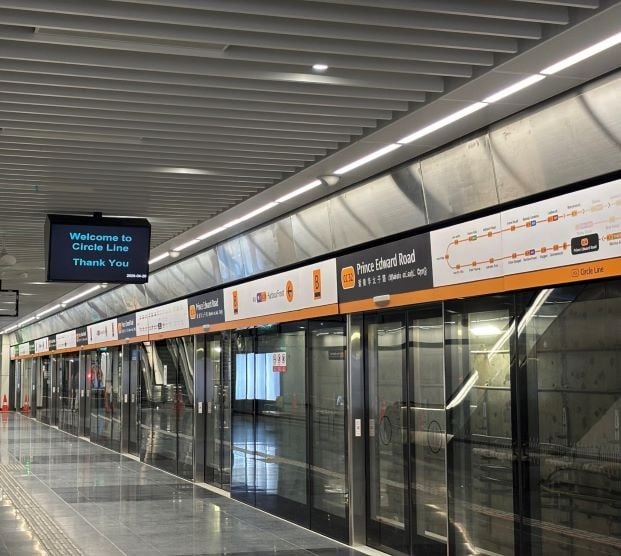
This involved testing continuous operation in both clockwise and counter clockwise directions under a range of service patterns and operating conditions.
Source: Land Transport Authority
The testing occurred over approximately five and a half months, where each night, two hours were needed to switch to test systems and another two to restore live operations.
Due to these added complexities, systems integration and testing for CCL6 took longer than other rail projects.
Why new stations couldn’t be opened immediately?
While tedious, systems integration is considered one of the most important milestones before opening a new rail extension.
Rail systems are among the most safety-critical forms of public transport.
A minor issue in one subsystem can potentially affect the operation of the entire line.