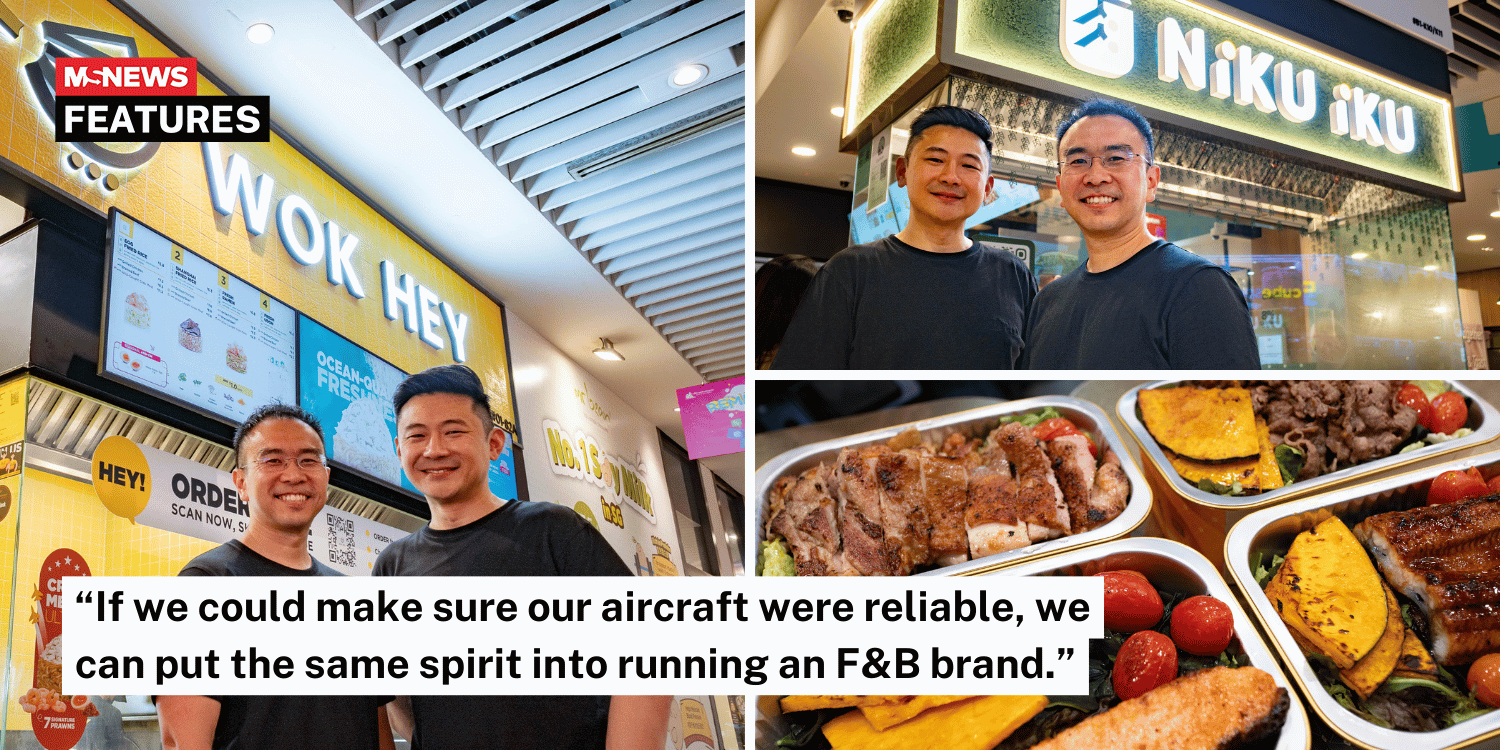

WOK HEY founders Jake Chia and Huang Changyong expand NiKU iKU with new salad line
When former Republic of Singapore Air Force (RSAF) colleagues Jake Chia and Huang Changyong first started WOK HEY, there was one occupational hazard they had not quite accounted for: the food tastings.
In the early days of the homegrown takeaway chain, best known for its deliciously wok-charred fried rice and noodles, a typical afternoon in the office could involve sitting down to sample dish after dish.
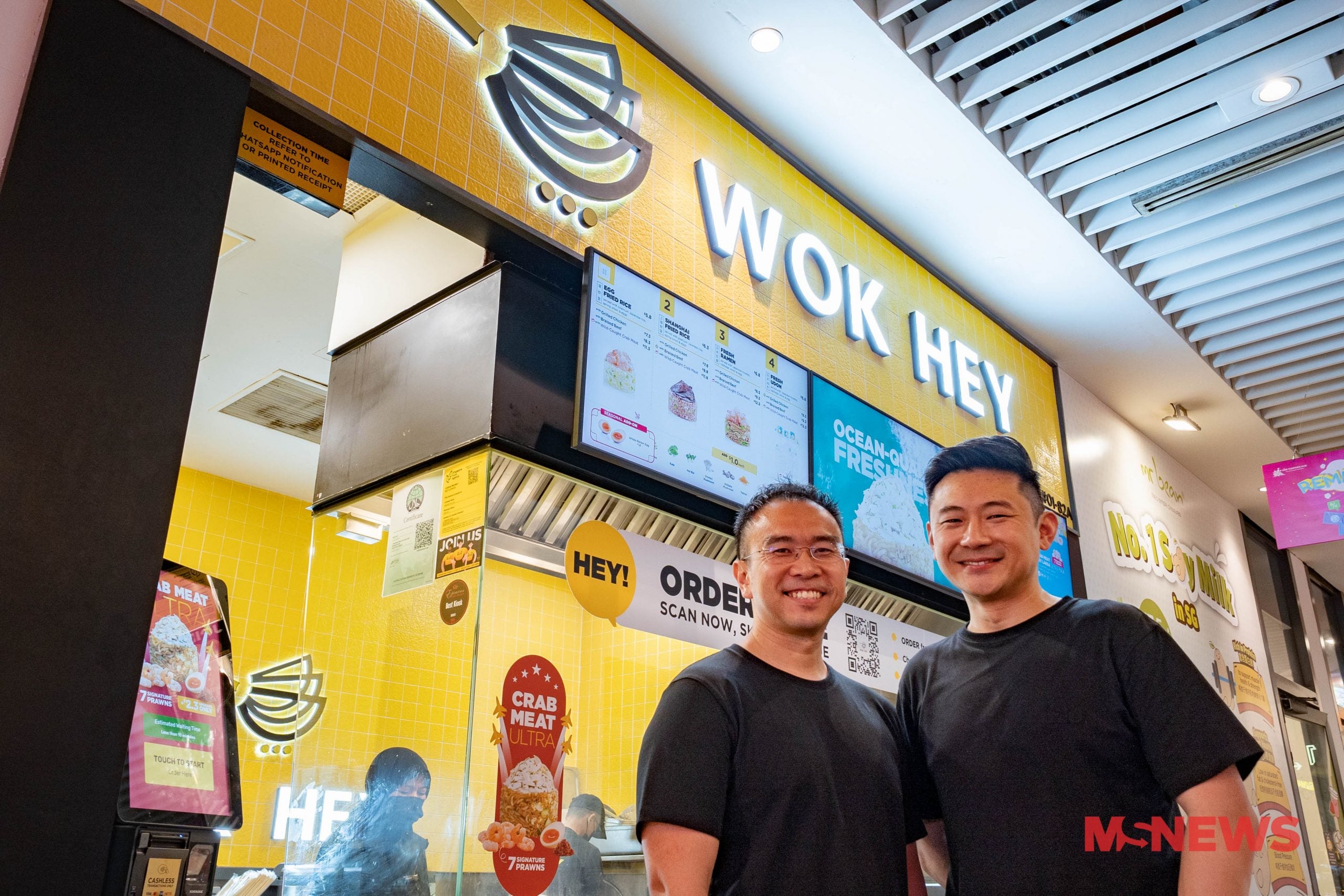
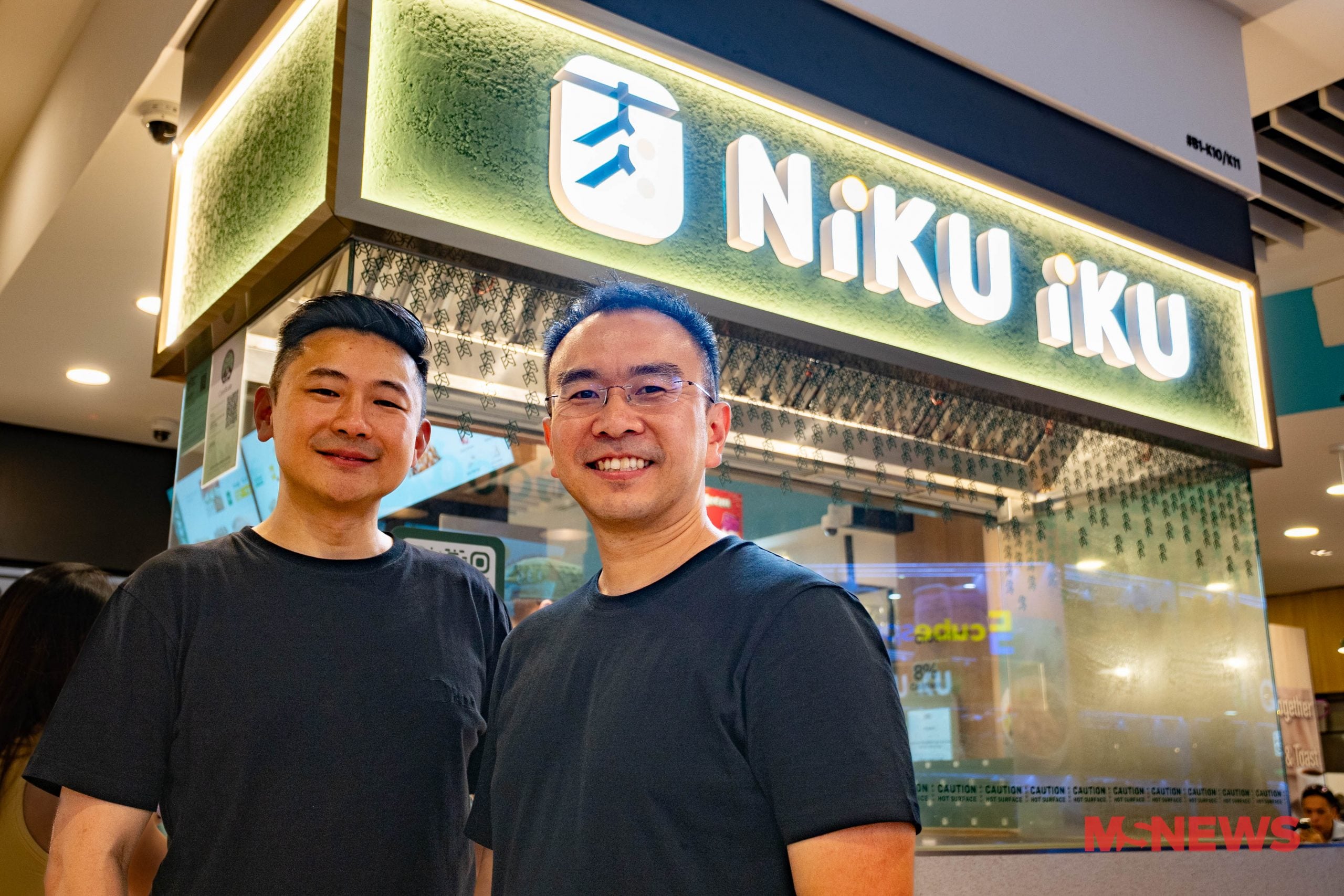
Huang Changyong (left) and Jake Chia
Mr Chia reckons he put on about 6kg within just three or four months, prompting him to start a keto diet, which generally involves significantly cutting back on carbohydrates.
So when customers at the pair’s second brand, NiKU iKU, started asking for a lighter, more balanced alternative to rice, he could completely understand.
“It was probably the single most-requested addition,” Mr Chia told MS News. And that was how iKU-Salad PRO came to be.
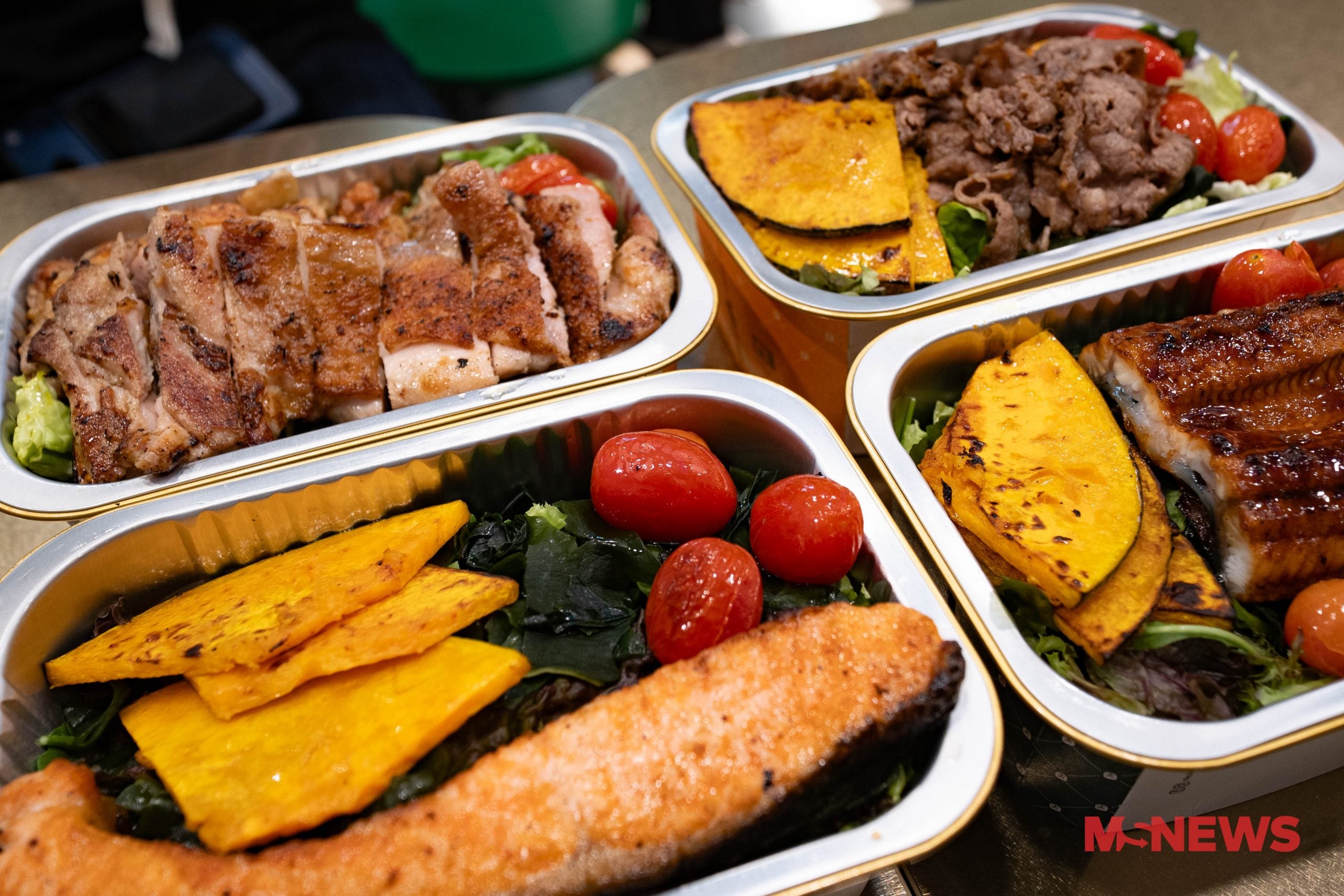
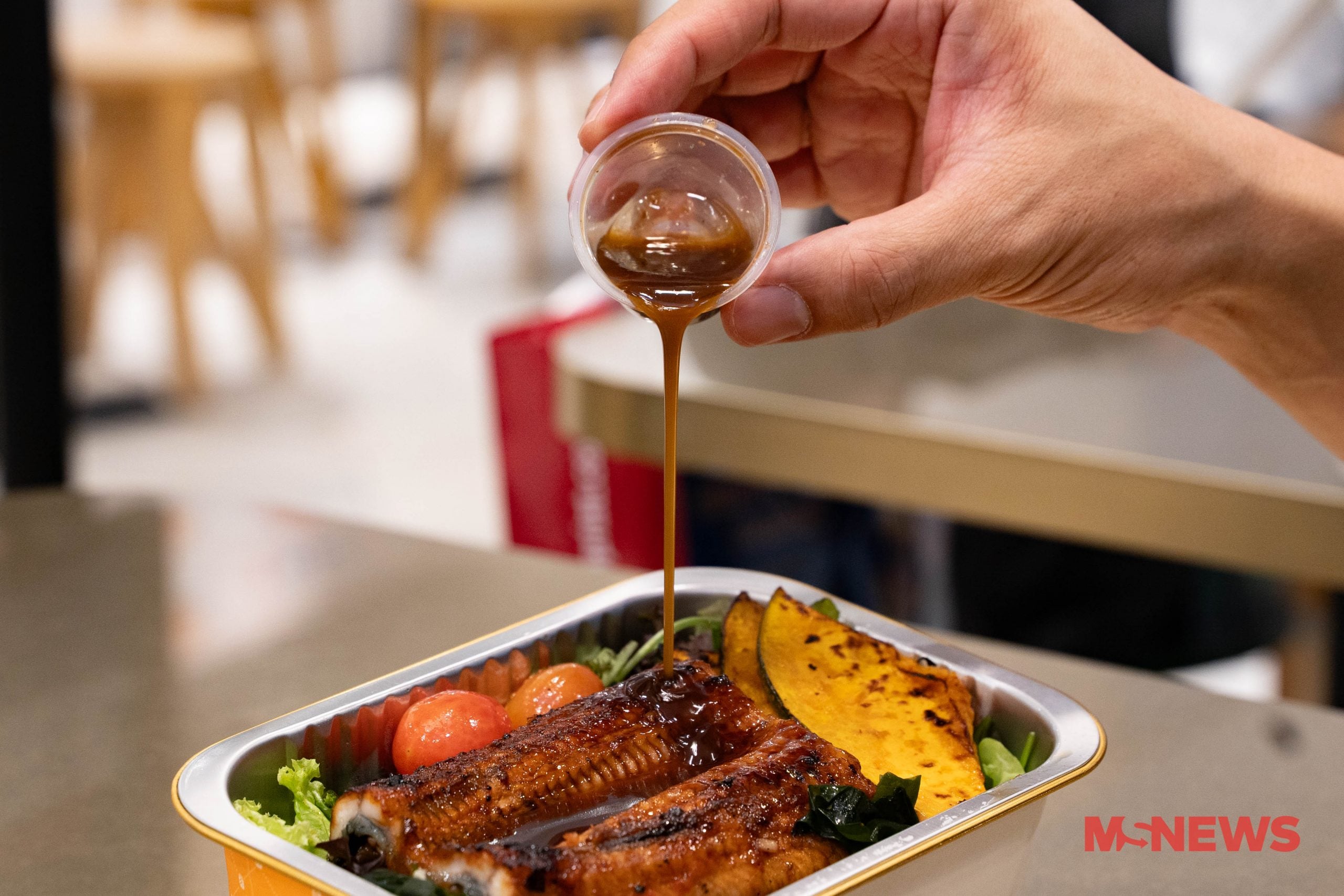
The new line swaps the brand’s usual Japanese rice base for a mix of mesclun greens, sliced white cabbage, grilled pumpkin, cherry tomatoes, and wakame, topped with freshly grilled chicken, beef, salmon, or unagi.
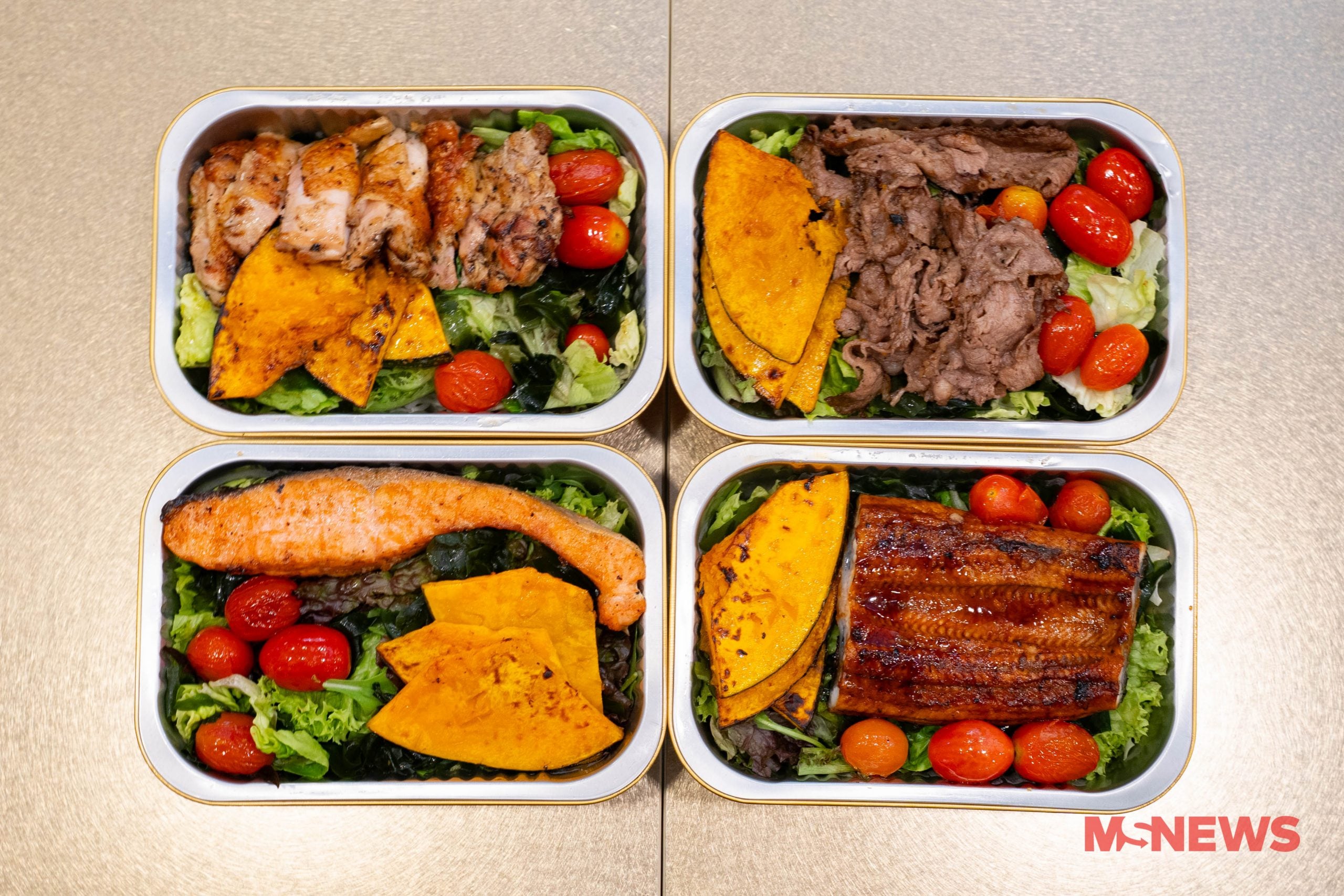
Prices start from S$11.80, with diners also able to double up or mix different proteins.
Started NiKU iKU after missing Japan’s grilled food
NiKU iKU came along in the second half of 2024, seven years after Mr Chia and Mr Huang opened WOK HEY’s first outlet at Bugis Junction in 2017.
The idea began taking shape around 2023, when the pair started travelling again after the pandemic and kept returning from Japan missing the comforting, home-style grilled food they had eaten there.
At the same time, WOK HEY was continuing to grow in Singapore and the region, and the founders had started thinking about what else they could build together.
Japanese cuisine gave them plenty to play with, but they eventually zeroed in on grilled meats because they saw a gap in how people typically enjoyed them.
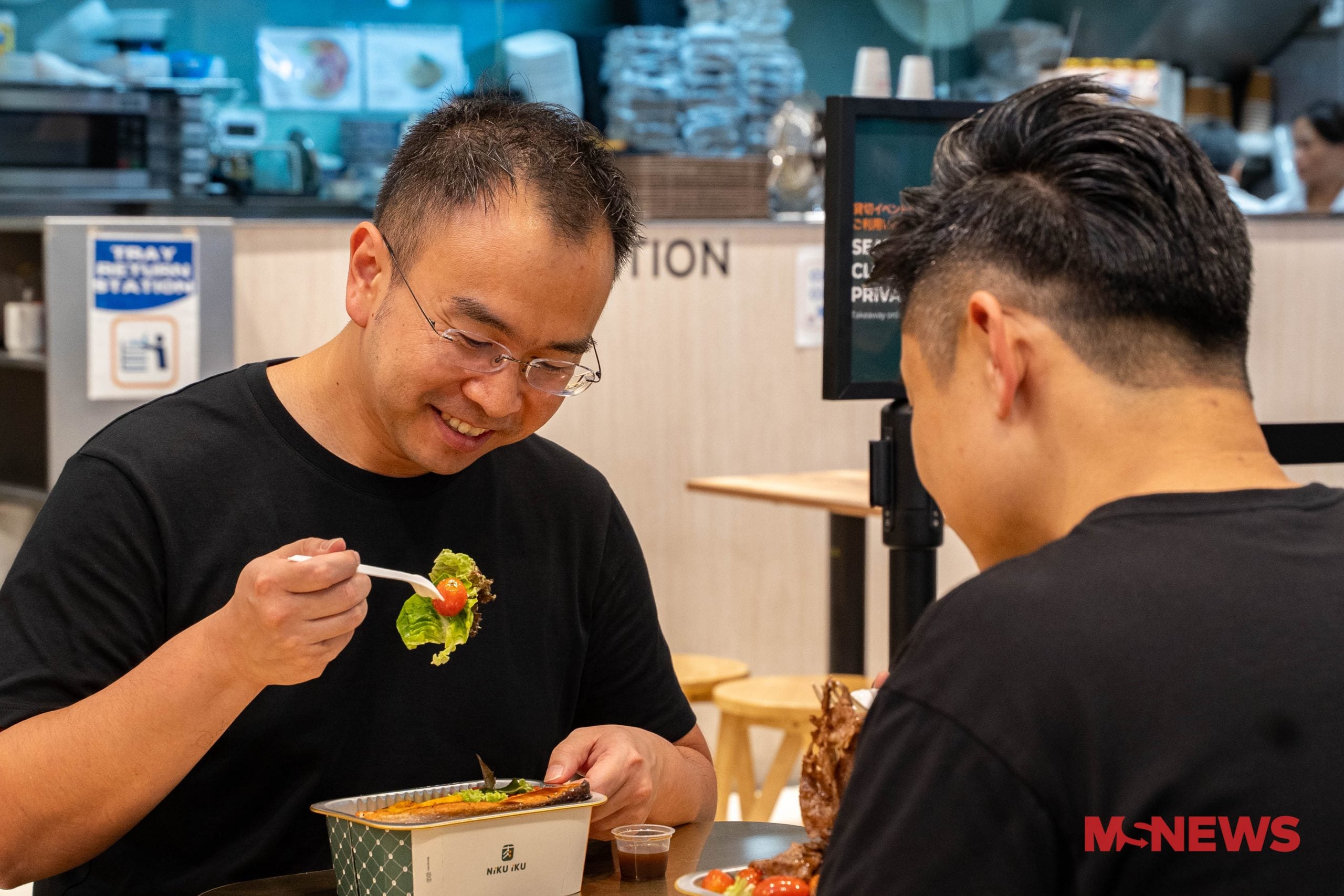
“Yakiniku is something people instinctively think of as a restaurant meal, not takeaway,” Mr Chia said.
The concern, he explained, was that once restaurant food was packed up and brought home, customers often had to accept some compromise in quality.
That was exactly the sort of problem the two former aerospace engineers felt equipped to solve.
With the expertise and experience we’d built up through WOK HEY, we felt we could bring that well-loved cuisine into a takeaway format without compromising on quality.
Years of running WOK HEY had already taught the pair how to cook each order fresh, move things efficiently, and think carefully about how a meal would hold up on the journey home.
For them, the goal with NiKU iKU was to make sure that by the time customers actually sat down to eat, the food would still be as close as possible to what they might expect from a restaurant.
Making room for dine-in, too
While takeaway remains at the heart of NiKU iKU, the founders realised the brand could still retain some of the sit-down appeal people associate with yakiniku restaurants.
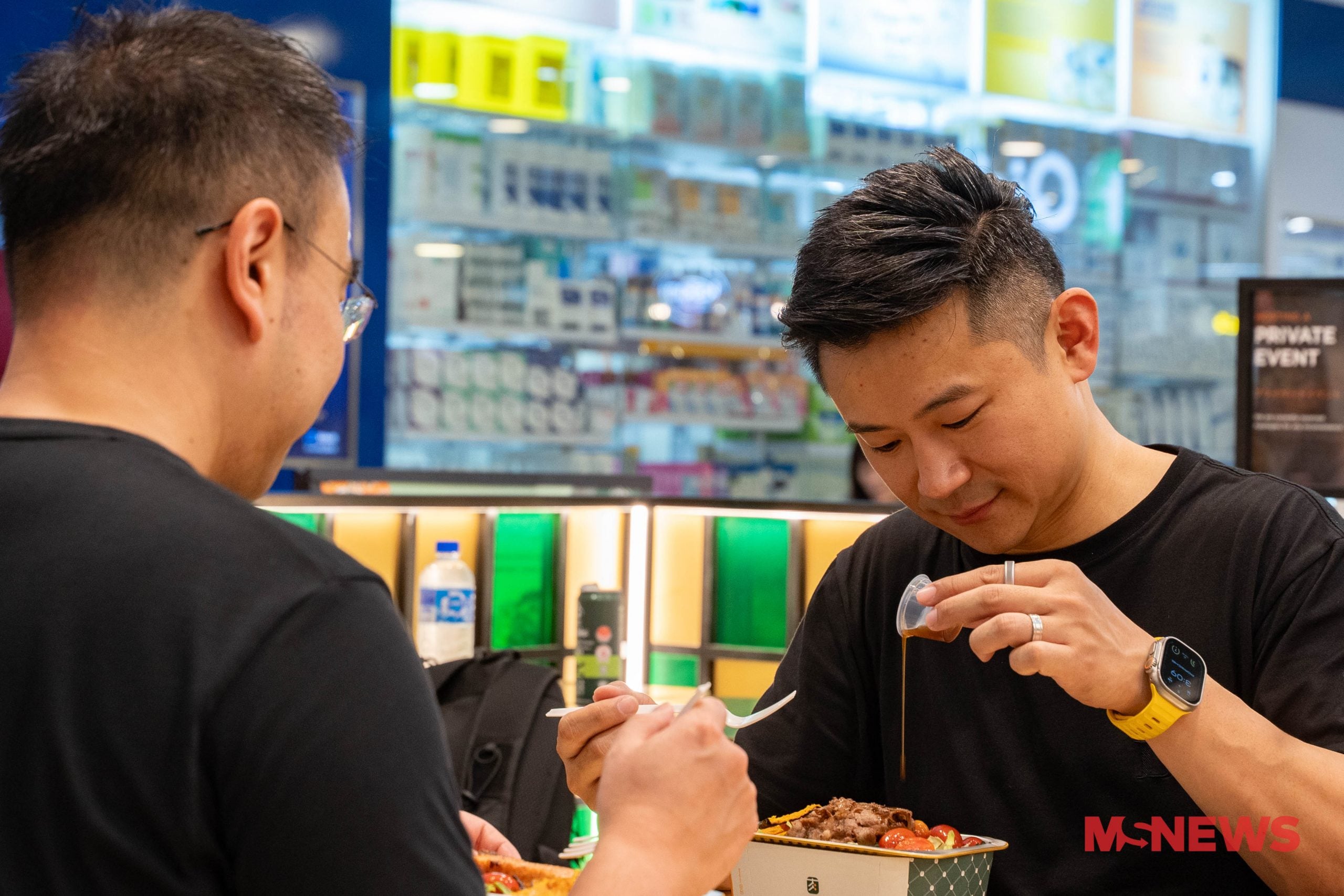
A box of fried rice or noodles from WOK HEY is easy to eat on the go. NiKU iKU’s grilled meat and rice sets, on the other hand, are better suited to a proper sit-down meal, where diners can settle in at a table right by the kitchen and enjoy everything fresh.
At the same time, opportunity came knocking when the management at Our Tampines Hub reached out and invited NiKU iKU to tender for a larger space.
Rather than use every square foot for operations, Mr Chia and Mr Huang saw a chance to set some of that room aside for diners.
That opportunity eventually paved the way for NiKU iKU’s dine-in outlets at Our Tampines Hub and Lot One, followed most recently by Hillion Mall.
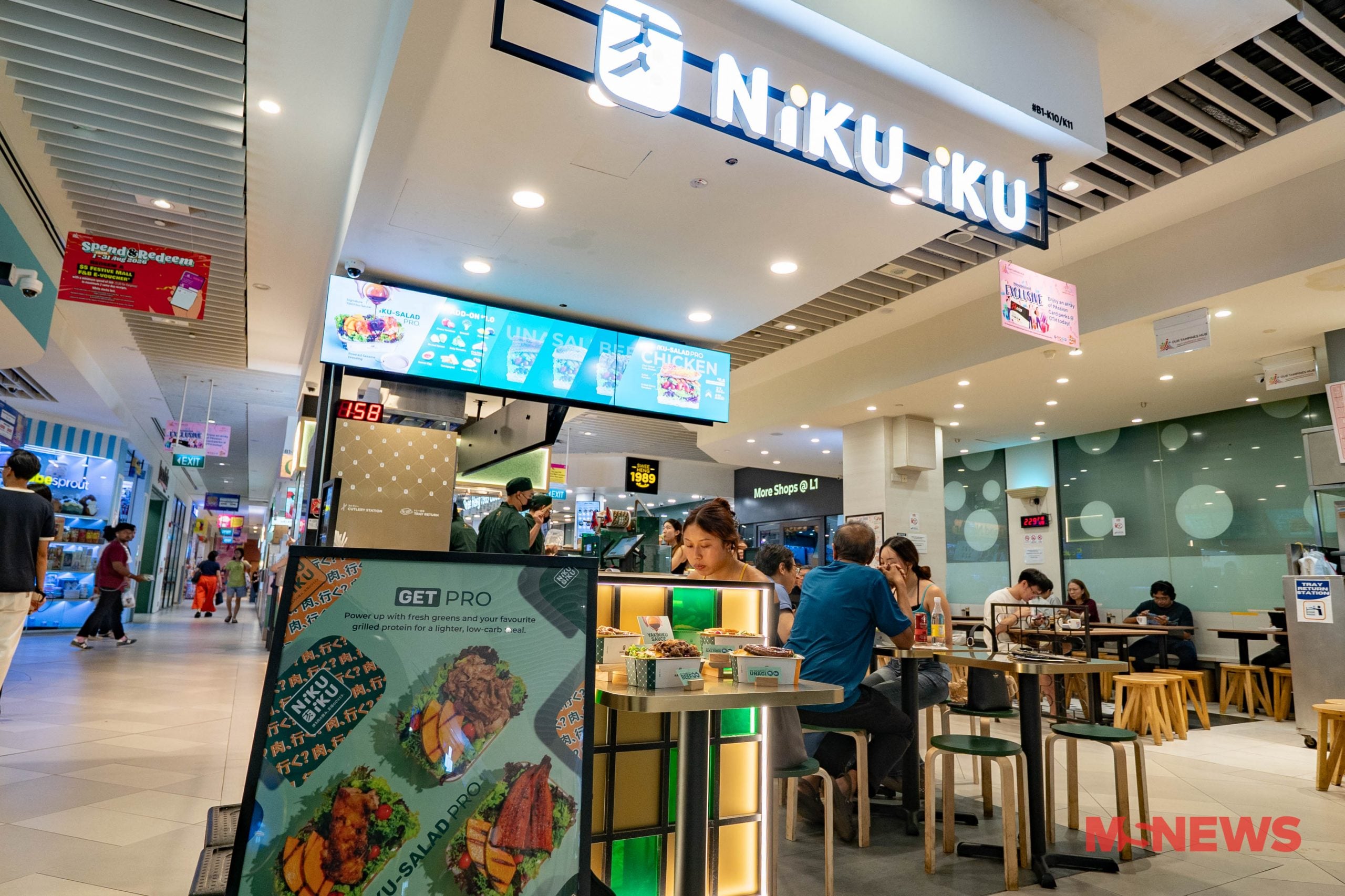
The response has been encouraging. Beyond giving regulars somewhere to settle in with their meals, dine-in has also introduced NiKU iKU to customers who may never have come across its takeaway kiosks.
As for whether more dine-in outlets are on the cards, the pair are keeping things flexible rather than insisting every new branch needs seats.
“We evaluate each location on whether it makes sense for the brand and the overall customer experience,” Mr Chia said.
Some people initially thought NiKU iKU was WOK HEY’s rival
If your first thought on seeing NiKU iKU was that a new rival had arrived to take on WOK HEY, you weren’t alone. Mr Chia recounted having “very kan cheong” friends message him in alarm about an apparent competitor popping up nearby.
The proximity certainly didn’t help. At Paya Lebar Square, the brands sit side by side; at Clementi Mall, they are across from each other; and at Tiong Bahru Plaza, they are only about 20 metres apart.
Rather than mind the comparison, Mr Chia seems to enjoy the little clues linking the two.
“To me, it’s like a signature. It’s like looking at an artist’s work and knowing who made it,” he said, referring to the familiar touches in how both brands are designed, operated, and presented.
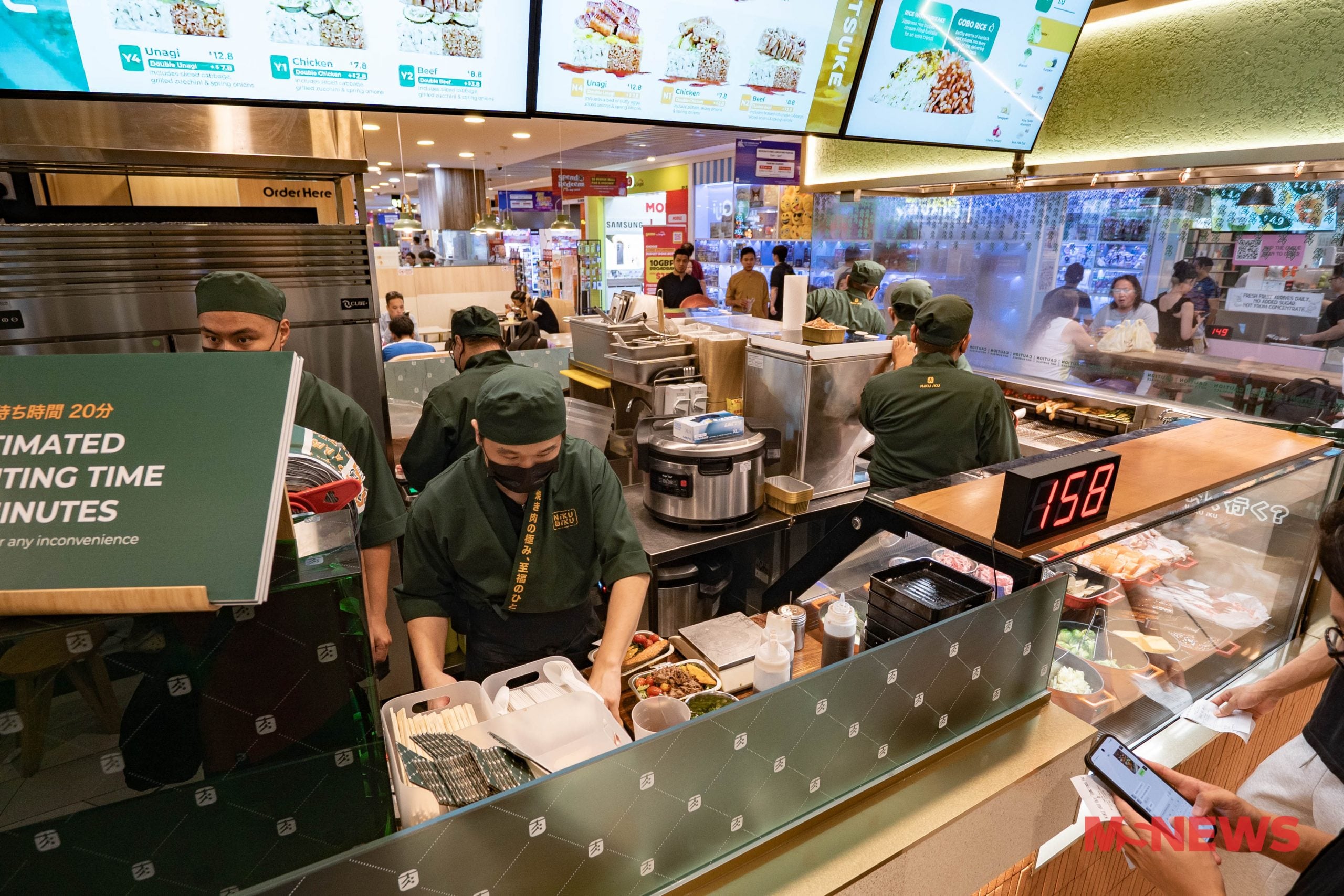
Mr Huang agreed, saying there are certain elements they deliberately want to retain and refine as their own “signature style”. But that’s about where the similarities end.
“Ultimately, they’re very different product lines,” Mr Chia said. WOK HEY centres on stir-fried rice and noodles, while NiKU iKU is built around freshly grilled proteins served with rice, or now, salad.
Mr Huang put it even more plainly: “They’re different concepts with different appeals. That’s really the heart of it, not two brands competing for the same customer.”
The founders don’t compare them internally either. Mr Chia prefers to think of WOK HEY and NiKU iKU as “different babies with different characteristics”, each with its own challenges and path ahead.
“Just like kids, right? We don’t force them to both be doctors,” he quipped. “Based on their characteristics and the nature of things, they have their own route ahead.”
Still engineers at heart
Running two F&B brands may seem a long way from their old lives maintaining aircraft, but Mr Chia and Mr Huang have never really left their engineering instincts behind.
“I think engineering taught us how to design processes and solve things systematically,” Mr Huang mused.
That mindset now shows up in less obvious places, from how much sauce goes into a dish and how ingredients are portioned to how each step is standardised so that a customer gets the same result no matter which outlet or chef is behind the counter.
“If we could make sure our aircraft were reliable, we can put the same spirit into running an F&B brand,” Mr Chia said.
For more information on NiKU iKU, its menu, and outlet locations, follow the brand on Facebook or Instagram.
Have news you must share? Get in touch with us via email at news@mustsharenews.com.
Featured image by MS News. Photography by Ian Zailee.