
Sexologist in Singapore sheds light on body neutrality and why there’s nothing wrong with being okay
We are often told to love our bodies. When browsing social media, you’ll see many posts urging us to embrace our curves, accept our imperfections, and feel confident in ourselves.
Over the last ten years, social media has helped the body-positive movement reach mainstream audiences.
Common messages emphasise accepting body diversity, normalising features like rolls, scars, and cellulite, and encouraging self-love in all shapes and sizes.
The movement has played an important role in challenging narrow beauty standards and increasing the visibility of bodies that were historically criticised or excluded.
However, appearance-related pressure has barely decreased.
In 2023, KK Women’s and Children’s Hospital recorded 140 new eating-disorder diagnoses among young people aged 11 to 18. This is more than double the 50 to 70 cases recorded in 2017.
Eating disorders are complex mental health conditions shaped by multiple factors, although body-image concerns and pressure to meet appearance ideals may form part of the picture.
Meanwhile, the emergence of “looksmaxxing” — an online trend urging boys and men to maximise their attractiveness, sometimes via extreme or unproven practices — shows that appearance pressure extends beyond women.
These developments do not mean body positivity has failed. They remind us that messages of self-love coexist with powerful cultural and commercial forces that continue to scrutinise our bodies.
For some, “love your body” can also become another source of pressure and expectations. What happens on days when you do not feel positive or celebratory about your body?
Injury, illness, ageing, disability, pregnancy, menopause, medical treatment or weight changes may alter that relationship.
Alongside dissatisfaction, another uncomfortable thought may arise: “I am also failing at self-love.”
Perhaps we need more room for an emotionally honest middle ground.
When positivity starts to feel like pressure
The problem lies partly in how body positivity is sometimes oversimplified online to mean “love how you look all the time”.
The established psychological concept of positive body image is broader. It includes respecting and caring for the body while recognising that our feelings about it naturally fluctuate. It does not require constant confidence or gratitude.
Our relationship with the body is fluid and dynamic. We may appreciate one aspect, struggle with another, and feel indifferent to the rest. These feelings can shift throughout the day and across different stages of life.
This has contributed to growing interest in body neutrality.
What is body neutrality?
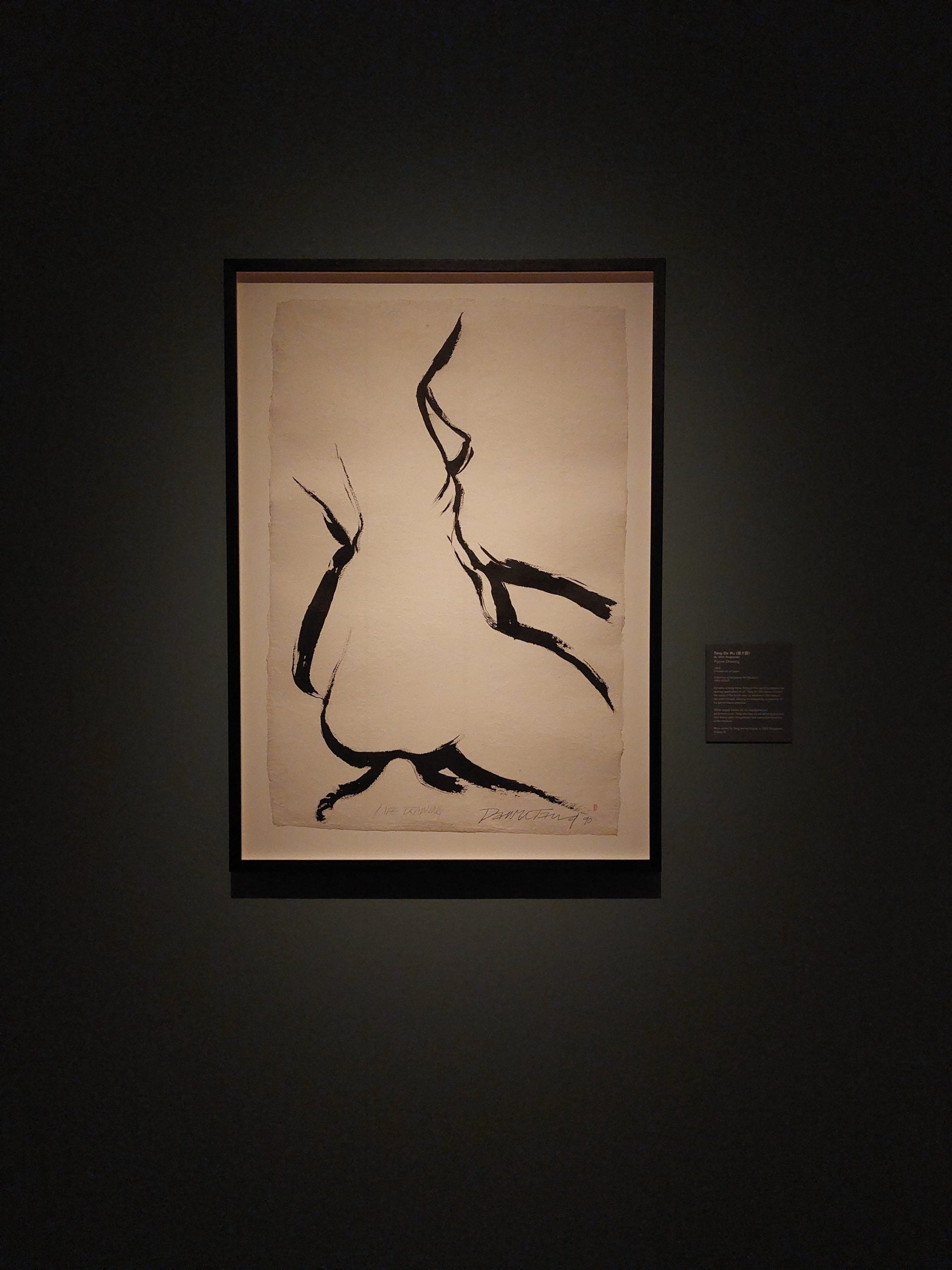
Source: Dian Nambani
Body neutrality generally means allowing the body to be free from constant judgement of its appearance.
It encourages thinking less about looks, distinguishing appearance from self-worth, and recognising that feelings about the body can fluctuate.
In a 2024 study, Australian researchers Kate Mulgrew and Angela Hinz asked 229 people familiar with body neutrality — including researchers, clinicians, people with lived experience of eating disorders, and members of the general community — to describe their understanding of the concept.
Participants commonly described body neutrality as an accepting, mindful and non-judgemental approach.
They associated it with spending less time evaluating the body, recognising an identity beyond appearance, and viewing the body as something that carries us through life.
For someone struggling with body criticism and judgement, neutrality might sound like this:
“My body does not have to look beautiful today for me to treat it with care.”
“My appearance is part of me, although it does not determine my whole worth.”
This can create some breathing room between loving and hating the body.
While body neutrality may sound straightforward, researchers caution that it does not yet have a single agreed definition.
Body neutrality often involves valuing what the body can do. While this can be helpful for some, it shouldn’t become a new way to judge a body’s worth.
Sometimes a more inclusive question is: “What does my body need today?” rather than relying on positive feelings and affirmations, which can turn into pressure or judgement.
Practising a more neutral relationship
Source: Dian Nambani
There is no single, well-established method for practising body neutrality, and research remains limited.
However, insights from neutrality, mindfulness, acceptance and body-image flexibility offer potential starting points.
First, notice how often you evaluate your appearance.
You do not need to replace every critical thought with a positive affirmation. You might say, “I am having a difficult thought about my stomach today” and let it pass without turning it into a verdict about yourself.
Second, bring attention to your sensory experience.
You might notice the warmth of the water on your skin, your breathing, the feel of clothes against your body, or the support of the chair beneath you.
These sensations may be pleasant, unpleasant, or neutral. The practice is simply to notice what is present.
Third, review what appears in your social media feed. Which accounts prompt you to compare, monitor or criticise your body?
Curating your feed cannot eliminate broader appearance pressures, but it may reduce how often they intrude into your personal space.
Finally, choose self-care practices based on what you can realistically do rather than the ideal often depicted online.
This might include eating foods that nourish you, engaging in a variety of exercises that feel good in your body, wearing clothes that make you feel comfortable, and setting boundaries when someone makes negative comments about your appearance.
If you’re struggling with body image issues, consider seeking help from a healthcare professional.
The body also enters the bedroom
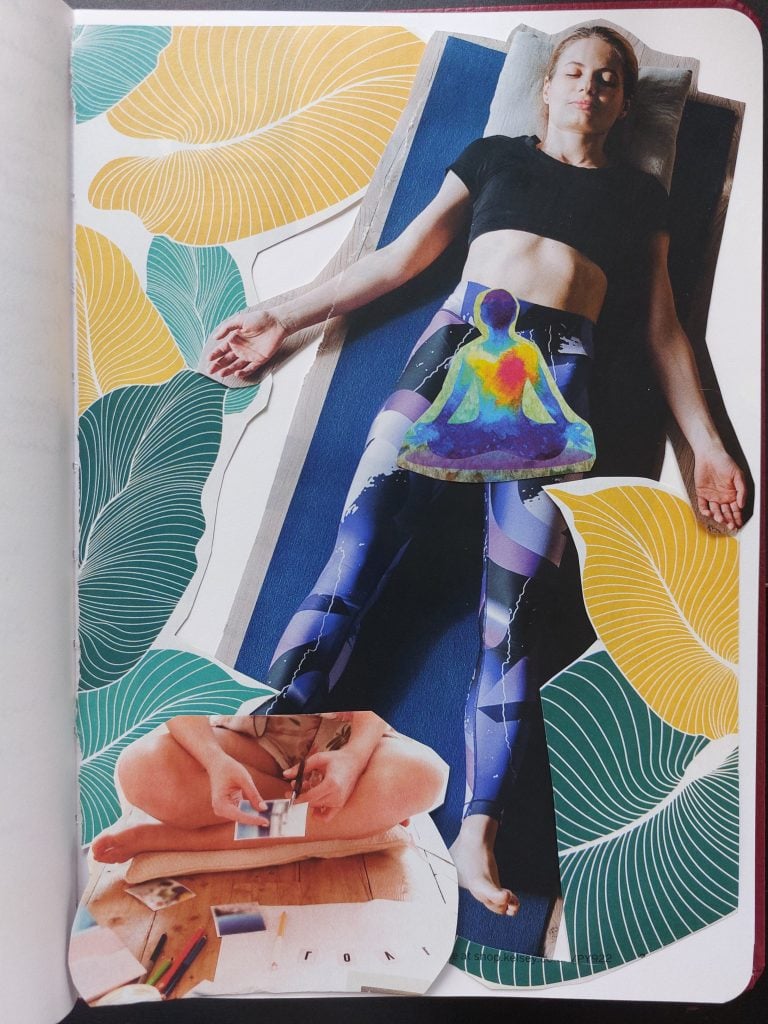
Self-care artwork made by Dian Nambani. Source: Dian Nambani
As a sexologist, I notice how body-image concerns can enter the bedroom.
Instead of focusing on enjoyment and emotional connection during intimate moments, one might start fixating on their body’s appearance and shape, feeling anxious about sexual performance, or worrying about what their partner might be judging about their body or appearance.
This shifts their focus from sensation and connection to monitoring their appearance and performance.
Research has linked body shame and sexual self-awareness to reduced sexual pleasure and arousal in both women and men.
If someone has learned that their body is shameful, undesirable, and “not good enough”, telling them to “just love yourself” might seem painfully distant.
A more attainable first step could be to lessen hostility towards the body and explore whose standards influence these judgments.
Although research hasn’t confirmed if body neutrality directly enhances sexual wellbeing, its principles provide a useful reflective perspective: What sensations feel pleasurable or neutral? What, if anything, feels comfortable, arousing, or good in your body? What would you like to explore more, slow down, or not do?
‘Being okay’ is okay
Source: Dian Nambani
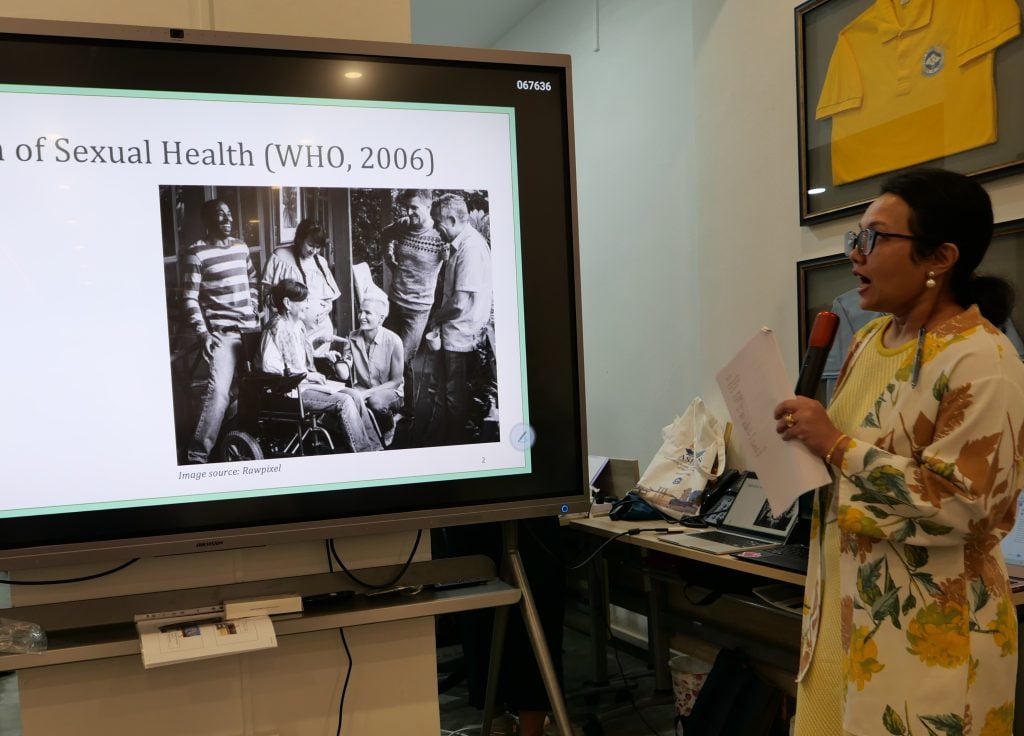
The 2026 World Sexual Health Day theme is “Every Body”. Observed on 4 Sept, it affirms that sexual health, rights, justice and pleasure belong to every person, in every body.
Our bodies are where we experience comfort, desire, boundaries, connection and pleasure. These experiences may change from day to day.
Some days, you may feel positive about your body. On others, you may feel uncomfortable, disconnected or neutral.
A broader, more inclusive understanding of body positivity can accommodate all these experiences while respecting bodies of different sizes, ages, abilities, appearances and histories.
Pleasure is not limited to bodies that fit specific ideals of beauty, shapes, youth, fitness, or desirability. It is accessible to everyone.
Your relationship with your body might involve appreciation, neutrality, discomfort, or uncertainty.
Whatever you’re feeling today, your body still deserves pleasure, dignity, respect, and the care it needs.
Dian Nambani is a Singapore-based sexologist and art therapist with more than 15 years of clinical experience.
Also read: Burnout, stress and the role phytotherapy can play in navigating it all
Burnout, stress and the role phytotherapy can play in navigating it all
Have news you must share? Get in touch with us via email at news@mustsharenews.com.
Featured images adapted from Dian Nambani. For illustration purposes only.