

Three more hantavirus cases reported after last passengers leave outbreak-hit cruise ship
The remaining passengers on the MV Hondius, the cruise ship at the centre of a deadly hantavirus outbreak, have disembarked after the vessel arrived in Tenerife in Spain’s Canary Islands.
However, health authorities have since reported three more positive or provisional cases linked to the outbreak, including passengers who had already returned home.
According to the BBC, the World Health Organization (WHO) said seven hantavirus cases linked to the MV Hondius have been confirmed, with two more suspected.
Three passengers have died after travelling on the ship, though only two of them were confirmed to have had the virus.
Passengers repatriated to more than 20 countries
The MV Hondius departed Ushuaia, Argentina, on 1 April with 147 passengers and crew from 23 countries onboard.
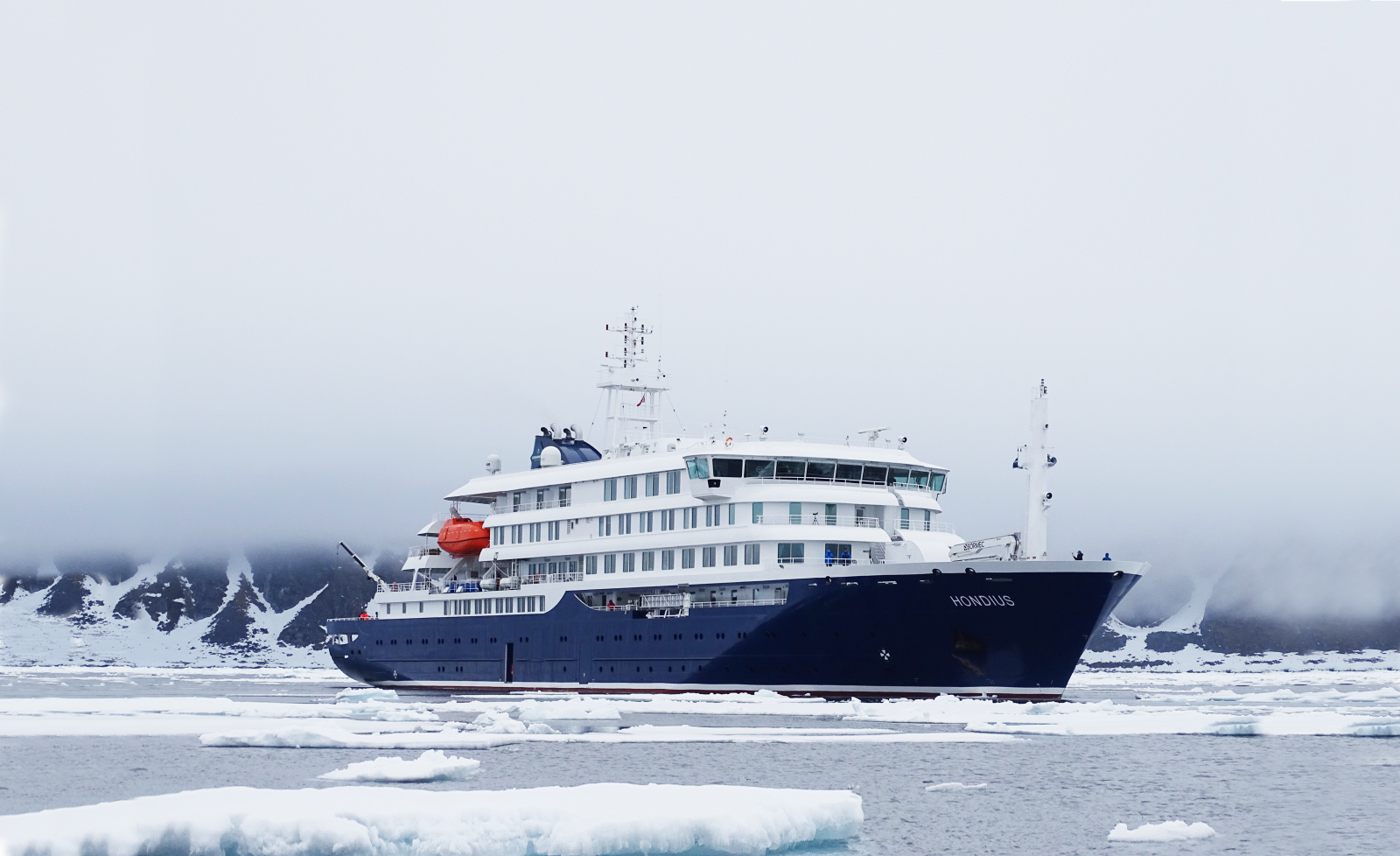
Source: Oceanwide Expeditions, for illustration purposes only
After anchoring in Tenerife, its final six passengers, comprising four Australians, one Briton, and one New Zealander, left the ship on Monday (11 May).
The vessel has since departed for the Netherlands, with 25 crew members and two medical staff remaining onboard.
Over the past few days, more than 90 passengers have been repatriated on military and government-arranged flights to more than 20 countries.
Photos from the evacuation showed passengers being escorted off the ship by personnel in full protective gear.
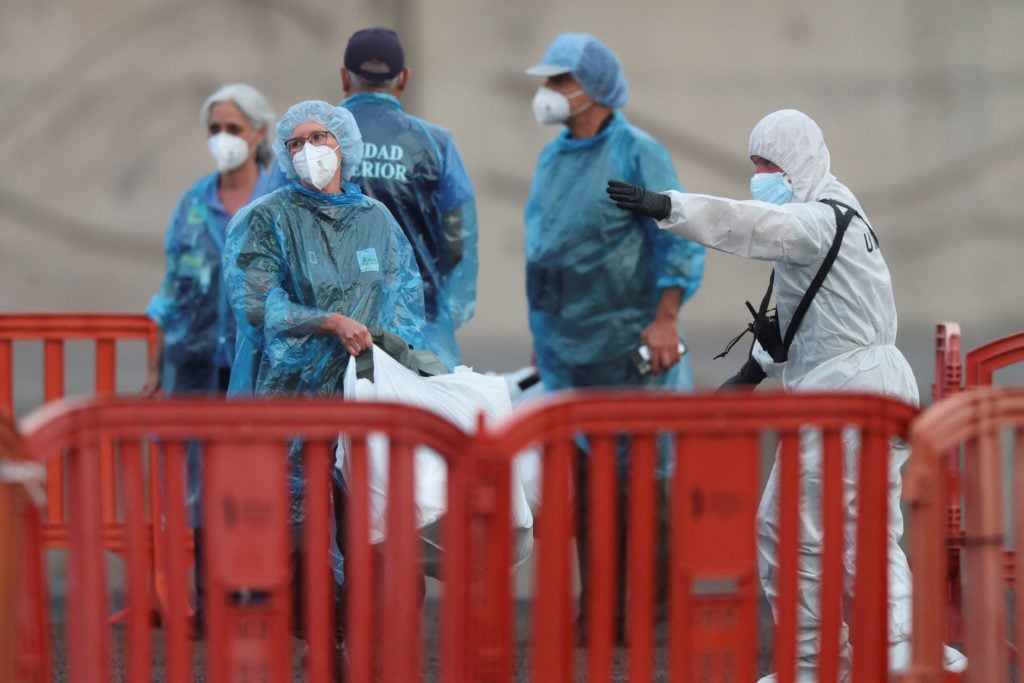
Source: PBS News
Those returning home are expected to undergo quarantine, isolation, or health monitoring, depending on their respective countries’ protocols.
New cases reported in France, Spain, and the US
Among the newly reported cases is a French woman who tested positive after returning to Paris.
French officials said she was being treated in hospital, with reports stating that her condition had worsened.
Authorities have also traced 22 contacts linked to her case.
In Spain, one of the 14 Spaniards quarantined at Madrid’s Gómez Ulla Military Hospital returned a provisional positive result for hantavirus in an initial PCR test on Monday (11 May), according to the country’s health ministry.

Source: Ministry of Defence (Spain), for illustration purposes only
The passenger was asymptomatic and reportedly in good condition. The other 13 Spaniards tested negative.
In the United States, one of the evacuated passengers flown to Nebraska initially tested positive for hantavirus but was not showing symptoms.
However, the WHO later said the passenger’s lab results were inconclusive. Another passenger on the same repatriation flight developed mild symptoms.
Separately, two other American passengers, a couple, were taken to Emory University Hospital in Atlanta, with one showing mild symptoms.
Singapore residents tested negative for hantavirus
Two Singapore residents who had been onboard the MV Hondius have tested negative for hantavirus, including the Andes virus.
In a news release on Friday (8 May), Singapore’s Communicable Diseases Agency (CDA) said its National Public Health Laboratory tested multiple samples collected from the two individuals and confirmed that the virus was not detected.
As a precaution, they will be quarantined for 30 days from their last exposure. They will also be tested again before being released from quarantine.
CDA added that the risk to the general public in Singapore remains low, and that it is closely monitoring the situation.
Officials say wider public risk remains low
Hantavirus is usually spread through contact with infected rodents or their droppings, urine, and saliva.

Source: Vincent M.A. Janssen on Canva, for illustration purposes only
The Andes virus strain, which is believed to be linked to the MV Hondius outbreak, can rarely spread from person to person.
Such transmission, however, typically requires close and prolonged contact, such as between household members, intimate partners, or healthcare workers.
Symptoms may include fever, chills, extreme fatigue, muscle aches, stomach pain, vomiting, diarrhoea, and shortness of breath. They usually appear between one and eight weeks after exposure.
Despite the cases linked to the cruise ship, WHO director-general Dr Tedros Adhanom Ghebreyesus said the overall public health risk remains low.
Maria Van Kerkhove, WHO’s acting director for epidemic and pandemic management, also stressed that the outbreak should not be compared to the Covid-19 pandemic.
There is currently no vaccine or specific cure for hantavirus, but early detection and treatment can improve survival chances.
Also read: What’s the Hantavirus & why have 2 S’poreans been quarantined in connection to it?
What’s the Hantavirus & why have 2 S’poreans been quarantined in connection to it?
Have news you must share? Get in touch with us via email at news@mustsharenews.com.
Featured image adapted from Julio Ricco from Getty Images on Canva, for illustration purposes only.