
Genome sequencing helps trace Redhill tuberculosis cluster, uncovers 200 infections
A tuberculosis (TB) cluster in Redhill was uncovered after health officers used advanced DNA testing to trace how infected patients were linked, a move that revealed hidden cases and stopped the disease from spreading further.
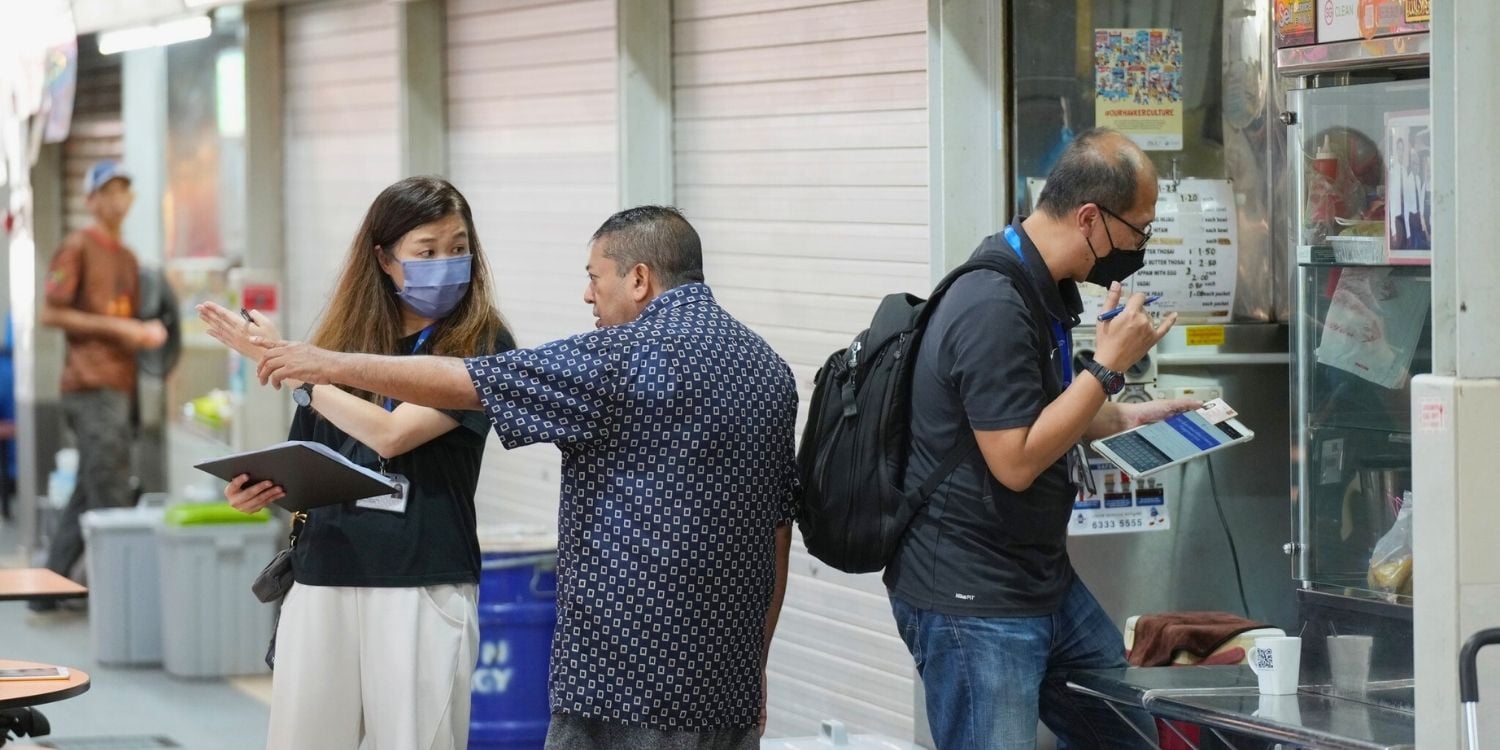
In early 2024, after new TB infections emerged, officers from the Ministry of Health (MOH) and the National Centre for Infectious Diseases (NCID) visited ABC Brickworks Market and Food Centre, as well as Blocks 1 and 3 of Jalan Bukit Merah.
They alerted residents and stallholders to the situation and helped them arrange screening appointments.
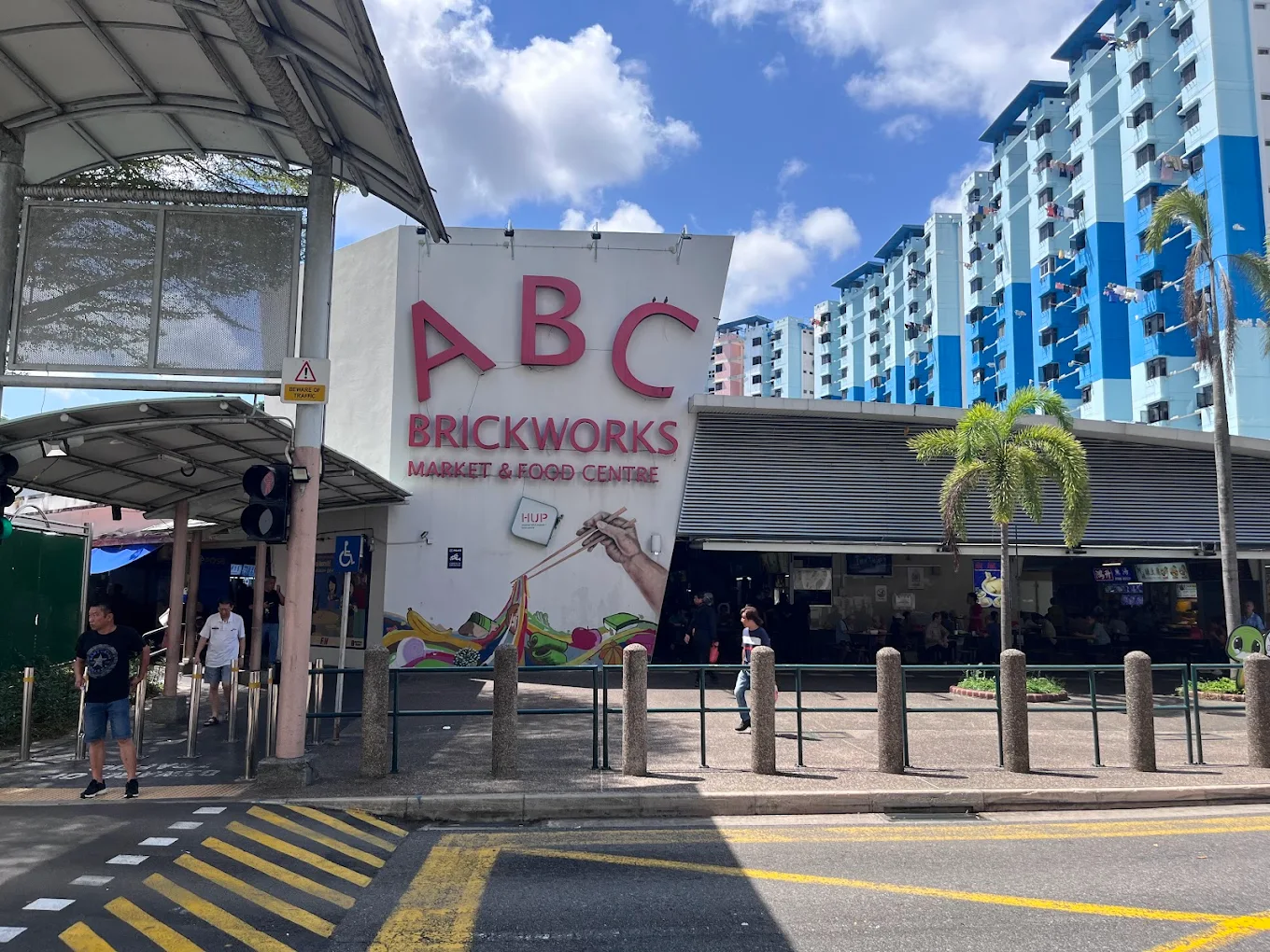
Source: Google Maps
DNA testing reveals how Redhill cases were connected
Scientists at the National Public Health Laboratory (NPHL) used whole genome sequencing (WGS), an advanced DNA analysis method that examines the full genetic code of the TB bacteria.
By comparing samples from different patients, they could determine how closely related the infections were and whether they originated from the same source, Shin Min Daily News (SMDN) reported.
The NPHL analyses 1,500 to 2,000 TB samples every year and has processed more than 7,000 since 2020.
Large-scale testing uncovers previously hidden cases
Health authorities first detected seven TB cases at Block 2 Jalan Bukit Merah in 2022.
Between May and August that year, they screened residents and shop staff, identifying 197 people with latent TB — meaning the bacteria were present but not yet causing illness — and 15 with active TB, who could transmit the infection.
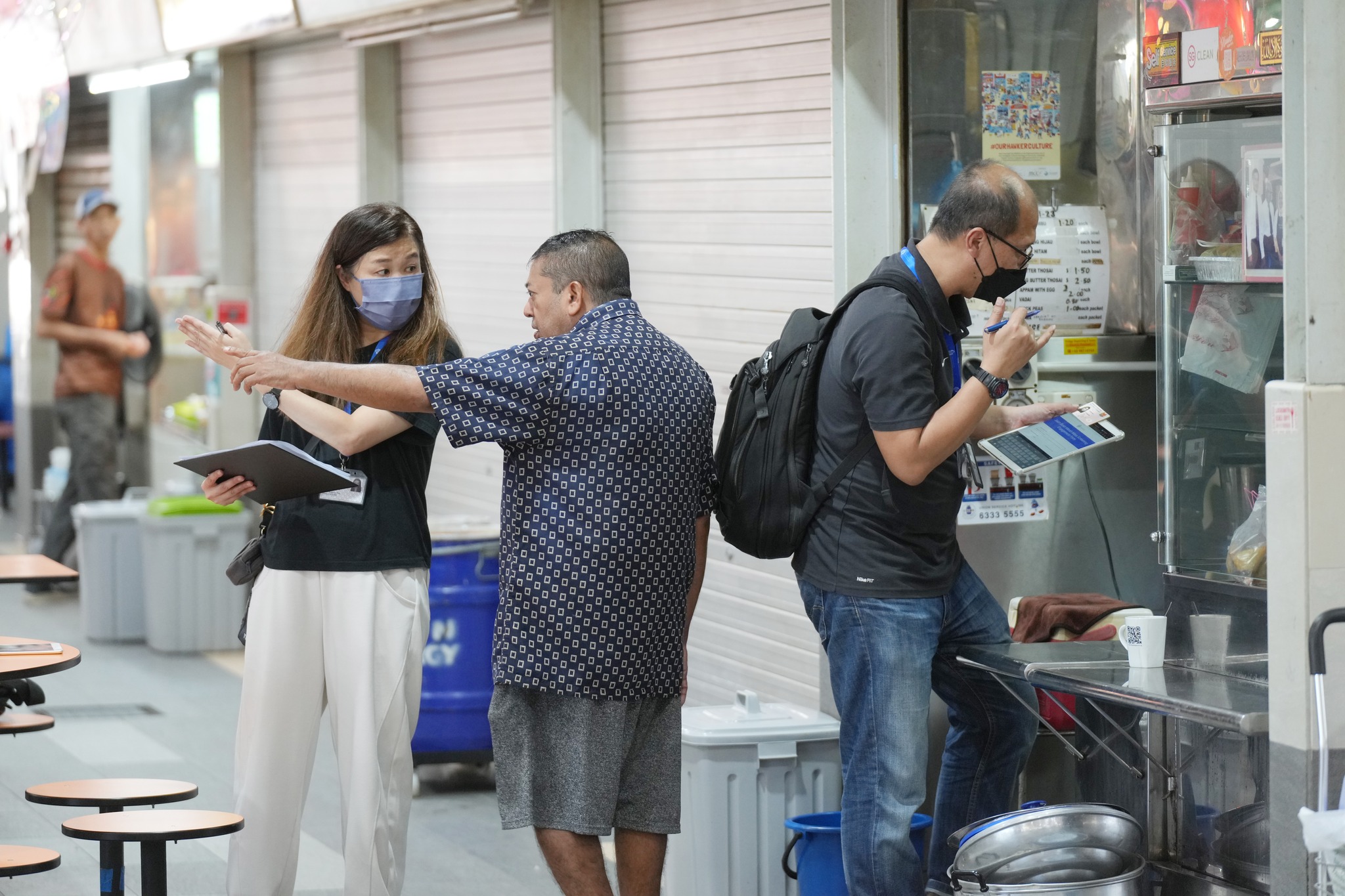
Source: Shin Min Daily News
When 10 new related cases appeared in early 2024, officers launched another round of testing and uncovered two additional infectious cases.
According to SMDN, officials said WGS helped them discover that more related cases had lived, or were currently living, in the Redhill area.
This insight prompted large-scale testing to detect previously unknown active cases and halt further spread.
Stigma still prevents some from getting tested, officers say
Dr Deborah Ng, the Director of the Tuberculosis department at the Communicable Diseases Agency, said the number of local TB cases has been steadily falling over the past six years.
However, public understanding of TB remains low, and stigma still makes contact tracing harder.
“Public health officials sometimes encounter difficulties when conducting contact tracing, such as difficulty getting close contacts to come in (for screening) or provide information,” she said.
“This is because they are afraid or worried about being labelled.”
Also read: Bukit Merah shop owners & hawkers to receive S$250 cash after tuberculosis spike affects business
Bukit Merah shop owners & hawkers to receive S$250 cash after tuberculosis spike affects business
Have news you must share? Get in touch with us via email at news@mustsharenews.com.
Featured image adapted from Shin Min Daily News.