
Millennial workers are the most unhappy, Singapore second least happy in APAC: Report
Those who live and work in Singapore are no strangers to the grind — we seem to thrive off pressure, taking pride in our efficiency and can-do attitude, but at what cost?
Recent findings from Jobstreet by SEEK, presented in the ‘Workplace Happiness Index: Singapore’, reveal that Singapore has the second-lowest workplace happiness among six countries in the region.
Of 1,000 respondents surveyed in the island’s employment market, only 56% reported being happy at work.
This pales in comparison with Indonesia (82%), the Philippines (77%), and Malaysia (70%), although countries such as Australia (57%) and Hong Kong (47%) have comparable figures.
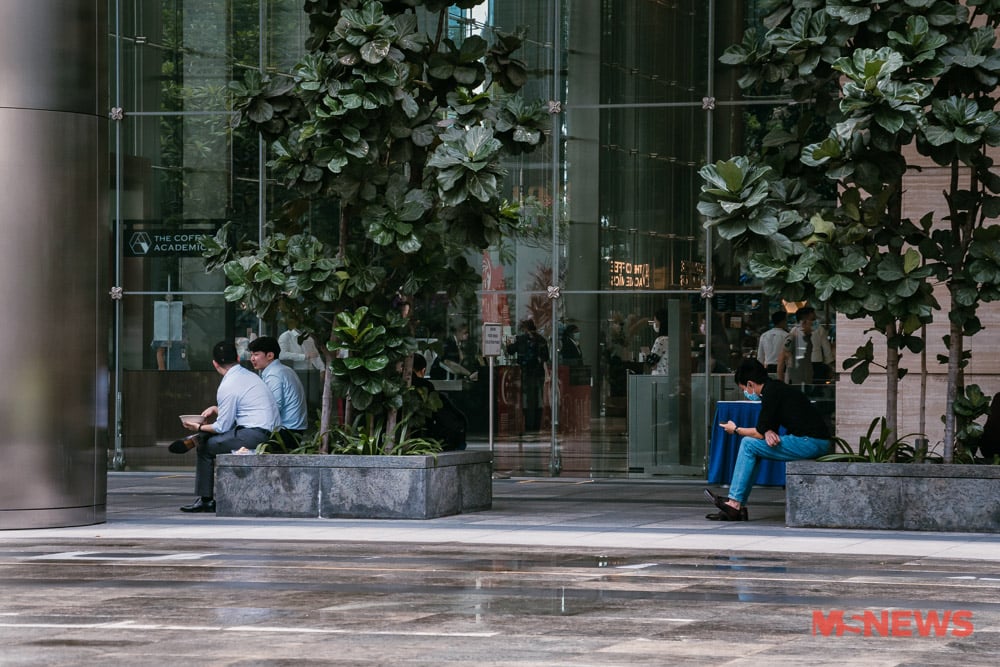
The stats also show that millennials (30 to 44 years old) are the least happy generation, with only 49% feeling valued for their contributions.
This begs the question: What exactly can be done to make millennials happier? Do they seek higher salaries, or is it a case of finding purpose in what they do?
Purpose is a key driver of workplace happiness
According to the report, workplace happiness is most likely to occur when people find meaning or feel a sense of purpose in their work. This includes whether their work supports their goals and aspirations.
Millennial workers MS News spoke to generally agreed, stating that they are happiest at work when they are recognised for their efforts.
For 39-year-old designer Sue, this looks like getting a sign-off on a good proposal. Meanwhile, Ain, a creative marketer, derives joy and satisfaction from successful campaigns.

Source: Thirdman on Pexels. Image for illustrations purposes only.
The same goes for younger millennials striving to make a mark, such as 31-year-old sustainability consultant Attiya, who finds purpose in mentorship.
“As I become more senior, I find joy in seeing my teams growing into their roles,” she said.
However, that is not to say that purpose is the be-all and end-all of workplace happiness.
Employees still place a high value on salary, especially in Singapore, where they grapple with the high cost of living. Some also highlight shifting priorities as they progress to different stages of their lives.
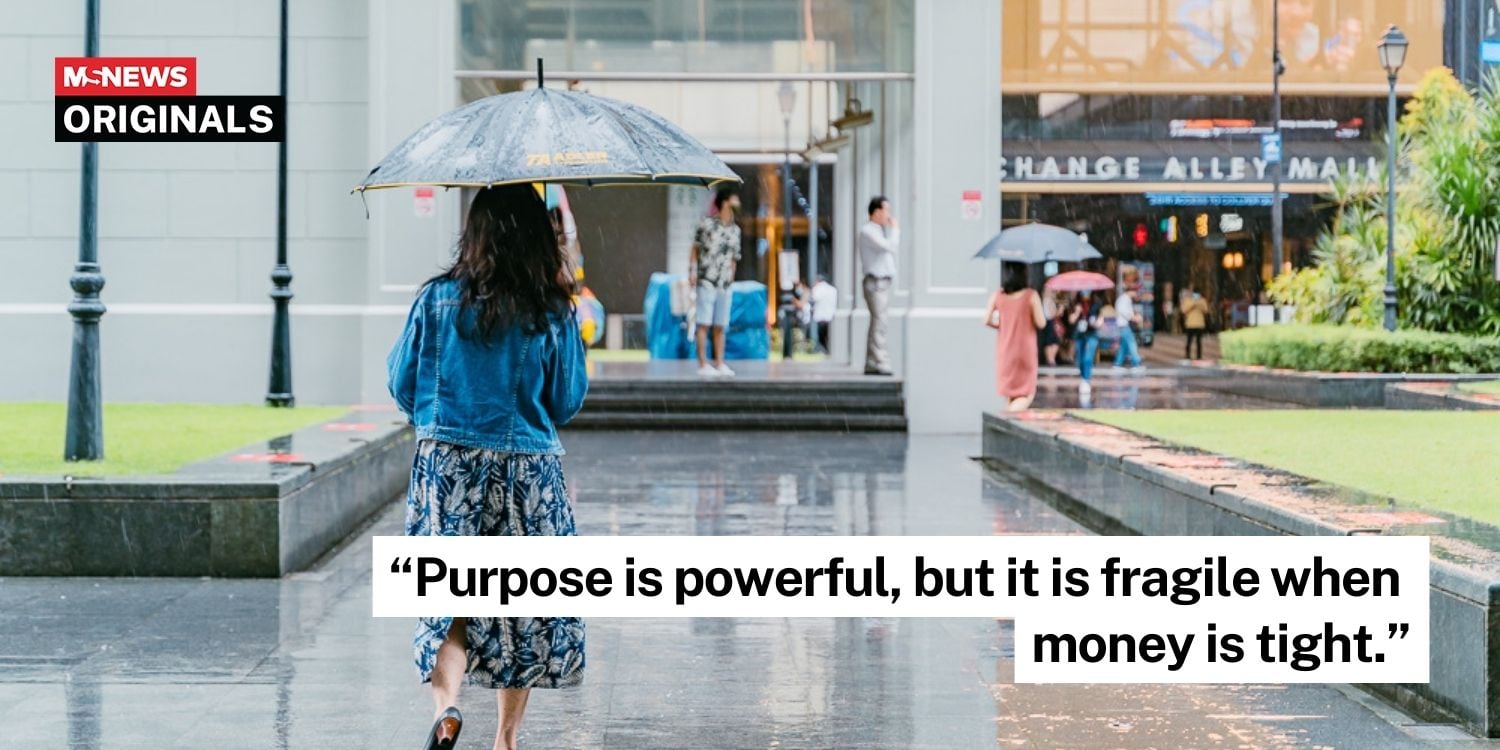
“Purpose is powerful, but it is fragile when money is tight,” said Ain, a mother of two.
Employees in Singapore weigh the importance of purpose versus salary
Sue tells MS News that her perspective has changed since joining the workforce 14 years ago.
“For my first job, I accepted an offer that was way below average for my qualifications and peers,” she said. “I was driven by passion and was looking for a workplace with like-minded creatives.”
However, as her personal and family commitments increased in her 30s, she began to prioritise salary more.
The same applies to 33-year-old Ain, whose 10-year career has coincided with the birth of her two children.
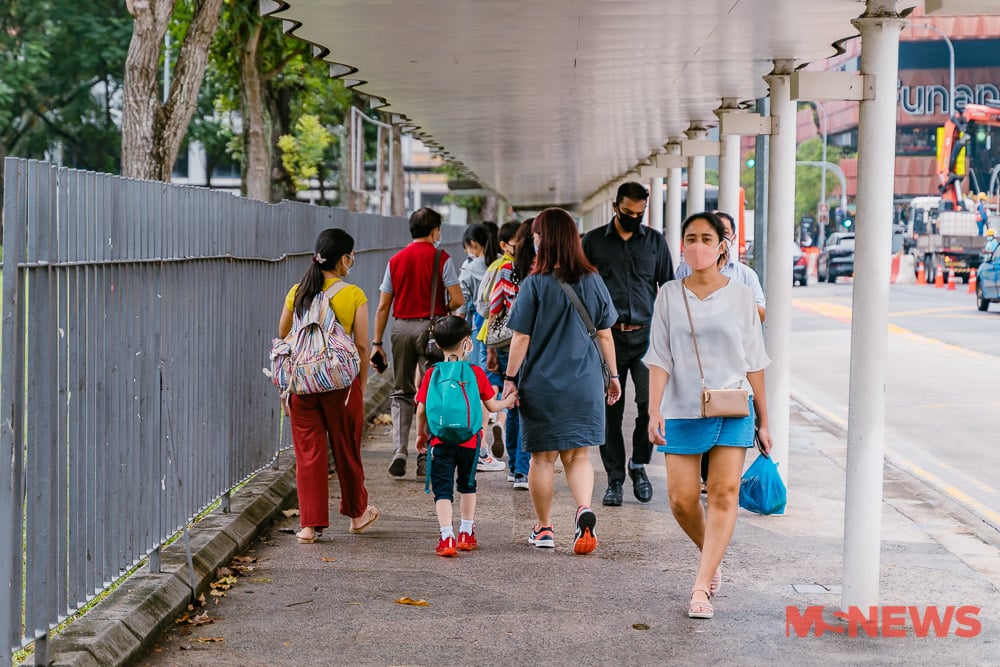
“How much I earn gives me and my family options in life,” said Ain, who elaborated that earning a fair salary goes a long way in giving her peace of mind.
“Financial stability in this economy means lesser worries and arguments and more happiness.”
Ain added that since becoming a mother, she no longer has the desire to climb the corporate ladder as aggressively.
“I now prioritise having as much time as possible with my family,” she said.
Even millennials who have not started families are becoming more aware of the need for balance. This includes holding space for their passions and interests outside of the office.
“I find myself being more cognisant on carving out time for things out of work that recharge me, and seeing them as just as critical as work,” said Attiya.
Millennials find happiness in daily human interactions
When asked if they are happy at work, all three millennials who spoke to MS News were quick to say yes. And the common denominator for the happiness? Their colleagues.
Ain expects to remain in her current role for approximately five years. She said she is happy at work every day because she gets along with her team.
Meanwhile, Attiya also finds happiness in the little day-to-day exchanges with her colleagues.

While Singapore does not rank well compared with our APAC neighbours, employees here are generally optimistic about finding joy at work.
8 out of 10 respondents (among 1000 polled) in Singapore believe that happiness at work is possible. And this is where employers have a part to play.
“What our latest Workplace Happiness Index shows us is that Singapore’s workers are not disengaged or unmotivated, but rather feeling stretched and undervalued,” said Esther Lee, Managing Director, Singapore, Jobstreet by SEEK.
“In a hiring climate where retention is the new battleground, the greatest opportunity for employers lies in addressing these challenges to drive sustained happiness in the workplace, in turn allowing greater engagement, productivity and retention in the organisation.”
Also read: Young S’porean duo have no regrets moving to Thailand, share how their lives have improved
Young S’porean duo have no regrets moving to Thailand, share how their lives have improved
Have news you must share? Get in touch with us via email at news@mustsharenews.com.
Featured image by MS News.