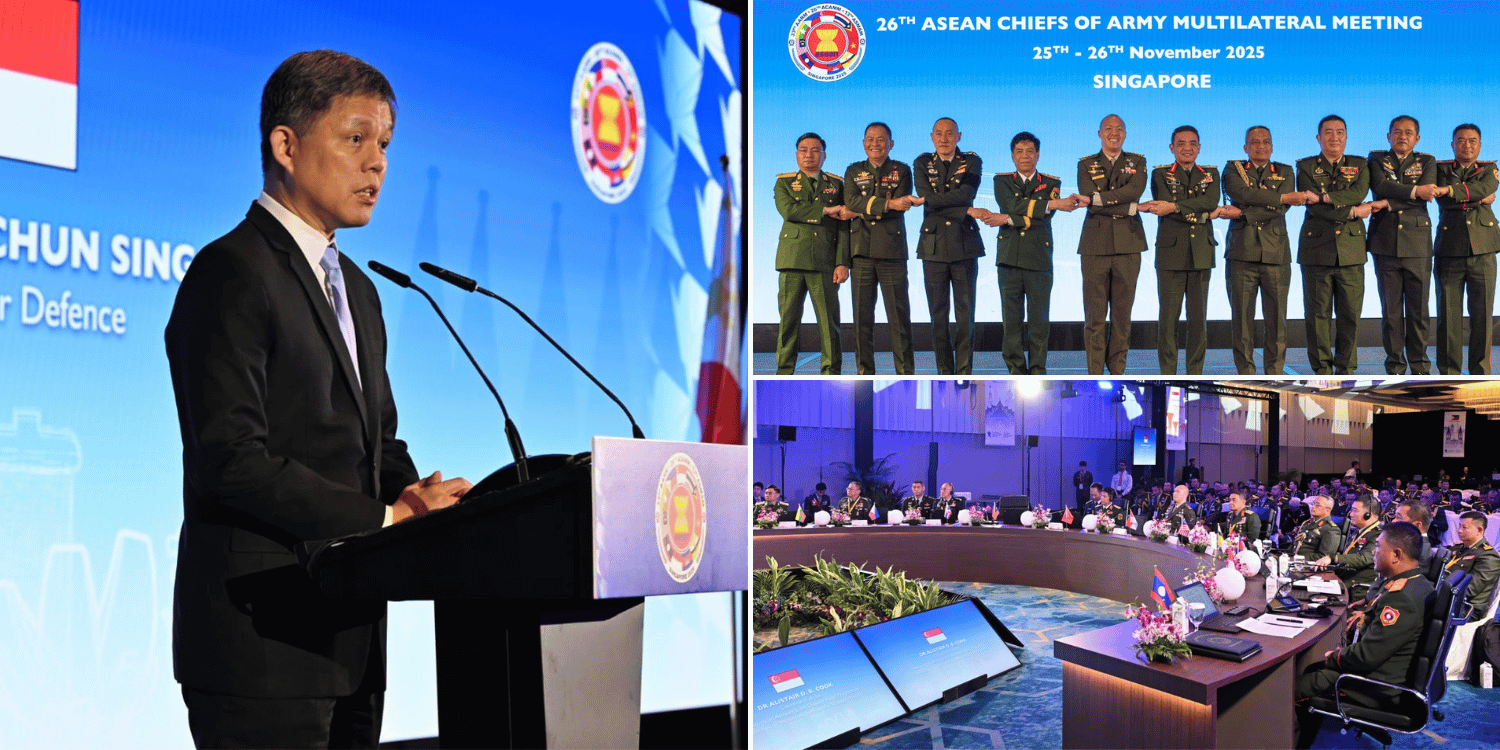

Chan Chun Sing highlights region’s evolving security challenges at ACAMM-ASMAM Joint Opening Ceremony
Singapore’s Minister for Defence, Chan Chun Sing, has highlighted the importance of unity and vigilance among ASEAN countries as the region grapples with increasingly complex security challenges.
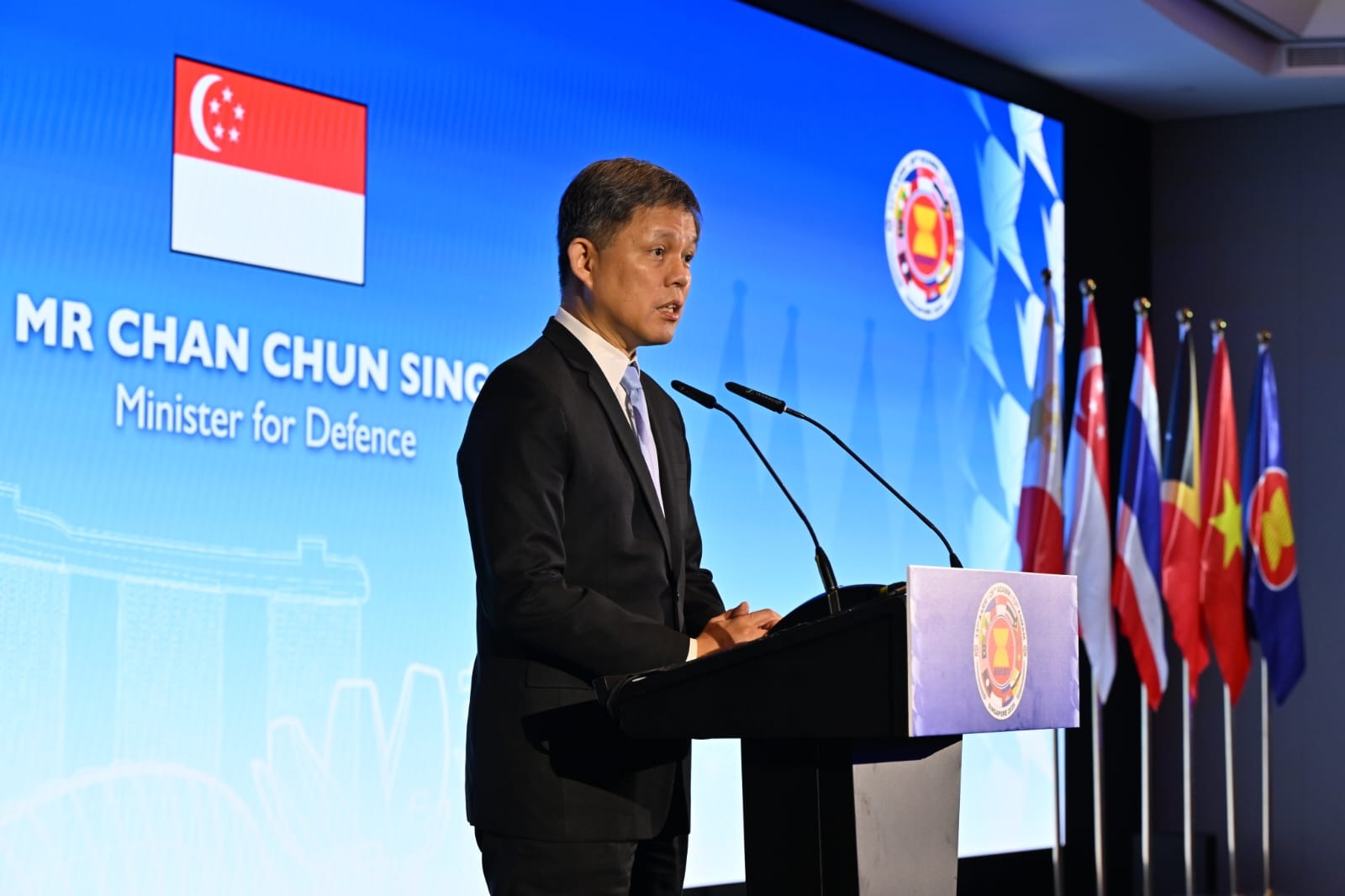
In his keynote address at the 26th ASEAN Chiefs of Army Multilateral Meeting (ACAMM) and 13th ASEAN Sergeant Majors Annual Meeting (ASMAM) Joint Opening Ceremony on 26 Nov, Mr Chan emphasised that the volatile and uncertain global landscape demands stronger cooperation within the region.
Source: Ministry of Defence, Singapore (MINDEF) on Facebook
Region facing a fast-changing & complex security landscape
“The world has become much more volatile, much more uncertain, much more complex and ambiguous,” Mr Chan said, referencing the “VUCA” acronym as he outlined how shifting geopolitical realities and emerging technologies are reshaping the security environment.
He noted that threats now extend far beyond conventional conflict.
From terrorism to cyberattacks and the protection of critical infrastructure, ASEAN member states face a wider and more interconnected range of challenges.
“These are the new challenges that we have to grapple with, individually and together as ASEAN,” added Mr Chan.
Despite this complexity, Singapore’s defence minister stressed that unity remains ASEAN’s strongest asset.
Source: Ministry of Defence, Singapore (MINDEF) on Facebook
“If each of us go our own way, our voices will be diminished,” he said, calling for deeper collaboration and shared purpose.
“On the other hand, if each of us can work together as one ASEAN, then our voices, our perspectives, will be amplified on the world stage.”
ASEAN’s strategic response: vigilance, unity, consistency, agility
Building on his call for closer collaboration, Mr Chan outlined ASEAN’s own interpretation of VUCA — vigilance, unity, consistency, and agility — which he said should guide the region’s collective response to a fast-changing security landscape.
He warned against complacency, noting that even a relatively peaceful region is not shielded from emerging risks.
“Low risk does not mean no risk,” he said, urging member states to stay alert to new threats.
Source: Ministry of Defence, Singapore (MINDEF) on Facebook
Unity, he added, must be anchored in strong domestic coherence.
Countries must be “confident and coherent domestically” if they are to contribute meaningfully to ASEAN’s stability and collective voice.
Mr Chan also stressed the importance of consistency, both in upholding principles and in building credible capabilities.
“We will have to stand on the side of principles . . . rather than to be expedient at any point short term in time,” he said, emphasising that sustained cooperation, including in Humanitarian Assistance and Disaster Relief (HADR), is essential for building trust within the region.
Looking outward, Mr Chan said ASEAN must remain agile when engaging global and regional partners.
This requires a deep understanding of stakeholders’ “needs, fears, concerns, and aspirations” to foster trust and maintain ASEAN’s relevance in global security discussions.
“So yes, the VUCA world . . . has become even more volatile, uncertain, complex, and ambiguous,” he concluded.
“But at the same time, we can respond with our own VUCA.”
Strengthening regional cooperation
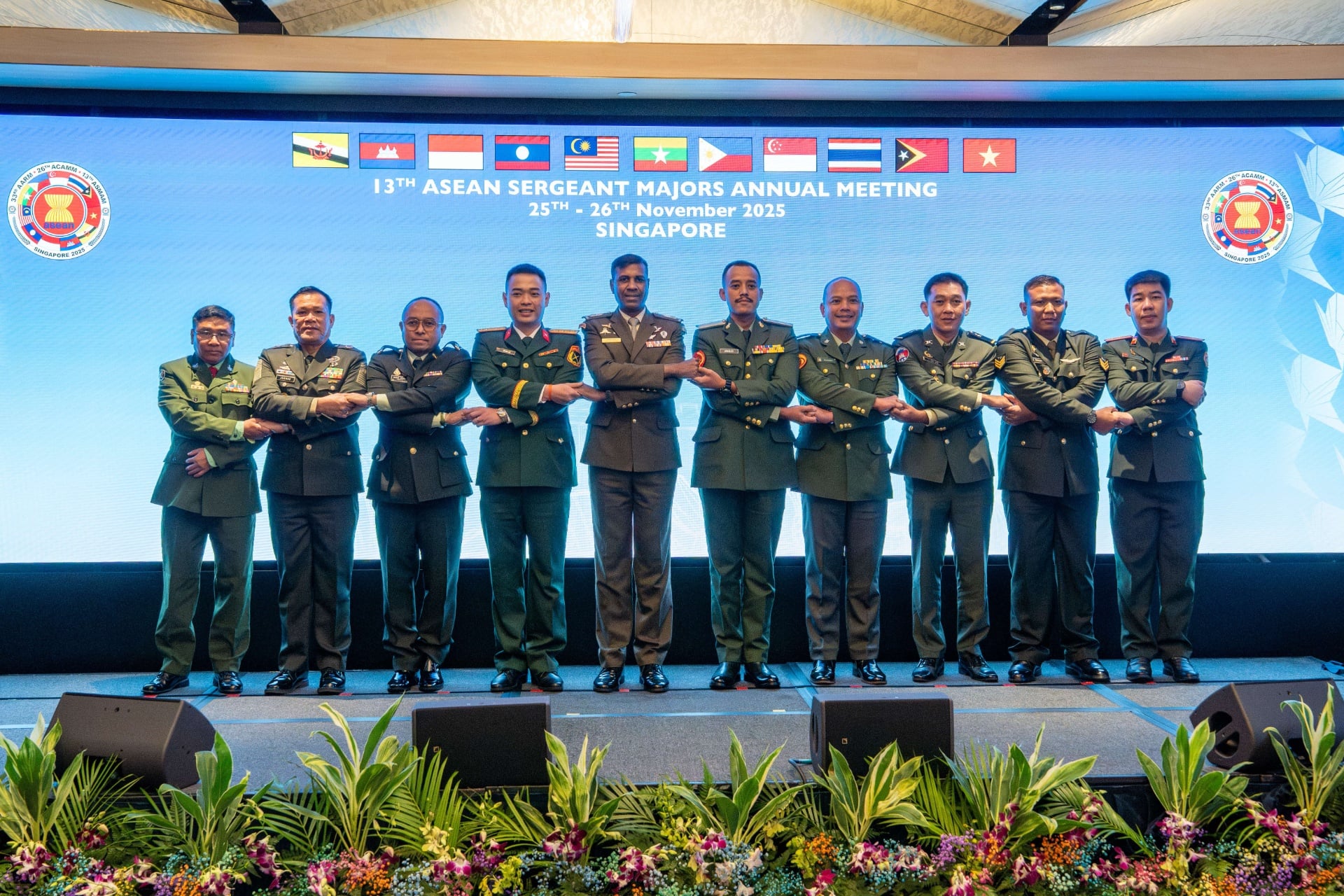
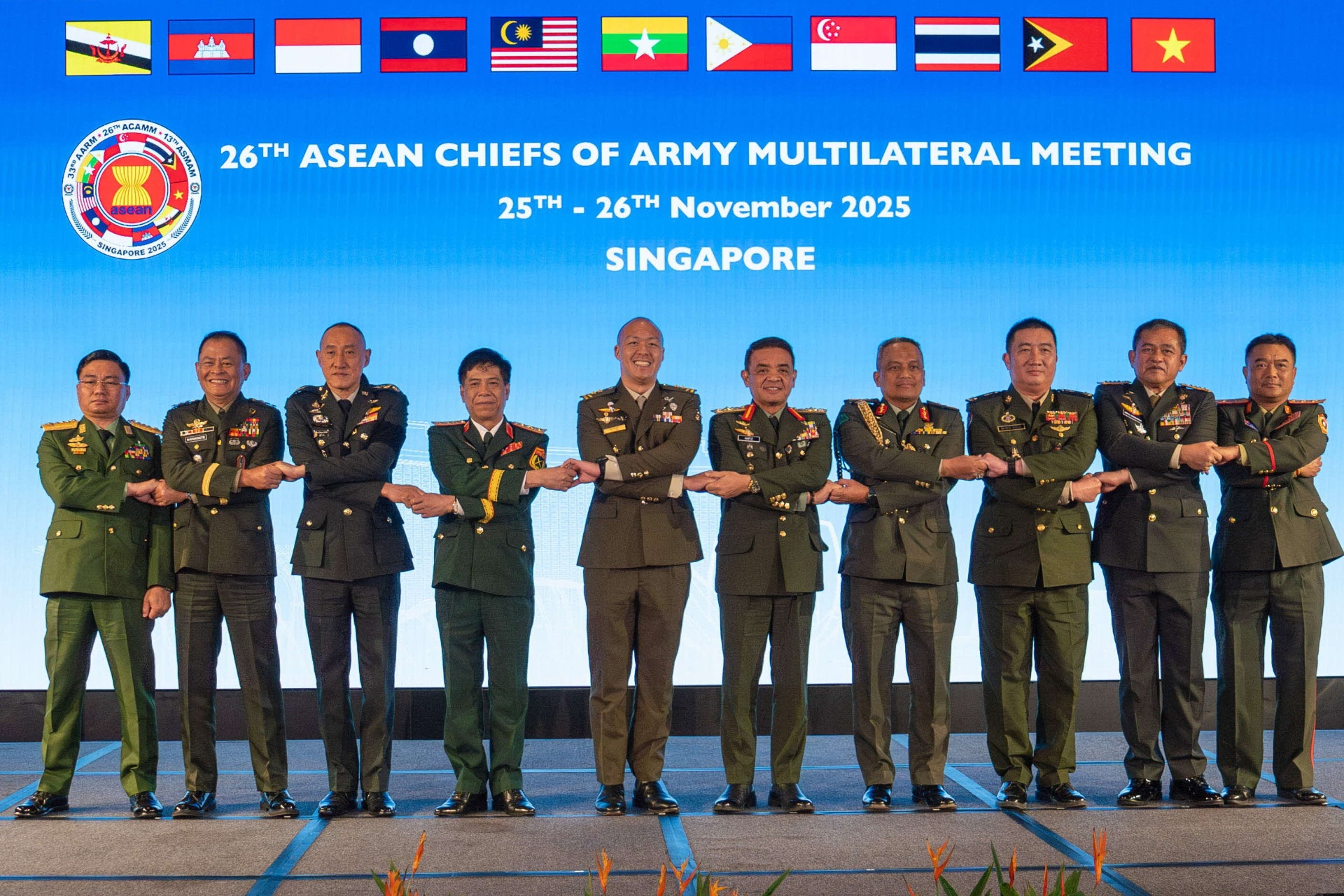
This year’s ACAMM and ASMAM meetings, hosted by the Singapore Army, brought together Chiefs of Army and Sergeant Majors from all 10 ASEAN member states.
Source: Ministry of Defence, Singapore (MINDEF) on Facebook
The annual platforms serve as key avenues for strengthening military-to-military ties, fostering professional exchanges, and advancing cooperation on pressing regional security issues.
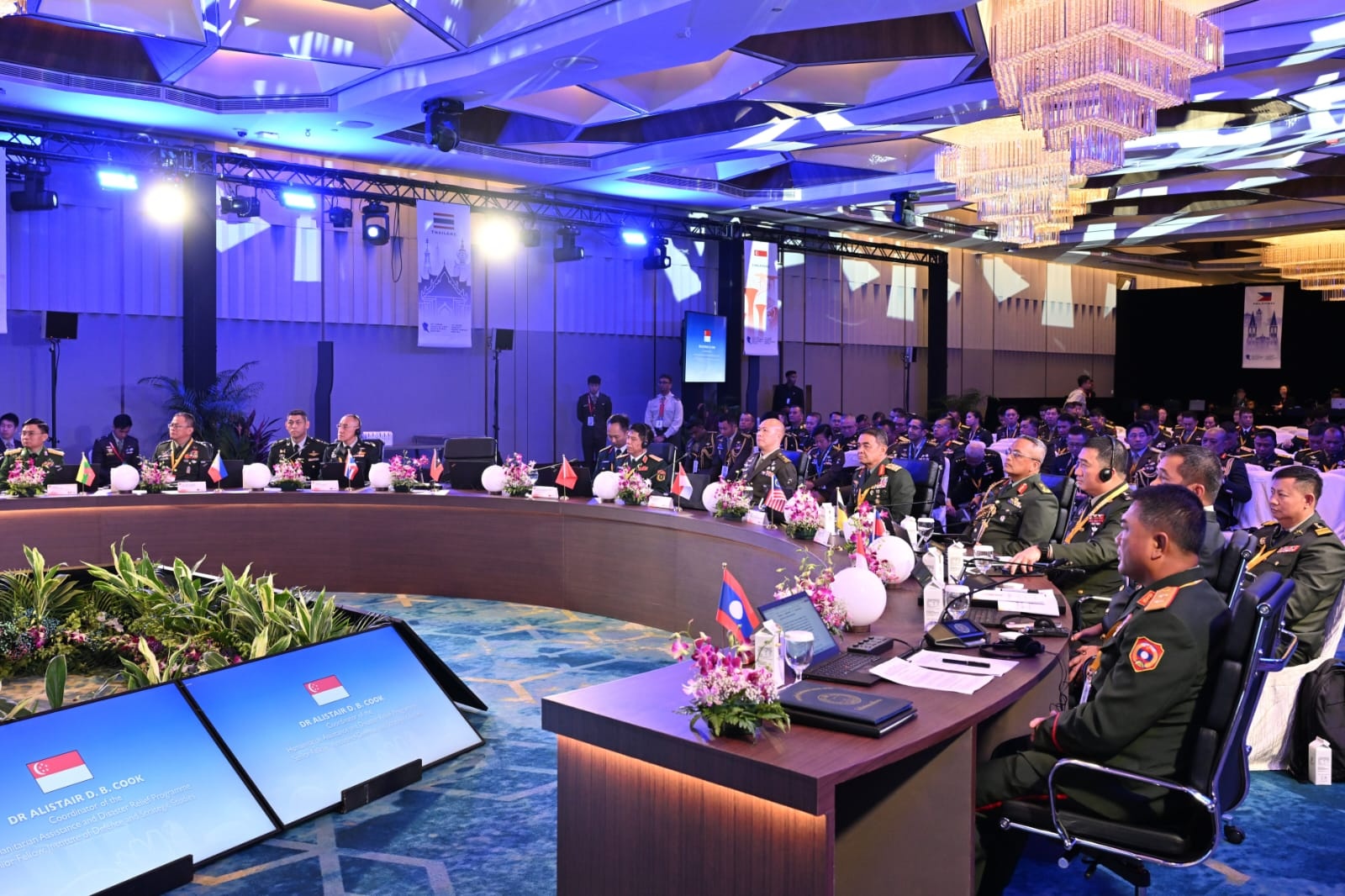
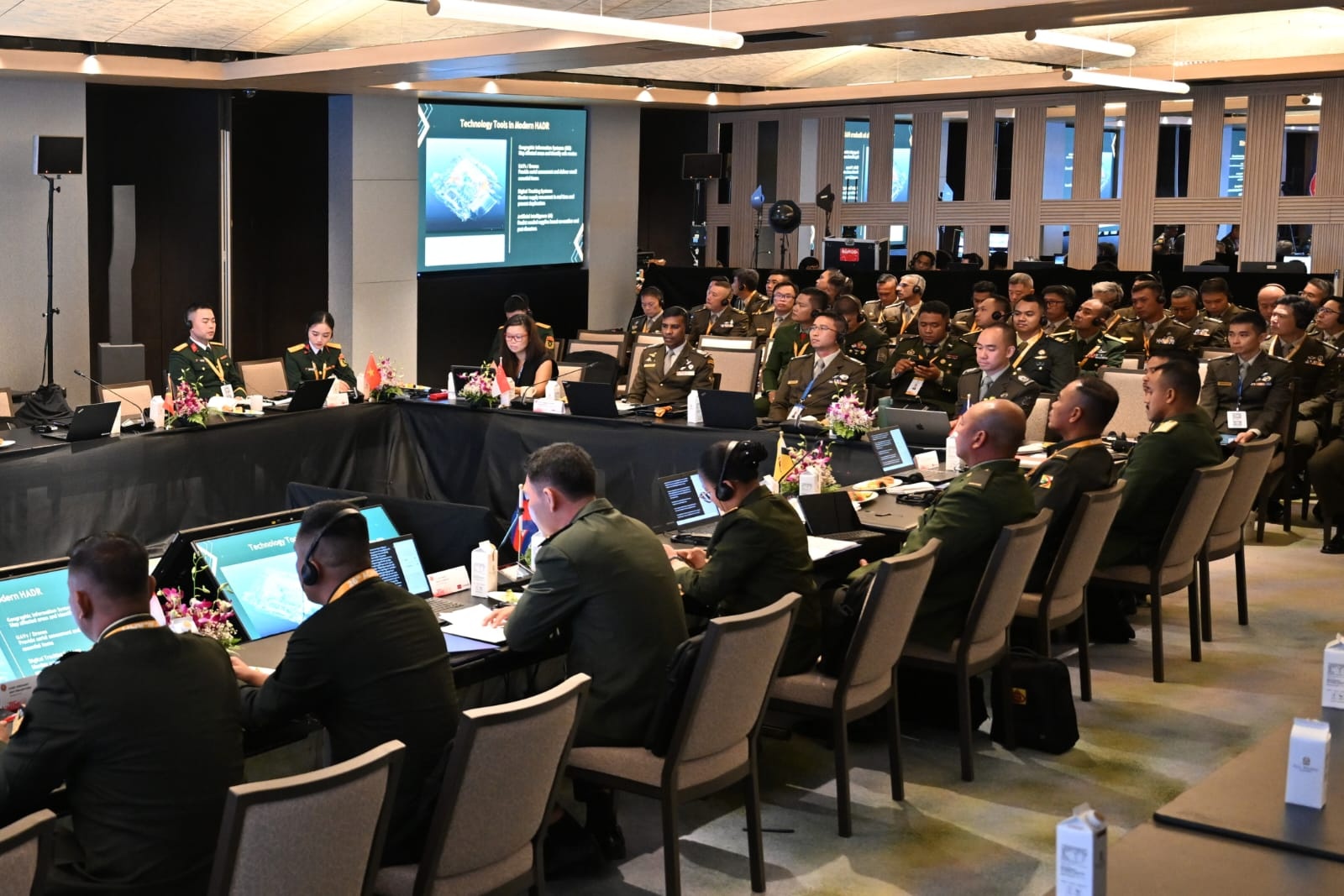
The 26th ACAMM, chaired by Chief of Army Major-General (MG) Cai Dexian, opened with a multilateral roundtable where each country shared perspectives on strengthening HADR.
Discussions centred on climate adaptation, the adoption of advanced technologies, and closer civil-military coordination, all crucial to improving joint responses to disasters across the region.
Source: Ministry of Defence, Singapore (MINDEF) on Facebook
MG Cai highlighted Singapore’s ongoing role in this area, particularly through the Changi Regional HADR Coordination Centre (RHCC).
He noted that the centre enhances real-time information sharing, provides a shared operating picture, deconflicts air and sea movements, and helps align military contributions with wider ASEAN response efforts.
The meeting concluded with the release of a joint statement on “Building Regional Cooperation in Humanitarian Aid and Disaster Relief (HADR)”.
In it, ASEAN Armies committed to boosting information exchanges, deepening partnerships, and improving coordination, including through the use of digital tools and the upcoming Exercise Trident Resolve in 2026.
The large-scale drill will be the first ASEAN Defence Ministers’ Meeting (ADMM)-Plus Combined Field Training Exercise involving three Experts’ Working Groups, covering cyber, HADR, and military medicine, and will feature complex and realistic scenarios.
Also read: Chan Chun Sing snaps selfie with Merlion statue at Rockhampton Airport during Australia visit
Chan Chun Sing snaps selfie with Merlion statue at Rockhampton Airport during Australia visit
Have news you must share? Get in touch with us via email at news@mustsharenews.com.
Featured image adapted from Ministry of Defence, Singapore (MINDEF) on Facebook.