
MS Explains: What turns children into bullies, and how to deal with them
With the spate of bullying cases that have gone public, Singapore’s education ministry has pledged to help schools tackle the pressing issue.
Minister of Education Desmond Lee said that improving the framework to address bullying is an ongoing process, and hopes to release its final suggestions next year.
For The Over-The-Rainbow Academy (The OTR Academy), a mental wellness initiative based in Singapore, the fight against bullying starts at home.
MS News speaks to its founder, Chow Yen-Lu, and Cheung Hoi Shan, an Assistant Professor of Psychology and Child & Human Development at National Institute of Education (NIE), to learn more.
Why do children bully?
It is easy, and almost natural, to villainise bullies as the ‘bad guys’ worthy of harsh punishment.
However, Asst Prof Cheung Hoi Shan shares that there is more to the psychology of these individuals.
She describes bullying as a “learned behaviour”, influenced by lived experiences and observations.
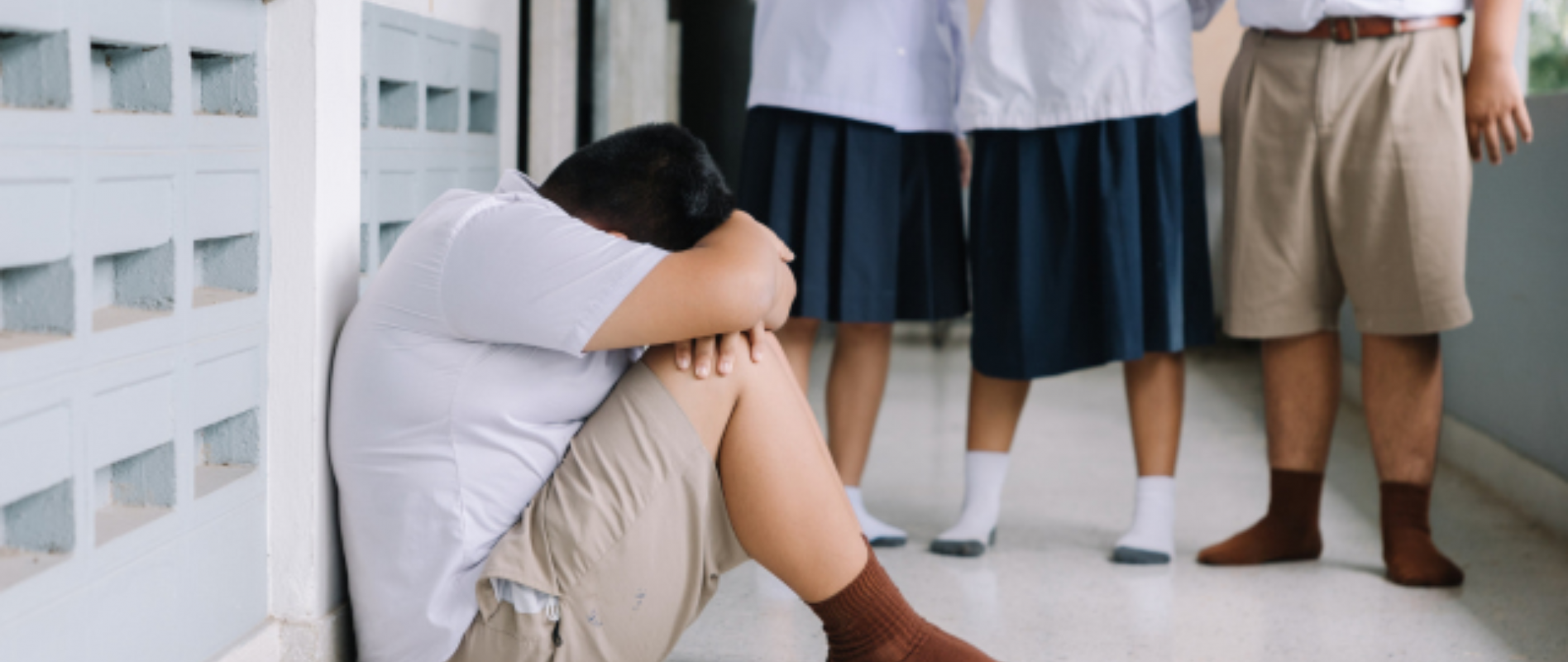
Source: The Philippine Online Student Tambayan
“Some bully to gain status or social approval; others lash out because they haven’t learned healthier ways to manage their emotions,” she said.
Children who grow up fighting for power, love, and a voice sometimes seek to dominate others.
This is why parents and guardians play vital roles in preventing children from becoming bullies.
Source: Boston Children’s Answers
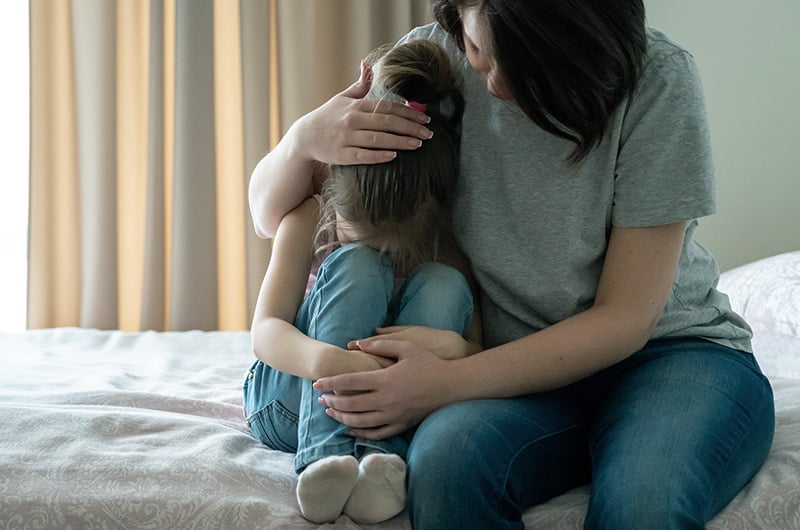
Children who have a supportive home environment are likely to be more empathetic and treat others better.
“Kids thrive when they feel seen, heard, and safe,” said Mr Chow.
“When adults model calmness, kindness, and respect even in difficult moments, kids internalise those values naturally.”
What parents can do if their child bullies others
However, people find parenting easier to talk about than to do. And sometimes adults face behaviour they never expected from their child.
Any parent feels disappointed when they find out that their child is a bully.
On the other hand, parents of victims would also feel angry and determined to seek justice for their child.
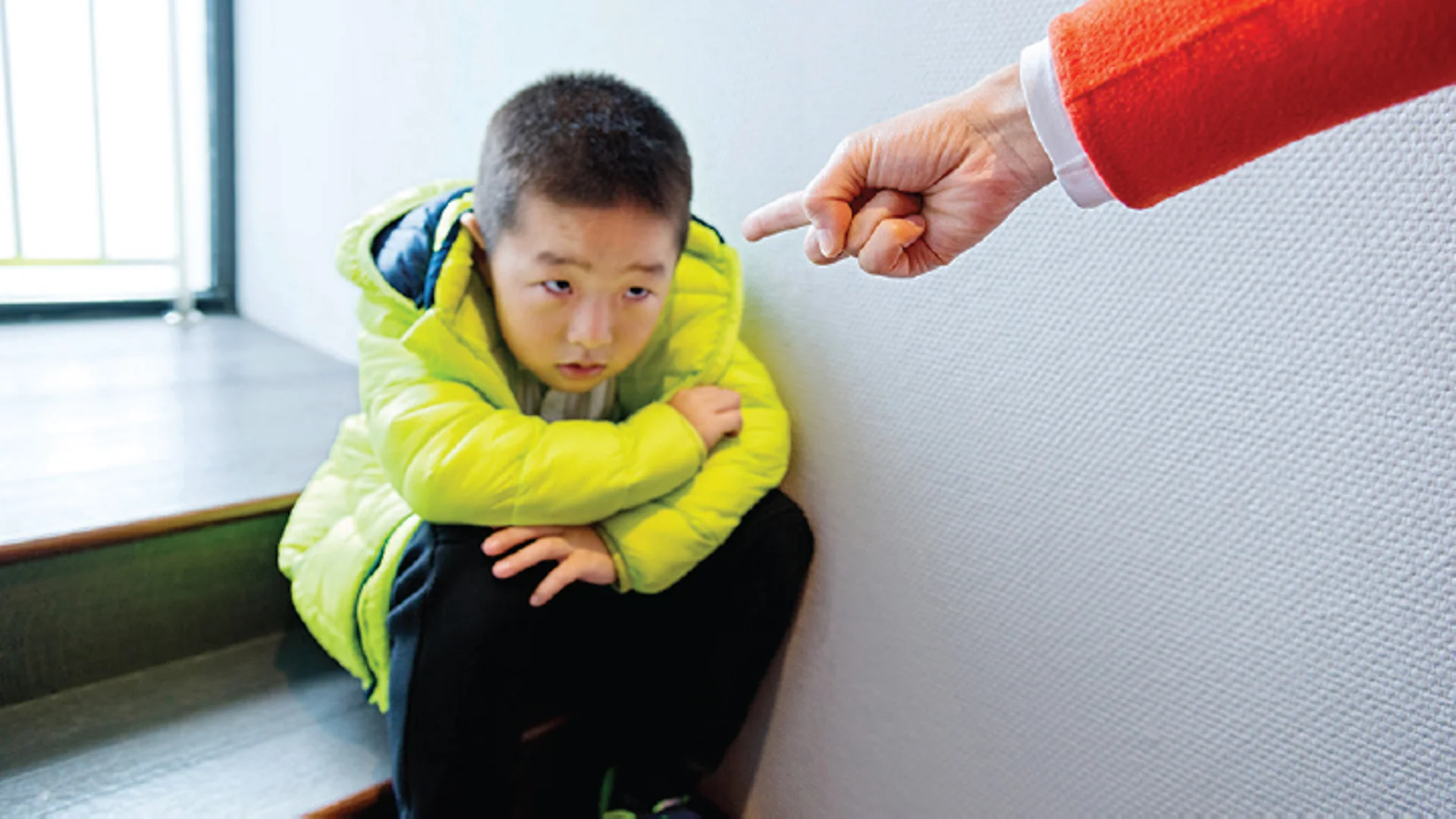
Source: Scientific American
Mr Chow, who created The OTR Academy to build empathetic mental health champions in Singapore, believes that there is a healthy way to deal with the issue.
“If parents suspect their child is being bullied, or is bullying others, the first step is not to react with blame or shame, but with curiosity and care,” he said.
On top of that, punishment — especially physical — should never be the immediate response.
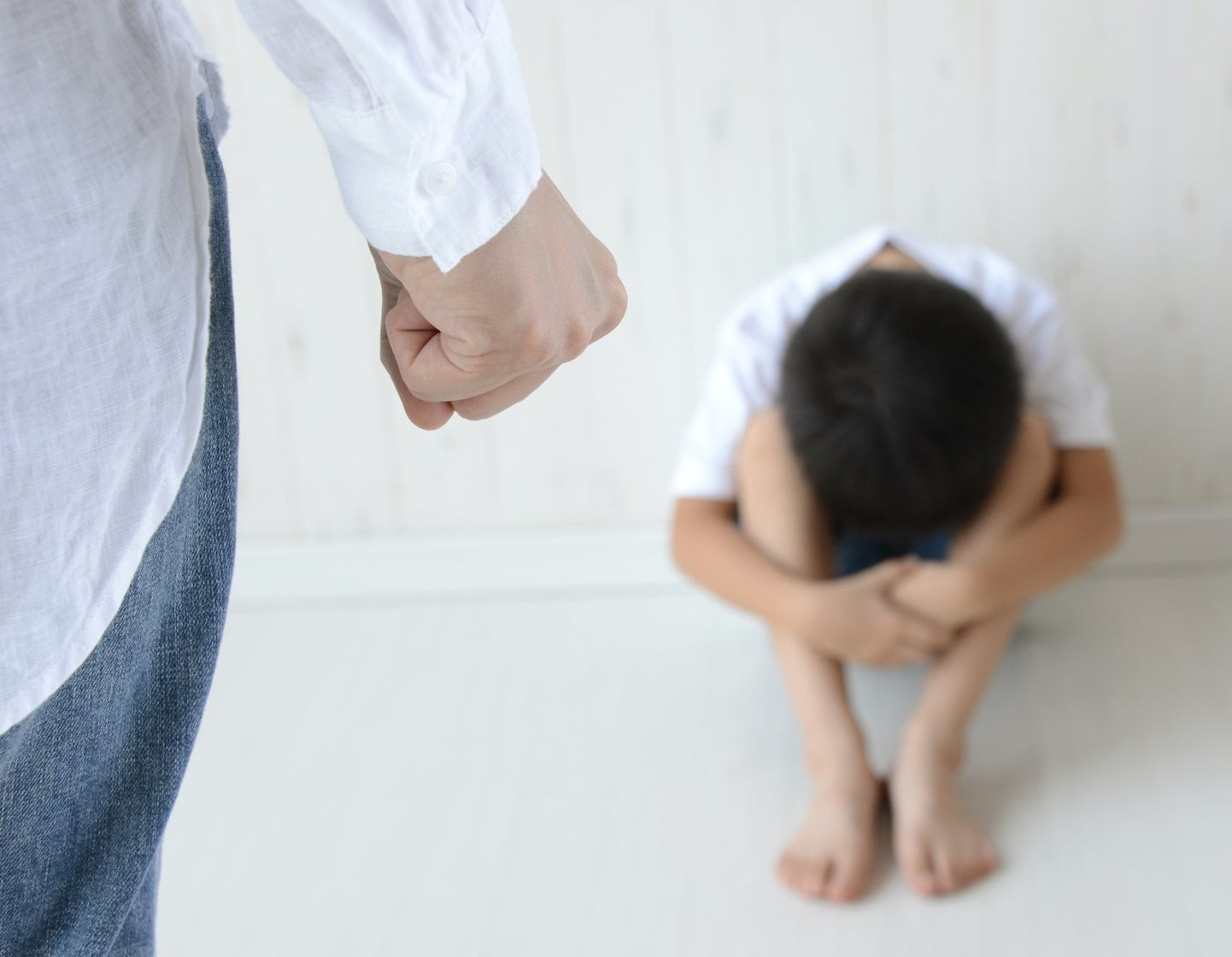
Source: Sassy Mama
Asst Prof Cheung added that corporal punishment only teaches fear, not empathy.
“Children who are punished harshly may comply in the short term,” she said.
“But they rarely understand why their behaviour was wrong or how to make amends.”
That does not mean bullies should be left to run rampant without consequences.
Instead of harsh punishment, these children should get “opportunities for reflection, restitution, and growth”.

Source: Psychology Blossom
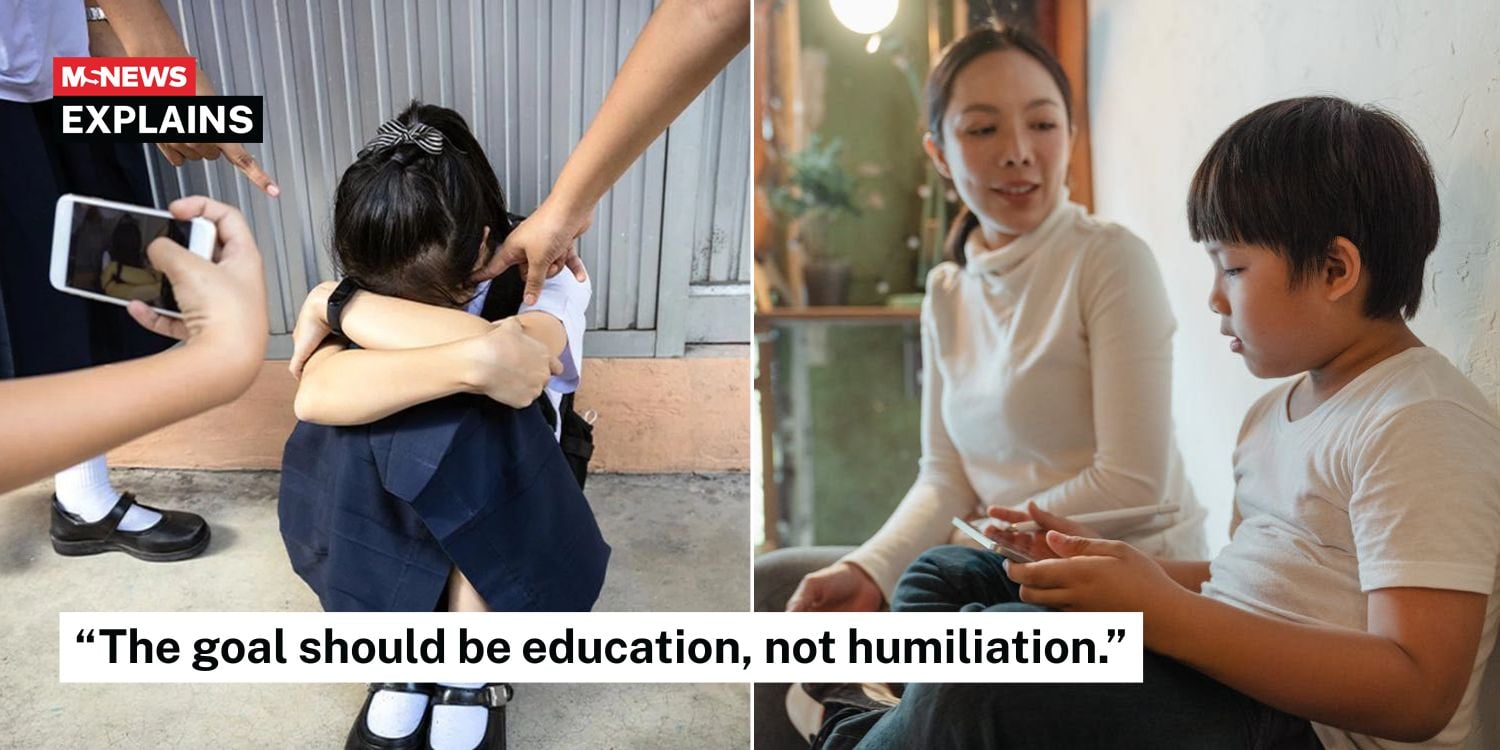
“For children, I believe the goal should be education, not humiliation,” said Asst Prof Cheung.
“Counselling, guided conversations, and restorative practices are far more effective than suspension or public punishment.”
Prevention starts at home, but schools also play a role
There is also a risk that children who experience corporal punishment will grow into violent adults.
Therefore, both Asst Prof Cheung and Mr Chow believe that prevention is the way to go. And it starts at home.
Instead of teaching a child through pain, parents can try treating them with understanding and respect, even if they slip up.
This creates the safe space that children often seek, and to Mr Chow, that is already “70% of the battle won”.
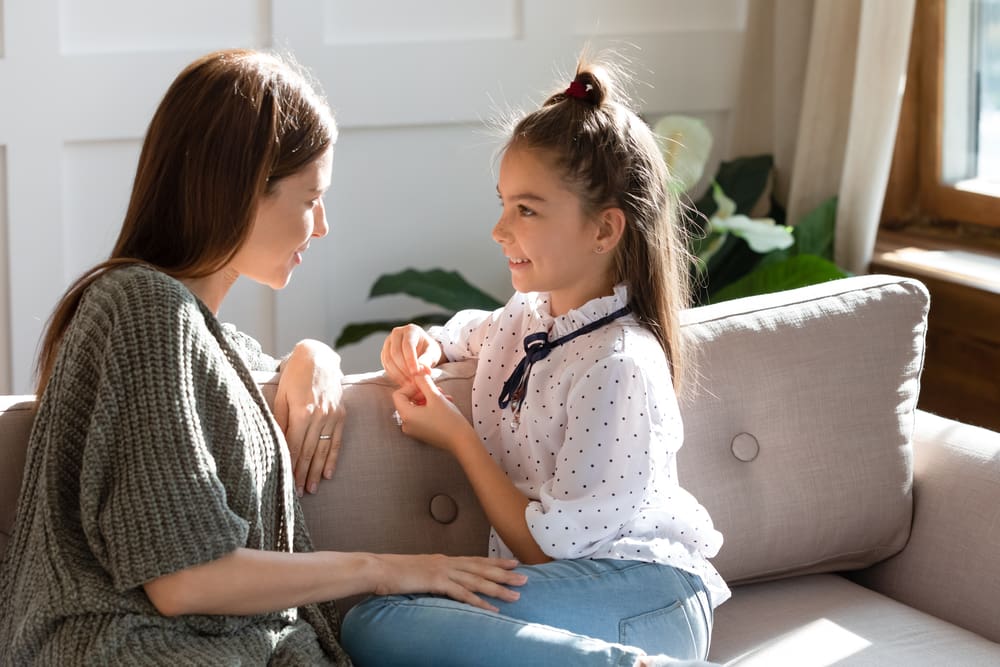
Source: Meridian Magazine
Asst Prof Cheung echoed the importance of open conversation between parent and child.
Based on her research, bullying victims typically inform their parents first before their teachers.
As such, guardians must establish a basis of trust and rapport with the kids under their care.
In schools, teachers can look out for signs of bullying, such as:
- Exclusion from group activities
- Consistent name-calling or teasing
- Silent treatment
Social-emotional learning programmes can also help students recognise emotions, build empathy, and practice conflict resolution, said Asst Prof Cheung.
However, what is most important is that the children see they have a support system from the adults around them, whether at home or at school.
Bullying cases in Singapore more visible
In Singapore, netizens continue to debate the bullying issue, with some wondering if there has been an uptick in violence among children.
Meanwhile, the results of a survey on Answers.sg showed that 85% of 840 people polled believe that bullying has increased.
Amidst the increased visibility of bullying, The OTR Academy hopes to train individuals to notice early signs of distress, listen without judgment, and respond with empathy and care.
Since its launch in April, the academy has trained more than 250 individuals and aims to reach 10,000 in the next 10 to 15 years.
Although it’s still early days, their efforts are bearing fruit — with some individuals applying their lessons in their own circles.
“When parents, teachers, and communities come together to form a web of understanding and support, we send children the most powerful message of all: You are not alone, and your feelings matter,” said Mr Chow.
Also read: Mother of Primary 3 student exposes daughter’s long-term bullying in S’pore school
Mother of Primary 3 student exposes daughter’s long-term bullying in S’pore school
Have news you must share? Get in touch with us via email at news@mustsharenews.com.
Featured image adapted from The Singapore Women’s Weekly and Ketut Subiyanto on Pexels.