
Electricity, food and transport costs set to spike, businesses and households hit, says Gan Kim Yong
Singaporeans may soon feel the pinch as inflation is expected to rise, with higher electricity, transport and daily expenses on the horizon.
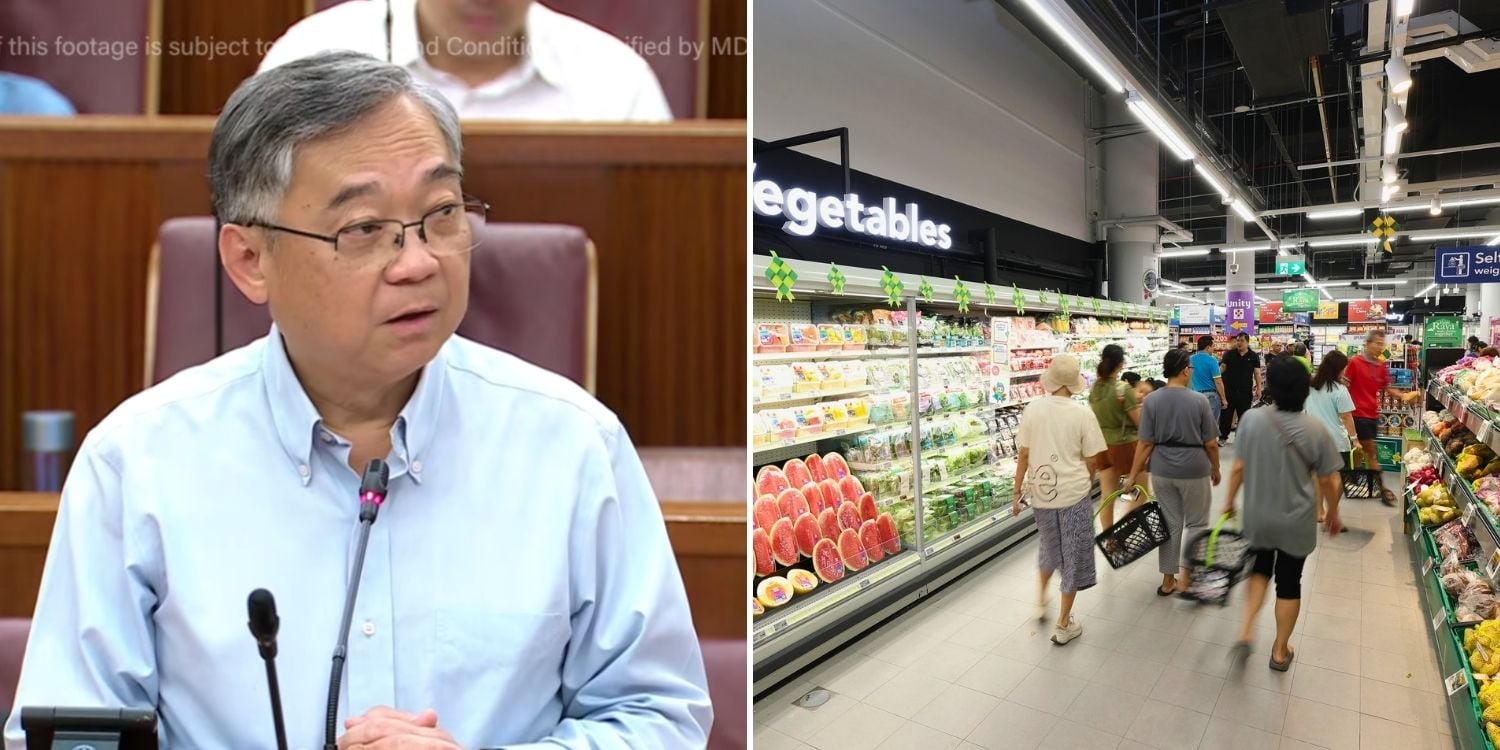
Speaking in Parliament on Tuesday (7 April), Singapore’s Deputy Prime Minister (DPM), Gan Kim Yong, said that the ongoing conflict in the Middle East is already disrupting global energy supplies and trade.
Higher fuel and electricity costs are likely
Fuel and electricity prices have already increased alongside global oil and gas prices, DPM Gan said.
Source: Earth Interior Design
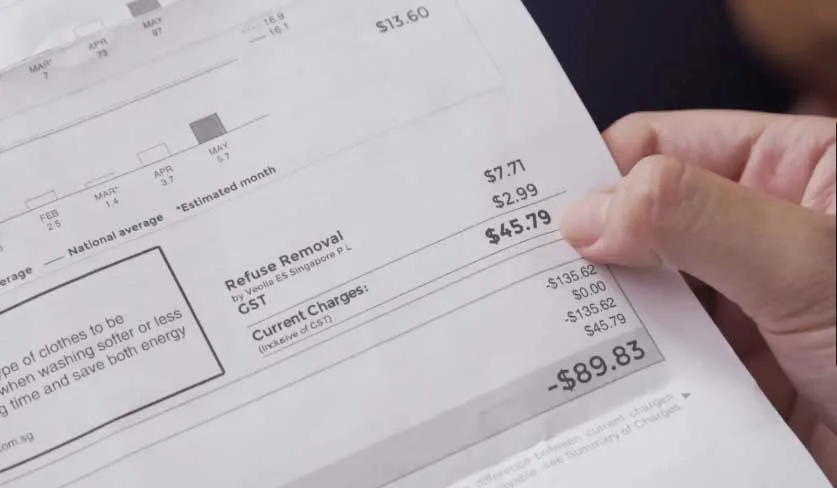
Just last week, Singapore Power (SP) Group announced a 2.1% rise in electricity tariffs for the period of 1 April to 30 June.
DPM Gan said these pressures will translate into higher costs for households.
“These pressures will be felt by households in more expensive electricity, transport and daily necessities,” he said.
Prices of imported goods may also go up, says DPM Gan Kim Yong
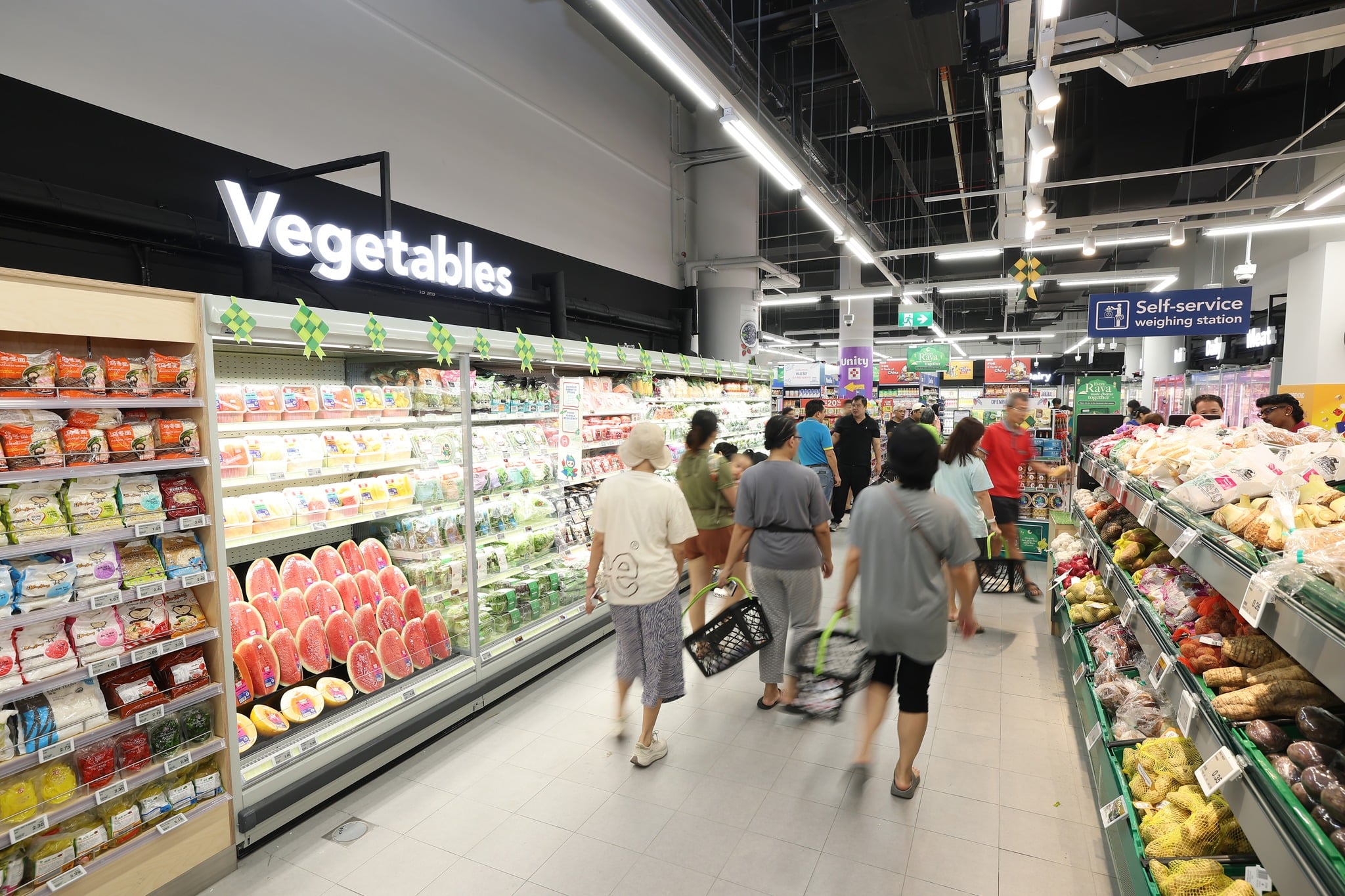
Singapore relies heavily on imports, making it vulnerable to global price shocks.
And as the conflict involving the United States, Iran and Israel enters its sixth week, Singapore is having to deal with a rise in the cost of imported goods.
This includes everyday essentials such as food and household items.
“Lower-income households will be more affected, as a larger share of their spending goes towards essentials,” DPM Gan said.
Source: NTUC FairPrice on Facebook
Businesses across multiple sectors are also expected to face higher costs.
Industries that rely on natural gas and crude oil will be most directly impacted.
Electronics and other energy-intensive industries will also be affected by higher fuel and electricity prices.
DPM Gan noted that even domestic sectors, such as retail and food services, are likely to feel the impact through higher operating expenses.
Economic growth expected to be slow
While Singapore’s economy showed resilience earlier this year, even with the Ministry of Trade and Industry (MTI) upgrading the country’s GDP growth forecast in February, growth is now expected to slow.
DPM Gan said the combined impact across sectors will “weigh on economic activities in the coming quarters”.
Singapore’s GDP forecast for 2026 currently stands at 2 to 4%, but growth in the coming quarters is likely to be affected by the conflict, he said.
Government stepping in to cushion impact
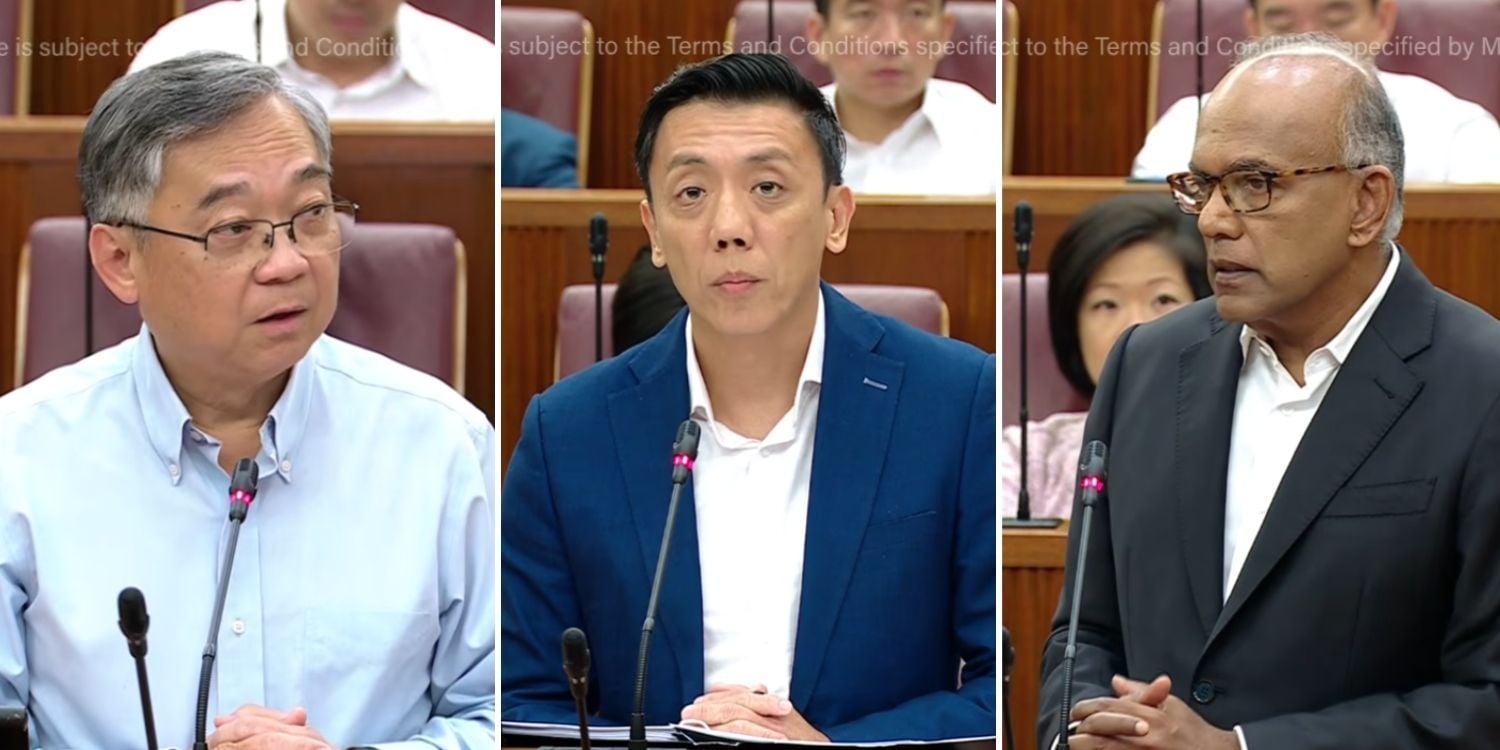
The Government has set up a crisis committee to secure essential supplies such as fuel and strengthen economic resilience.
Source: MDDI Singapore on YouTube
Led by Coordinating Minister for National Security of Singapore K. Shanmugam, the committee will support affected businesses and households.
This includes targeted help for low-income families, as well as training and employment support for workers.
DPM Gan said Singaporeans can take steps to manage rising costs.
Households can conserve electricity by using fans instead of air-conditioning and taking public transport, while businesses are encouraged to improve efficiency, including tapping grants to upgrade equipment.
More inflation shocks likely ahead
DPM Gan warned that the crisis may persist and could escalate further.
“This is a reminder that the global system is interconnected and fragile,” he said.
Singapore may need to prepare for more frequent inflation shocks and supply disruptions in the future.
While the Government will provide support, rising costs are expected to be felt across the economy in the months ahead.
Also read: SP to raise electricity tariffs from April to June amidst global energy and fuel price hikes
SP to raise electricity tariffs from April to June amidst global energy and fuel price hikes
Have news you must share? Get in touch with us via email at news@mustsharenews.com.
Featured image adapted from MDDI Singapore on YouTube and NTUC FairPrice on Facebook.