Singaporean with rare disease shares costly reality but finds relief through government subsidies
A Singaporean living with a rare disease has shed light on the steep cost of long-term treatment, sharing that the price of her medication could rival luxury designer goods.
Despite the financial strain, she expressed gratitude for the government subsidies that help ease the burden.
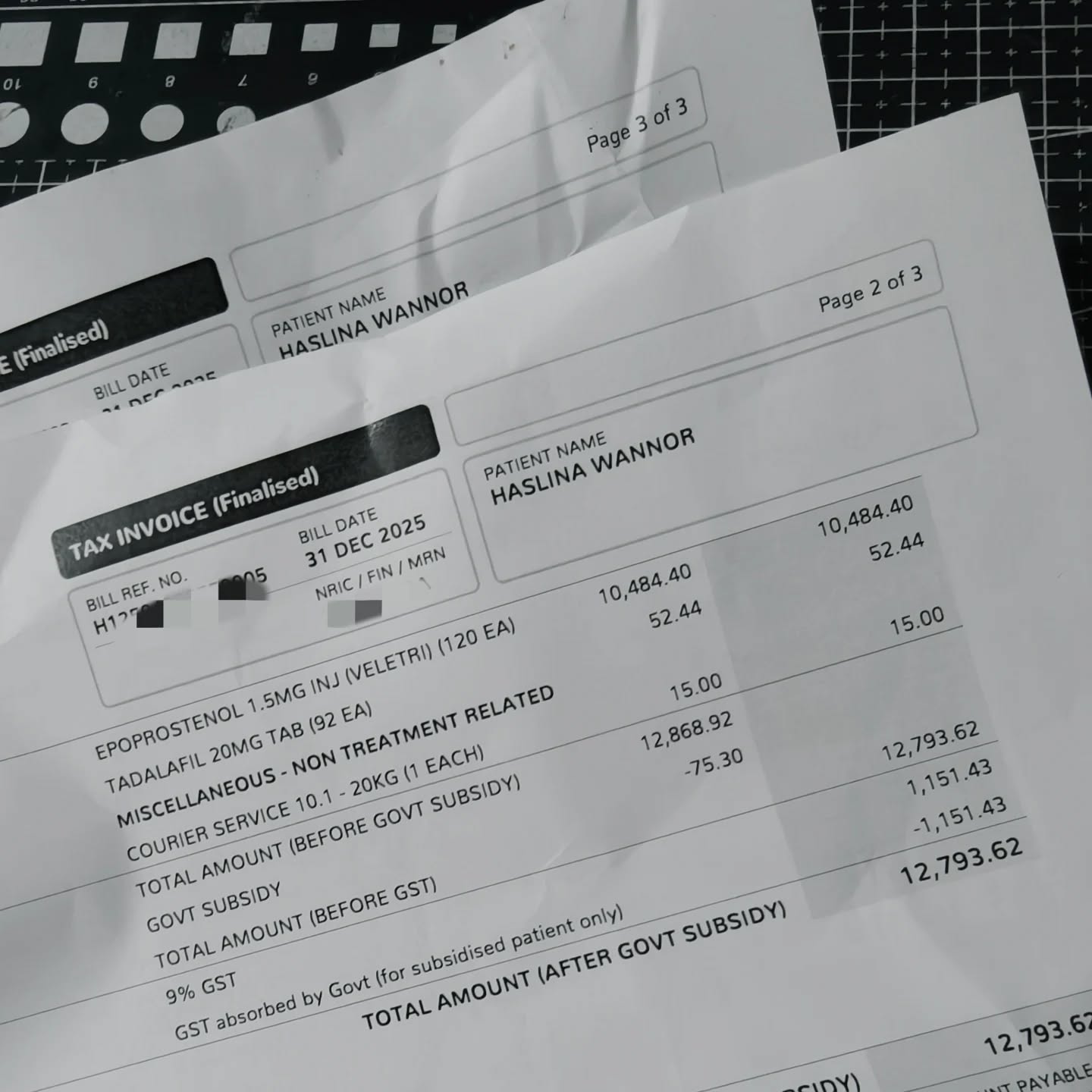
The 46-year-old patient, Haslina Wannor, shared photos of her medical bills on Facebook on 15 Jan, revealing the expenses incurred from regular medical check-ups and treatment.
Source: Haslina Wannor on Facebook
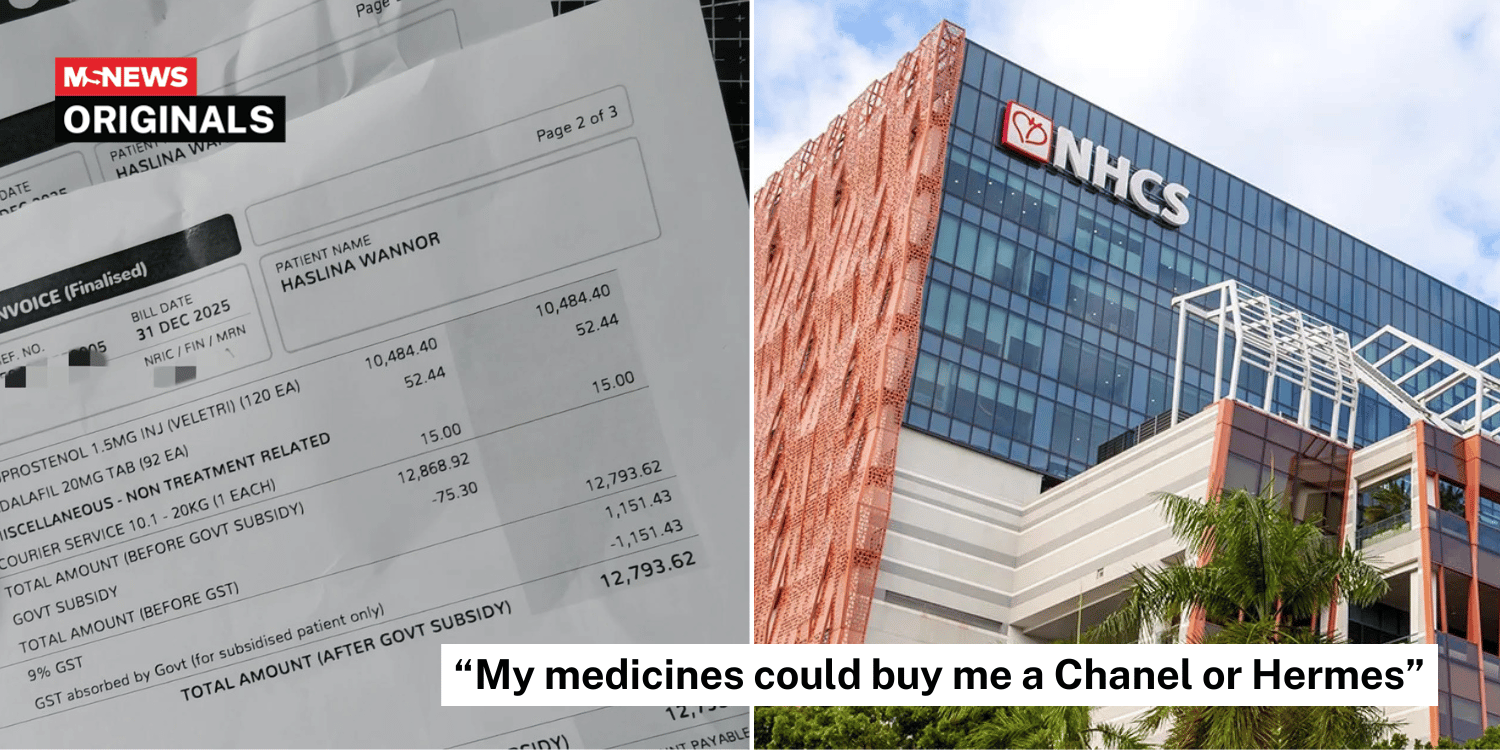
“My medicines could buy me a Chanel or Hermes. Wanna trade?” she quipped in the caption.
Diagnosed with a rare autoimmune disease
Her bill showed a total of S$12,793.62 payable after S$1,151.43 in government subsidies and GST offsets.
The largest portion, S$10,484.40, was for Epoprostenol (Veletri), an infusion used to treat pulmonary arterial hypertension, a serious condition affecting the lungs and heart.
This was followed by S$52.44 for Tadalafil tablets, along with additional charges such as S$15 for courier services and miscellaneous non-treatment-related fees.
Responding to queries by MS News, Madam Haslina said she was first diagnosed in 2008 with scleroderma, a rare autoimmune disease that involves the hardening and tightening of the skin.
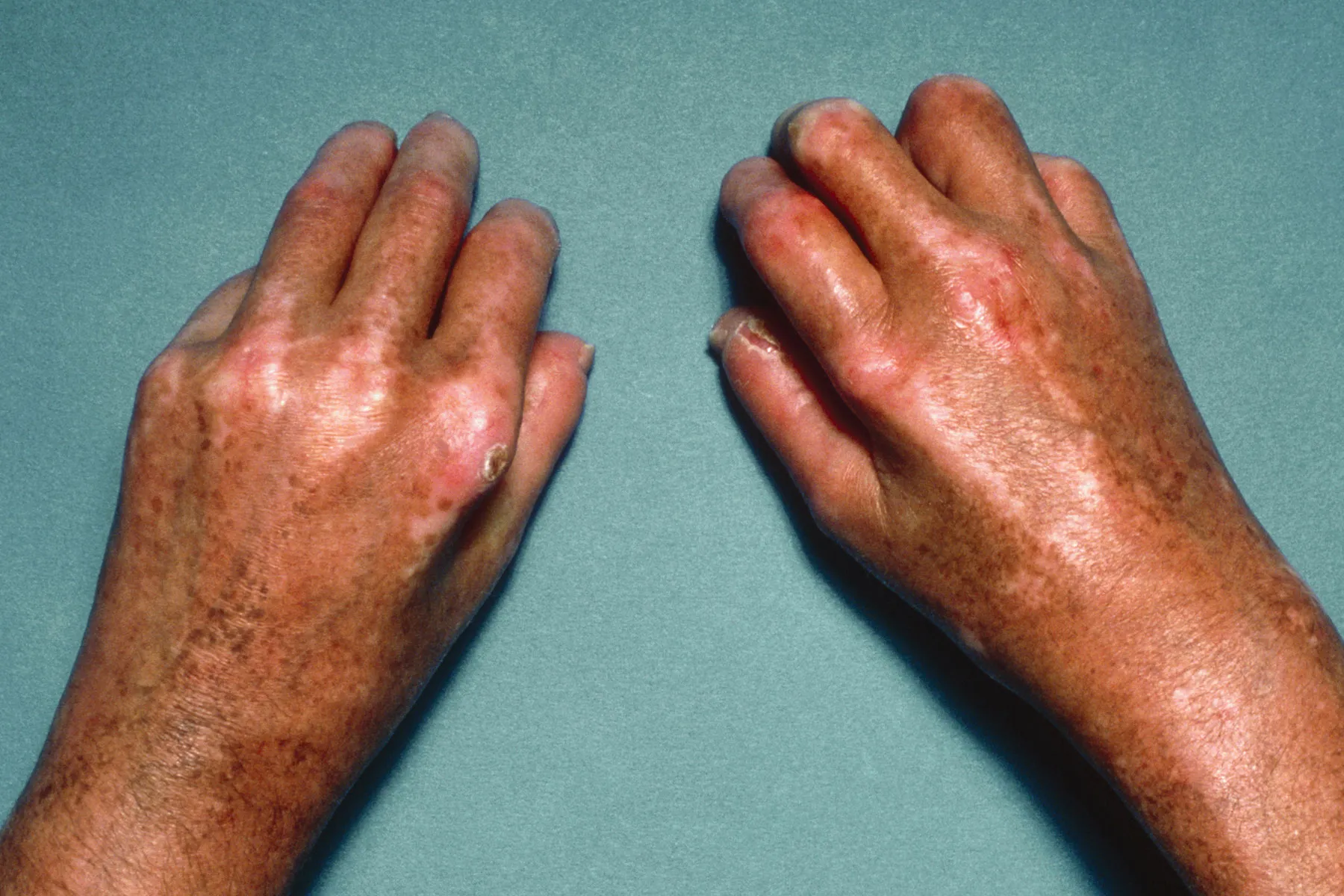
Source: SPL/Science Source via WebMD, for illustration purposes only
Since then, she has undergone various medical procedures. In 2013, she received a stem cell transplant in an effort to slow the progression of the disease.
“It was late treatment. Therefore, I had already advanced to another rare heart disease called pulmonary arterial hypertension in 2013,” she shared.
The heart condition was discovered incidentally during pre-treatment tests for her transplant, and she has been living with it since.
Costly reality of living with a rare condition
Madam Haslina’s post highlighted both the financial strain of managing a rare disease and the support available within Singapore’s healthcare system.
“That’s the price to pay for being a rare disease patient,” she wrote.
She shared that she attends palliative care at Assisi Daycare Centre and visits clinics at the National Heart Centre Singapore (NHCS) every three to six months.
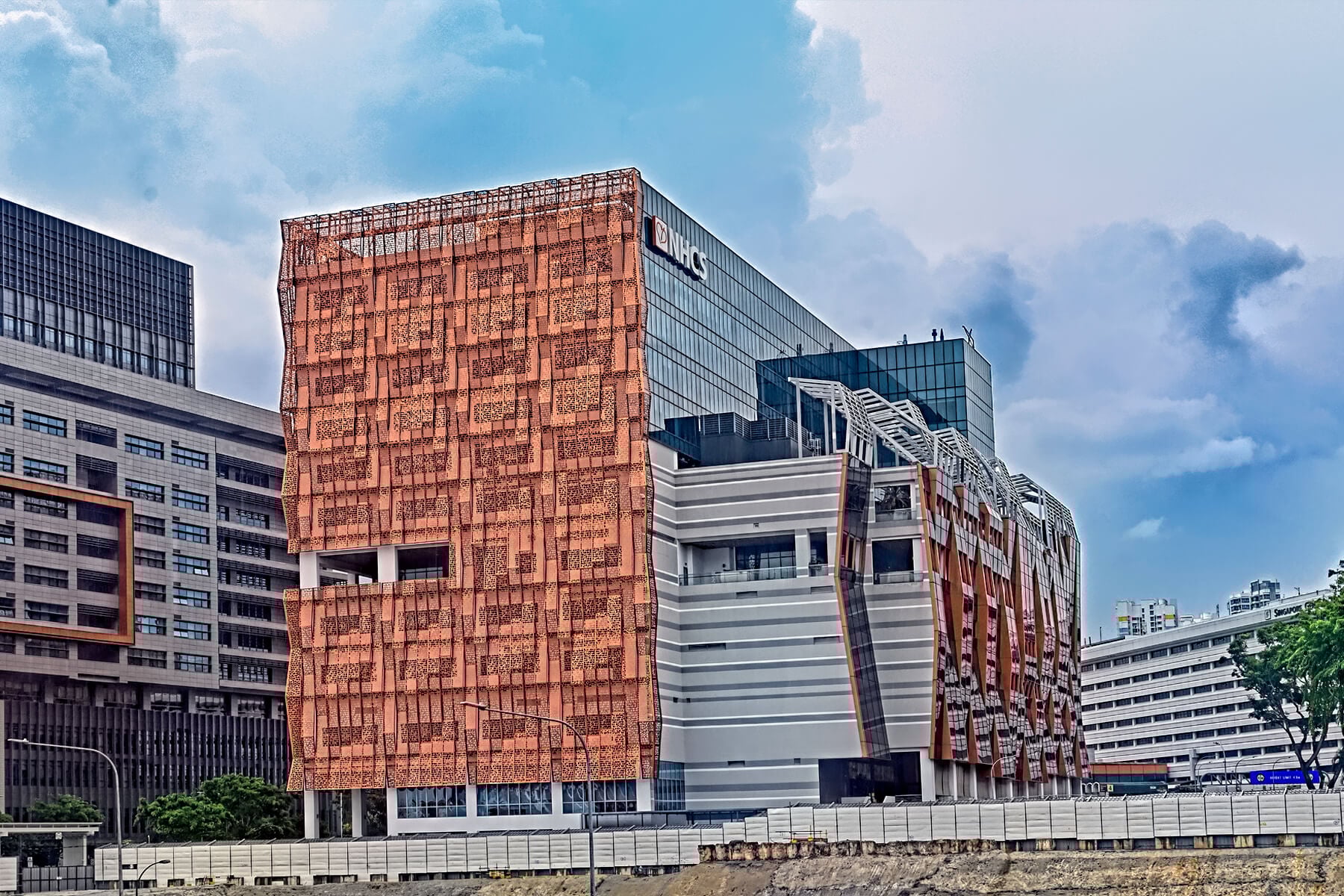
Source: Wikimedia Commons
“To me, the medication and my oxygen therapy are very costly. Lucky for me, medications and consultations are covered under Medifund,” she said.
However, she noted that oxygen tanks are not covered by subsidies. As a heavy user, she was taken aback by the costs involved.
“When I first saw the bills, I was shocked that it costs that much,” she noted.
She added that she had been informed of the expenses in advance and was able to prepare financially.
“I am so relieved that the healthcare worker informed me beforehand about the costs and the assistance I could get.”
Government support helps ease financial burden
In Singapore, patients with chronic or rare conditions may qualify for financial assistance schemes such as MediSave, MediShield Life, Medifund, and the Community Health Assist Scheme (CHAS).
These programmes help cover medication, specialist outpatient care, and other healthcare expenses.
According to the Ministry of Health, Medifund serves as a safety net for Singaporeans who face difficulties paying their remaining medical bills after government subsidies, insurance claims, and MediSave use.
MediSave allows individuals to use their medical savings for hospitalisation, day surgery, approved outpatient treatments, and certain medications, while CHAS offers tiered subsidies for medical and dental care at participating clinics.
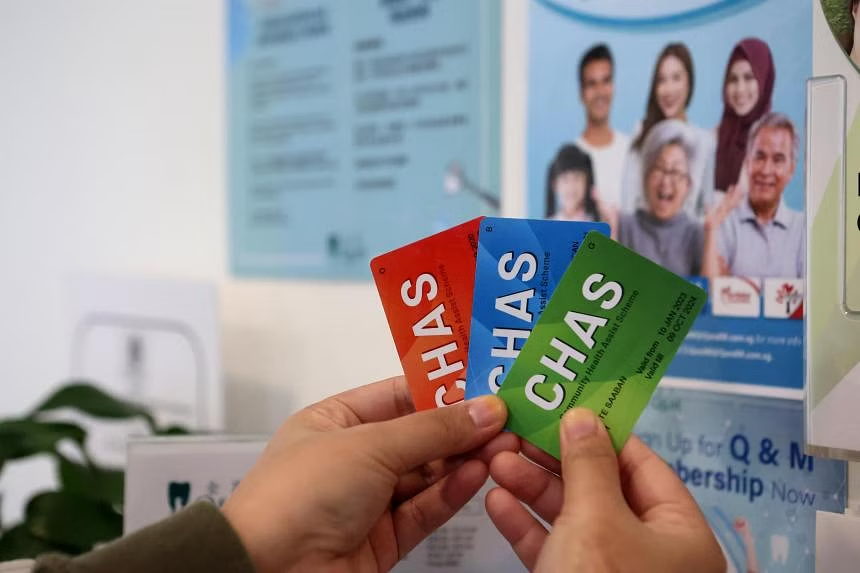
Source: Maple Dental, for illustration purposes only
Public hospitals and polyclinics also provide subsidised drugs, including Epoprostenol, helping patients access life-saving treatment at a reduced cost.
“Fortunately, I’m grateful we are in Singapore. There [are] so many subsidies we could tap on. Medical assistance is always there to lift off the burden for patients and their families. Just talk to your medical social worker,” Madam Haslina wrote.
Have news you must share? Get in touch with us via email at news@mustsharenews.com.
Featured image adapted from Haslina Wannor on Facebook and Google Maps.