Singapore electricity prices may rise if Middle East conflict keeps fuel costs high, EMA says
Electricity prices in Singapore could rise if global fuel costs remain elevated amid tensions in the Middle East, according to the Energy Market Authority (EMA).
However, most households will not experience immediate changes to their electricity bills, the regulator said.
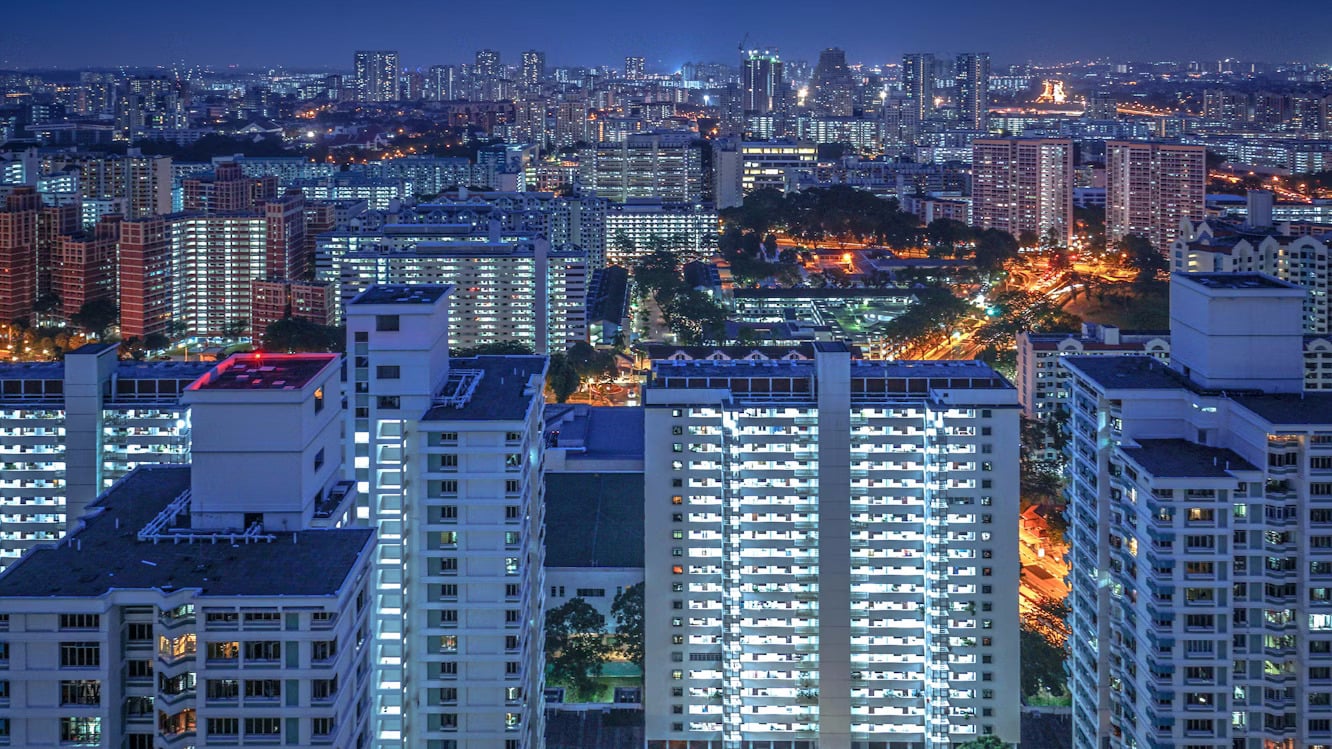
Source: Mike Enerio on Unsplash, for illustration purposes only
Most households cushioned from immediate price volatility
According to The Straits Times (ST), EMA said the conflict in the Middle East is likely to affect global energy prices.
“The situation in the Middle East is likely to increase global energy prices and lead to higher domestic electricity prices,” the government agency said.
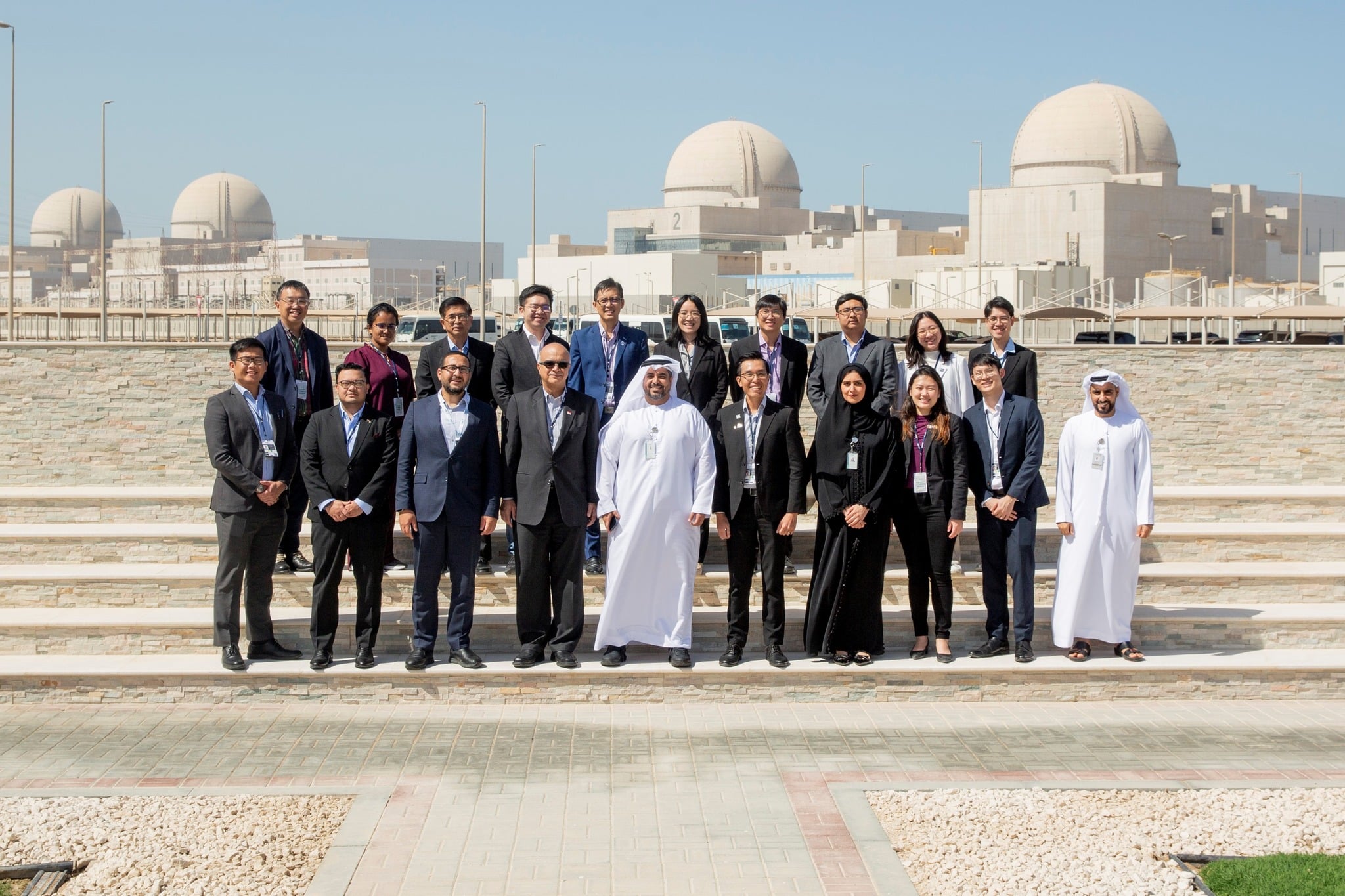
Source: Energy Market Authority on Facebook
Despite this, most consumers are largely protected from short-term fluctuations, “as they are purchasing electricity either through a fixed-price retail contract or the regulated tariff from retailers and SP Group respectively,” EMA said.
These arrangements help shield households from sudden price volatility in the wholesale electricity market.
Prices could increase in the long-term
Consumers may still see higher bills in the long run if fuel prices remain high.
Those who buy electricity from one of Singapore’s open electricity market retailers could face higher prices when renewing their contracts, ST said.
Households on the regulated tariff may also see increases when the rate is adjusted in subsequent quarters.
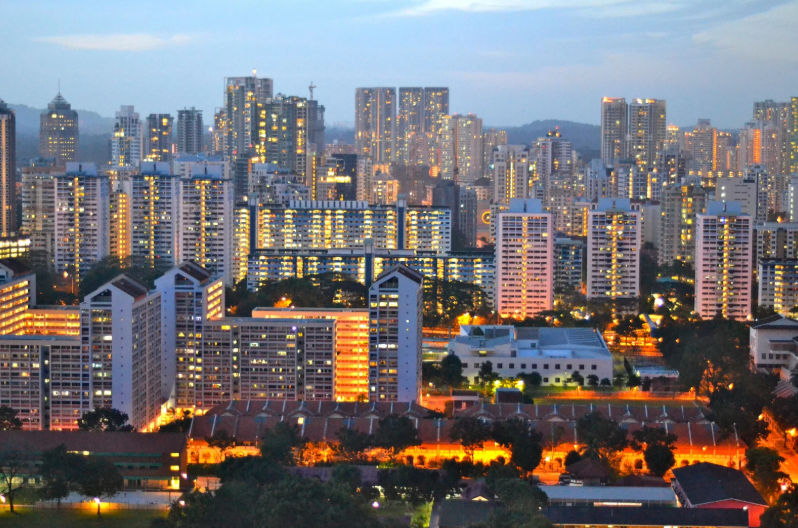
ChinHooi on Canva, for illustration purposes only
The regulated electricity tariff is reviewed every quarter and reflects the actual cost of producing electricity, which is heavily influenced by fuel prices.
The current tariff stands at 26.71 cents per kilowatt-hour (kWh), lower than the 27.55 cents per kWh charged in the previous quarter.
Singapore relies heavily on imported natural gas
Singapore imports almost all the energy it needs, with about 95% of electricity generated from natural gas.
In 2025, around 43% of gas imports came from Malaysia and Indonesia via pipelines. The remaining 57% consisted of liquefied natural gas (LNG) sourced globally, including the Middle East.
Research by Rystad Energy estimates that about 42.5% of Singapore’s LNG imports in 2025 originated from Qatar.
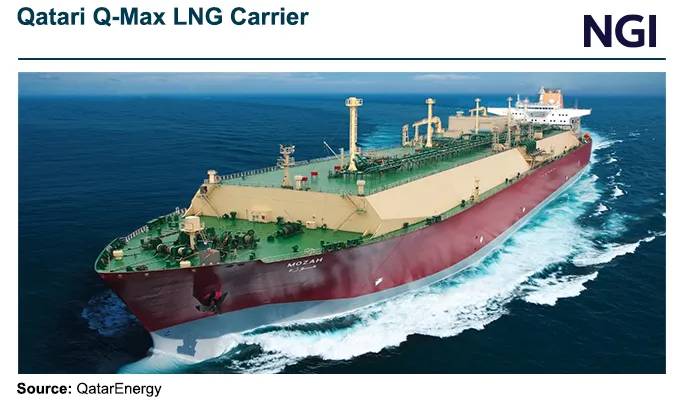
Source: Qatar Energy, for illustration purposes only
Measures introduced after previous energy crisis
Singapore’s electricity market experienced significant volatility during the global energy crisis between 2021 and 2023.
Wholesale electricity prices surged during that period, Business Times (BT) reported.
To strengthen resilience, EMA introduced several measures.
These include setting up a standby LNG facility in 2021 that power generation companies can use if natural gas supplies are disrupted, ST said.
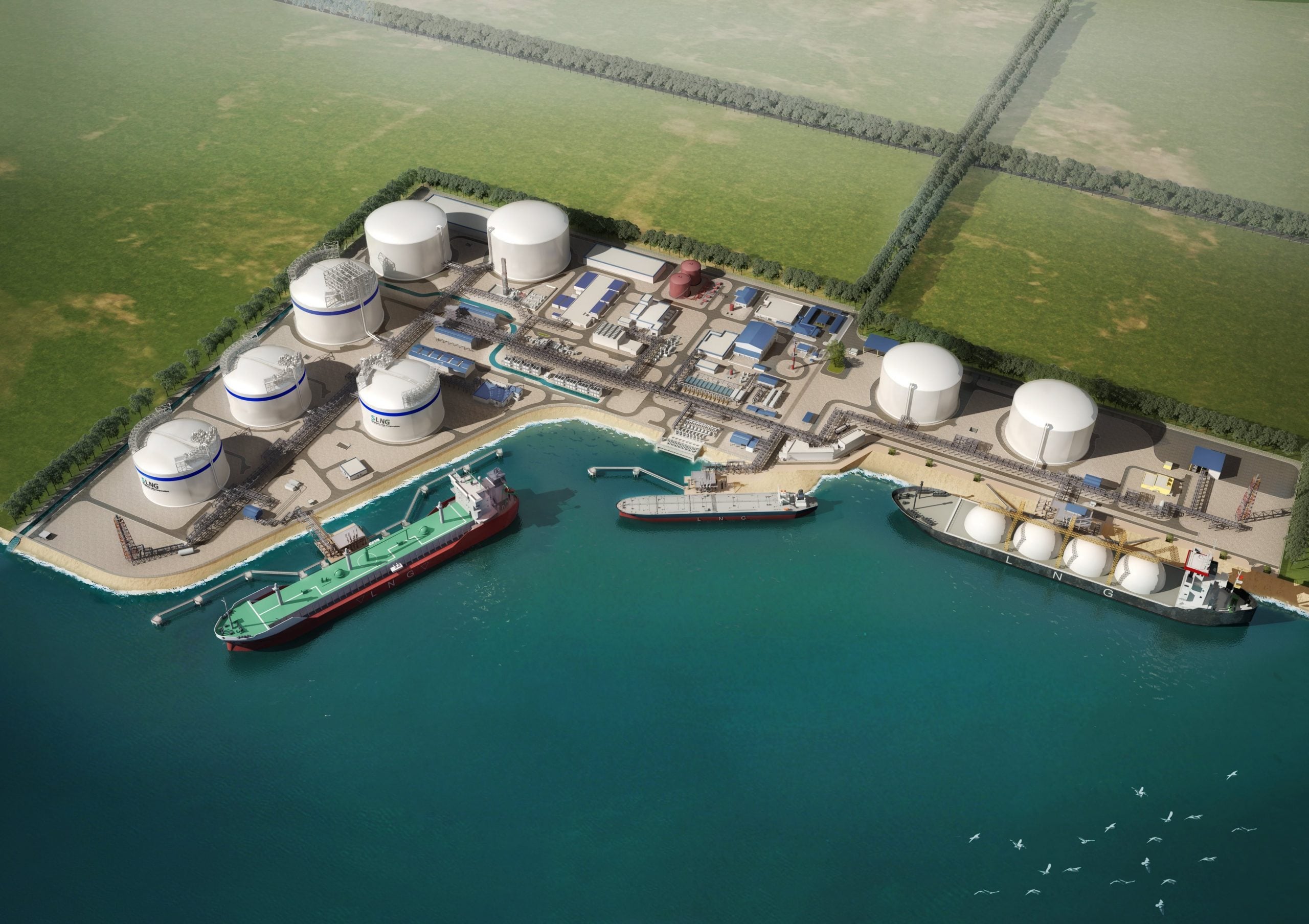
Source: Singapore LNG website, for illustration purposes only
In 2023, the regulator introduced a temporary price cap mechanism that acts as a “circuit breaker” during periods of sustained volatility in the wholesale electricity market, ST said.
Power generation companies are also required to maintain sufficient fuel for electricity generation, including a diesel stockpile as backup fuel.
“EMA will continue to closely monitor global developments and work with industry partners to safeguard Singapore’s energy security,” the regulator said.
Also read: Petrol & diesel prices in S’pore increase amid growing conflict in Middle East
Petrol & diesel prices in S’pore increase amid growing conflict in Middle East
Have news you must share? Get in touch with us via email at news@mustsharenews.com.
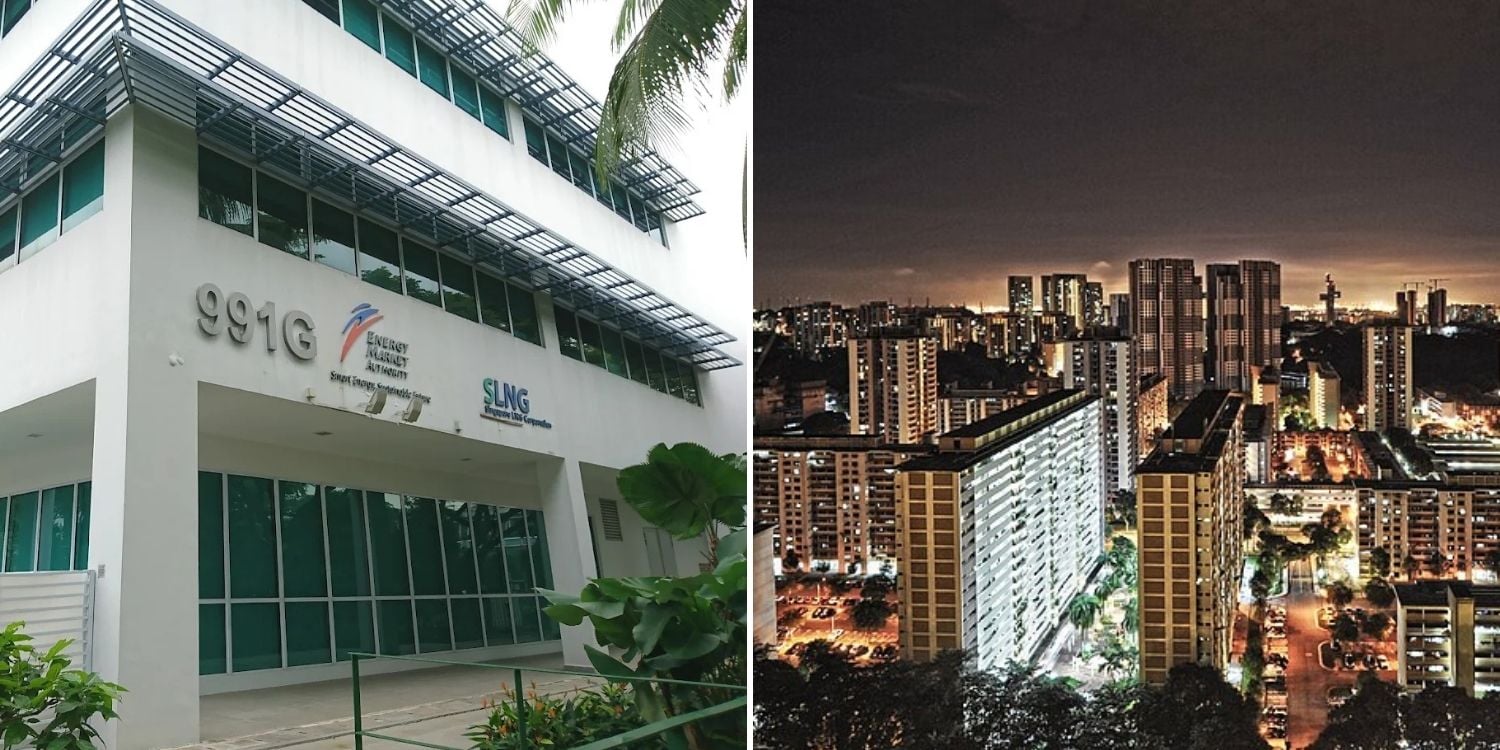
Featured image adapted from Google Maps and Wikimedia Commons. Pic on the right for illustration purposes only.