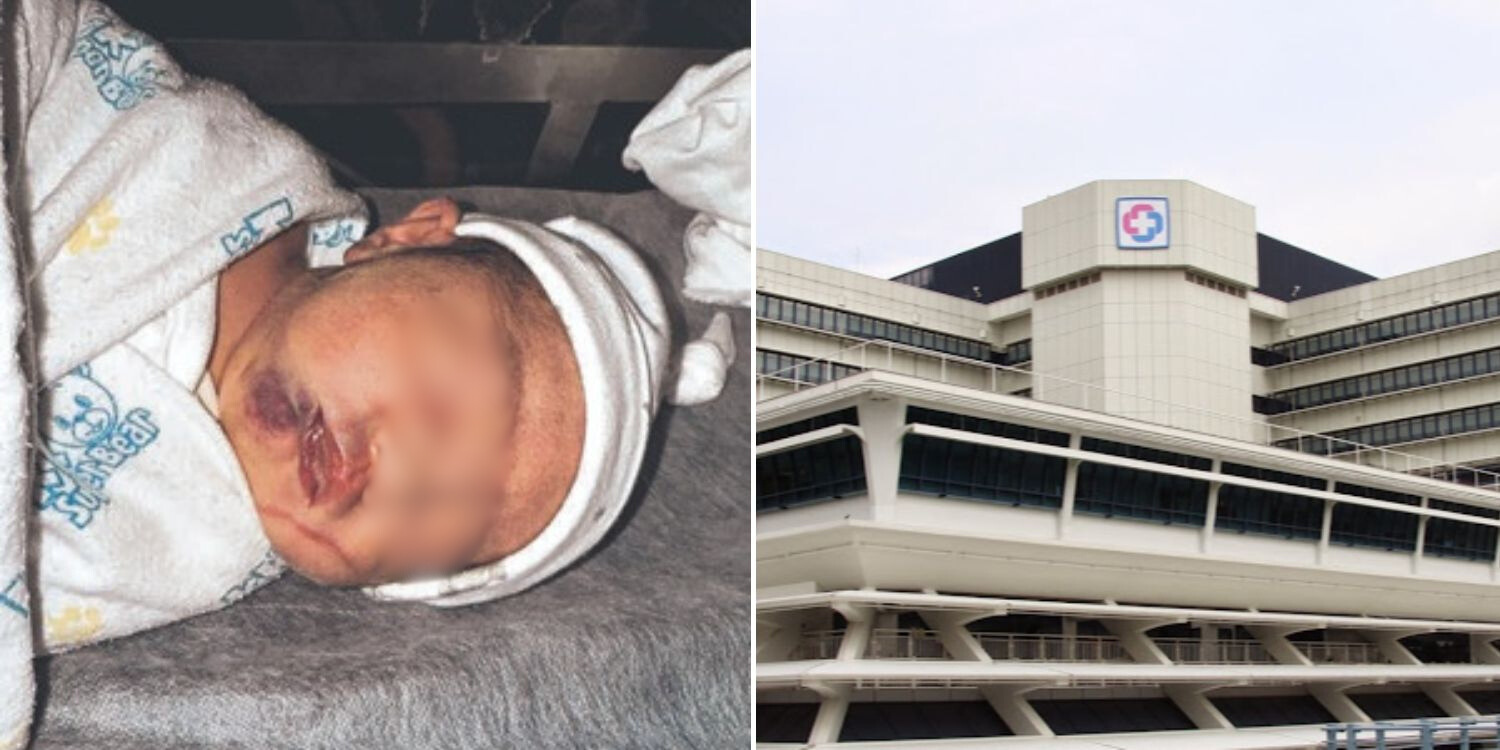

Parents heartbroken after use of forceps during delivery causes newborn’s face to be severely bruised
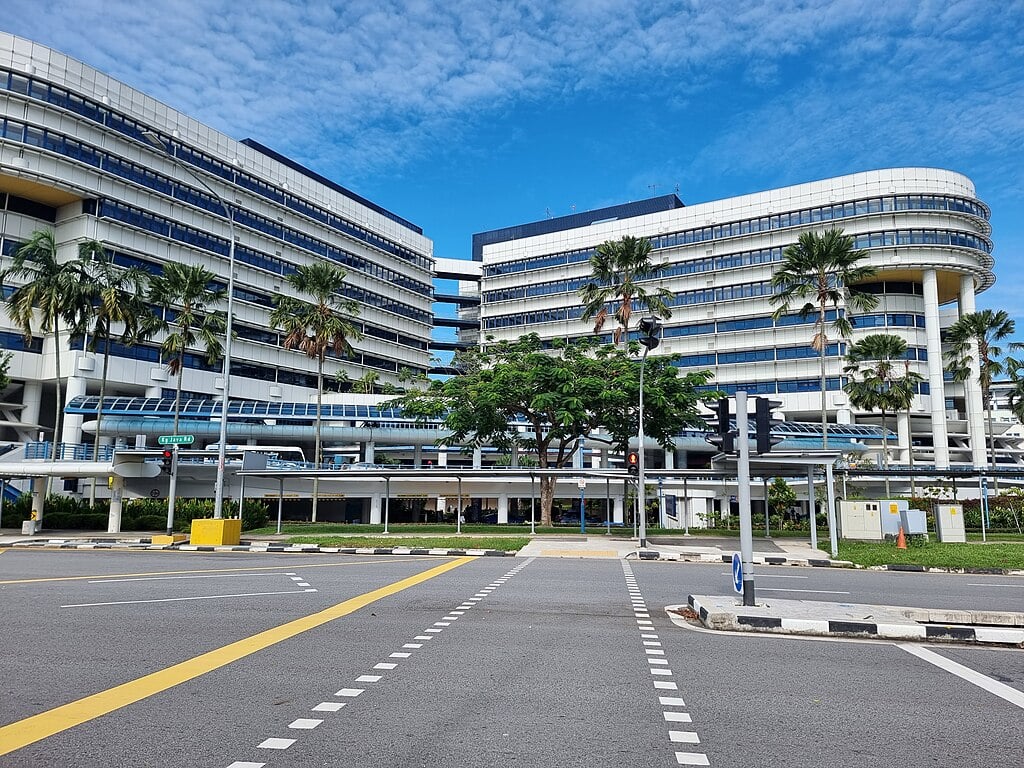
A Singapore couple was left distraught after their newborn son’s face was badly bruised during delivery at KK Women’s and Children’s Hospital (KKH).
The father, Mr Chua (surname transliterated), claimed that forceps were used during the caesarean section, leaving his baby with large red and purple marks across the face.
He later lodged a complaint against the hospital, frustrated at what he felt was a slow and dismissive response to his concerns.
Newborn’s face left bruised after using forceps
Mr Chua, 36, told Shin Min Daily News that his wife gave birth to their third child at KKH on 28 May.
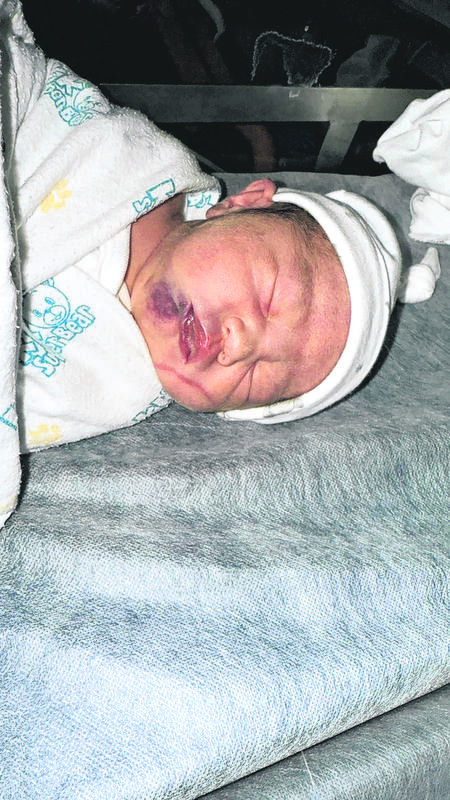
While the C-section itself went smoothly and both mother and baby were declared safe, the parents noticed worrying marks on their son’s face soon after.
Source: Shin Min Daily News
Initially red, the marks darkened into purple bruises. On top of that, the infant vomited milk tinged with blood later that night.
“We were very worried, but the doctor brushed it off casually,” Mr Chua alleged. “Making us feel that it wasn’t taken seriously at all.”
Parents questioned need for forceps
Although doctors assured the couple that the marks would fade in time, Mr Chua said he was dissatisfied with the lack of explanation.
He questioned why forceps were necessary during a C-section and whether the proper procedures had been followed.
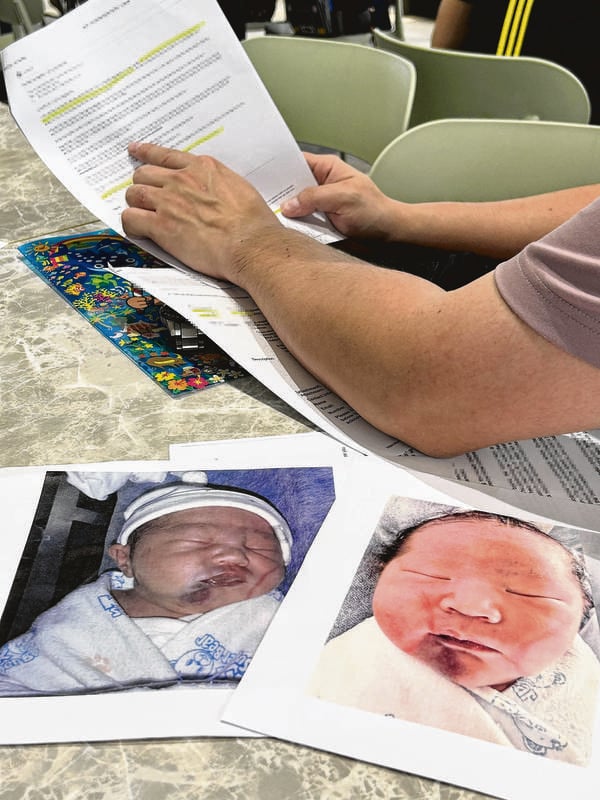
At a follow-up appointment on 1 July, he rejected the doctor’s verbal clarification and requested a formal written statement.
Shin Min Daily News
In a letter, the hospital said forceps were used as part of the delivery process and explained that the blood in the baby’s vomit likely came from maternal blood swallowed during birth.
The bruises healed in two weeks, but Mr Chua was upset over the slow response and unclear communication.
Hospital aware of parents’ concerns
In response to MS News queries, KKH acknowledged the concerns raised by Mr Chua and have been actively engaging him.
Associate Professor Suzanna Sulaiman, Head of Obstetrics & Gynaecology, acknowledges Mr Chua’s concerns about the temporary marks on his baby’s face after delivery and understands how upsetting this experience has been for him and his family.
Source: Wikipedia
She assured Mr Chua that the team followed strict standards and used assisted delivery to ensure the best outcomes.
Use of forceps is a common practice
Other experts confirmed that the use of forceps is a common practice in obstetrics.
Obstetrician Dr Zhong Yaolun (name transliterated) noted forceps may be needed during caesareans, depending on the baby’s position.
He explained forceps bruising comes from pressure on small vessels and usually heals in days without lasting effects.
Dr Suzanna echoed this, saying: “The use of forceps is an internationally recognised and established practice in deliveries, including Caesarean sections.”
Forceps may be used when delays risk reducing the baby’s oxygen, potentially causing complications like brain injury or cerebral palsy.
“Medical teams carefully evaluate these risks before deploying the use of forceps to facilitate a safe delivery. In some cases, the baby may experience temporary marks.”
Also read: KK Hospital introduces teleconsultation service for kids, each session costs S$118
KK Hospital introduces teleconsultation service for kids, each session costs S$118
Have news you must share? Get in touch with us via email at news@mustsharenews.com.
Featured image adapted from Shin Min Daily News & Google Maps.