
Japan company debuts plant-based tuna that is cheaper than the real thing
As Japan grapples with dwindling fish stocks and soaring food prices, one company claims to have found the answer — a plant-based tuna alternative that costs less than the real catch.
The new product, named Osakana Kakumei — which translates to “Fish Revolution” — is developed by food company Mitsui DM Sugar and will hit the market next year, reported Nikkei Asia.
Affordable alternative to high-priced tuna
Osakana Kakumei is priced at just over ¥2,000 (S$18) per kilogram. That’s significantly cheaper than traditional tuna, which costs over ¥3,262 (S$28) per kilogram at Tokyo’s Toyosu fish market.
The plant-based product provides an affordable alternative for consumers looking to enjoy sashimi without breaking the bank.

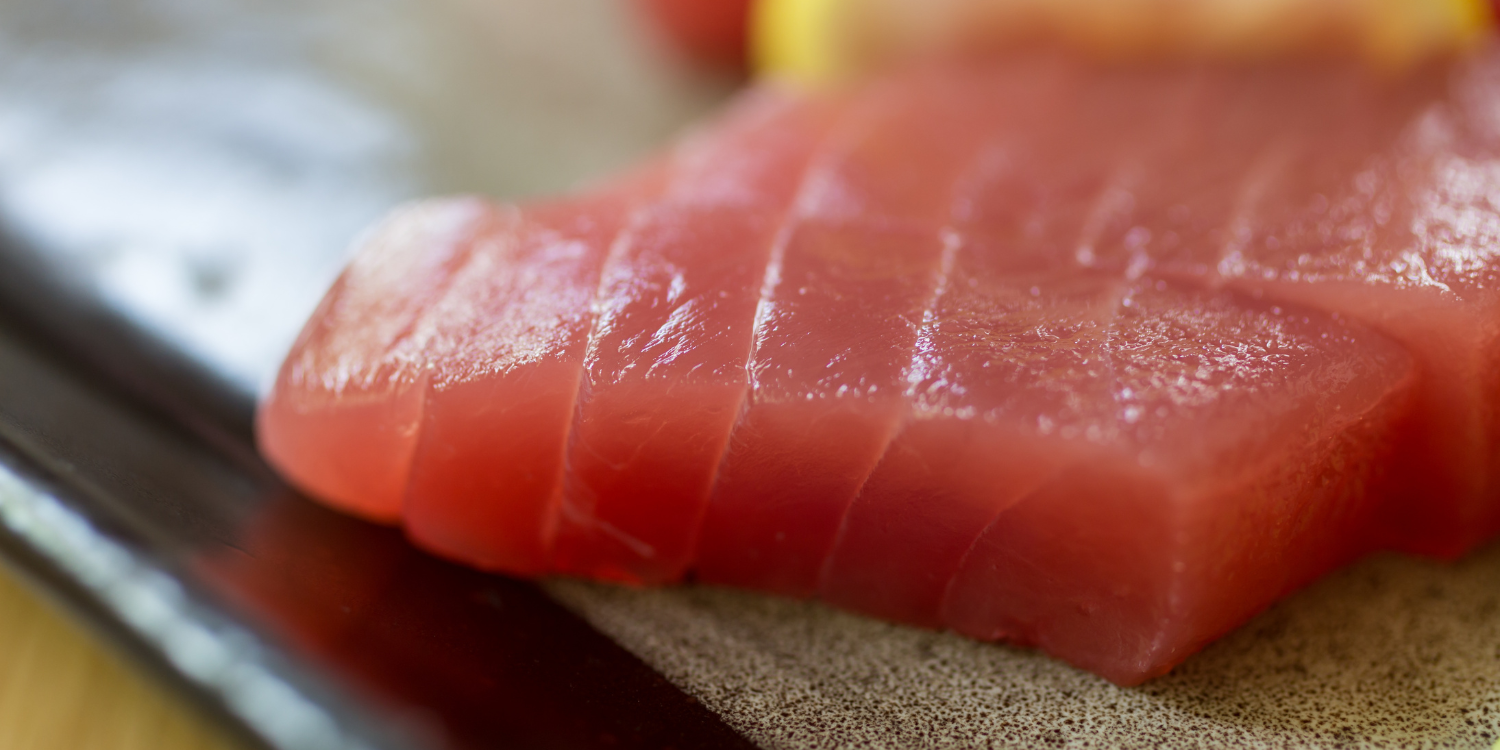
Source: cosa4 on Canva, for illustrative purposes only
The product is made by Mitsui DM Sugar, who are primarily known for its sugar production.
Made from konjac yam, seaweed, and bamboo fibres, the product mimics the texture and taste of maguro, the highly prized tuna used in sashimi.
For people who love sashimi but can’t eat raw fish
Mitsui DM Sugar said they created Osakana Kakumei for people who love sashimi but cannot eat raw fish due to health risks or dietary restrictions.
This includes pregnant women, elderly residents in nursing homes, and anyone wary of foodborne illnesses linked to raw seafood.
“We see plant-based as one option,” said a member of Mitsui DM Sugar’s development team.
“We decided to focus on the fact that there is a surprisingly large number of people who want to eat sashimi but can’t.”
The company hopes the tuna alternative will one day be as beloved as imitation crab meat, which has become a global staple.
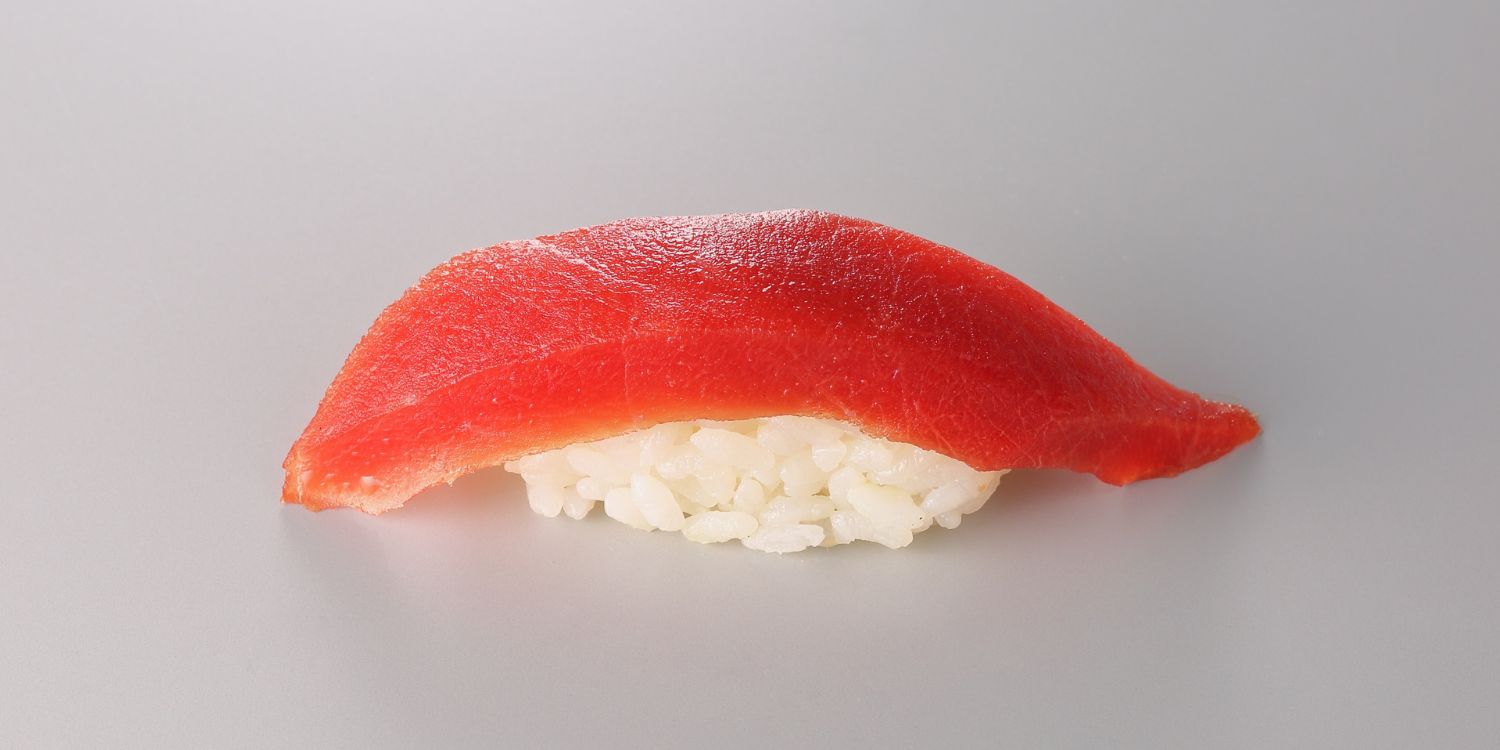
Source: Aflo Images, for illustrative purposes only
Japan’s seafood industry under pressure
The launch comes at a time when Japan’s fishing industry faces serious challenges.
Bluefin tuna, the very fish Osakana Kakumei mimics, has been hit hard by warming oceans.
Though once endangered due to overfishing, their numbers rebounded after strict global regulations. Now, scientists fear the species is migrating to unfamiliar waters to escape the heat.
Meanwhile, Japan is also facing a shortage of fishermen.
Over the course of around 20 years, the number of fishermen halved from 238,000 in 2003 to 123,000 by 2022. Of those that remained, many were also older.
Individuals over 65 accounted for nearly 40% of the workforce in 2022.
Also read: Temasek Poly students serve cricket buns to MP during school event
Temasek Poly students serve cricket buns to MP during school event
Have news you must share? Get in touch with us via email at news@mustsharenews.com.
Featured image adapted from danekalbo on Canva. For illustration purposes only.