
Majority of youths in Singapore are job hunting, priotise financial gain: Study
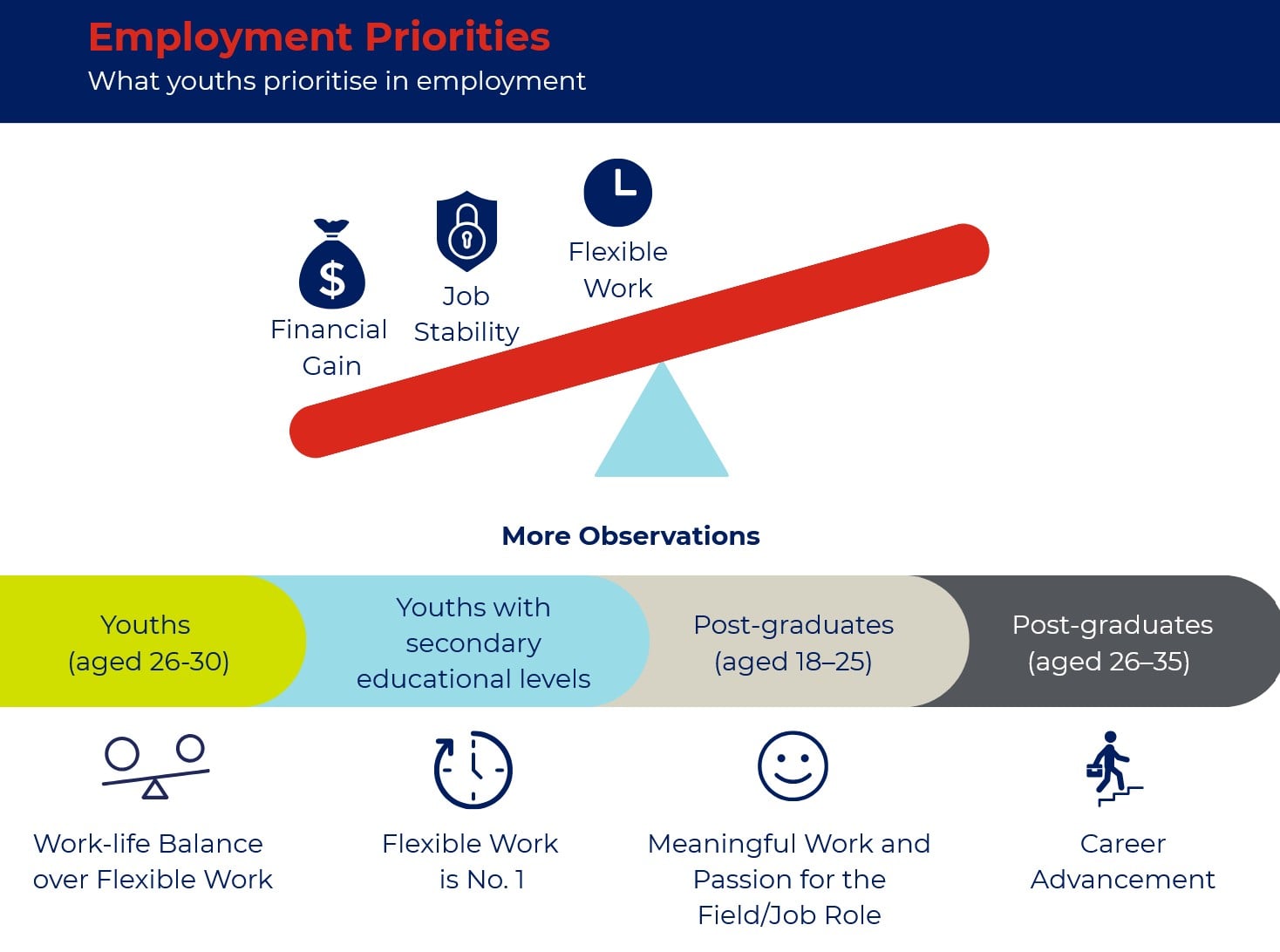
Amidst Singapore’s uncertain job market, a study at the Singapore University of Social Sciences (SUSS) found that youths in Singapore are prioritising financial gains and job stability in employment.
The data was gathered in June and July this year from a pool of 1,040 youths aged 18 to 35 and more than 260 employers.
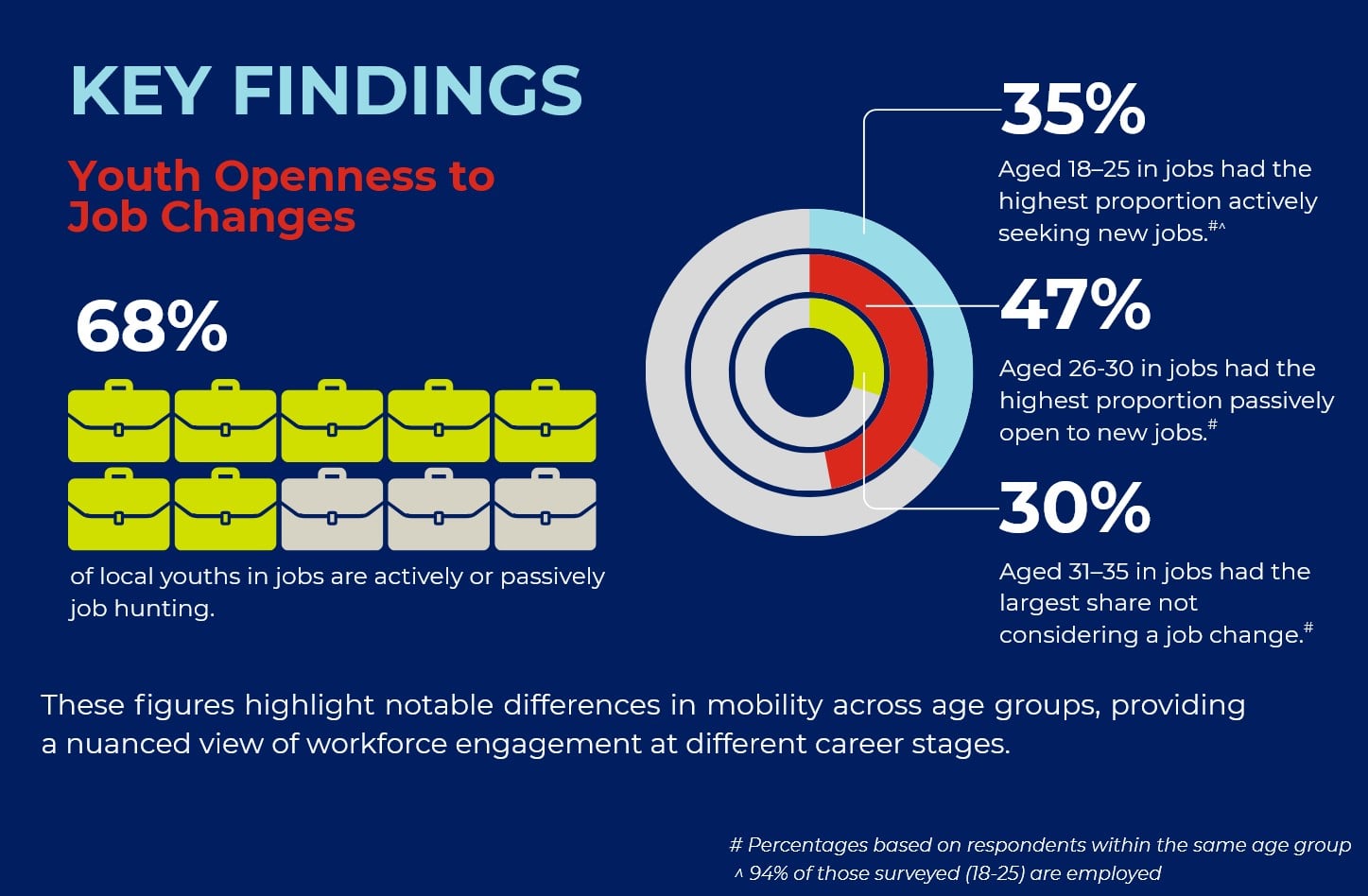
Additionally, the survey found that 68% of youths polled are actively and passively looking for a job change, even if they are employed.
The results of the study, which also found a surprising split between the expectations of youths and employers, were released at a Youth Forum on 10 Oct.

SUSS marketing student concerned about competitive job market
Audrey Chong, a 24-year-old full-time SUSS marketing student who was also a panel speaker at the Youth Forum, perceived Singapore’s job market as difficult.
“I know that it is very competitive,” she said in a separate interview with MS News.
“It’s very hard to secure or even sustain a job.”
Audrey noted that applying for jobs is easy, but getting any response was a tall order.
She felt concerned that employers might not even look at her resume before casting her application aside.

Image courtesy of Audrey Chong
Audrey claimed that this anxiety over the job market was also felt by her friends and coursemates.
“I have this friend, she mass-applied to so many companies, but only one got back to her — and then that one rejected her as well,” recalled the marketing student.
For Audrey, putting herself out there by attending forums and building connections has proven to be more useful than traditional “mundane” applications.
Youths in Singapore encouraged to keep their options open
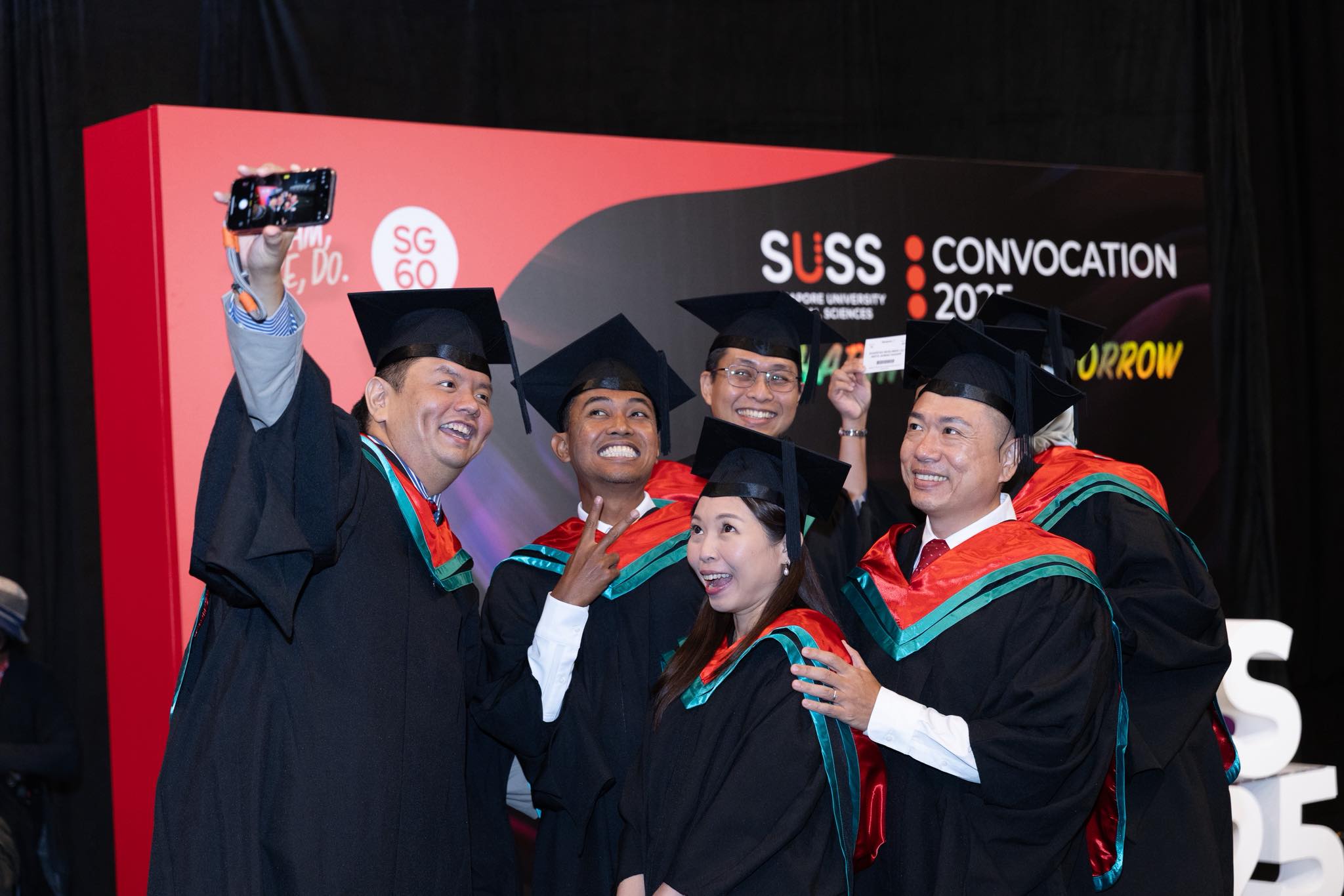
Earlier in July, the Singapore government acknowledged the uncertainty and anxieties that young people here may face in starting their careers.
Manpower Minister Dr Tan See Leng had then encouraged fresh graduates to “keep an open mind to different opportunities”.
Source: SUSS on Facebook
National Trades Union Congress (NTUC) secretary-general Ng Chee Meng echoed Dr Tan’s sentiments.
“Even when they may not feel that the job checks every box, but these jobs can open the first doors to experience, networks and potentially new [career] directions at a very young age,” he said.
Younger youths most actively seeking new jobs despite high employment
Amidst these employment anxieties, the SUSS survey found that a vast majority of younger youths surveyed are employed.
Audrey told MS News that she was “shocked” by the results, as she felt as though this was not the case in her social circle.
She suggested that the results could have been based on a graduate’s qualifications and which jobs they applied for.
That said, this group of 18- to 25-year-olds polled also saw the highest proportion of people actively seeking new jobs.
According to the survey, 35% of these individuals were looking for a change.
Source: SUSS
Of all the 1,040 youths in Singapore surveyed, 68% are actively or passively job hunting.
On the flip side, older youths aged 31 to 35 had the largest share of those not looking for a job change.
Study finds youths prioritise financial gains in jobs
When asked what she valued the most in a job, Audrey agreed with the survey respondents who overwhelmingly prioritised financial gains and job stability.
She considers flexible work arrangements as more of a bonus.
Source: SUSS
“As a fresh graduate, when we go into the workforce, we do not feel as secure as senior management,” said Audrey.
“I would want a secure job and maybe career progression to come with it as well.”
Employers value problem-solving skills most of all
According to the study, employers overwhelmingly valued soft skills compared to youths, who only tend to place more value on soft skills the older they got.
These skills are defined as “personal attributes that enhance an individual’s interactions and his/her job performance”.
Hard skills, on the other hand, are skills related to technical aspects of performing a task in the job, such as coding ability for a programmer.
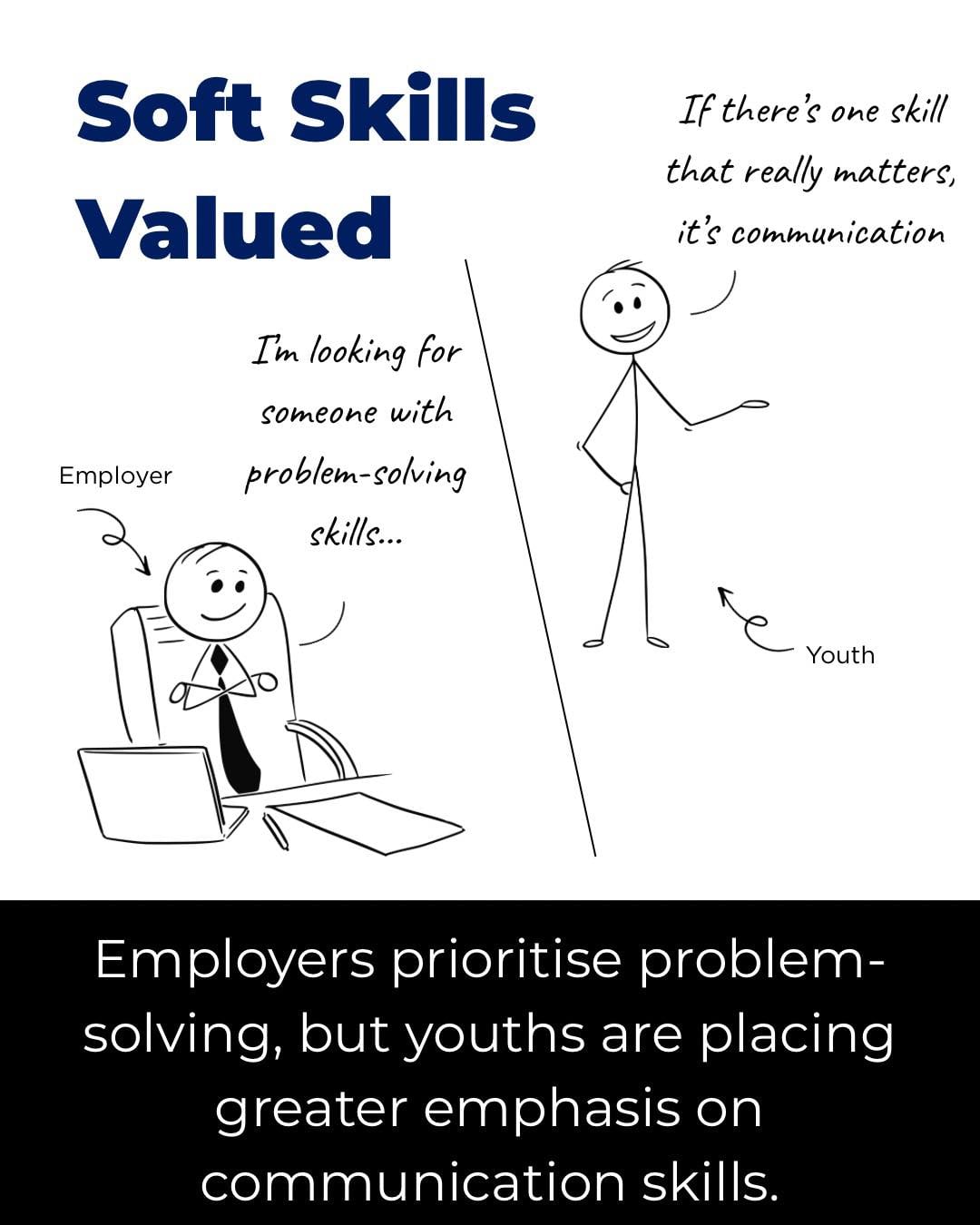
Furthermore, the study found a disconnect in the perceived importance of specific soft skills.
Employers prioritised “problem solving”, while youths of all age groups picked “communication” as the most important soft skill.
Source: SUSS on Facebook
Perhaps not coincidentally, youths tended to perceive their own greatest strength to be communication.
“Without communication, the problems will not be solved,” said Audrey, who considered both prioritised skills as going hand-in-hand.
Employer trains at-risk youths to gain hard and soft skills
For 35-year-old Suyin Tay, Assistant Director at Bettr Academy and also a panelist at the Youth Forum earlier this month, training youths to be work-ready is part and parcel of her everyday.
“We work with a lot of at-risk youths, who only have a PSLE certificate or didn’t complete formal education,” she said.
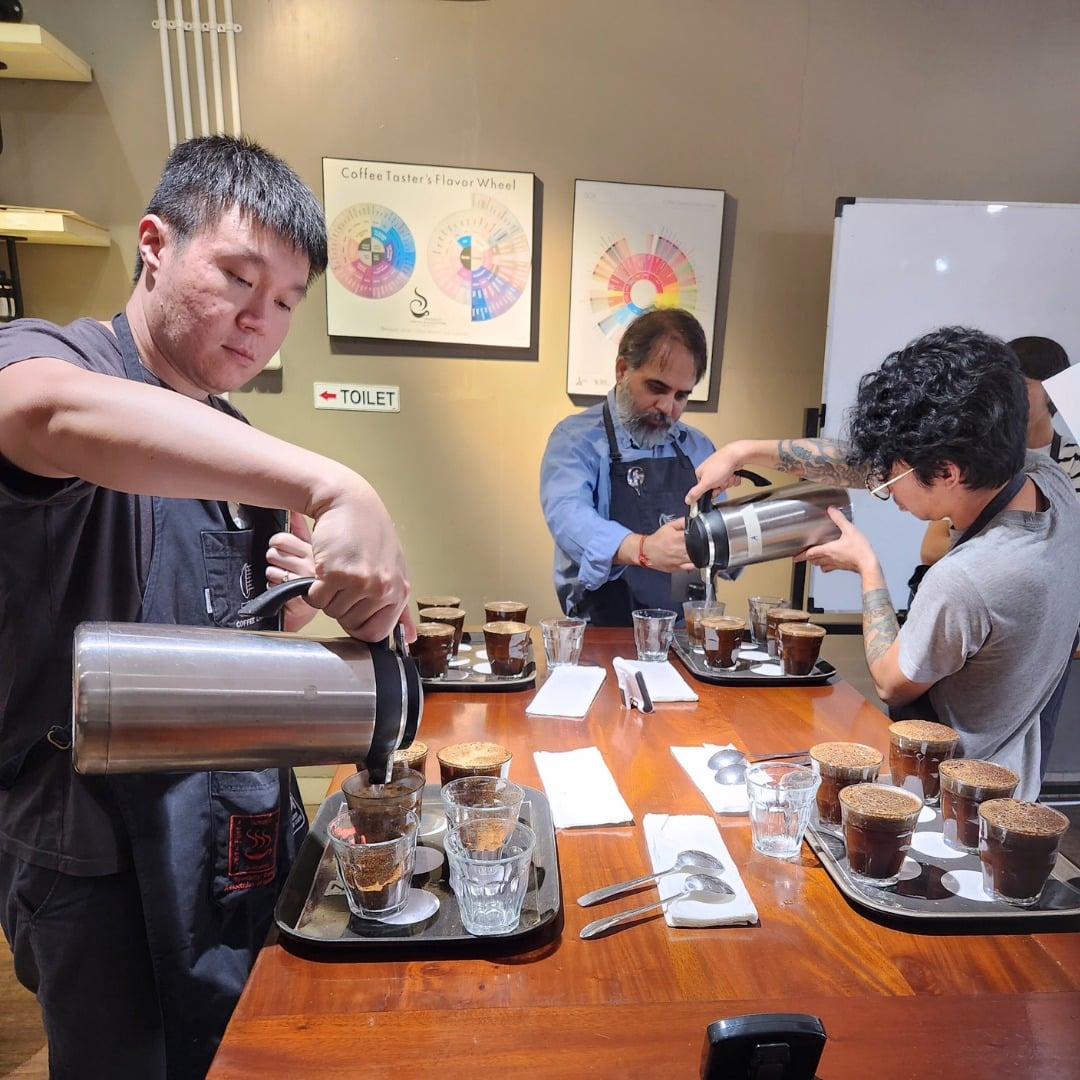
These youths go through a three-month scholarship program, where five weeks are spent on technical and soft skills.
Suyin added that at Bettr, a for-profit social business that provides barista training and operates coffee bars, youths are taught that it is okay to fail.
Source: Bettr Academy on Facebook
The former schoolteacher, who entered the public sector in 2014, also noted the importance of having empathy for struggling employees.
Suyin recounted the story of Yu Xin, who joined Bettr when she was 17 years old.
“There were many points where she almost dropped out of the programme, because there were life circumstances that happened to her,” she said.
Instead of letting her go, Bettr gave her space to grieve and provided psychological support.
Since then, Yu Xin has become an Operations Executive at Bettr Academy.
“I can’t call her a beneficiary anymore because we’re benefitting from her work,” Suyin laughed with pride.

Image courtesy of Suyin Tay
Youths in Singapore need not be anxious
On 10 July, Singapore’s manpower minister assured fresh graduates that support is available amidst the “turbulent times”.
He pointed to statistics, which showed a growth in employment as of Q2 2025, and that there were more vacancies than job seekers in Singapore’s job market.
Additionally, Dr Tan highlighted the “expectation gap” for youths, in terms of salary and work-life balance, as an especially important concern.
“I think if we can overcome this, at least this mismatch in terms of expectation, I think that a significant number of young people, fresh graduates, would be able to find something that they would like to do,” he said, further encouraging companies to invest in young workers and future leaders.
Also read: Unemployment inches up among residents under 30 in Q2, overall rates remain low & stable
Unemployment inches up among residents under 30 in Q2, overall rates remain low & stable
Have news you must share? Get in touch with us via email at news@mustsharenews.com.
Featured image adapted from SUSS on Facebook and by MS News.