
Youth in Singapore are more vulnerable to radicalisation: MHA
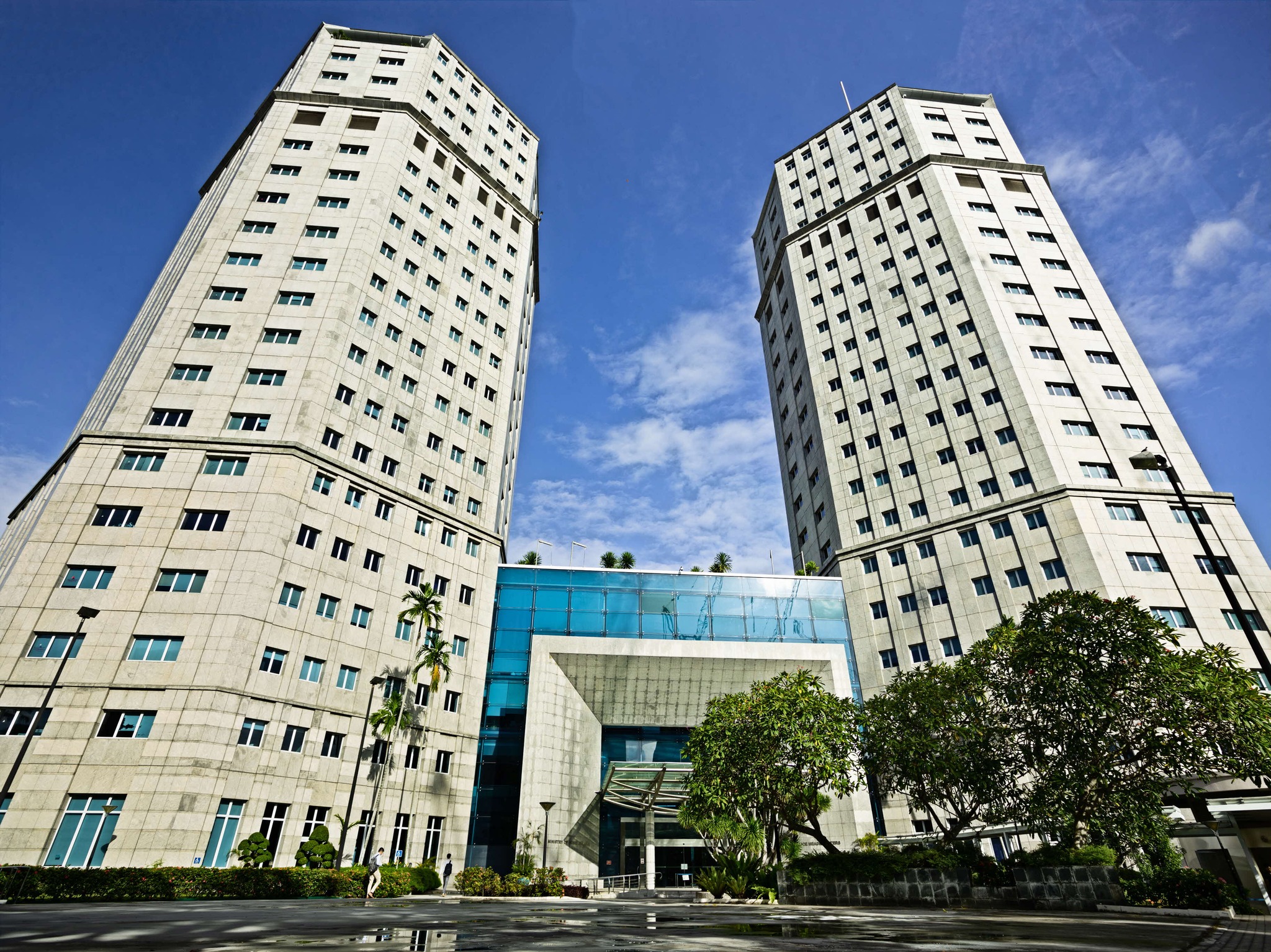
Singapore’s Ministry of Home Affairs (MHA) has deemed self-radicalisation a key threat in the island nation, with youths being more at risk.
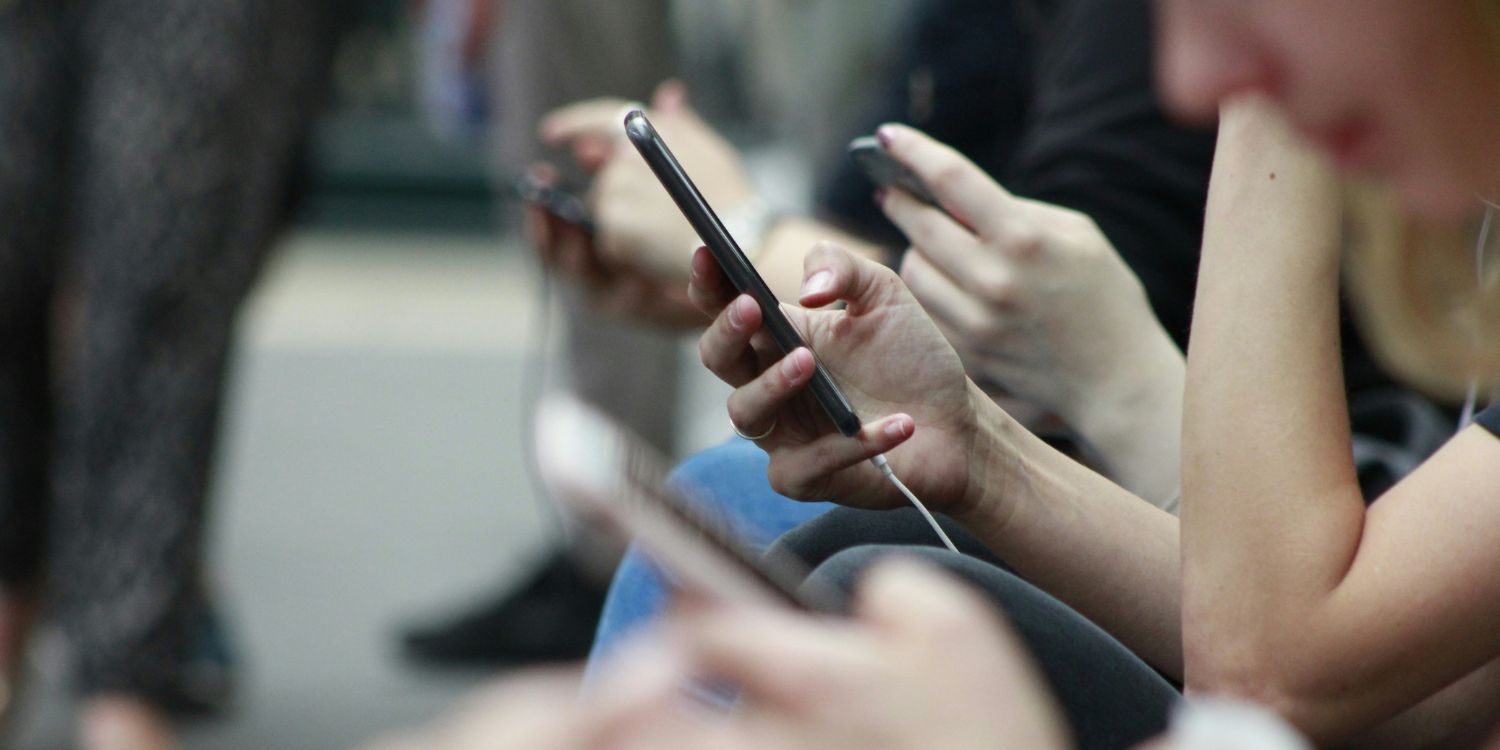
With the internet and the growing capabilities of Artificial Intelligence (AI), digital natives are more susceptible to extremist ideologies and propaganda.
In a press release for the Singapore Terrorism Threat Assessment Report 2025, the home affairs ministry stated that the terrorism threat to Singapore remains high amidst global conflicts and the influence of groups such as Islamic State in Iraq and Syria (ISIS) and Al-Qaeda.
Youth radicalisation increasingly concerning
Statistics released by MHA show a concerning trend regarding the radicalisation of youth — aged 20 and below — in Singapore.
Since 2015, 17 youths have been dealt with under Singapore’s Internal Security Act (ISA).
Of this number, 12 were dealt with in the last five years.
Source: Ministry of Home Affairs, Singapore on Facebook
Nine of these youths also planned to launch attacks in Singapore, with three in the past year.
The home affairs ministry noted that youths, in particular, are more vulnerable to radicalisation due to their exposure to and familiarity with online content.
These individuals, especially those who seek belonging and validation, may also be easily influenced by emotive narrative and extremist personalities.
Internet is a ‘powerful catalyst’ for radicalisation
In Singapore, self-radicalisation remains an issue — with eight self-radicalised Singaporeans being dealt with under the ISA since July 2024.
The MHA further identified the internet as a catalyst that has sped up self-radicalisation.
According to the report, the time taken for self-radicalisation averaged 24 months before 2015.
However, between 2021 and 2025, it halved to an average of 12 months.
A 15-year-old pro-ISIS Singaporean youth, who was issued a Restraining Order earlier this year, was self-radicalised in just weeks.

Source: 和国 谢 on Unsplash
Meanwhile, AI is also seen as a tool that enables terrorism.
It can be used to generate and translate propaganda, produce convincing synthetic multimedia, and plan attacks.
For instance, AI was used by a 17-year-old Singaporean detained in March to search for instructions on producing ammunition.
Those online may also be at risk of personalised AI-generated recruitment messages, produced at scale.
In light of the persistent and growing terrorism threats, the MHA urges Singaporeans to remain vigilant.
Those who observe signs of radicalisation and terrorism can report cases to the Internal Security Department (ISD) at 1800-2626-473.
Read the full Singapore Terrorism Threat Assessment Report 2025 here.
Have news you must share? Get in touch with us via email at hello@mustsharenews.com.
Featured image adapted from Robin Worrall on Unsplash.