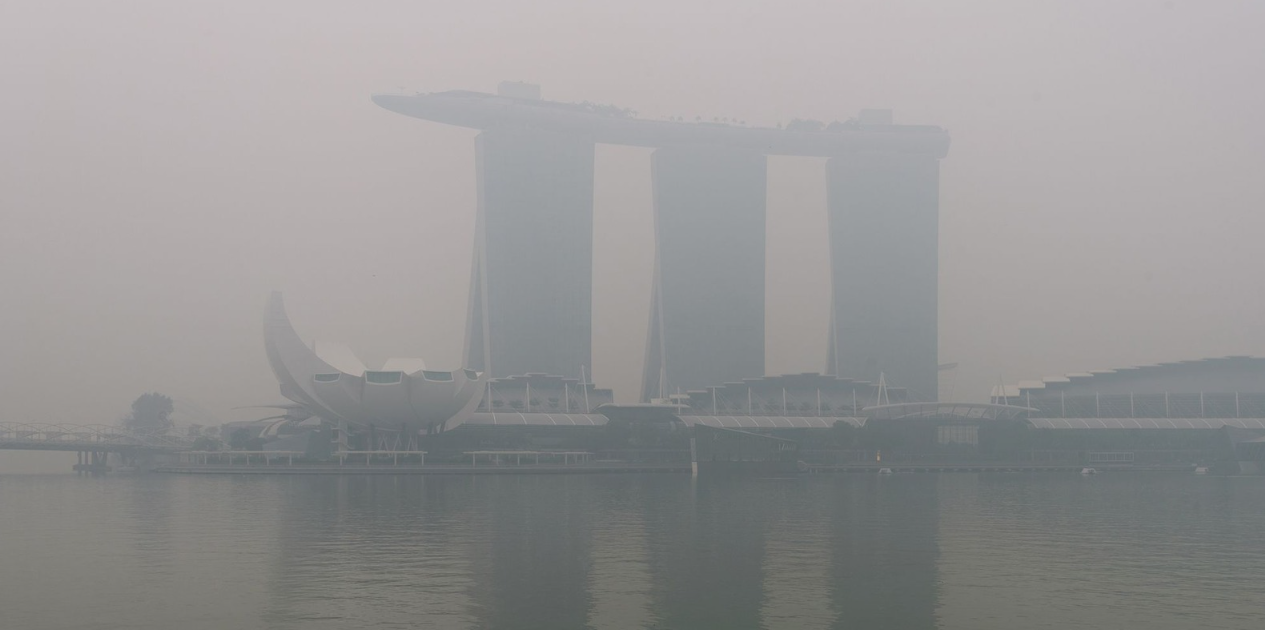

August to September expected to be the peak danger period for transboundary haze in 2026
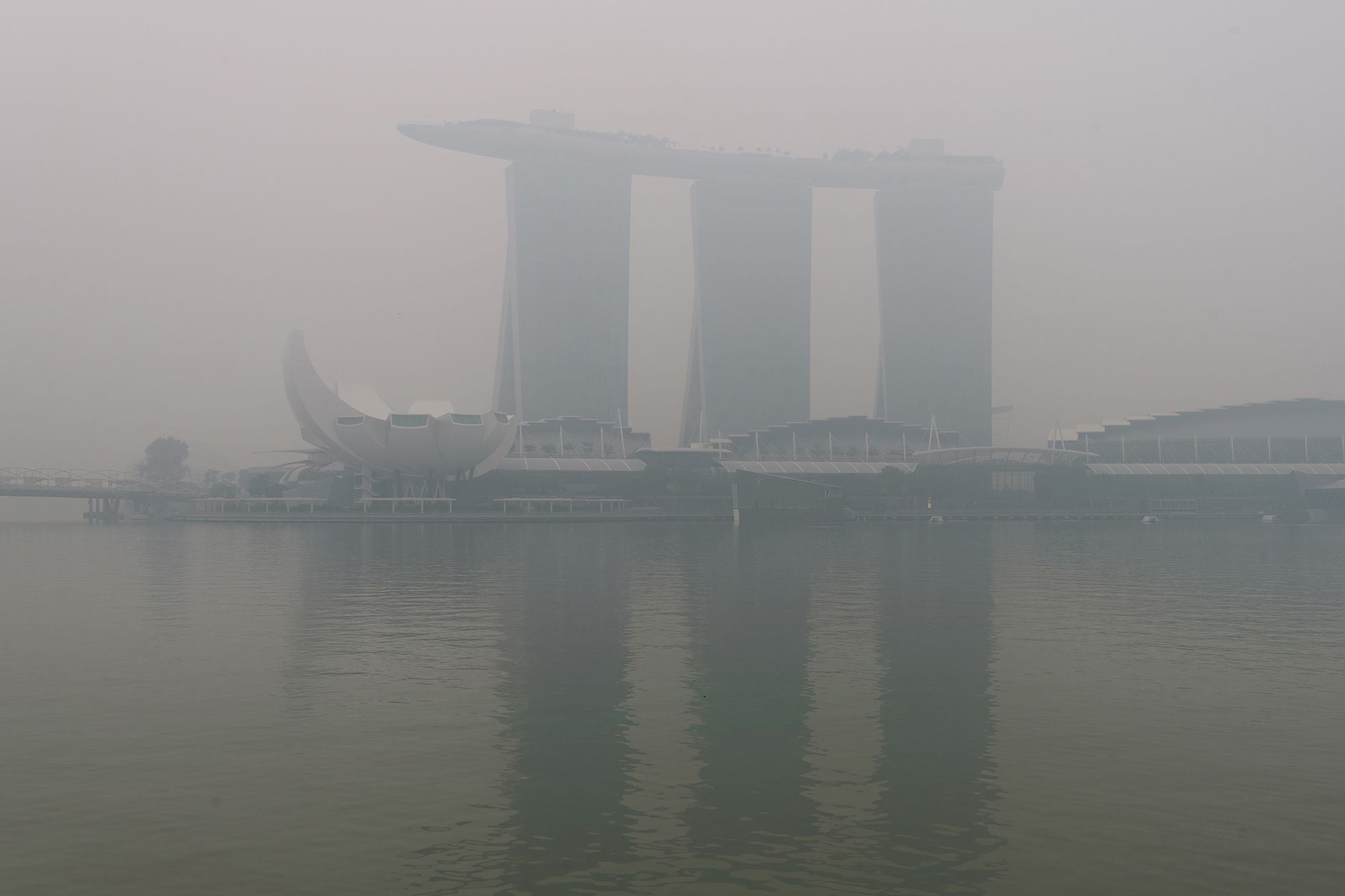
The Singapore Institute of International Affairs (SIIA) has issued a rare “Red” risk warning for severe transboundary haze in 2026, citing the combined impact of El Niño, dry weather, economic pressures, and rising demand for biofuels.
In its Haze Outlook 2026 report released on Wednesday (24 June), the institute warned that Singapore, Malaysia, Indonesia, and Brunei could face a significant haze episode in the remaining months of the year.
SIIA listed August and September as the peak danger period.
Rare ‘Red’ risk rating issued
The institute assigned its first “Red” risk rating in 2023, when the region experienced a return of major haze incidents.
This year, weather conditions are expected to play a key role in increasing the chances of serious haze.
Source: Beacon Medical
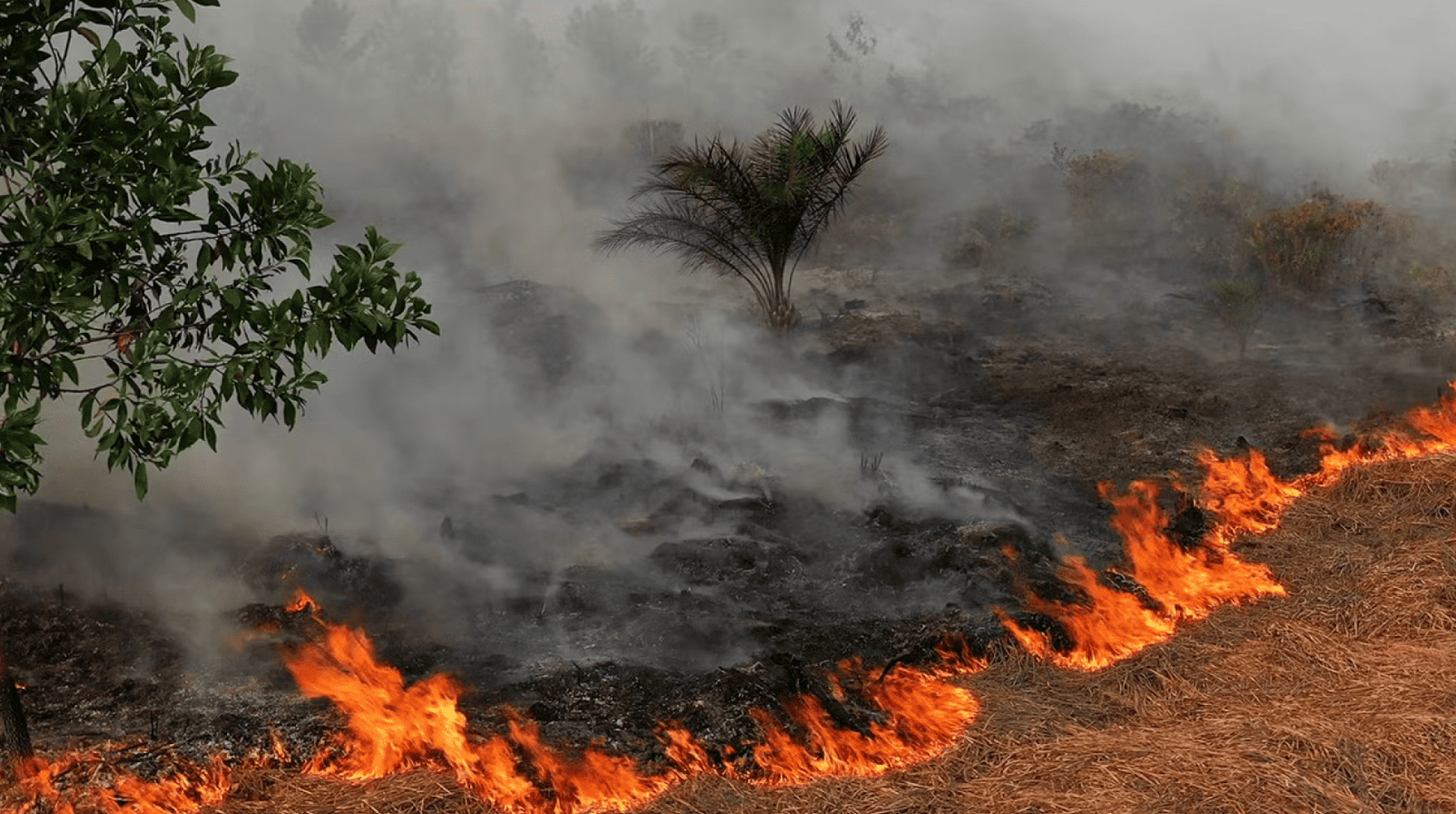
El Niño is forecast to bring hotter and drier conditions, while a possible positive Indian Ocean Dipole (IOD) could further increase the risk of forest and peatland fires across Southeast Asia.
SIIA Chairman Simon Tay said that while forecasts point to a severe dry season, countries should not assume widespread haze is inevitable.
“There is much that can be done to prevent the worst and strengthen climate resilience, energy and food security, and regional cooperation,” he said.
Biofuel demand and economic pressures may worsen fire risks
Beyond weather conditions, SIIA said economic factors could also contribute to haze risks.
The report noted that rising demand for agricultural commodities and biofuels may increase pressure to clear land if sustainable practices are not maintained.
At the same time, producers are facing higher operating costs due to fertiliser and fuel price increases.
This places additional strain on land management efforts.
As the fuel crisis has accelerated demand for biofuels, Southeast Asian countries are also increasing the amount of vegetable oil blended into diesel.
This trend is expected to continue even if global energy markets stabilise, as countries seek greater energy independence.
Indonesia has stepped up prevention efforts
Despite the elevated risk, the report highlighted that Indonesia has strengthened its response to forest and land fires in recent years.
Source: Human Rights Watch
These include setting up a new Forest and Land Fire Coordination Desk, improving fire monitoring and enforcement, and expanding community firefighting capabilities.
Many large companies have also increased fire prevention measures and strengthened sustainability commitments across their operations.
However, SIIA cautioned that severe weather could still overwhelm existing prevention measures if governments, businesses, and communities let their guard down.
ASEAN cooperation key to preventing severe haze risks
The report called for stronger cooperation among ASEAN member states to reduce haze risks, alongside greater investment in sustainable land management and fire prevention.
It also highlighted the importance of organisations such as the ASEAN Coordinating Centre for Transboundary Haze Pollution Control and the ASEAN Specialised Meteorological Centre in coordinating regional responses.
Mr Tay said ASEAN must take greater ownership of the challenge as climate change increases the likelihood of extreme weather events.
The annual Haze Outlook is now in its eighth edition and is based on research, stakeholder consultations, and discussions with governments, businesses, NGOs, and experts across Southeast Asia.
Also Read: El Niño expected to hit S’pore in June, warmer weather & haze risk may last till October
El Niño expected to hit S’pore in June, warmer weather & haze risk may last till October
Have news you must share? Get in touch with us via email at news@mustsharenews.com.
Featured image adapted from Beacon Medical.