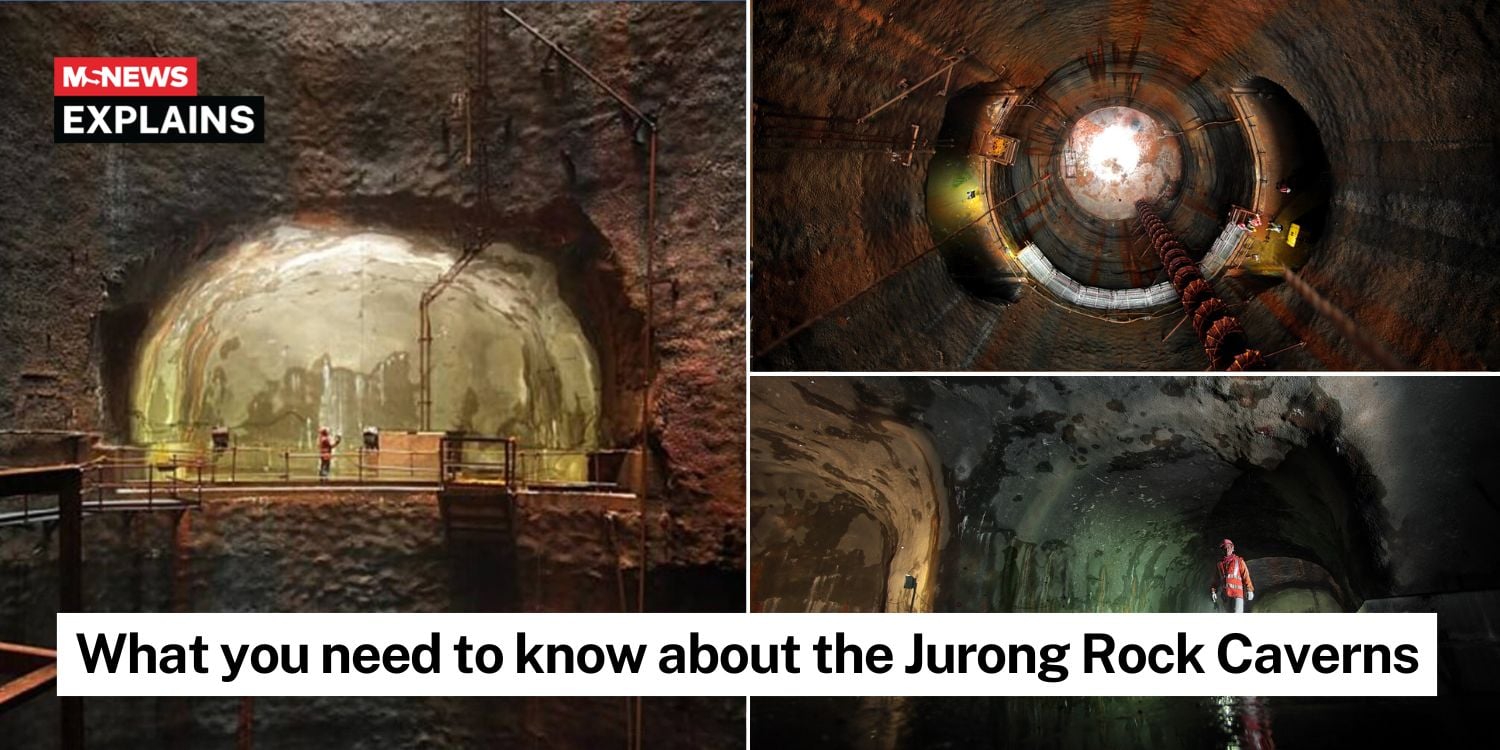

MS Explains: The Jurong Rock Caverns, a custodian of oil reserves
Singapore may not produce its own oil. However, it has found a way to store vast amounts of it deep underground.
The Jurong Rock Caverns (JRC) is located beneath Jurong Island.
The facility is Southeast Asia’s first commercial underground oil storage facility.
The caverns are a critical part of the nation’s energy infrastructure.
Why does Singapore need such a facility, and in times of crisis, can we rely on it to keep us afloat?
Why does the Jurong Rock Caverns exist?
Unlike larger countries, Singapore has limited land available for above-ground petroleum storage.
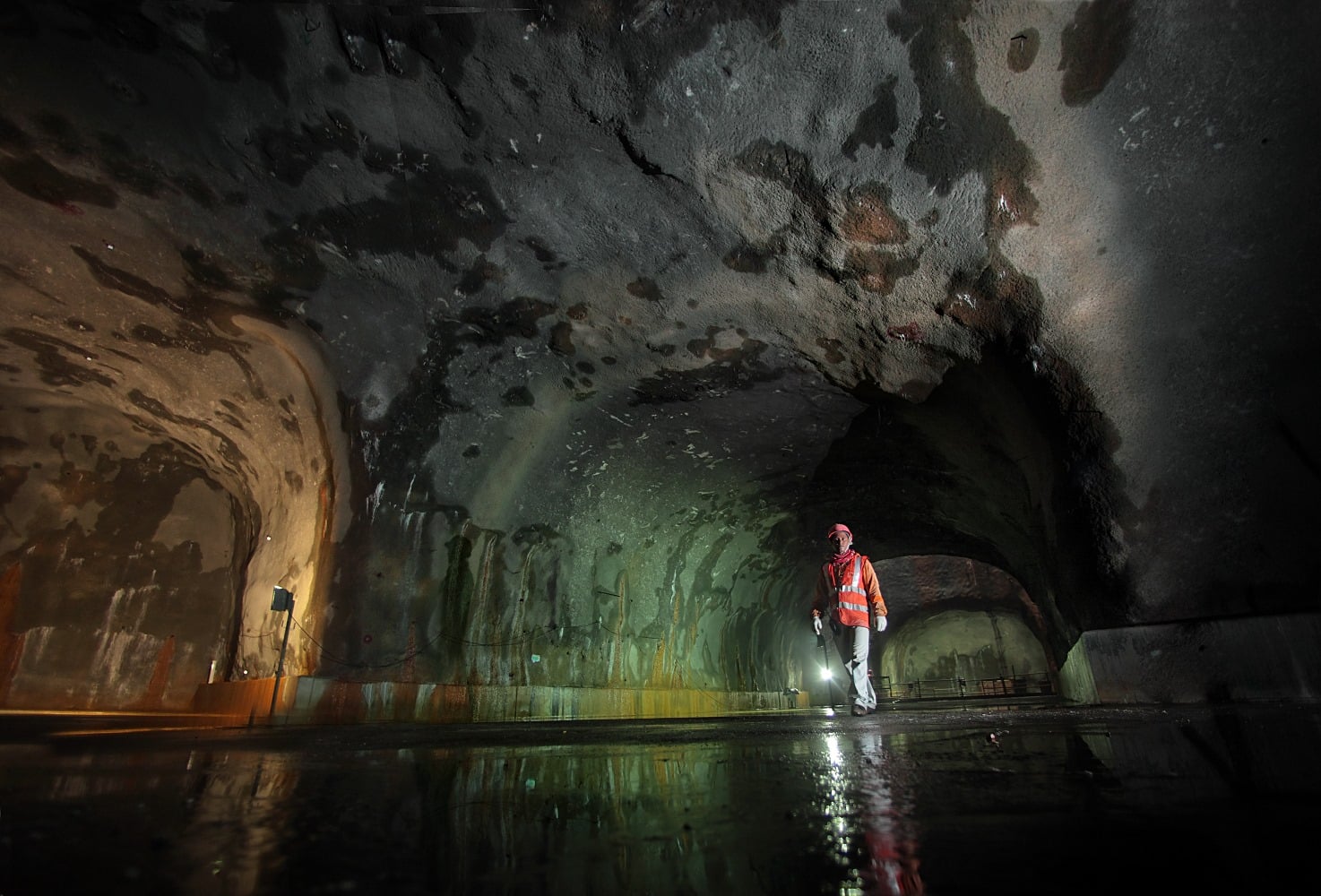
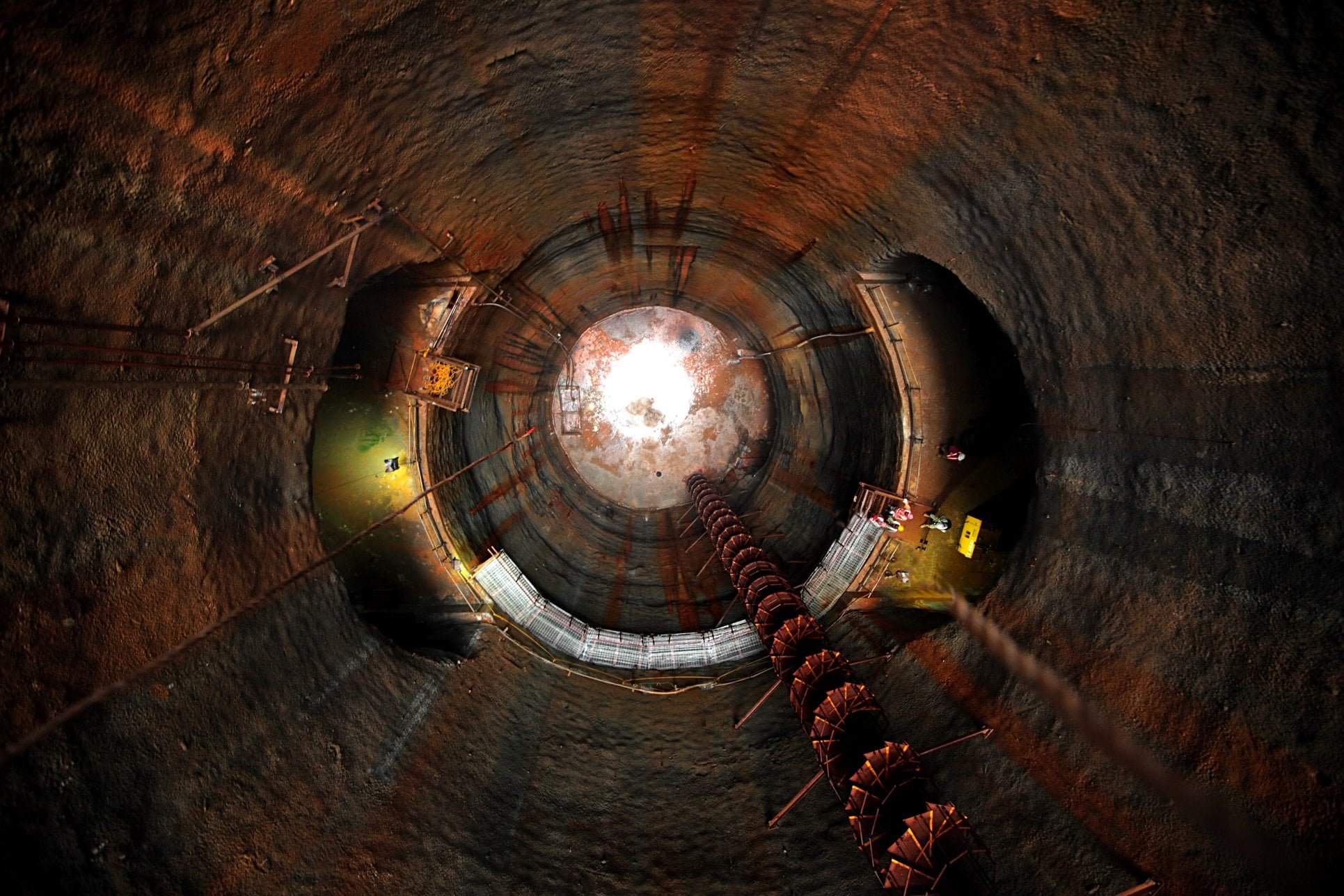
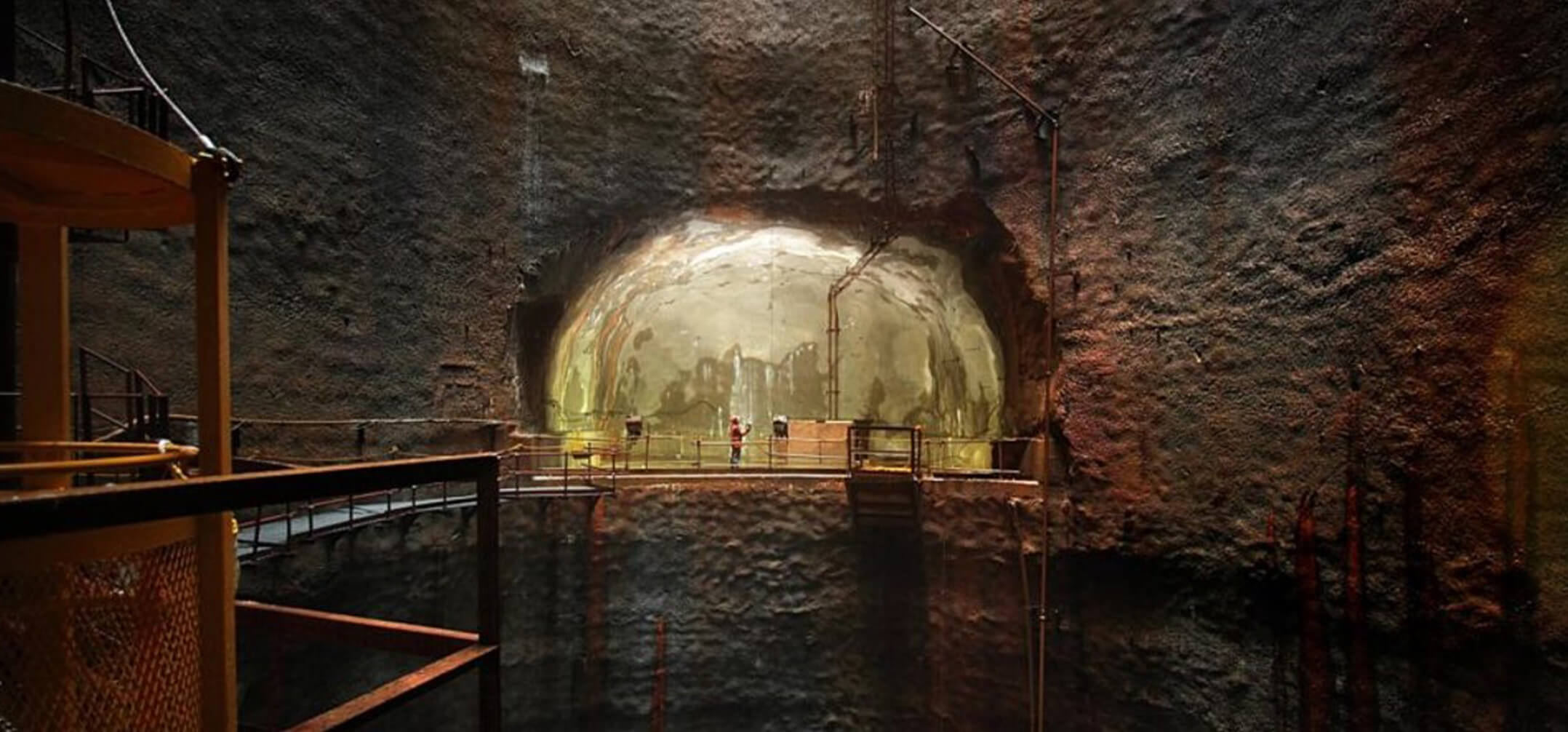
That is where the JRC, located 150 metres below the surface, comes in.
The caverns were developed and officially opened in Sept 2014 by the JTC.
Meant as a space-saving solution, JRC freed up as much as 60 hectares of precious surface land for other purposes.
“JRC has allowed us to overcome land constraints by tapping into underground spaces for oil storage,” said JTC in a statement to MS News.
Source: Urban Redevelopment Authority (URA) on Facebook
It has four large and one small caverns, capable of holding 1.47 million cubic metres of liquid hydrocarbons.
That’s the equivalent of 600 Olympic-sized swimming pools.
If that’s difficult to comprehend, think of it this way. The JRC has the capacity to store nine million barrels of liquid hydrocarbons.
The facility took 15 years to complete, with extensive research to ensure the project was carried out safely and optimally.
Underground facility strengthens Singapore’s energy security
Now, about 12 years after its opening, the JRC has become the blueprint for how Singapore can continue to use its underground spaces.
“The experience and knowledge gained from its operations and maintenance have also given us the confidence and capability to utilise underground spaces for other suitable functions beyond oil storage,” said JTC.
Source: URA on Facebook
Amid ongoing tensions in the Middle East, Singapore’s underground storage infrastructure has taken on renewed importance as global energy supply concerns grow.
Minister of Manpower Tan See Leng visited JRC in April, expressing his relief that Singapore “had the foresight to plan long term”.
“Singapore now has the experience to explore even more underground spaces as options to increase our fuel reserves,” he added.
Where does the stockpile come from?
JTC told MS News that it works closely with industry stakeholders to maintain adequate stockpiles of critical supplies.
These include fuel reserves for power generation.
“These reserves comprise a mixture of natural gas and diesel, held by both the Government and power generation companies,” said JTC.
This approach, combined with efforts to diversify import sources, ensures that Singapore is in a safe place. Even during times of trouble.
Source: JTC
Currently, Singapore imports liquid natural gas (LNG) from Australia, the United States, and Mozambique, apart from the Middle East, said Coordinating Minister for National Security and Minister for Home Affairs K Shanmugam in Parliament on 7 April.
He added that GasCo, which procures gas for Singapore’s power sector, has also bought replacement natural gas to offset disruptions from Qatar.
According to the minister, Singapore is looking to increase further its fuel reserves. A move that is “necessary”, though costly.
Caverns part of broader storage strategy
Singapore is known to maintain sufficient stockpiles, including food, to buffer against short-term global supply disruptions.
And facilities such as the JRC support long-term planning.
“JRC supports infrastructure as part of Singapore’s broader energy security strategy to maintain oil stockpiles,” said JTC to MS News.
At the moment, there has been no need to draw on the reserves, and also no official number on the extent of the stockpiles.
But we do know that our energy stockpile can last us “months”.
“Disclosing such details would reveal where our limits lie, and that could be used against Singapore in times of crisis,” said home affairs minister K Shanmugam.
“What matters is that we have sufficient buffers and contingency plans in place.”
Have news you must share? Get in touch with us via email at news@mustsharenews.com.
Featured image adapted from Urban Redevelopment Authority on Facebook and JTC.