

MP Dennis Tan calls for greater support for dialects after ‘Dear You’ screened mainly in Mandarin
Hougang Member of Parliament (MP) Dennis Tan Lip Fong has weighed in on the debate surrounding ‘Dear You’, expressing support for efforts to preserve and promote Chinese dialects in Singapore.
The discussion comes after the Infocomm Media Development Authority (IMDA) said the movie’s Mandarin-dubbed version would be screened commercially, while the original Teochew version would be shown at the premiere and subsequent festival or niche screenings.
IMDA: Teochew version available only at premiere and niche screenings
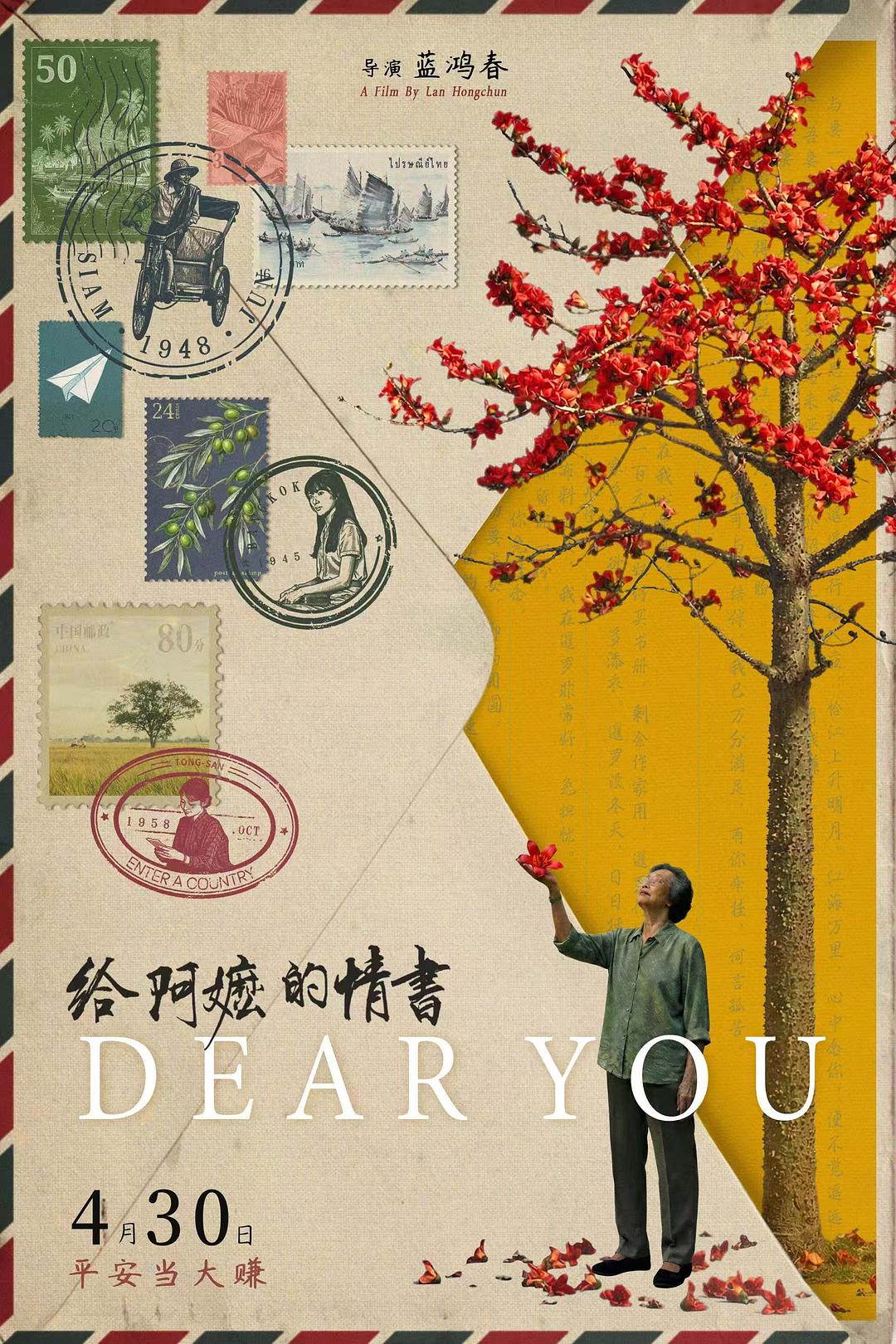
Low-budget independent Chinese film ‘Dear You’ has emerged as an unexpected hit with audiences and at the box office.
The movie, which follows a man who travels to Thailand in search of his estranged grandfather only to uncover a long-hidden family secret, was originally produced primarily in the Teochew dialect.
Source: Douban
However, Singapore screenings for the general public will be of the Mandarin-dubbed version.
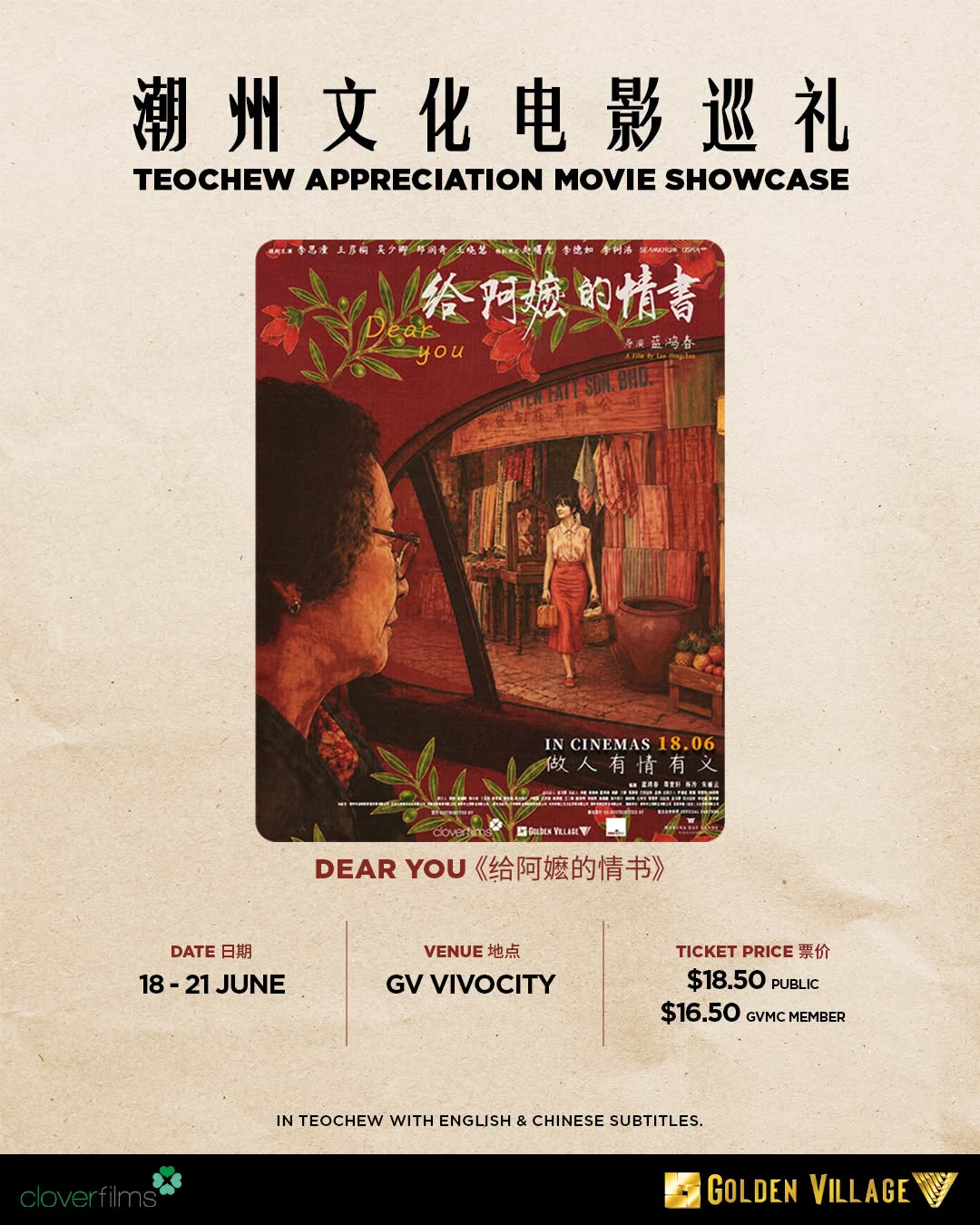
An IMDA spokesperson told MS News that the Teochew version will be screened at the premiere and will also be available for subsequent festival or niche screenings.
“This continues to support the bilingual policy which aims to promote Mandarin as the main language amongst Chinese Singaporeans,” the spokesperson said.
Source: Golden Village Pictures – Film Distribution on Facebook
According to The Straits Times, Golden Village sold all 4,800 tickets for the Teochew-version screenings within two hours of sales opening on 16 June.
The decision has also sparked discussion online, with some netizens expressing disappointment that the original Teochew version will not be screened commercially.
One commenter who watched the Teochew version also remarked that the Mandarin subtitles “simply cannot capture the beauty of the Teochew dialect”.
Dennis Tan says dialects are closely tied to culture and heritage
In a Facebook post on 17 June, Workers’ Party (WP) Organising Secretary and Hougang SMC MP Dennis Tan said the reaction to ‘Dear You’ had sparked an important conversation about preserving dialect heritage.
He noted that many residents in Hougang still use Teochew or Hokkien in their daily lives, adding that his team has handled some Meet-the-People Session cases entirely in dialect.
“I have come to believe that our dialect group heritage is as much a part of our Singaporean Chinese cultural heritage as any of the customs we more readily celebrate,” he wrote.

Source: Dennis Tan Lip Fong on Facebook
Mr Tan, who is Teochew himself, said dialects carry with them traditions, customs, food culture, and the stories of earlier generations who settled in Singapore.
He also highlighted that he had previously spoken in Parliament about promoting the learning and speaking of dialects, as well as preserving the customs and culture of Singapore’s various dialect groups.
Mr Tan added that he had called for more Chinese dialect programmes on radio and television to encourage younger Singaporeans to become more familiar with their dialect heritage, saying:
Transferring culture and heritage does not happen overnight and the runway to do so is growing ever shorter. Once this culture and heritage dies off, there is no way of re-building it.
Debate revives discussion on Singapore’s dialect policies
Former presidential candidate Tan Kin Lian also pointed to what he described as strong demand for the Teochew version of ‘Dear You’, noting that tickets for the dialect screenings sold out quickly.
He expressed hope that cinema operators would increase the number of Teochew screenings and questioned whether longstanding restrictions on dialect films could be limiting wider screenings.
Singapore’s emphasis on Mandarin over other Chinese dialects dates back several decades.
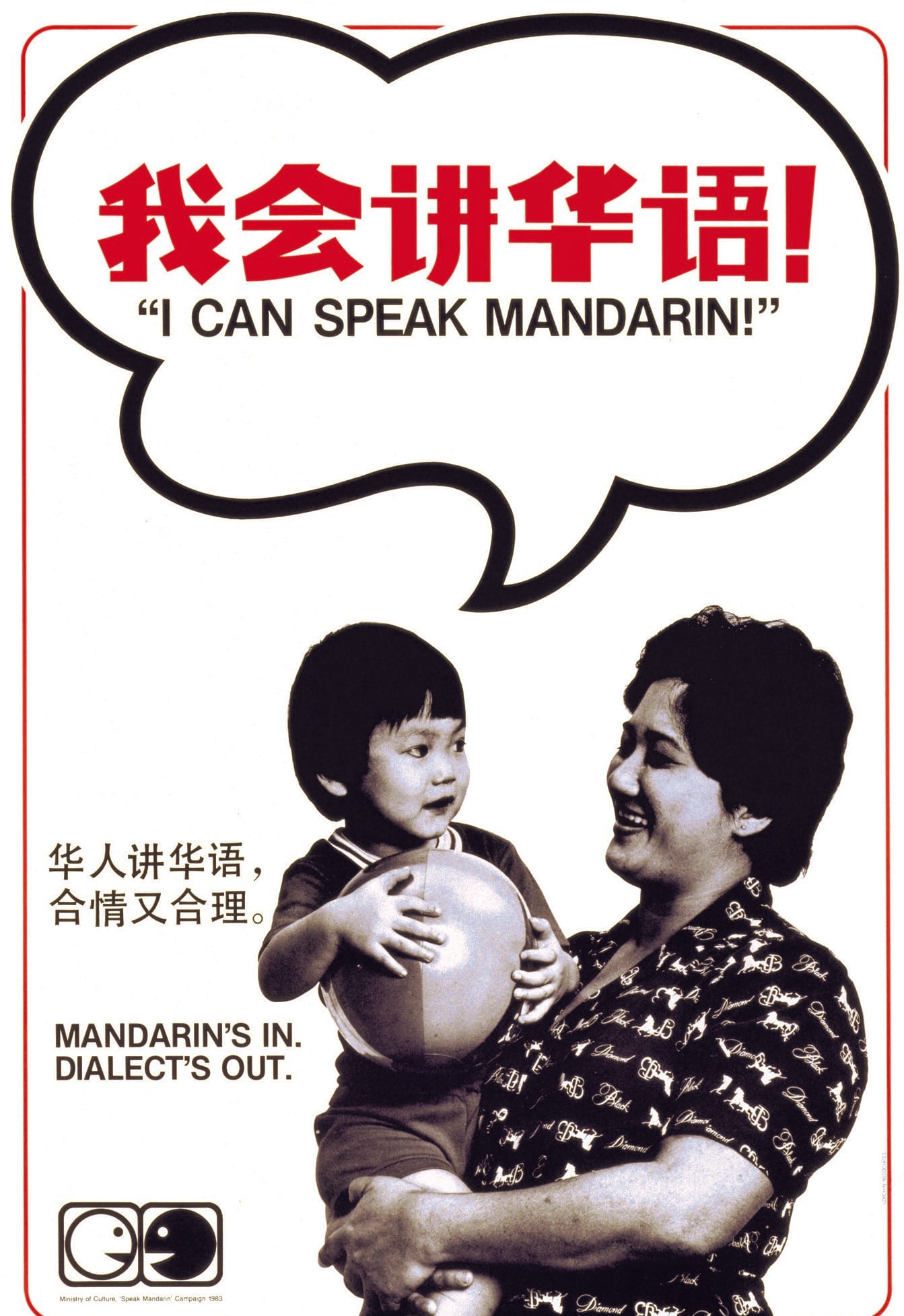
On 7 Sept 1979, then-Prime Minister Lee Kuan Yew launched the Speak Mandarin Campaign to support Singapore’s bilingual education policy and encourage the use of Mandarin among Chinese Singaporeans.
Source: National Archives of Singapore via Biblioasia
At the time, many Chinese Singaporeans spoke their respective dialects, which raised concerns about ease of communication within the wider Chinese community.
While the campaign drew criticism, it played a major role in shifting Chinese Singaporeans towards the use of Mandarin over dialects.
Have news you must share? Get in touch with us via email at news@mustsharenews.com.
Featured image adapted from Dennis Tan Lip Fong on Facebook and Douban.