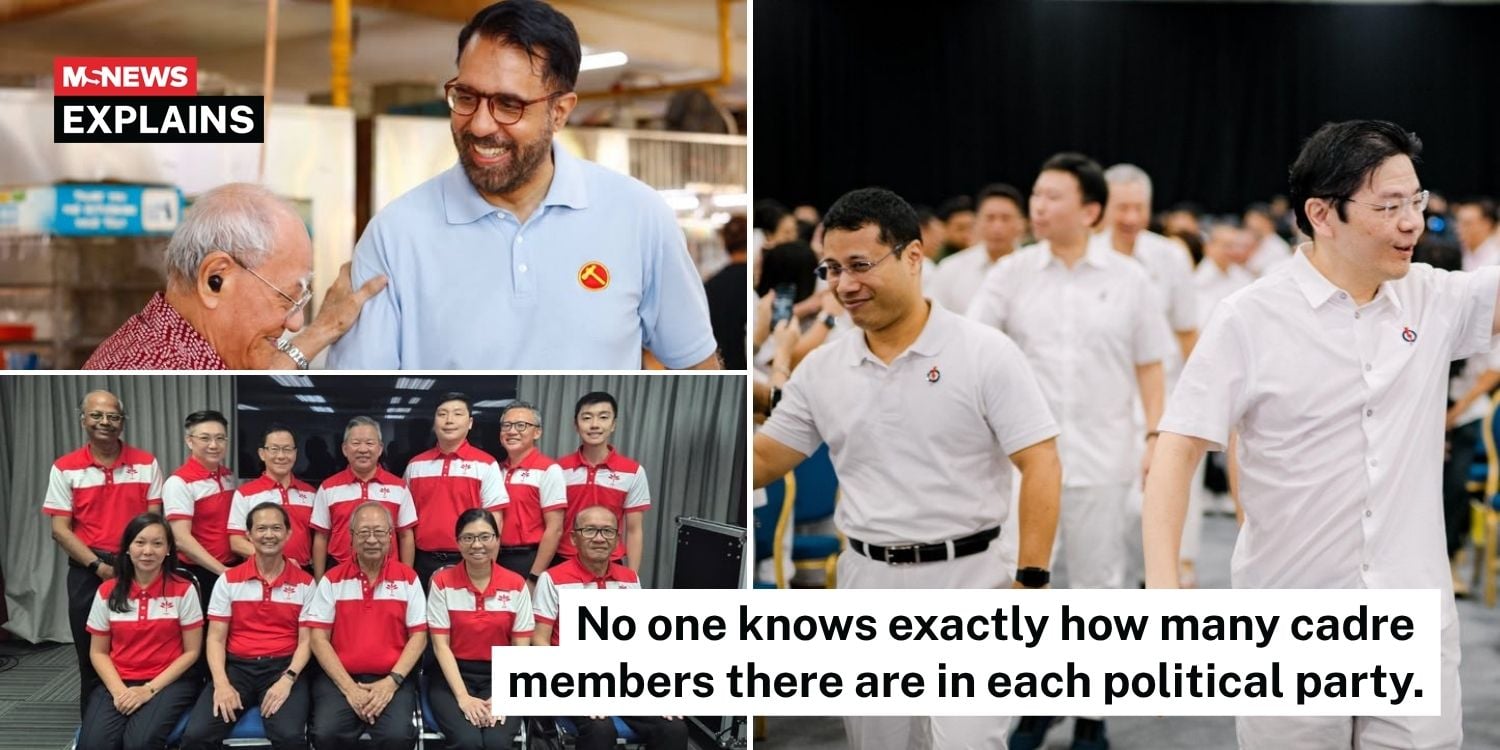

What is Singapore’s little-known political cadre system, the group that decides if a party leader stays
Following a successful vote of confidence, Workers’ Party (WP) chief Pritam Singh was returned as the party’s secretary-general for another term.
Before that happened, however, he first had to face an unusual test.
A group of 25 WP cadres had successfully called for a special meeting, asking Mr Singh to account for his conviction for lying to a parliamentary committee before putting his leadership to a secret vote. A supermajority ultimately backed him to remain secretary-general.
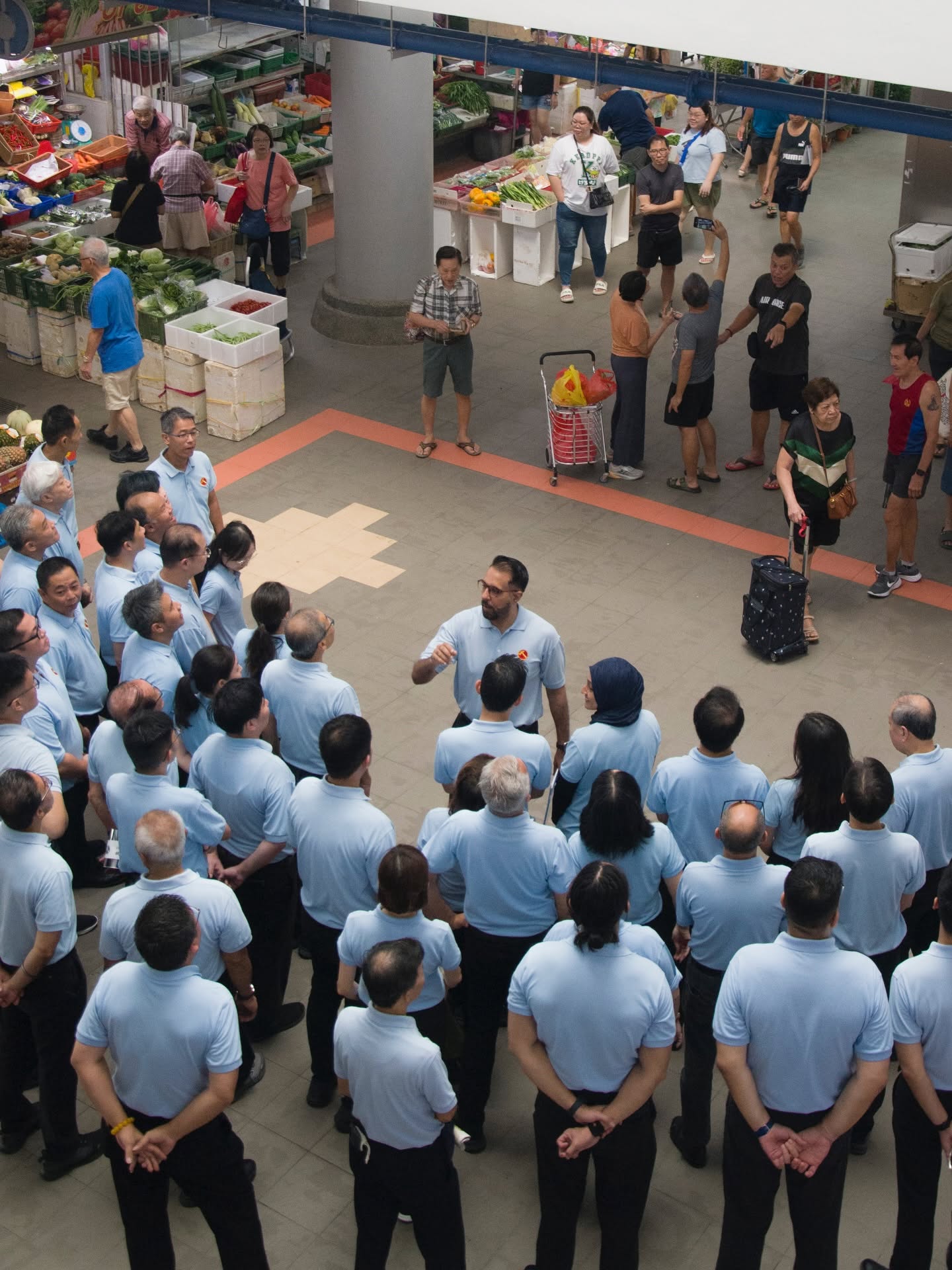
Source: The Workers’ Party on Facebook
But the question remains: Who exactly are these “cadres” and why do they have the power to decide the future of a political party leader?
Despite playing an important role in Singapore politics, cadres remain among the least understood parts of the country’s political system. Their identities are generally kept confidential, and not every party member can become one.
In fact, Singapore’s four largest political parties — the People’s Action Party (PAP), Workers’ Party (WP), Singapore Democratic Party (SDP) and Progress Singapore Party (PSP) — all operate some form of a cadre system, according to CNA.

Source: PAP website
Not just another party member
Simply joining a political party does not automatically make someone a cadre.
Instead, cadres are selected from among ordinary party members, usually by the party’s Central Executive Committee (CEC), after demonstrating loyalty, service and commitment over time.
While each party has its own rules, cadre members generally enjoy one key privilege that ordinary members do not — they can vote for the party’s top leadership.
That leadership comes in the form of the CEC, the party’s highest executive body responsible for steering its direction, administration and organisation.
It comes off as a two-tier membership system.
Ordinary members may volunteer, attend activities and support election campaigns, but only cadres are typically allowed to elect the party’s top decision-makers.
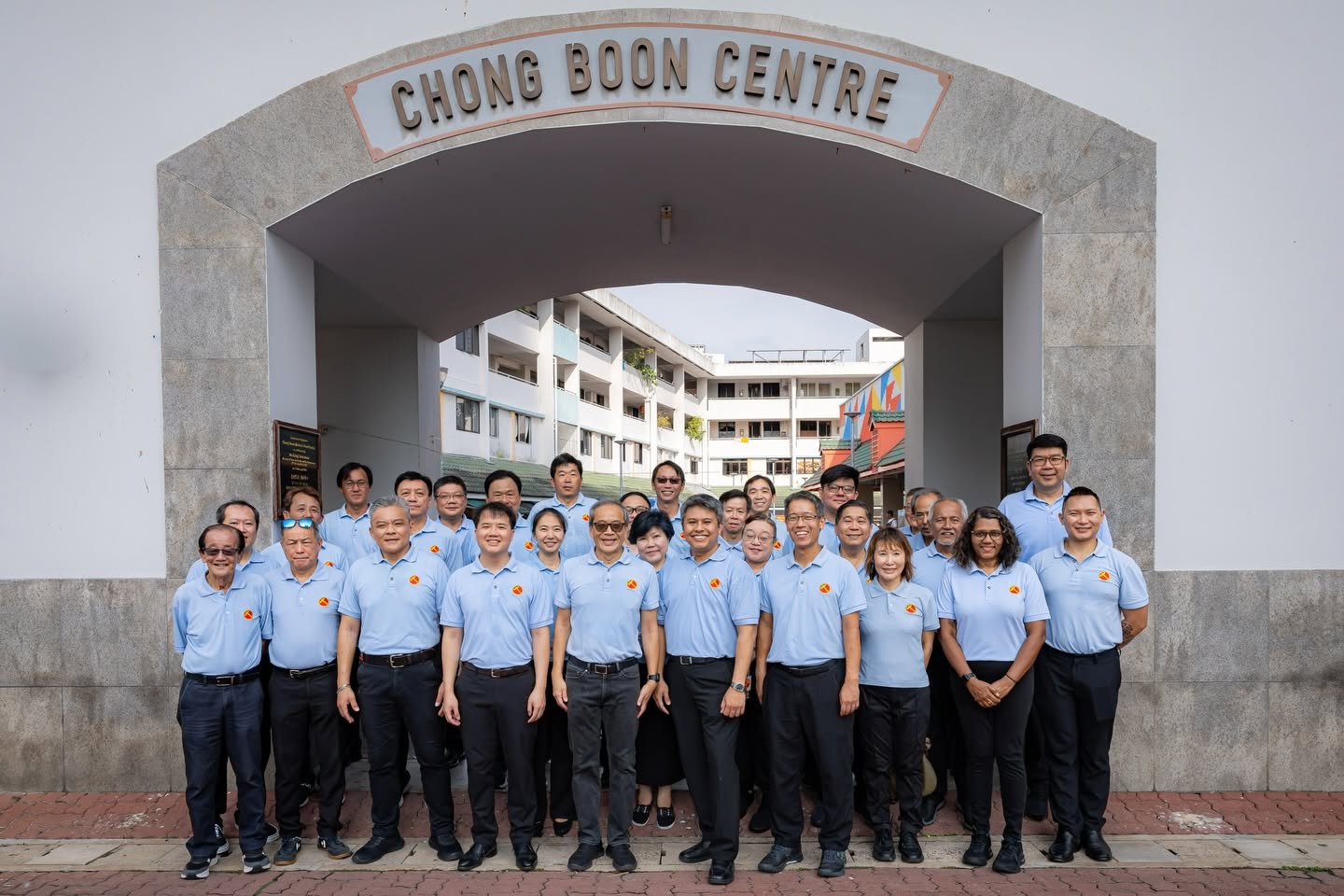
Source: The Workers’ Party on Facebook
Why were WP cadres able to vote on Pritam Singh?
The recent events within the WP showed how influential cadres can be.
Under the party’s constitution, a Special Cadre Members’ Conference can be convened by the party chair, the CEC, or if at least 10% of the cadre membership — or 20 cadres, whichever is higher — request one.
That was exactly what happened after 25 cadres sought a vote on whether Mr Singh should continue leading the party following his conviction.
During the closed-door meeting on 28 June, Mr Singh answered questions from cadre members before they cast their votes through a secret ballot.
A supermajority voted for him to remain secretary-general.
Source: Sylvia Lim on Facebook
Later that day, cadres also elected the party’s new CEC for the next two-year term, with Mr Singh again returned as secretary-general.
The episode offered a rare glimpse into how Singapore’s cadre system works in practice.
Four major parties, four slightly different systems
Although often associated with the PAP or WP, the cadre system is not unique to either party.
All four of Singapore’s largest political parties use it, although the details differ.
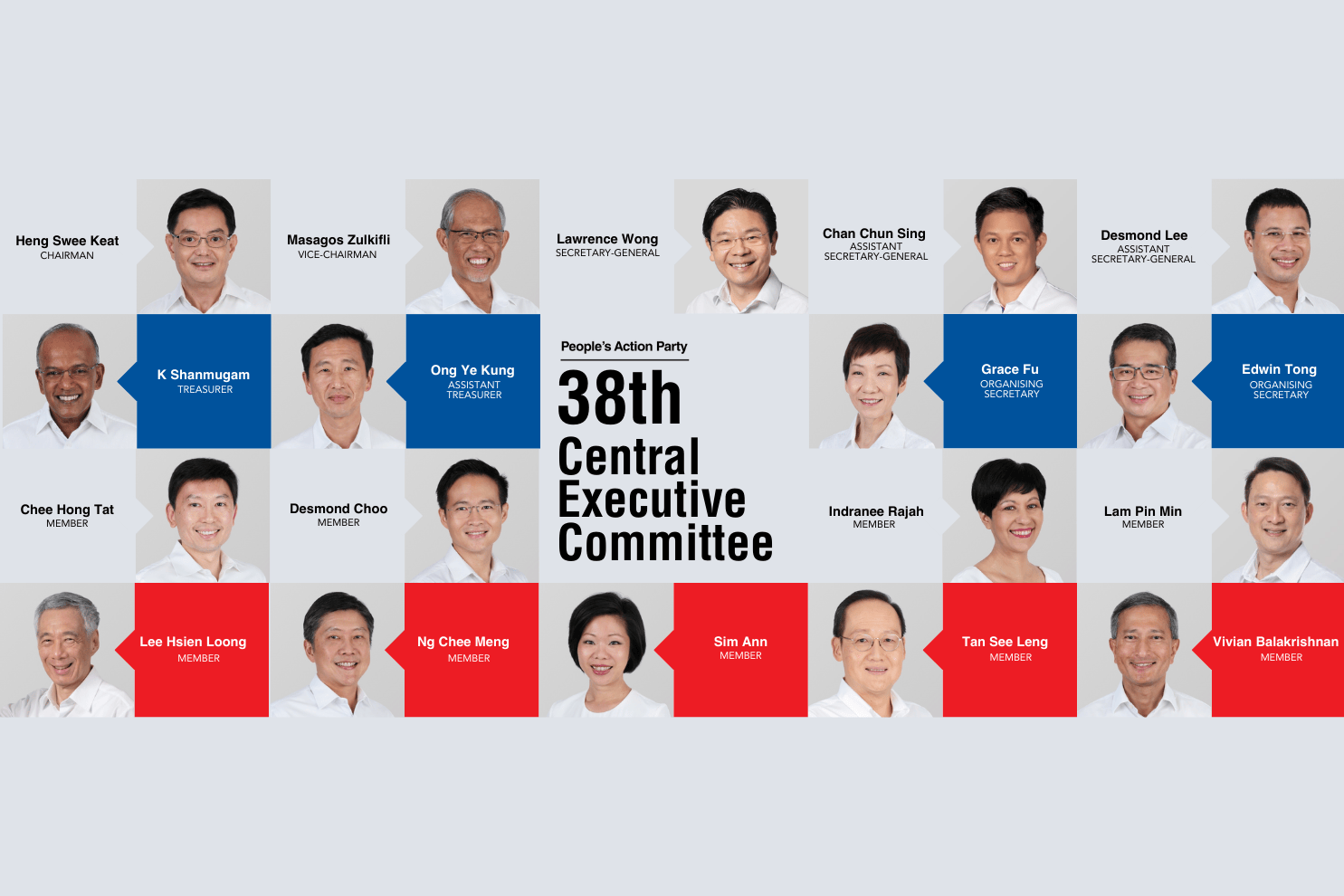
In the PAP, cadres are appointed by the CEC after members have proven their loyalty and service to the party. Only cadres can vote for, elect or stand for the CEC.
Source: PAP website
Like the WP, PAP cadres can also requisition a special party conference if at least 10% of the cadre membership supports doing so.
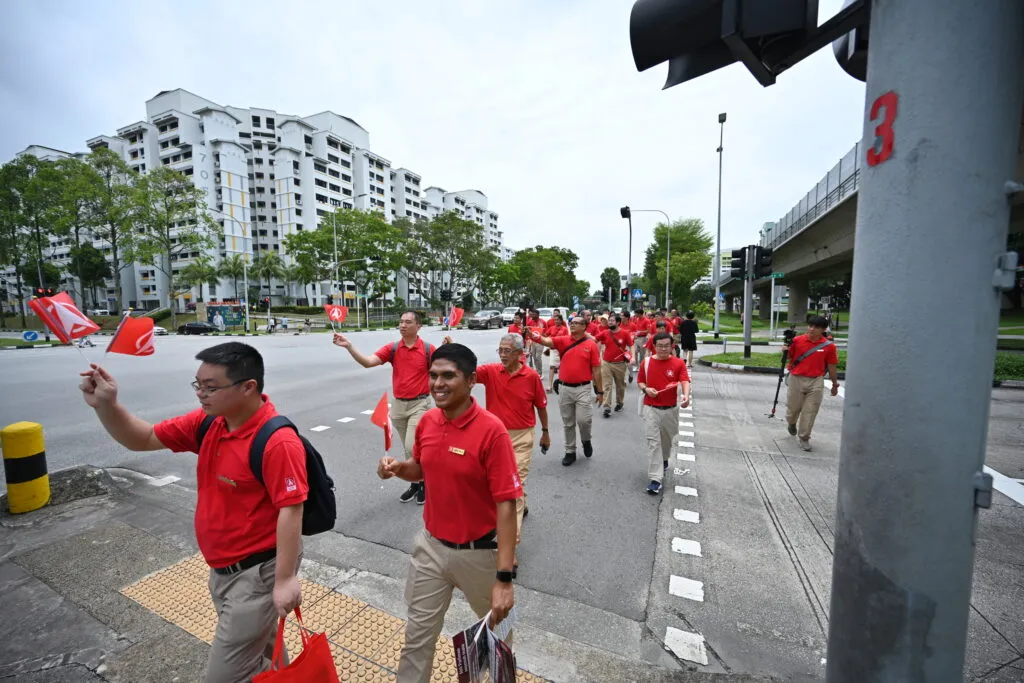
The SDP also appoints cadres through its CEC, typically in carefully selected batches every two years, CNA reported.
According to a 2024 CNA article, it had slightly more than 50 cadres at the time, making up around 15% of its membership.
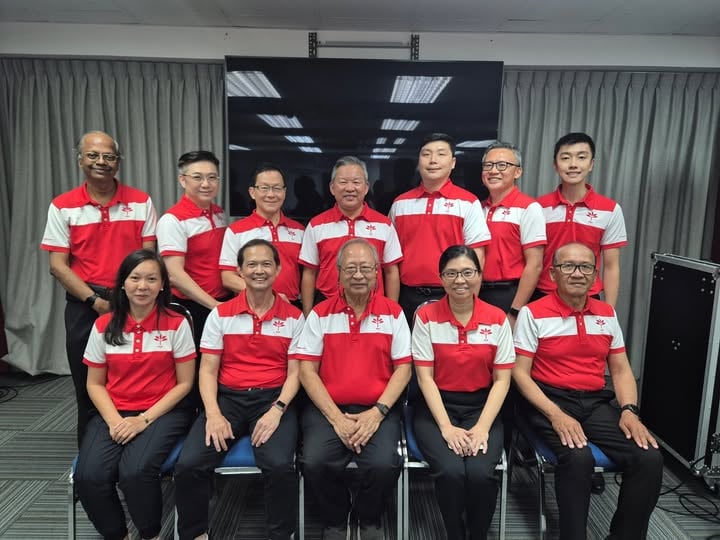
The PSP likewise selects cadres from its members, its party constitution said. Only cadres aged 21 and above may vote or hold office in the party’s CEC, while a Special Party Conference requires the support of at least 51% of the cadre membership.
| Party | Uses cadres? | Who votes for CEC? | Special meeting threshold |
|---|---|---|---|
| PAP | Yes | Cadres | 10% cadres |
| WP | Yes | Cadres | 10% or 20 cadres |
| SDP | Yes | Cadres | CEC-appointed batches |
| PSP | Yes | Cadres | 51% cadres |
Despite these differences, all four parties reserve their most important internal voting rights for cadres rather than ordinary members.
Why not let every member vote?
At first glance, limiting voting rights to a smaller group may seem unusual.
Political scientists say there are practical reasons for doing so.
A cadre system helps political parties maintain organisational stability and ideological consistency over time, said CNA. By entrusting leadership decisions to members who have demonstrated long-term commitment, parties can reduce the risk of sudden internal takeovers or major swings in direction.
The PAP itself adopted the cadre system in 1958 after left-wing members attempted to gain control of the party.
Rather than allowing anyone who signs up as a member to immediately influence leadership elections, parties gradually appoint trusted members into the cadre ranks.
Source: Progress Singapore Party on Facebook
So how does someone become a cadre?
The answer is generally unclear for all four parties.
Unlike running for public office, there is no application process or public selection exercise.
Instead, party leaders decide who joins the cadre ranks.
Most parties simply state in their constitutions that members must be considered “fit and proper” before being appointed.
Source: Your SDP website
In practice, this usually means contributing consistently to party activities, volunteering on the ground and earning the confidence of existing leaders.
There is also no fixed timeline.
Some PAP cadres have estimated that it commonly takes around five years before members are considered.
In the WP, however, there is no prescribed waiting period. Former cadres have described appointments as depending largely on individual contributions and the trust placed in them by the CEC.
WP’s constitution says that the CEC may appoint any Party member whom they feel “is a fit and proper person” to be a cadre member.
The identities of cadres are largely kept secret
Perhaps the most unusual feature of Singapore’s cadre system is just how little the public knows about it.
None of the four parties publicly publishes a complete list of its cadre members.
In fact, even party members themselves may not always know who else has been appointed, CNA said.
The exact number of cadres is also rarely disclosed.
The SDP has said it has just over 50 cadres, while former WP members have estimated the party has around 100.
The South China Morning Post (SCMP) recently reported that the WP has 107 cadres.
This confidentiality means many influential figures within political parties remain largely unknown outside party circles.
Cadres don’t have to be MPs
Being a cadre also does not mean someone has to be an elected politician.
The WP’s latest CEC illustrates this.
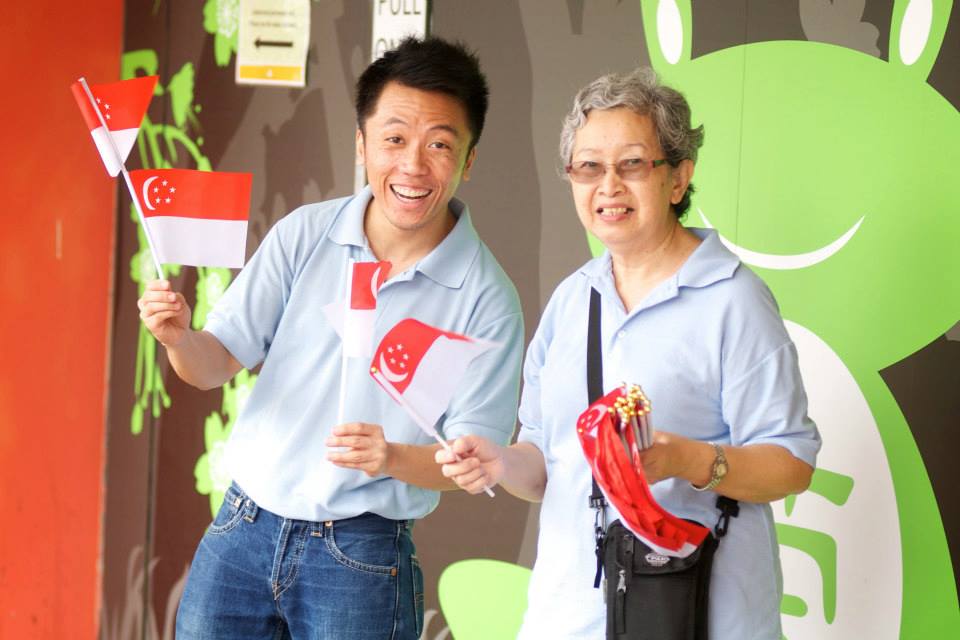
Among its members is Tan Kong Soon, who is not, and never was, an MP.
Source: The Workers’ Party website
However, he joined the party in 2007 and was in the CEC from 2016 to 2018 and 2022 to 2024. He also has spent years serving the party in organisational roles, including as Deputy Organising Secretary and previously as legislative assistant to former secretary-general Low Thia Khiang.
His election shows that cadres often include long-serving volunteers and party organisers working behind the scenes, not just public-facing politicians.
Quiet but important role
We will probably never meet a political party cadre, much less become one.
Yet, these carefully selected and unknown members quietly perform one of the most important functions within Singapore’s political parties.
These people choose the leadership teams that shape party strategy, decide who occupies key internal positions and, in recent circumstances, can even determine whether a party leader remains as one.
Pritam Singh’s leadership vote may have thrust cadres briefly into the spotlight.
But long after the headlines fade, Singapore’s cadre system will continue operating largely out of public view, quietly helping to determine who leads some of the country’s biggest political parties.
Also read: Pritam Singh re-elected as WP secretary-general
Have news you must share? Get in touch with us via email at news@mustsharenews.com.
Featured image adapted from Harpreet Singh Nehal on Facebook, Progress Singapore Party on Facebook and PAP website.