
Restriction Orders can prevent transfers from bank accounts of likely scam victims
Starting from today (July 1), the police can restrict the bank accounts of individuals to prevent them from becoming victims of scams.
The Ministry of Home Affairs (MHA) detailed these new powers given to the police in a press release on Monday (30 June).
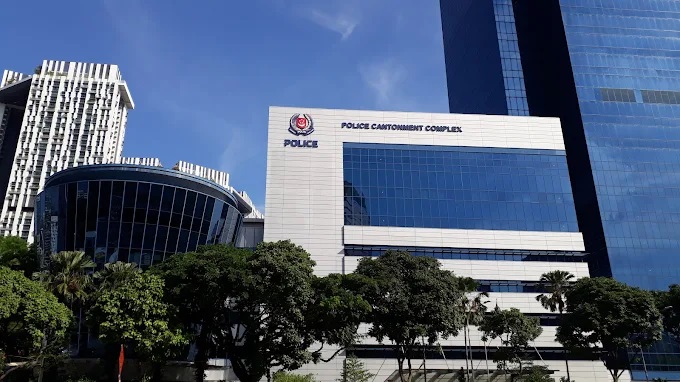
Source: Google Maps
Bank accounts of likely scam victims can be restricted by ROs
The Protection from Scams Act 2025, passed by Parliament on 7 Jan, will allow the police to issue Restriction Orders (ROs) to banks, said MHA.
Once issued, an RO will restrict a likely scam victim’s access to banking facilities, including:
- money transfers from their bank accounts to other accounts via various means, e.g. online banking, mobile banking, PayNow, and over the counter
- ATMs
- credit facilities, e.g. credit card transactions and personal loans
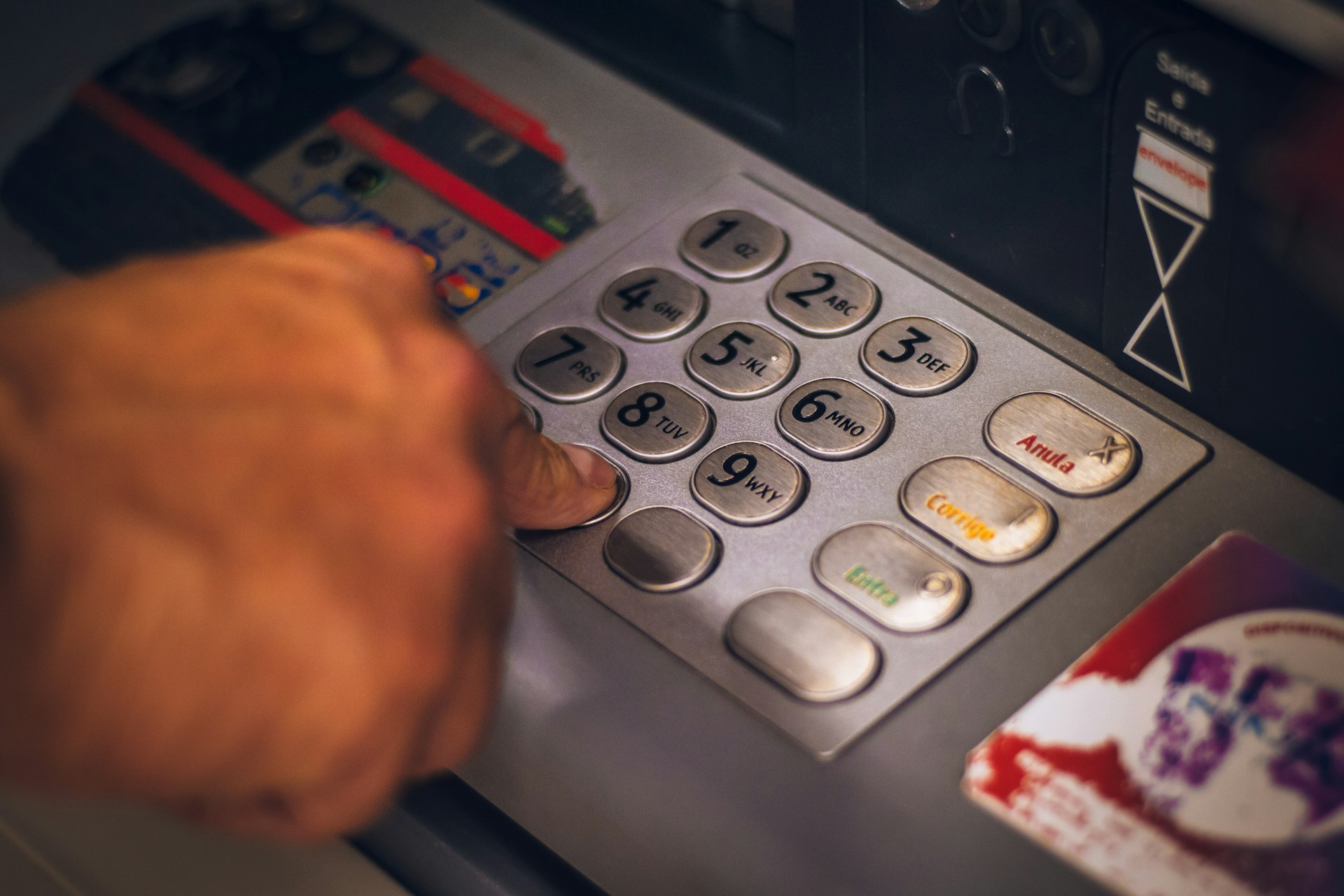
Source: Eduardo Soares on Unsplash. Photo for illustration purposes only.
Likely scam victims can still use bank accounts for legitimate reasons
The subject of the RO can still use their funds for legitimate reasons, such as daily expenses and bills.
But they must submit an application to the police, which will assess it on a case-by-case basis.
They can also appeal to the Commissioner of Police against the decision, though the RO will remain active pending the appeal outcome.
ROs will be in effect for up to 30 days
An RO can be in effect for up to 30 days, with the police able to extend it up to five times for up to 30 days each time.
This additional time may be necessary for them to put in place intervention measures, such as gathering evidence or contacting the subject’s next-of-kin.
However, an RO may also be cancelled earlier if the police believe the individual is no longer at risk of being scammed.
ROs issued to 7 major S’pore banks
By default, an RO will be issued to the seven Domestic Systemically Important Banks (DSIB) in Singapore, namely:
- DBS Bank
- Overseas-Chinese Banking Corporation (OCBC)
- United Overseas Bank
- Citibank
- Malayan Banking Berhad (Maybank)
- Standard Chartered Bank
- Hongkong and Shanghai Banking Corporation (HSBC)

These seven banks manage most of the consumer deposits in Singapore, MHA said.
ROs can also be issued to a non-DSIB if there is “reasonable suspicion” that an account in that bank is directly involved in a suspected scam, for example, if the individual is transferring money from the account to a suspected scammer.
RO used only as last resort
MHA also outlined the criteria for a police officer to issue an RO, saying that they must have “reasonable belief” that the subject will likely fall victim to a scam.
That means if not for the RO, the subject would send money to a scammer via:
- money transfer
- withdrawal of money
- use of a credit facility
The police must also believe that the RO is necessary for the subject’s protection, MHA noted, adding:
The RO will be issued only as a last resort, after other options to convince the individual have been exhausted.
Also read: Elderly man in S’pore scammed of S$55.5K by ‘woman’ he met on TikTok, still believes she’s real
Elderly man in S’pore scammed of S$55.5K by ‘woman’ he met on TikTok, still believes she’s real
Have news you must share? Get in touch with us via email at news@mustsharenews.com.
Featured image adapted from Google Maps and Eduardo Soares on Unsplash. Photo on right for illustration purposes only.