MS Explains: What is tuberculosis, the disease detected in Malaysia
With the announcement of new tuberculosis (TB) clusters in Malaysia, Singaporeans may be concerned about how this may affect their health and travel plans — especially since Chinese New Year is around the corner.
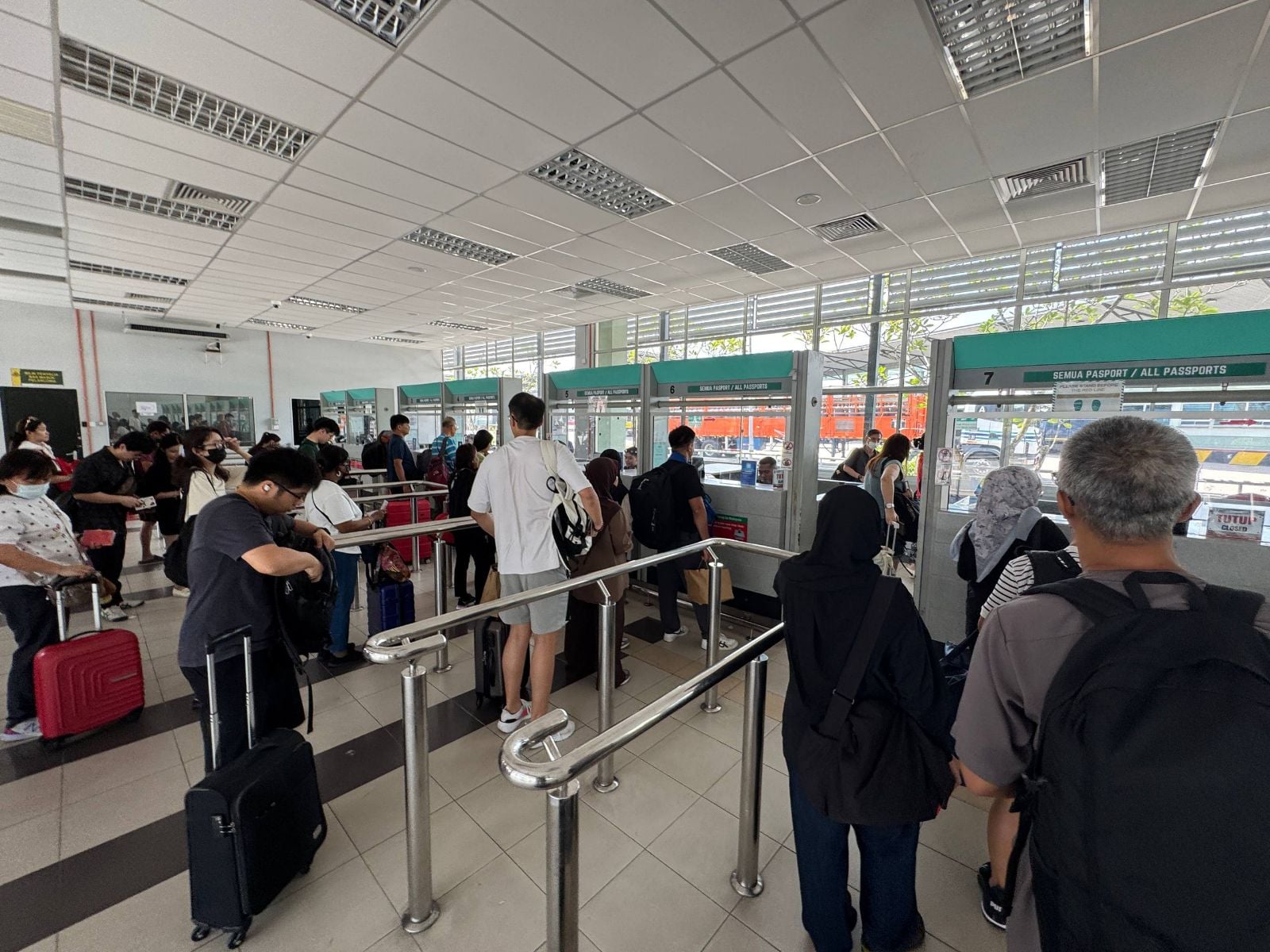
Image courtesy of MS News reader
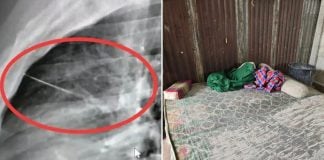
Earlier this week, Malaysia reported ten new TB clusters across the country, with Johor recording the most cases. At present, there are a total of 37 cases in the state, involving 29 children and 8 adults.
For those worried if this might spread to Singapore or if the ongoing situation could affect your travel plans, here is what you need to know about TB, including how to prevent infections and if it is curable.
What is tuberculosis?
Tuberculosis is a disease caused by a bacteria that most commonly affects the lungs. It can also affect the brain, lymph nodes, kidneys, bones, and joints.
Throughout history, TB has a reputation of being one of the deadliest infectious diseases — despite being entirely preventable and curable.
The World Health Organization (WHO) reports that in 2024, a total of 1.23 million people died from tuberculosis.
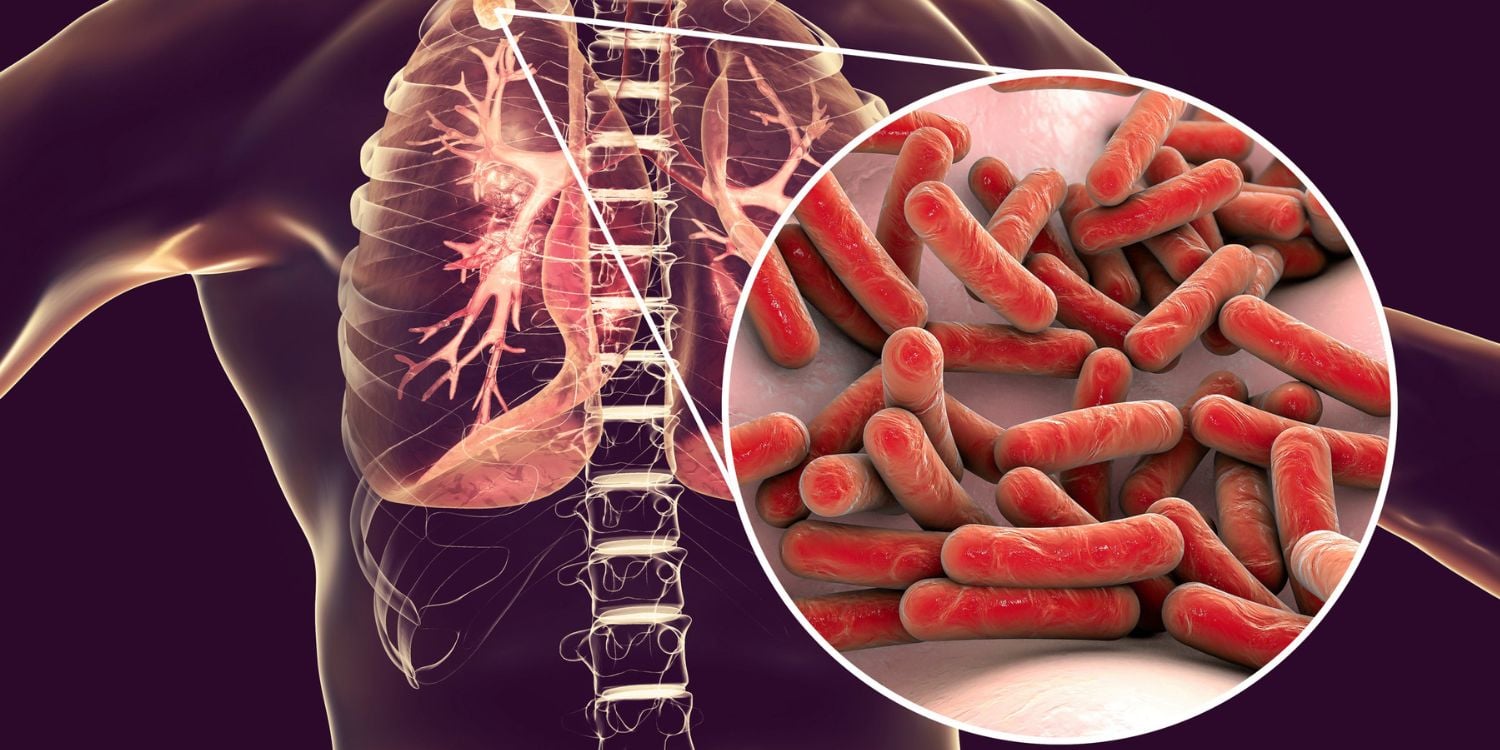
Source: Science Photo Library on Canva. Image is for illustration purposes only.
TB is also more common than you’d think. The WHO estimates that around a quarter of the world is infected with TB, but the bacteria which causes the disease is kept under control by your body’s immune system.
That said, most people with a TB infection do not get sick or experience symptoms.
Common symptoms of TB include persistent coughing, chest pain, fatigue, fever, and night sweats. Sometimes the coughing may be accompanied by blood.
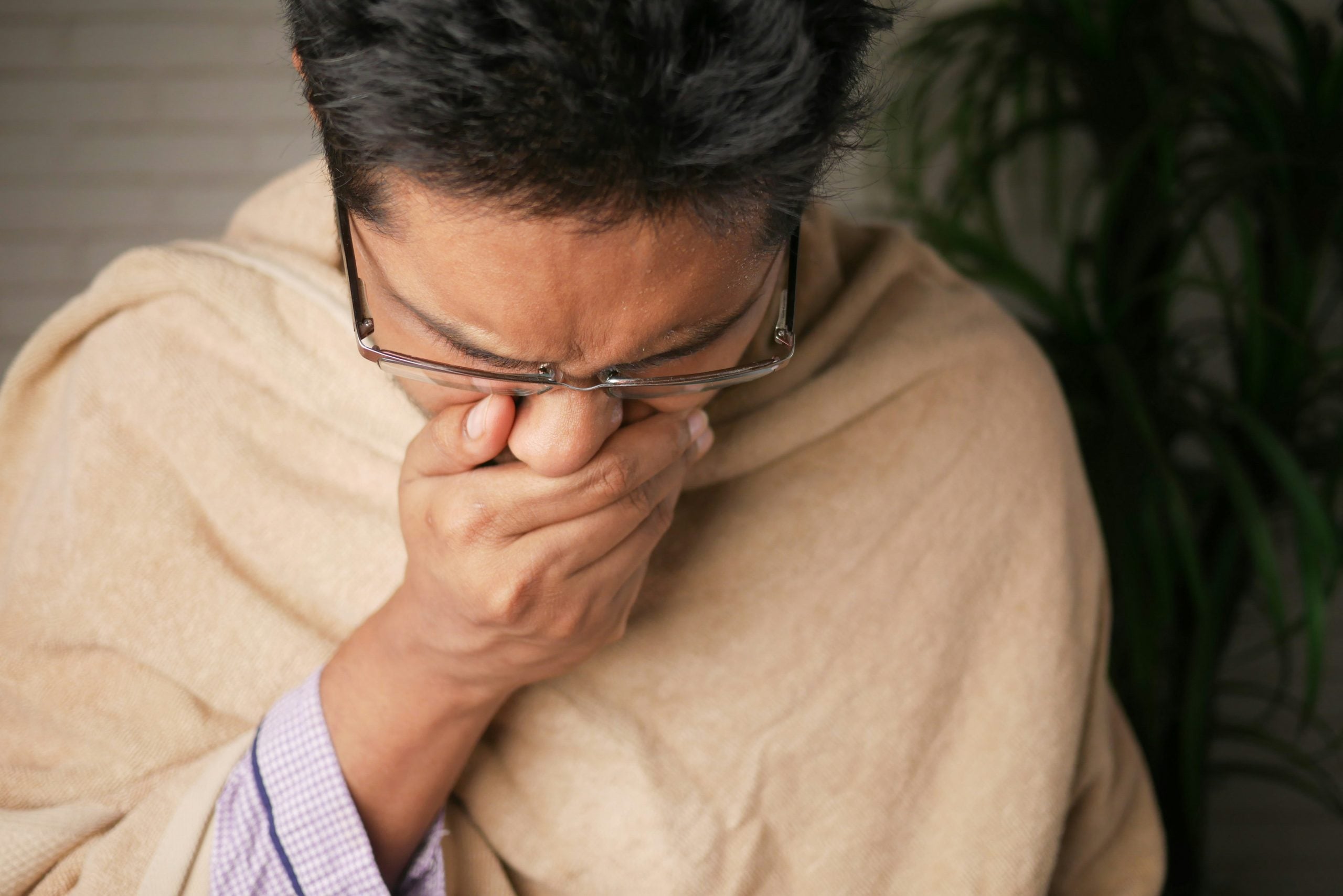
Source: Towfiqu barbhuiya on Unsplash. Image for illustration purposes only.
Those with high blood sugar, a weakened immune system, malnourishment, or consume alcohol or tobacco have a higher risk of developing symptoms. Babies and children are also at greater risk of falling ill to TB.
The airborne disease is infectious and typically is transferred from person to person through contact with an infected person’s cough, sneeze, or spit.
Where are the TB cases in Johor located?
The first detected TB case in Johor was traced to a 72-year-old female religious teacher in Kota Tinggi. Eight students were also detected with TB in that cluster.
Another separate cluster in Johor is located in Pontian. Health officials confirmed that it is unrelated to the one in Kota Tinggi, but the Pontian cluster also involves school children.
The Johor state health and environment committee chairman said the situation is under control and asked the public to not panic.
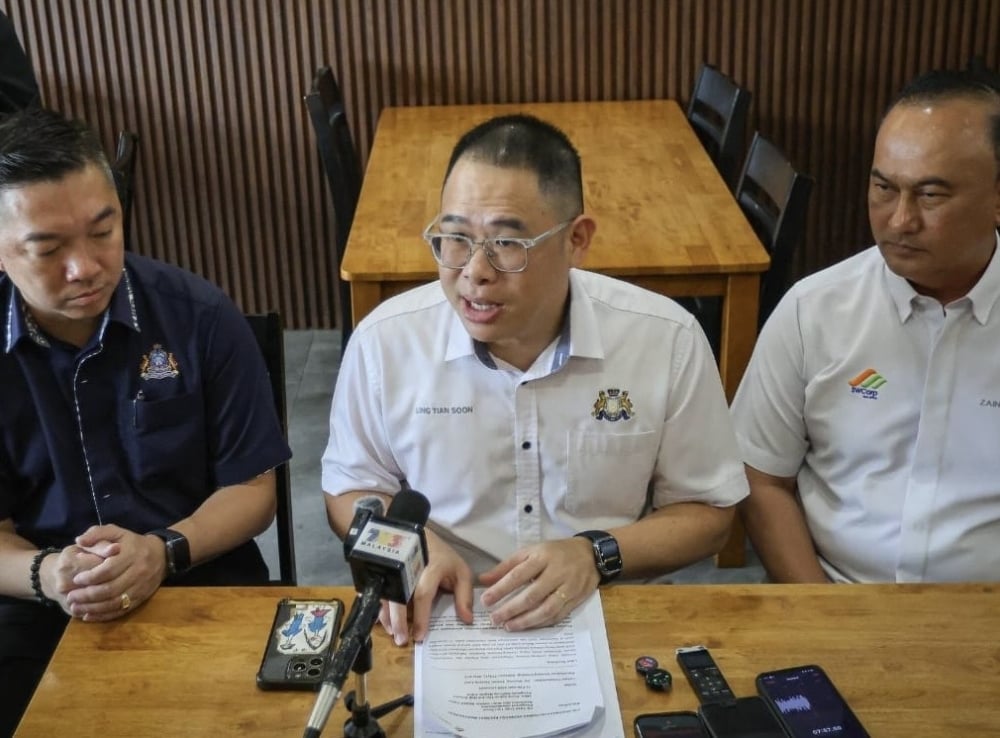
Source: Malay Mail
“The Health Ministry has experience in handling the disease and knows what to do,” he said.
One death was reported in the cluster, but health officials say it was not caused by TB.
What is the TB situation in Singapore?
According to Singapore’s Communicable Diseases Agency (CDA), TB is considered endemic in Singapore and latent TB infection (LTBI) is not uncommon.
In 2024, there were 1,156 new cases of active TB among Singaporean residents. This is lower than 1,201 in 2023 and 1,251 in 2022.
As for travel plans, an expert speaking to the Straits Times thinks there is no need to change or cancel trips to Johor because of TB.
However, he encouraged individuals to look out for travel advisories from the Ministry of Foreign Affairs (MFA) and to keep updated with local health guidelines.
Wearing a mask outdoors would also be advisable.
At the time of writing, the MFA has not released a travel advisory for Malaysia.
What to do if you are exposed to tuberculosis
To prevent TB infection and spread, the WHO recommends seeking immediate medical attention if you have symptoms such as persistent coughing or sudden weight loss.
Early detection and treatment will help stop the disease from spreading as well as aid in faster recovery.
CDA also recommends maintaining good ventilation if you are in the same room as someone with TB.

Source: Mélissa Jeanty on Unsplash. Image for illustration purposes only.
Practicing good hygiene, especially frequently washing your hands with soap and water, also helps.
If you already have TB, the CDA also recommends practicing cough hygiene, by covering your coughs and sneezes with a tissue, to prevent infecting other individuals.
For those with LTBI, or a high risk, there are also TB preventive treatments. According to the CDA, this is only offered if suitable.
How to treat tuberculosis
If you find yourself with active TB, then the main form of treatment is through antibiotics.
According to the CDA, the combination of medicines is often taken for at least six to nine months. To prevent the bacteria from being resistant to medication, it is important to go through the full treatment, even if you feel better.
Otherwise, the disease becomes increasingly difficult for doctors to treat.
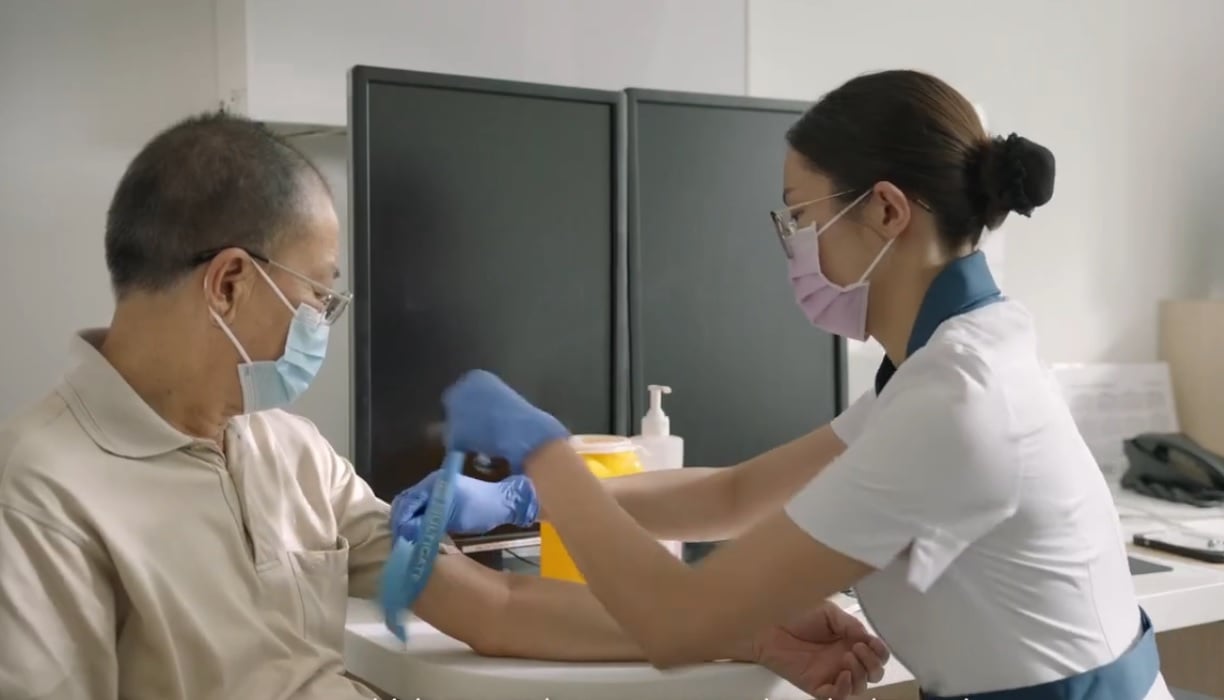
Source: Communicable Diseases Agency (CDA) on YouTube. Image is for illustration purposes only.
Ideally, patients will take their medicine under the care of a healthcare worker.
For Singaporeans, there are two facilities in the country that specialise in dealing with TB cases: the National Tuberculosis Care Centre and the National Tuberculosis Screening Centre.
Contact details and addresses are available on this CDA page.
Also read: How deadly is the Nipah virus & should S’poreans be worried?
How deadly is the Nipah virus & should S’poreans be worried?
Have news you must share? Get in touch with us via email at news@mustsharenews.com.
Featured image adapted from Communicable Diseases Agency (CDA) on YouTube and Science Photo Library on Canva. Images are for illustration purposes only.