
Ong Ye Kung says private hospitals & private insurance ‘tied in a knot’ following GE’s suspension of pre-authorisation certificates
In late June, insurance group Great Eastern (GE) announced a temporary suspension of the issuance of pre-authorisation certificates for those seeking care at Mount Elizabeth hospitals.
This move left many Singaporeans concerned, and the Ministry of Health (MOH) has been engaging in talks with GE to understand its decision.
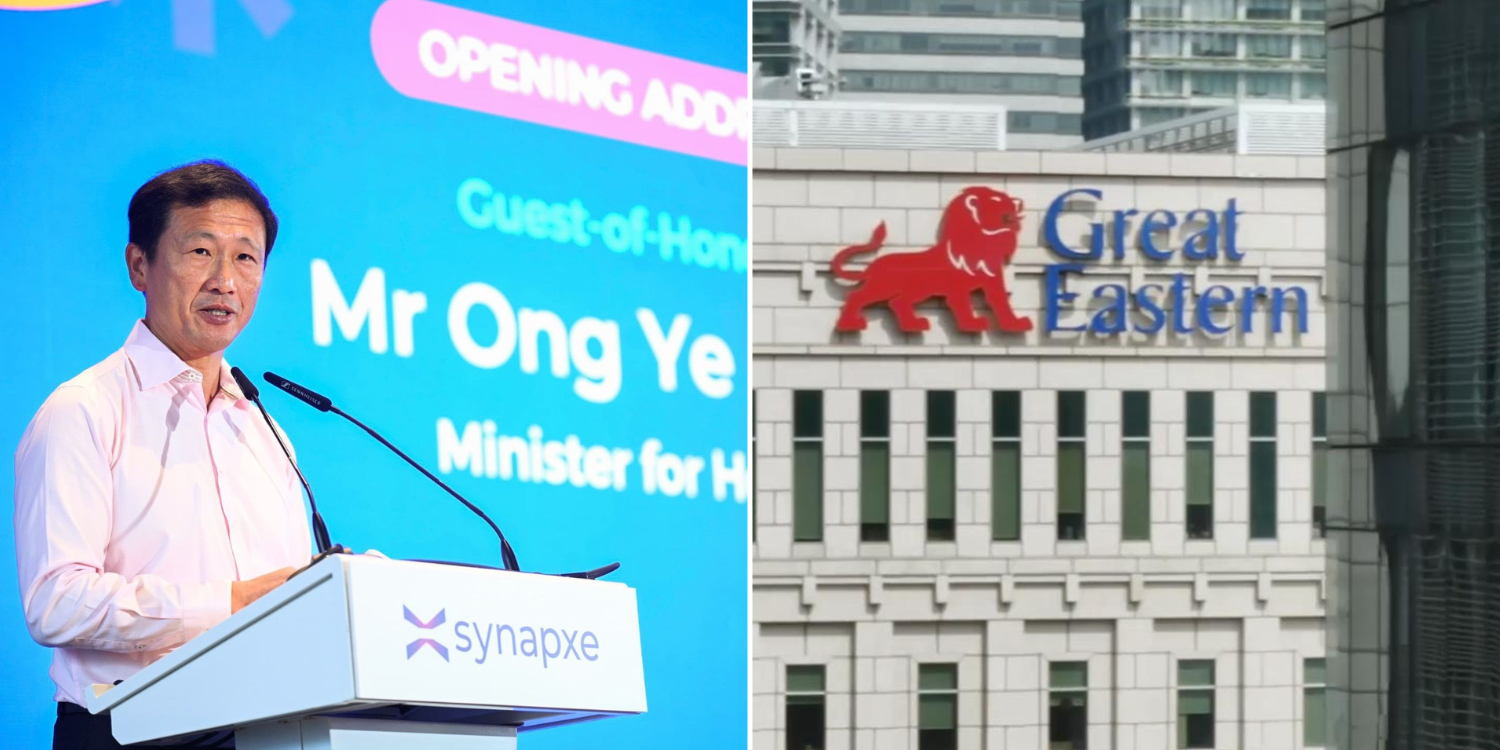
In a Facebook post today (1 July), Minister for Health, Ong Ye Kung, has weighed in, describing the situation as one where private health insurers and hospitals have “tied themselves up in a knot”.
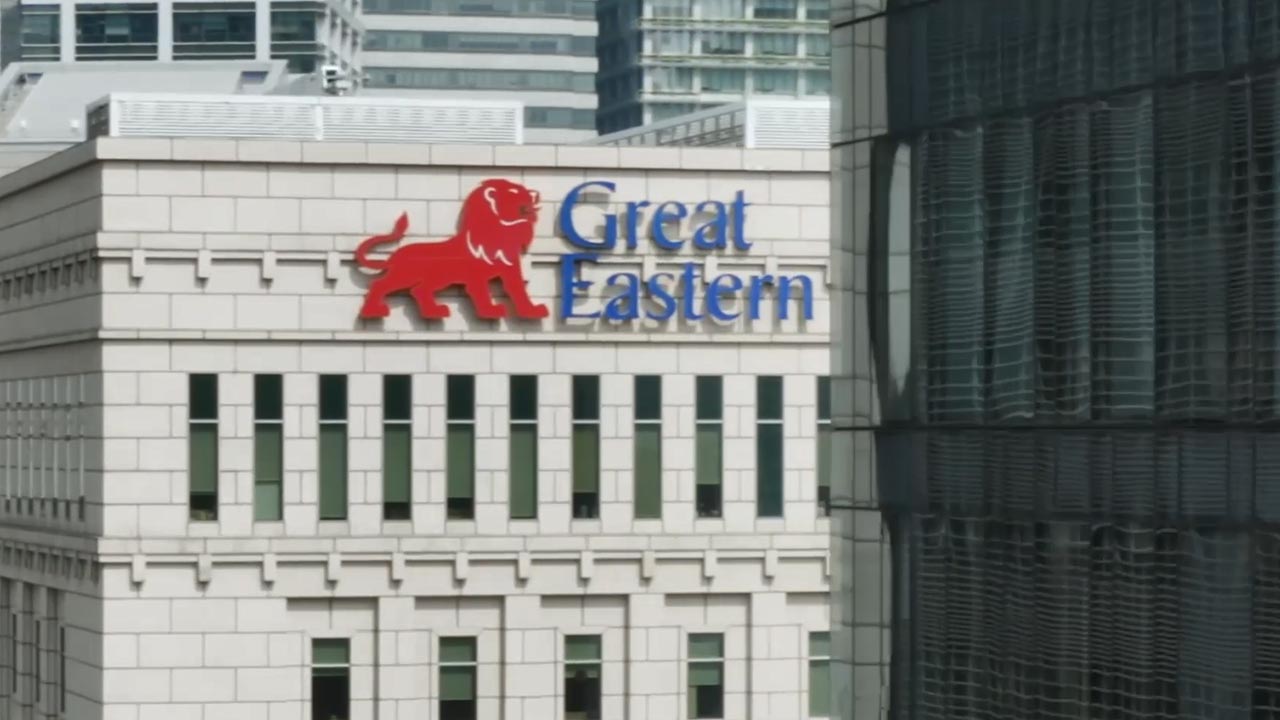
Source: Great Eastern
Private health insurers & hospitals are ‘tied up in a knot’: Ong Ye Kung
Mr Ong began by clarifying the implications of GE’s decision. He stressed that the suspension only affects private insurance policyholders at private hospitals.
“Patients at our public hospitals are not affected by Great Eastern’s latest actions,” he wrote.
According to Mr Ong, a “big factor” in the issue is the insurance product design.
To win customers, insurers have historically offered “as-charged” coverage and generous riders that shield policyholders from almost any out-of-pocket cost.
However, when patients are insulated from costs, he warned, overconsumption of medical services becomes more likely.
“It is just human nature,” he said.
Citing data, he pointed out that patients with full riders are 1.4 times more likely to make claims compared to those without. The size of claims is also, on average, 1.4 times that of a patient without riders.
This unsustainable trend has left insurers in a bind: premiums no longer cover claims.
“Private health insurers and private hospitals have gotten themselves tied up in a knot, to the detriment of all stakeholders, including patients,” he said.
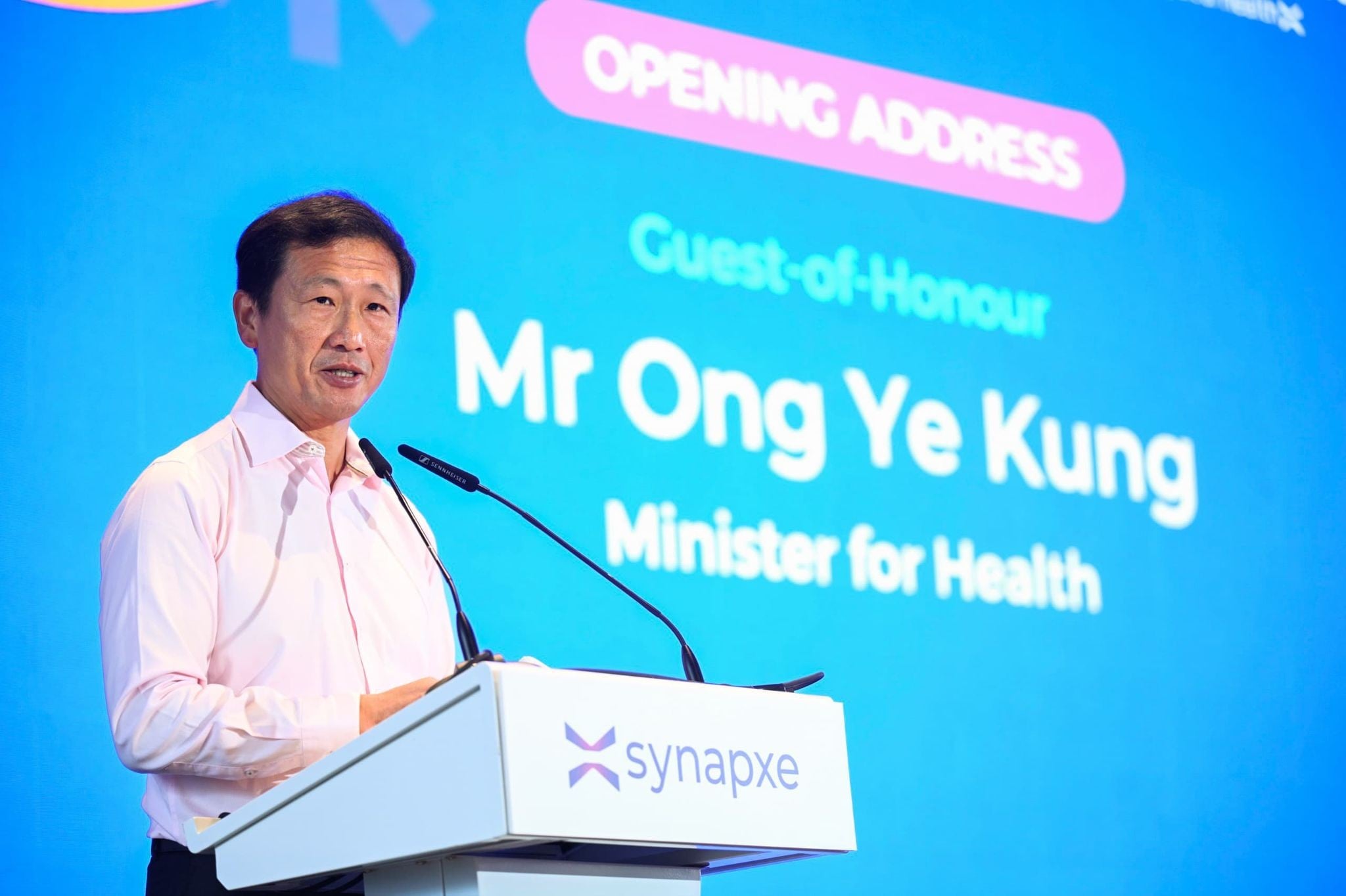
Source: Ong Ye Kung on Facebook
Insurers react by raising premiums, tighter regulations
To stay afloat, insurers have responded in two major ways.
First, they’ve imposed stricter safeguards, such as limiting claims to a panel of preferred doctors and suspending pre-authorisation, as GE did with Mount Elizabeth hospitals. Second, rider premiums have spiked.
Unsurprisingly, many policyholders — especially seniors — are dropping their riders altogether.
“They realised that it is not worth paying almost ten thousand dollars or more of rider premiums every year,” wrote Mr Ong.
The rising premiums and increased restrictions have left policyholders “unhappy”. Healthcare providers are also finding it harder to make claims, and insurers struggle to stay viable for their health portfolios.
Given these developments, Mr Ong said that they see more patients with private insurance opting for subsidised public healthcare.
Now, public healthcare accounts for about 80% of hospital beds in Singapore, but provides care for 90% of all inpatients.
“It will come under increasing pressure,” he stated, adding that “no one is happy”.
MOH intervened in 3 ways: Ong Ye Kung
“MOH has intervened in a few ways,” Mr Ong continued.
Since 2018, they have introduced benchmarks for private professional fees. This is to guide pricing and safeguard against over-charging.
“We are now studying the possibility of going beyond professional fees, by introducing more benchmarks for hospital charges,” he wrote.
MOH has also taken disciplinary action against doctors who make errant claims. Some were sent for refresher courses, while others were suspended from claiming MediSave or MediShield Life.
Lastly, Mr Ong emphasised the need for more private hospital options, especially affordable ones such as Mount Alvernia Hospital.
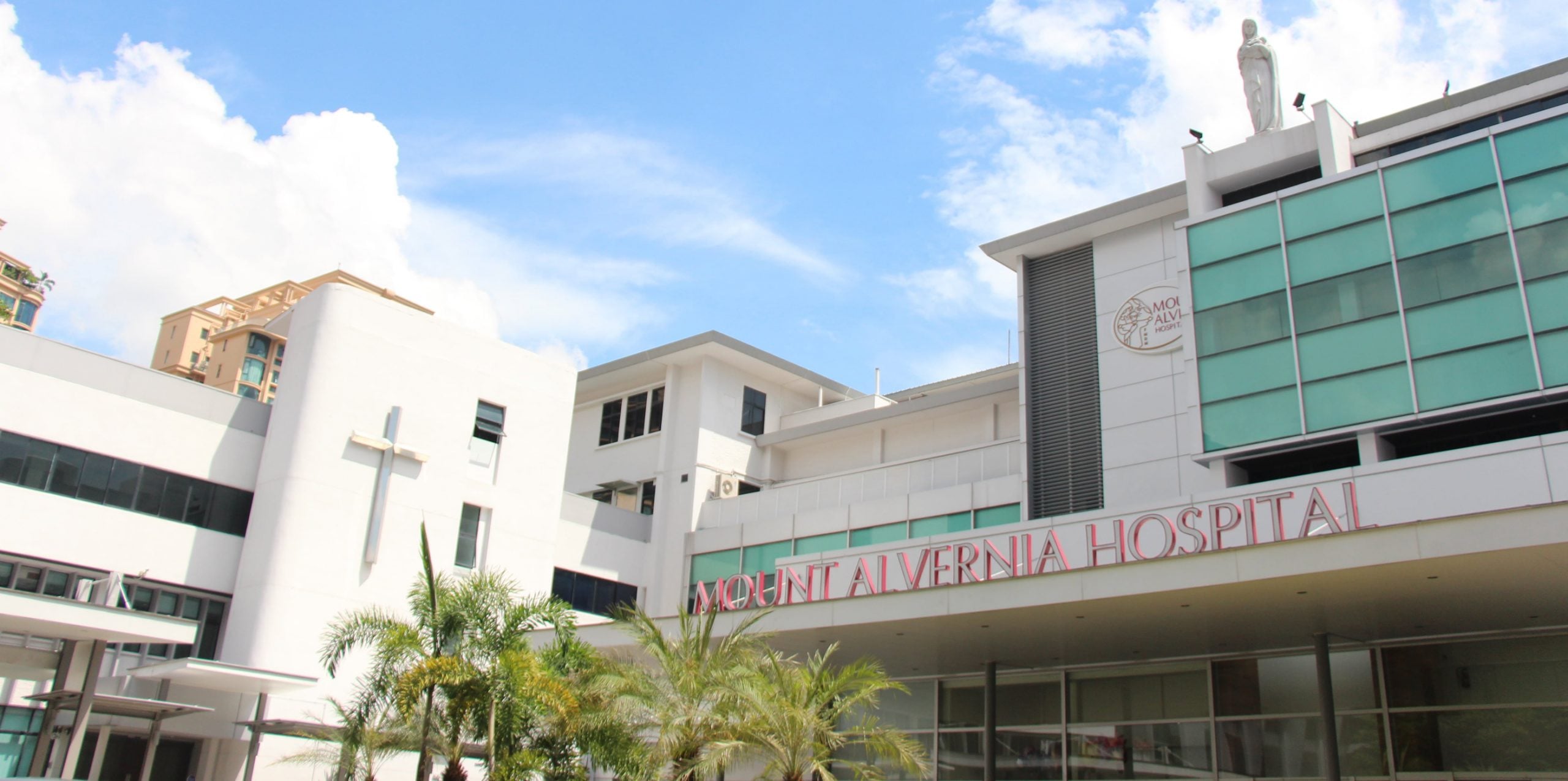
Source: Mount Alvernia Hospital
They are thus exploring the possibility of a new “not-for-profit private hospital”.
But even if this decision is to be taken further, he noted that it will take a few years.
‘Every stakeholder needs to do its part’
“Ultimately, private insurers need to take a hard and realistic look at their product design, particularly those of riders,” Mr Ong stressed.
He acknowledged that some insurers have begun offering more affordable alternatives with higher co-payments, cutting premiums by nearly half. He urged financial advisors to promote these as “sensible options”.
More importantly, he said, such riders can dull the incentive to over-service or over-charge, while still providing a safety net against large hospital bills.
Mr Ong ended his post by saying that the current model of private healthcare financing is “clearly unsustainable”.
“Every stakeholder needs to do its part, so that step by step, this knot can be gradually loosened and untied,” he said.
Otherwise, everyone loses.
He concluded by assuring the public that “MOH will be facilitating this untying process”.
Also read: MOH in talks with Great Eastern over suspension of Mount Elizabeth pre-authorisation
MOH in talks with Great Eastern over suspension of Mount Elizabeth pre-authorisation
Have news you must share? Get in touch with us via email at news@mustsharenews.com.
Featured image adapted from Ong Ye Kung on Facebook and Great Eastern.