
MS Explains: How to find a reputable pet breeder in Singapore
Having pets is highly rewarding — they help decrease feelings of stress and loneliness, and liven up your home.
If you’re looking to get your first pet or add a new four-legged member to your family, there are several options you can take.
While adoption is a wonderful choice, some opt to get their pets from breeders so their pets can have predictable health and temperament.
If you’re planning to take this path, MS News spoke to the Society for the Prevention of Cruelty to Animals (SPCA) to find out the crucial things to note to ensure you’re getting healthy animals and not supporting illegal and/or unethical breeders.
Where to find reputable pet breeders in Singapore
The National Parks Board (NPARKS) has a public registry of Animal & Veterinary Services-licensed (AVS) pet breeders on its website.
However, in addition to ensuring the pet breeder is licensed, SPCA says prospective pet owners should research thoroughly and only purchase animals from breeders who are transparent about their practices.
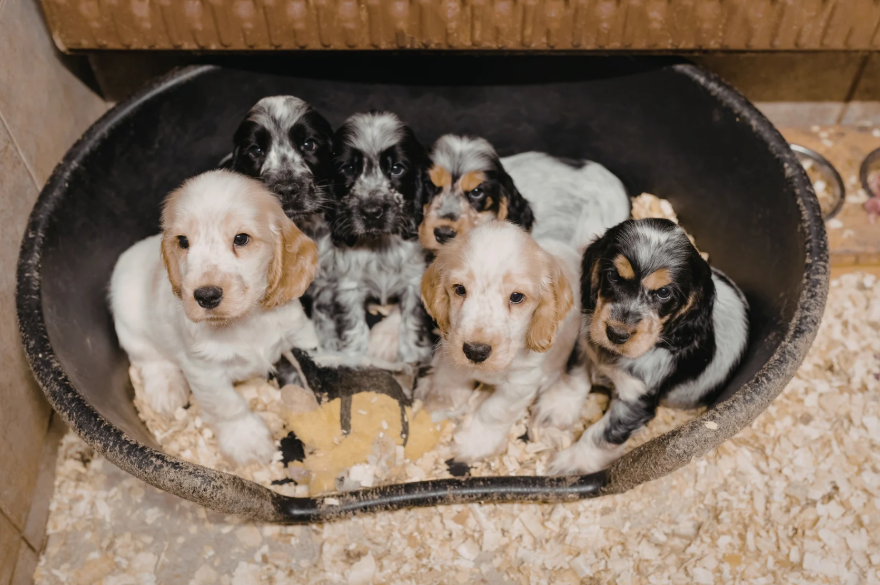
Image courtesy of Moisescu Florentina’s Images on Canva. For illustration purposes only.
The SPCA also advises the public against buying animals from online marketplaces, unverified sellers, or sellers who do not allow visits to the breeding premises.
This is because these are often linked to irresponsible breeding operations or illegal puppy farms.
Some pet shops may also sell animals sourced from breeders, the SPCA told MS News.
As such, it urges buyers to ask where the animal was bred, whether the breeder is licensed, and to ask for documentation of origin and veterinary care when buying from pet shops.
Responsible breeder vs puppy farmer
Besides being AVS-licensed, SPCA describes responsible breeders as those who:
- Maintain clean, enriched environments with sufficient space
- Limit the number of litters per breeding animal and avoid overbreeding
- Provide regular veterinary care, vaccinations and proper socialisation
- Are transparent about health records and breeding practices
- Screen potential buyers to ensure the animal is going to a suitable home
Documentation helps ensure traceability and accountability within the breeding industry.
Meanwhile, the signs of irresponsible breeders or puppy farmers include:
- Refusing visits to the breeding premises
- Selling animals through anonymous online listings or intermediaries
- Keeping animals in cramped, dirty or barren conditions
- Having multiple litters or many breeds available at once
- Animals showing signs of poor health, such as lethargy, untreated wounds or discharge from the eyes or nose
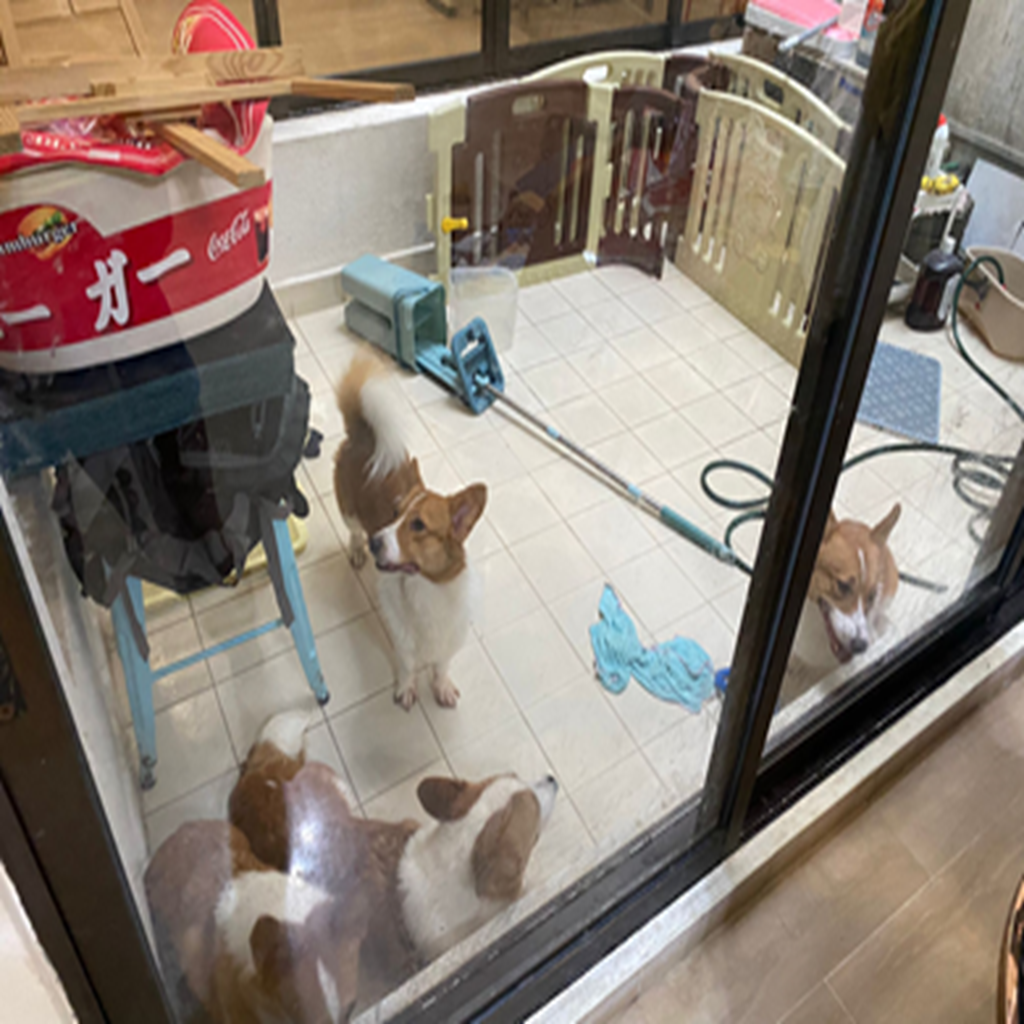
Source: NParks
For a more extensive checklist, prospective pet owners can check out AVS’ terms and conditions for cat and dog breeding.
If you suspect animal cruelty or find animals kept in poor conditions, the AVS advises taking note of details such as the breeding facility’s address, gathering evidence, and reporting the case to them.
Things to note to ensure healthy pets
The sale of puppies under nine weeks old and the sale of kittens under twelve weeks are prohibited by the AVS.
The SPCA explained:
The first weeks of life are critical for their development, as they rely on their mother for nutrition, immune support and important behavioural learning from both the mother and their littermates.
“Separating them too early can lead to health vulnerabilities and behavioural issues later in life, as they may miss out on essential early socialisation,” they added.
The SPCA also noted that the animals for sale must appear alert and active, have clear eyes and nose, as well as clean ears and healthy skin.
They should not show signs of coughing, diarrhoea, or lethargy.
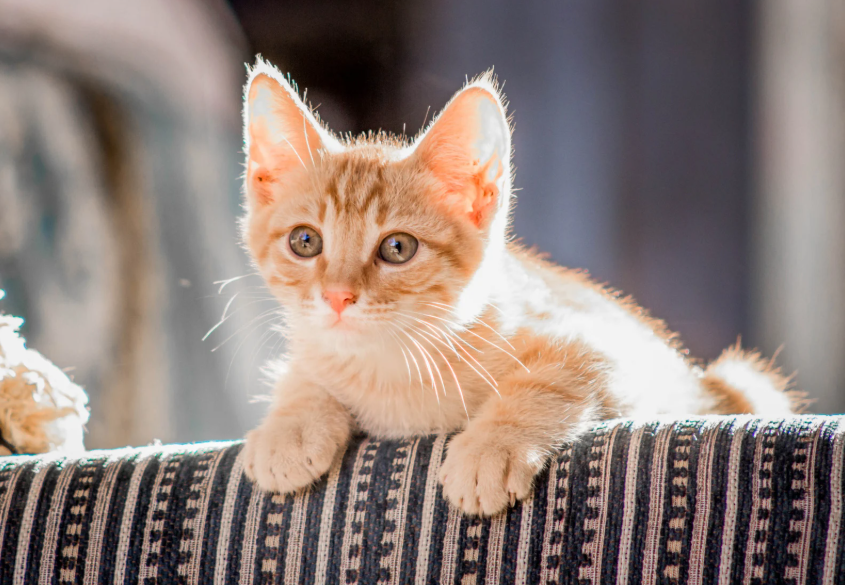
Image courtesy of Samer Daboul on Canva. For illustration purposes only.
Buyers must ask to see the mother and observe her condition and environment to confirm that the animal was bred at the facility and check the conditions of the breeding animals there.
Additionally, the animals must have undergone a veterinary health check and received age-appropriate vaccinations before being sold.
According to AVS’ terms and conditions for breeding, puppies must be vaccinated for distemper, parvovirus, adenovirus, parainfluenza virus, and leptospirosis.
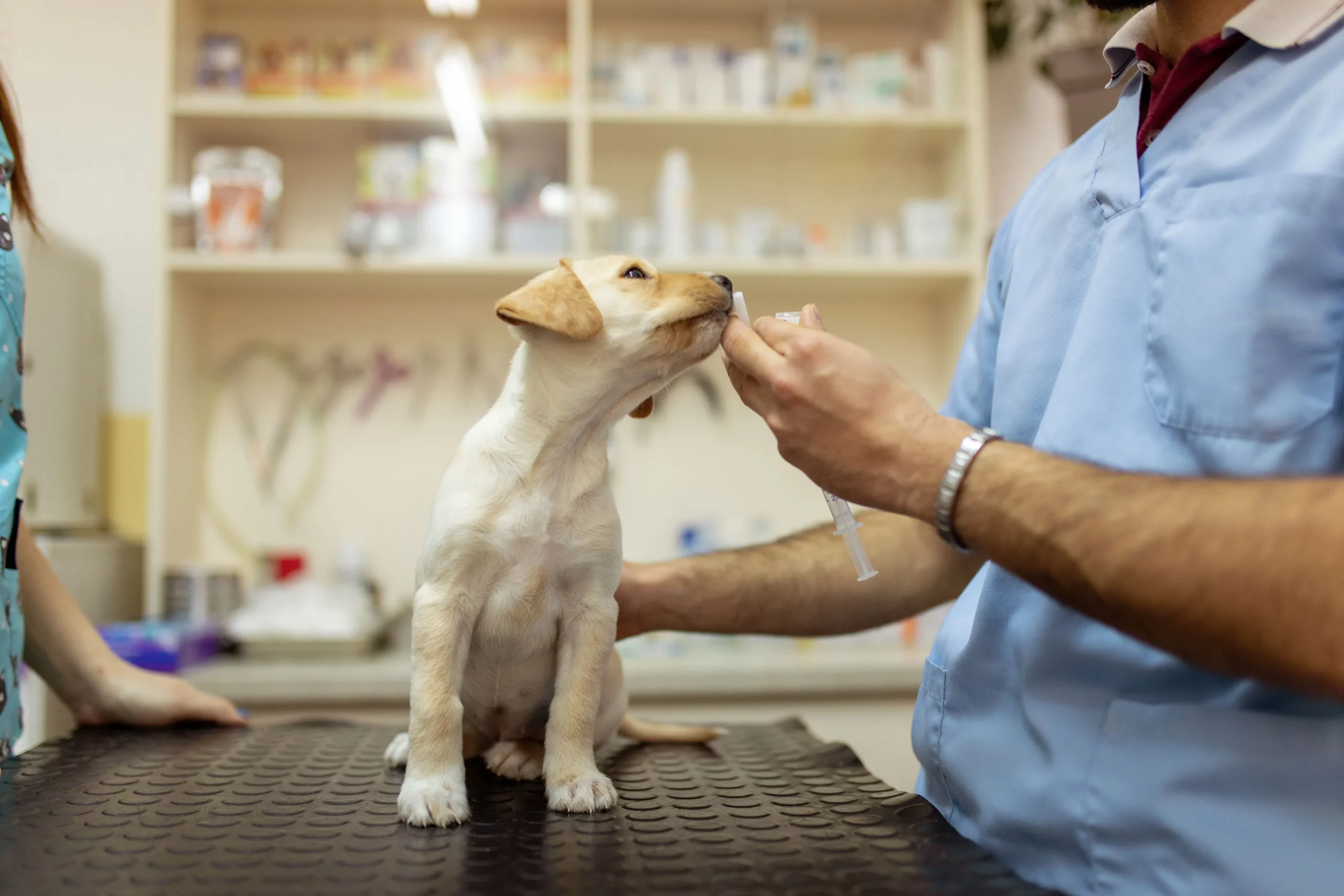
Source: Money
Meanwhile, kittens must be vaccinated for panleukopenia (feline parvovirus), calicivirus, and herpesvirus (feline viral rhinotracheitis).
Animals are also typically microchipped before being transferred to their new owner, the SPCA told MS News.
Important questions to ask and pricing
On top of observing the items above, prospective pet owners can ask some important questions to mitigate the risk of getting animals with poor health or supporting unethical breeders.
The SPCA says these should include finding out how often the mother is bred, if the animal has been socialised, and if the breeder offers any support if issues arise after purchase.
The AVS’ terms and conditions for breeding stipulates that a female dog or cat should not be mated under 12 months or above 6 years of age, at the first heat, or if she has previously undergone two caesarean sections.
She should also not be made to birth more than one litter of puppies/kittens within 12 months.
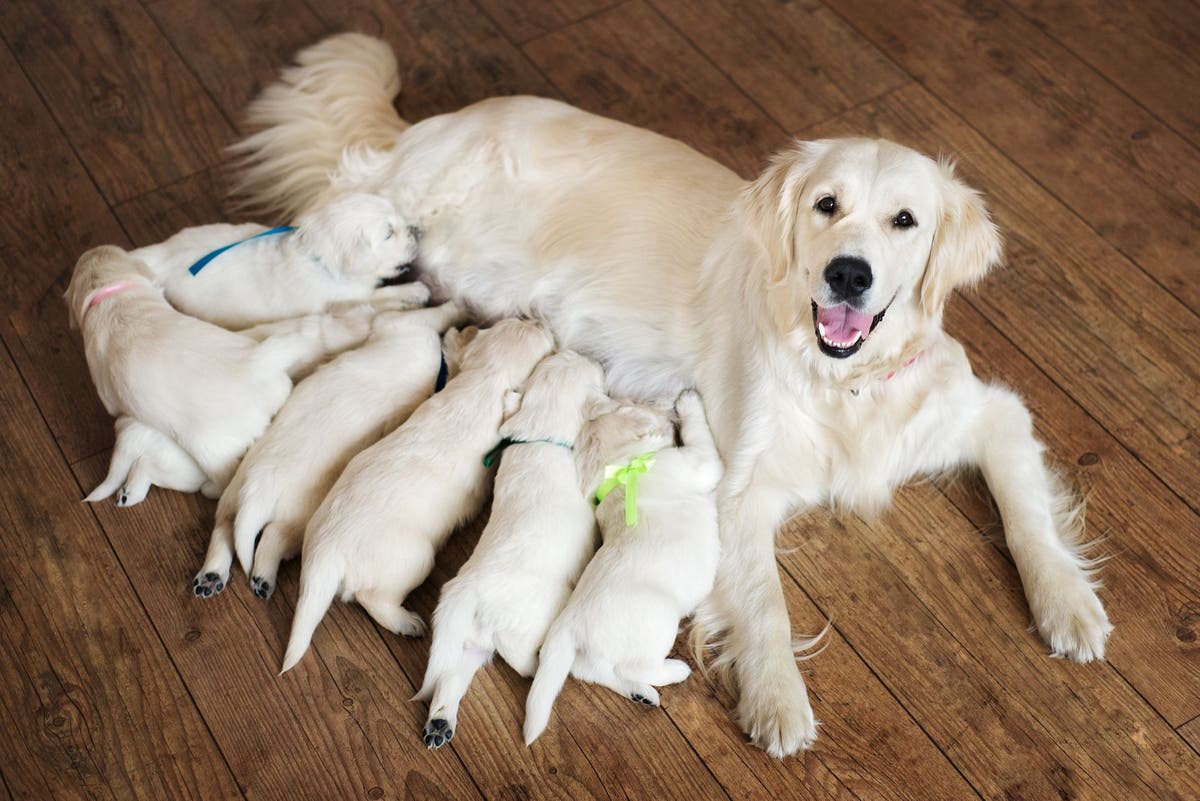
Source: Pet Assure
Conversely, a responsible breeder must also ask the buyer about their home and lifestyle to ensure the animal is going to a suitable environment.
As for the pricing on animals from breeders, the SPCA says it can vary widely depending on breed and demand.
However, it cautions that price should not be the primary indicator of responsible breeding.
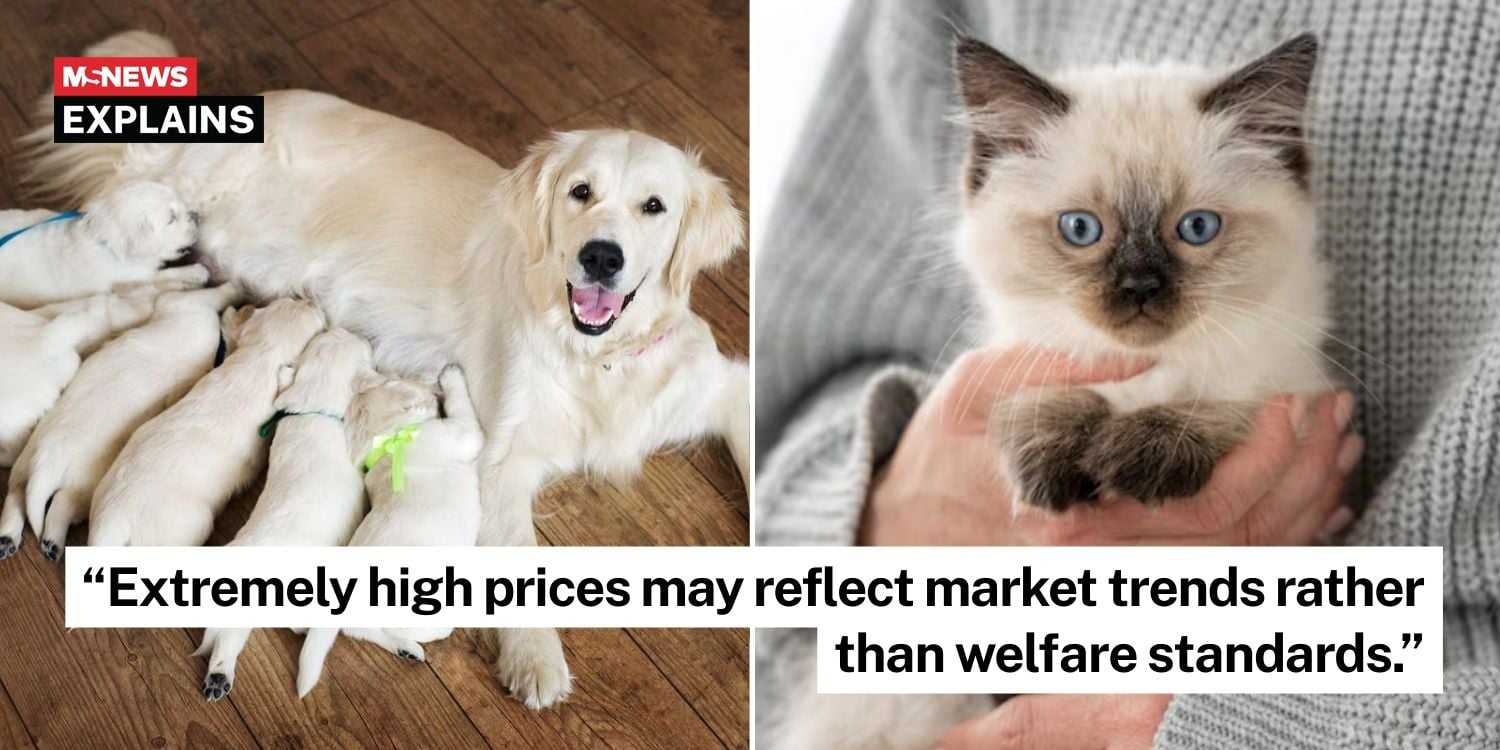
Very low prices may indicate poor breeding practices, while extremely high prices may reflect market trends or designer breeding rather than animal welfare standards.
Instead, the SPCA recommends buyers focus on checking ethical breeding practices, transparency, and the health and welfare of the animals.
Image courtesy of anurakpong on Canva. For illustration purposes only.
Once you’ve decided to make the purchase, the breeder must provide the animal’s vaccination and veterinary health records, microchip documentation, and a sales agreement or contract.
Information on the animal’s diet, care history, and medical background should also be given.
Adopting cats and dogs used for breeding
Meanwhile, if you’re looking to adopt an animal that has been used for breeding, note that they may require additional care and patience as they adjust to life outside a breeding facility.
According to SPCA, they may initially be fearful due to limited socialisation, have medical issues, and present anxiety from adapting to a new home.
However, the organisation assured, “With time, veterinary care and patient adopters, many of these animals adapt well and go on to live happy lives.”
Some owners of ex-breeding dogs have also reported that they can be fully trained and have excellent health and temperament as long as they are from ethical small breeders.
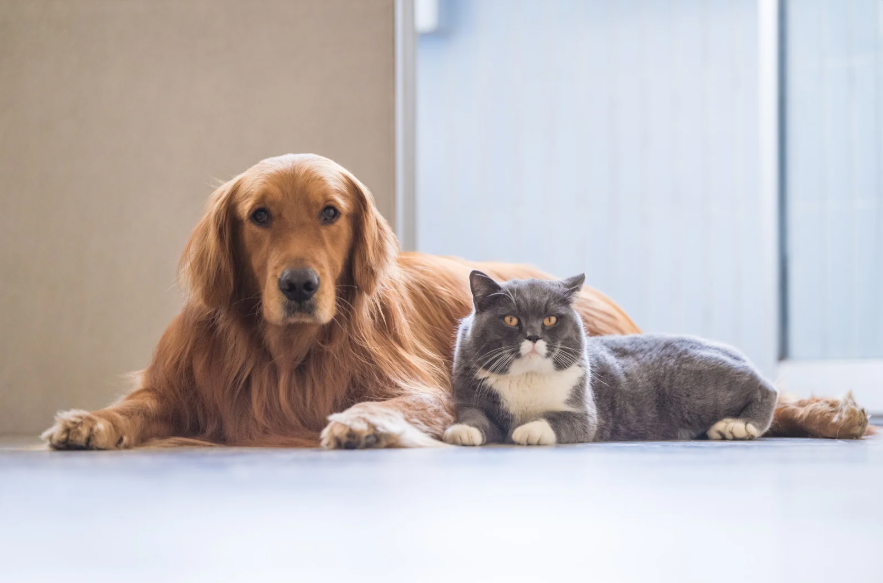
Image courtesy of chendongshan on Canva. For illustration purposes only.
You can adopt ex-breeding cats and dogs, as well as other rescues, from animal welfare groups — including the SPCA.
“The SPCA strongly encourages members of the public to consider adoption before purchasing a pet,” the organisation told MS News.
“Many healthy and loving animals in shelters are looking for homes, including abandoned pets, rescued animals and sometimes former breeding animals.”
The SPCA says it advocates for zero breeding and sale of animals, but is aware that there is demand for it in the country. It also believes that a ban would only drive breeders and sellers underground, making them even harder to regulate.
Also read: What to do if you can no longer care for your pets due to relocation or sudden illness
What to do if you can no longer care for your pets due to relocation or sudden illness
Have news you must share? Get in touch with us via email at news@mustsharenews.com.
Featured image adapted from Pet Assure and Freepik for illustration purposes only.