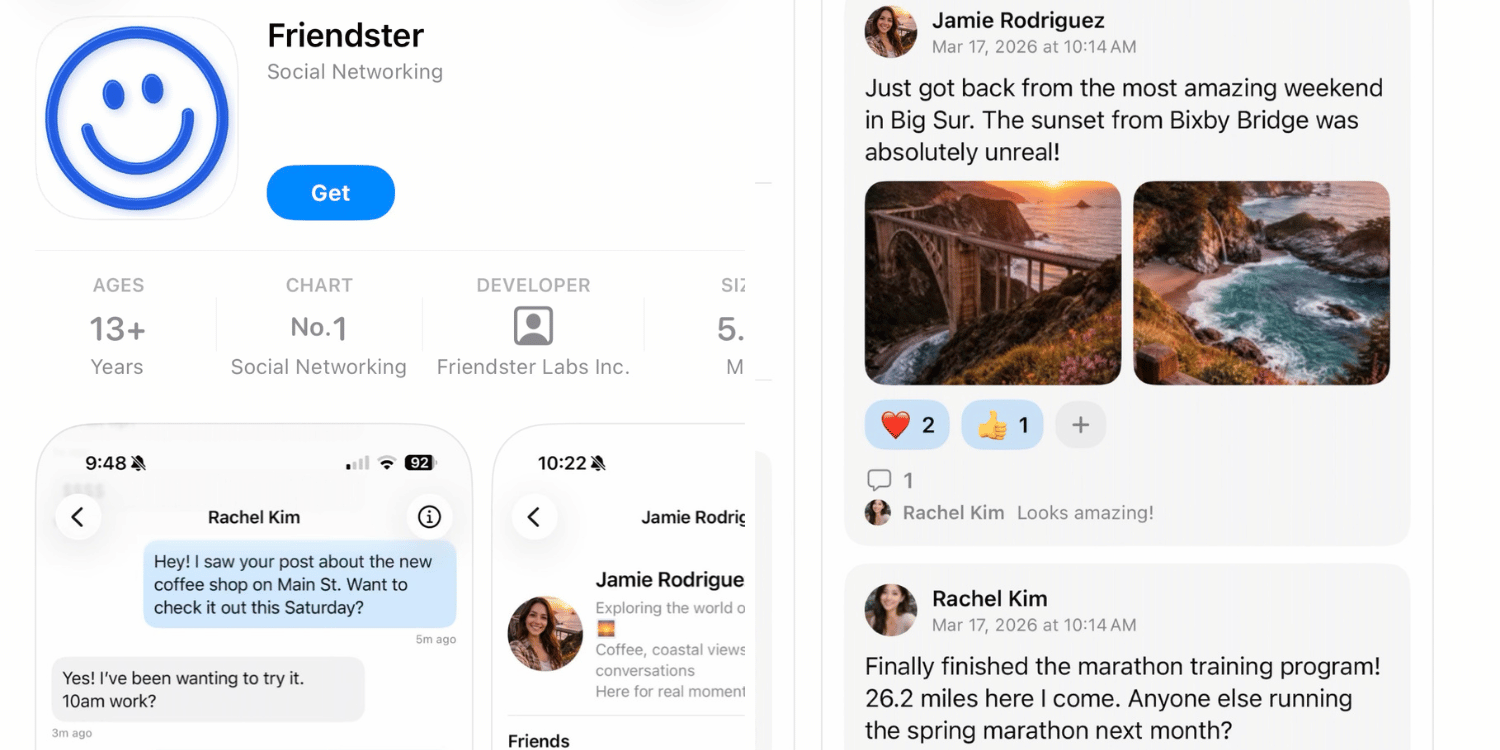

Social media site Friendster returns after more than 10 years
Friendster, the social media website that was popular in the early 2000s, is making a comeback after an entrepreneur bought the platform’s domain name and later acquired its trademarks.
The original site went dead in 2015, before the company officially shut down in 2018.
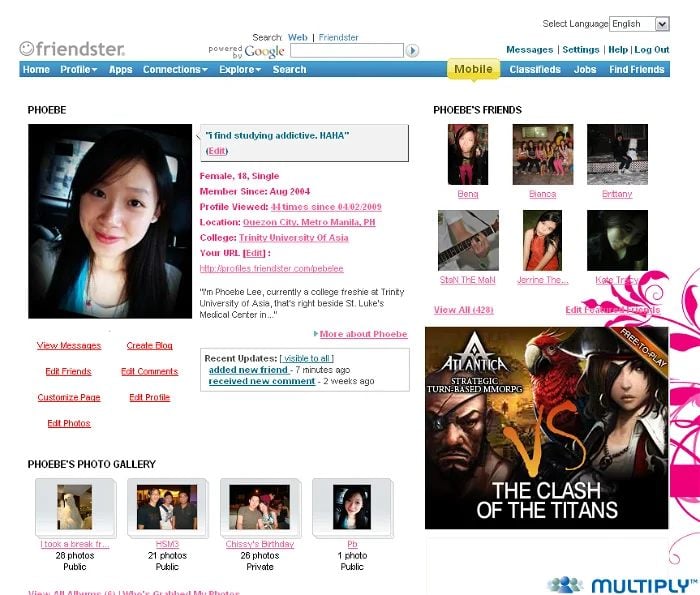
Source: Heritage SG Memories on Facebook
However, long-time users will not be able to access their old accounts, and the new version of Friendster is not quite the same as before.
Instead, the revived platform is taking a different approach from today’s major social media apps, with a focus on real-world connections rather than algorithms, ads, and random friend suggestions.
The app is currently available on iOS, with an Android version reportedly in the works.
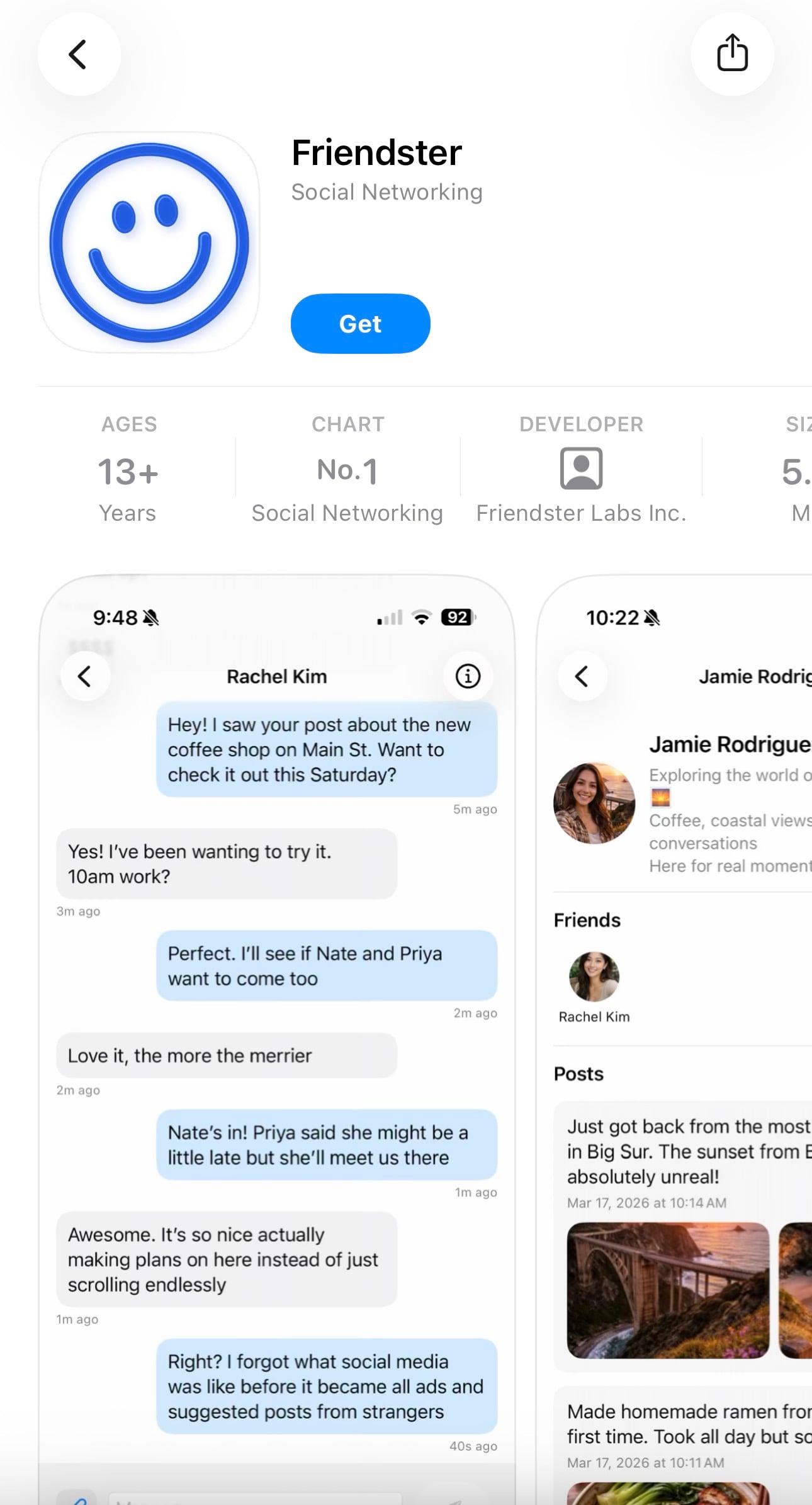
Source: Friendster on the App Store
No ads, algorithms, or random friend suggestions
At a time when social media feeds are often filled with ads, algorithm-driven content, and random follow suggestions, the new Friendster is positioning itself as a simpler, more intentional alternative.
According to the website’s minimalist home page, the platform promises no ads, no algorithms, and no data sales.
“No bots trying to sell you stuff, no spammy DMs from random accounts,” it states. “No engagement bait, no rage farming, no feed manipulation.”
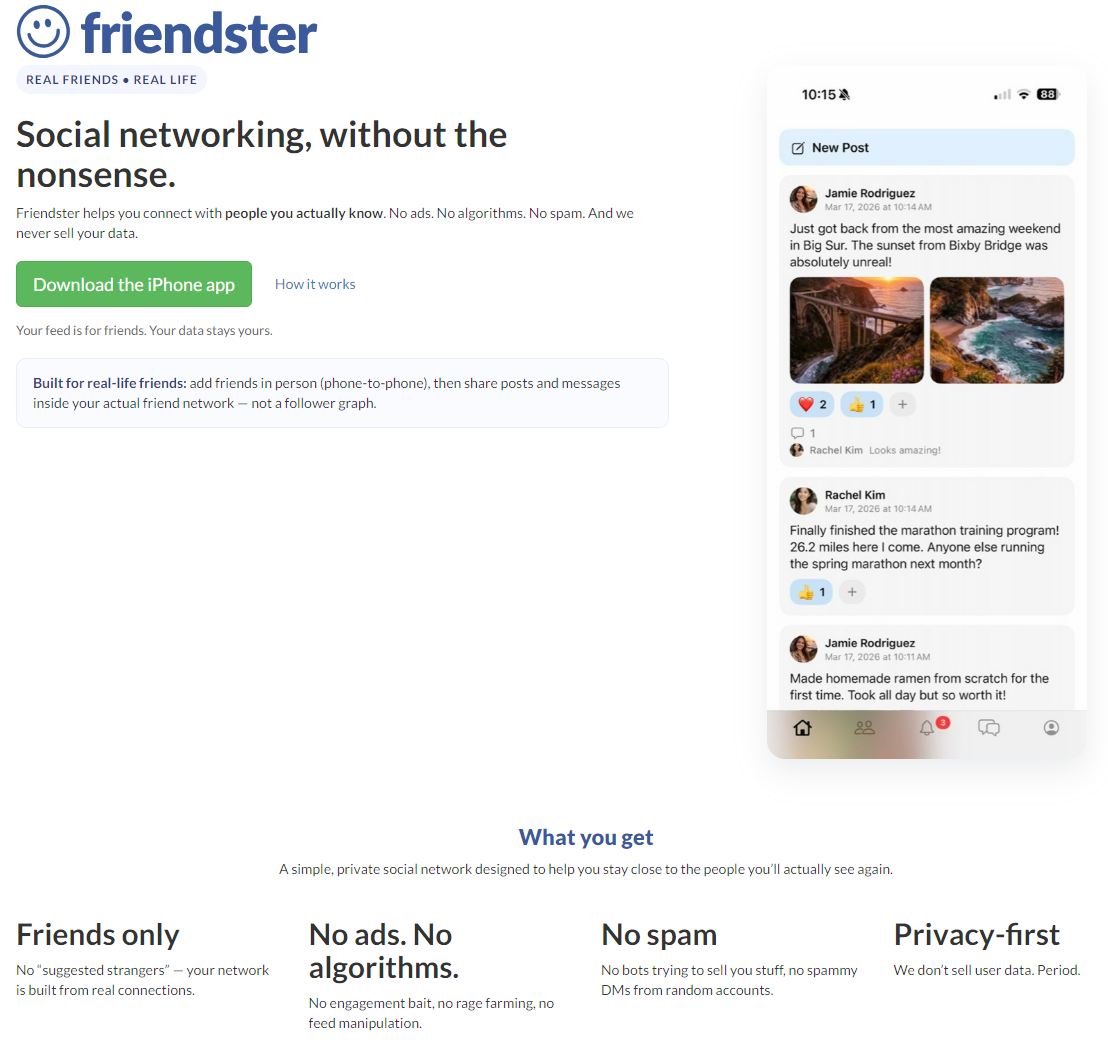
Source: Friendster
Instead of encouraging users to add strangers online, the app focuses on connecting people who actually know each other in real life.
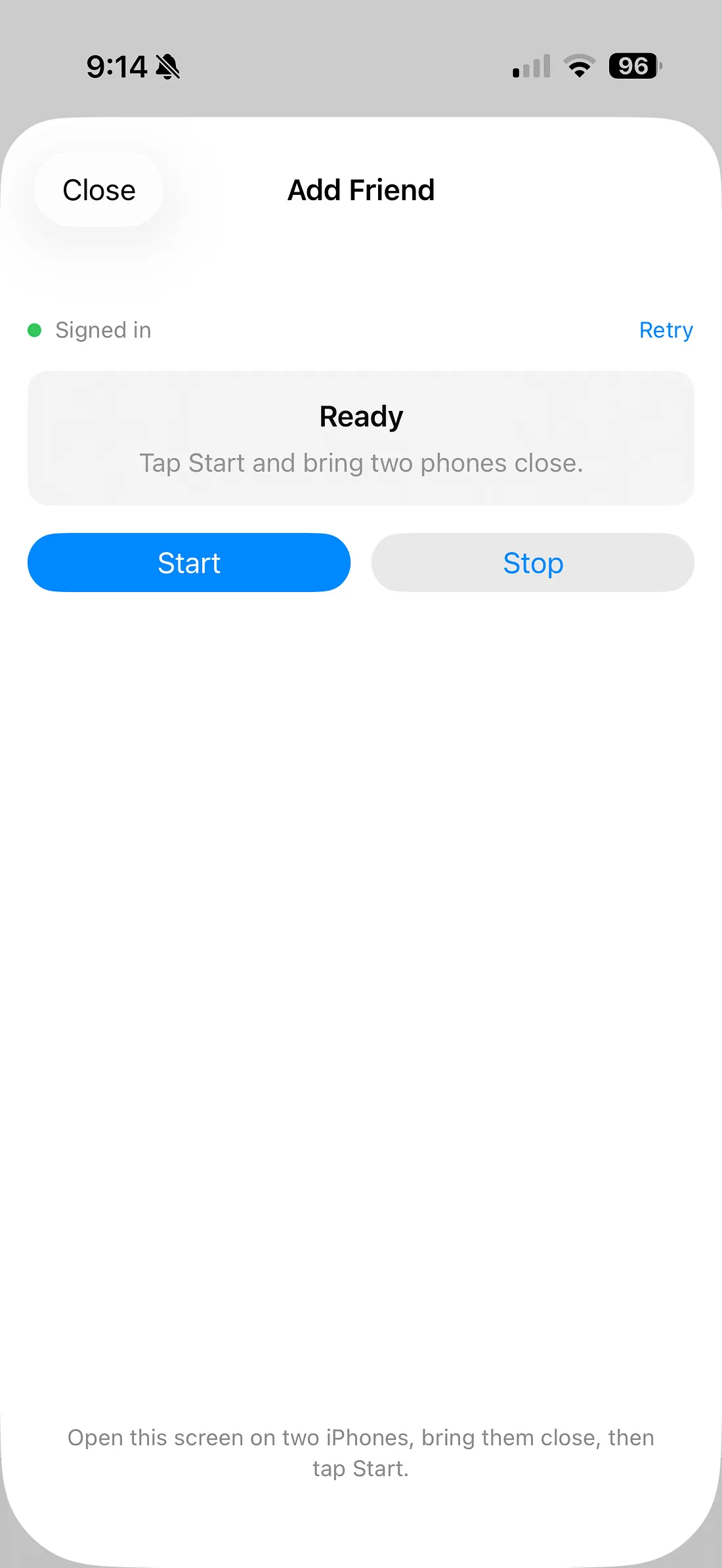
To add someone as a friend, users have to tap phones with them, a feature designed to encourage face-to-face interactions while making unwanted messages less likely.
Entrepreneur buys platform’s domain name and trademarks
In a Medium post, entrepreneur Mike Carson shared how he came to own Friendster’s domain name and trademarks, paving the way for the platform’s revival.
Source: Mike Carson on Medium
Mr Carson said he first noticed in October 2023 that friendster.com was active again, though it was mainly showing popup ads.
He later contacted the domain’s owner, who said he had bought it for about US$8,000 (S$10,200) and was earning ad revenue from the existing traffic.
According to Mr Carson, the owner initially asked for US$40,000 (S$51,200). After some negotiation, they eventually worked out a deal involving US$20,000 (S$25,600) in Bitcoin and another domain that was making about US$9,000 (S$11,500) a year in ad revenue.
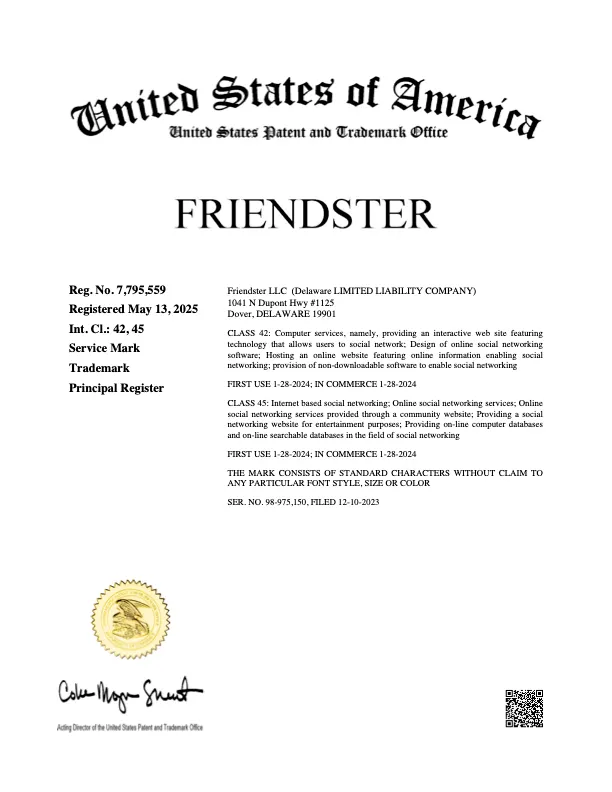
Mr Carson also learnt that Friendster’s trademarks were expiring, and after consulting lawyers, was informed on 13 May 2025 that he had secured them as well.
Phone-tapping feature inspired by online feedback
After that, Mr Carson created a basic version of the social network and invited users from a waitlist.
However, he later found that the promise of no ads, no algorithms, and no data-selling was not enough of a draw on its own.
Seeking feedback, he turned to Hacker News, where one idea stood out: making users connect as friends by tapping phones in person.
So, in the next version of the app, Mr Carson made it so that users could only sign up by tapping phones with someone already on Friendster.
Source: Mike Carson on Medium
The app failed Apple’s App Store review, as Apple said “the usefulness of the app is limited because it seems to be intended for a small, or niche, set of users” only.
Mr Carson later changed it so that anyone could sign up, while keeping the phone-tapping requirement for adding friends.
New Friendster owner wants to create ‘positive’ and ‘enjoyable’ platform
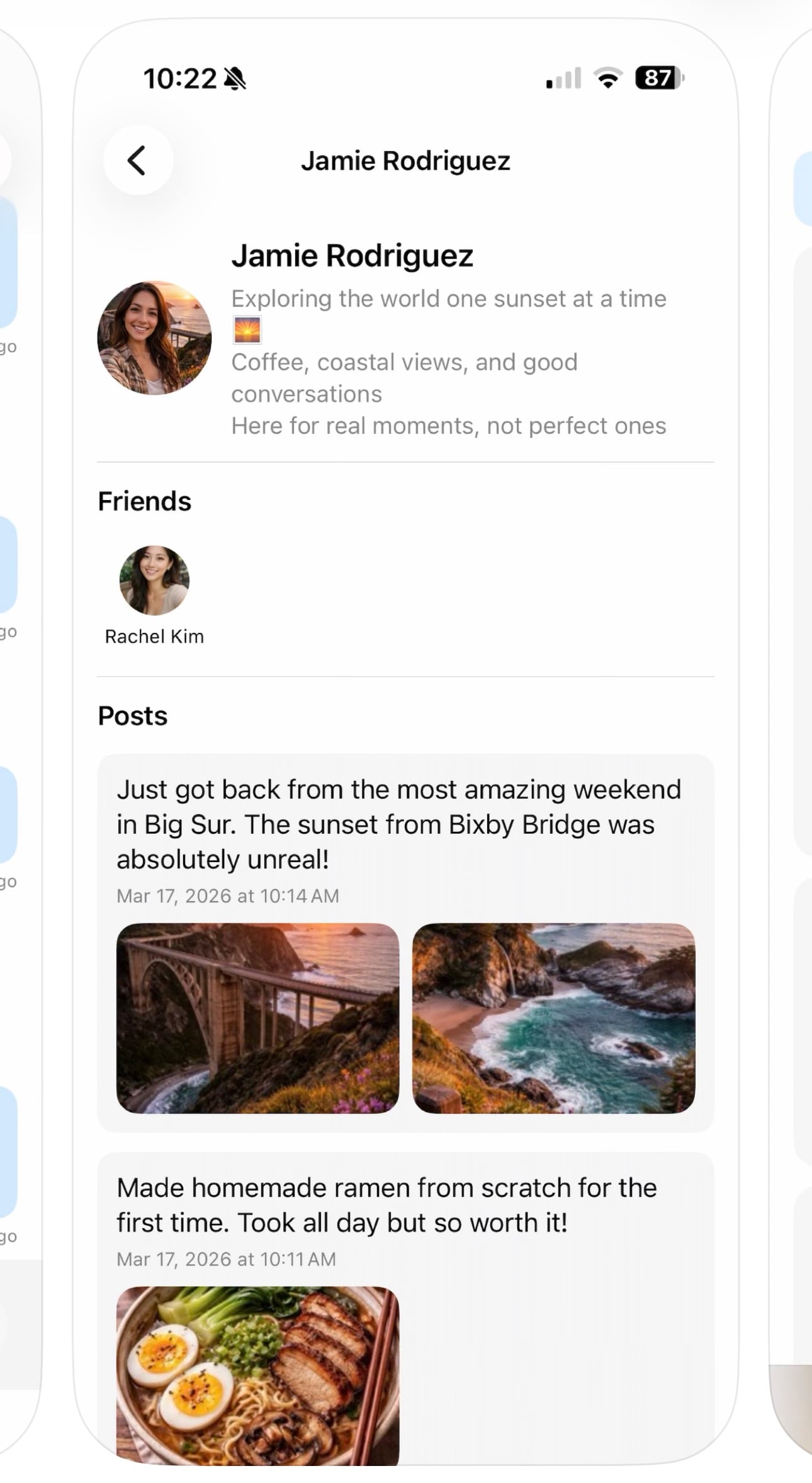
Mr Carson said he revived Friendster because he wanted to create something positive that people would enjoy and find useful.
He wrote that while many social networks today foster negativity, he remembered Friendster as a largely positive and enjoyable experience, apart from its occasional loading issues.
Source: Friendster on the App Store
Although he said making money is not his main priority, he hopes the app will eventually be able to sustain itself, adding that he may offer a paid plan with premium features in the future.
Explaining why he wanted to build the new Friendster, Mr Carson shared that he and his wife met on OkCupid, adding that such websites can genuinely change people’s lives by helping them meet, fall in love, and build families.
For him, the revived Friendster would be worthwhile if it helps even a small number of people form that kind of meaningful connection.
Also read: ‘Focus on products, not profits’: Netizens share hopes for Apple’s next chapter under John Ternus
‘Focus on products, not profits’: Netizens share hopes for Apple’s next chapter under John Ternus
Have news you must share? Get in touch with us via email at news@mustsharenews.com.
Featured image adapted from Friendster on the App Store.