
‘Difficult to breed’ Philippine cockatoo hatches in Bird Paradise
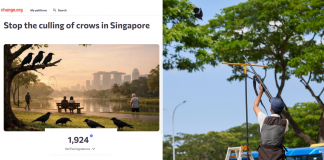
Four months ago, Bird Paradise saw its first successful hatching of a critically endangered Philippine cockatoo.
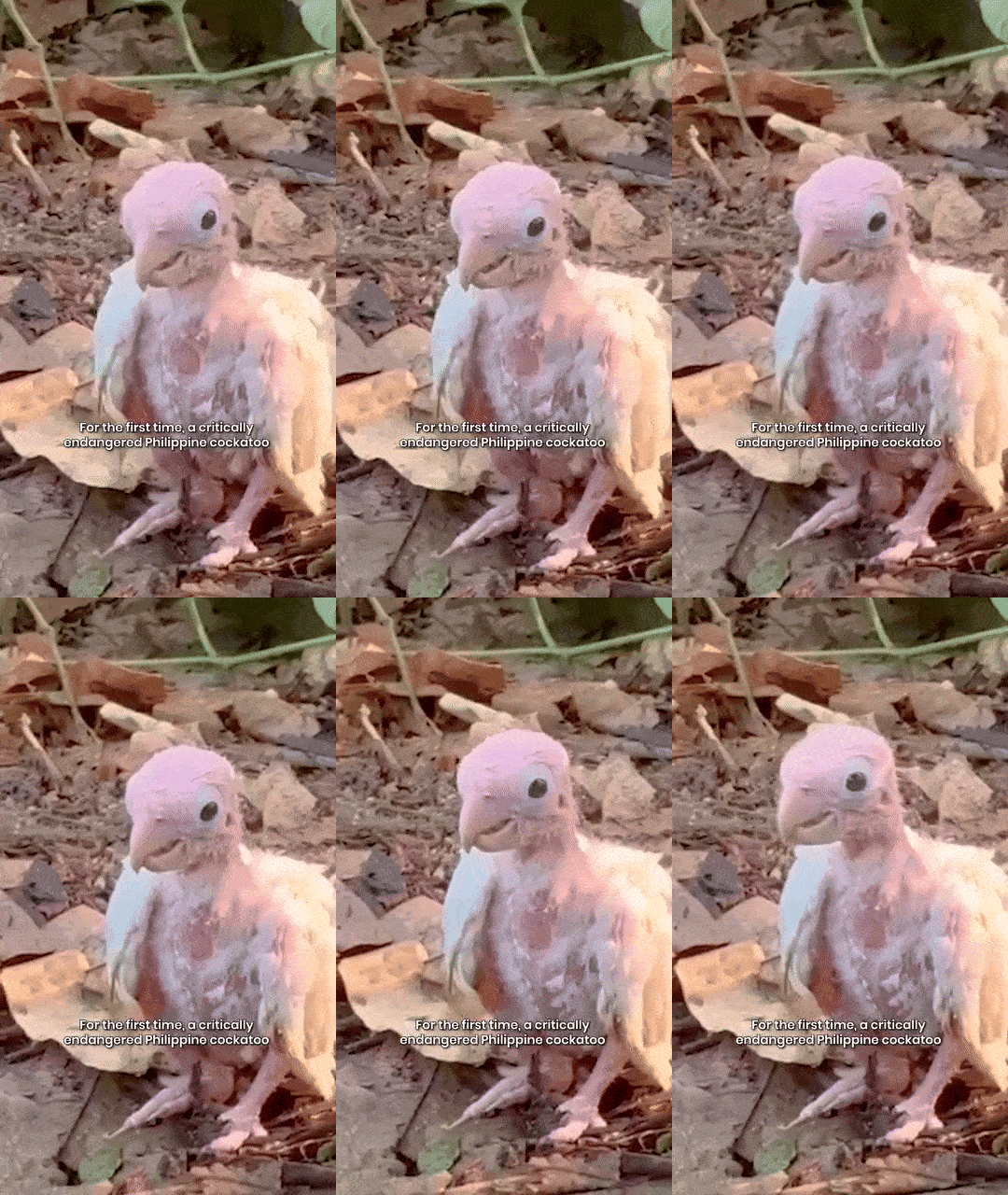
Mandai Wildlife Group announced the important milestone only yesterday (16 Oct), even posting adorable behind-the-scenes footage of the chick.
The hatching of the chick not only contributes to breeding research but also offers hope for conservation efforts.
Courtesy of Mandai Wildlife Group
Philippine cockatoo chick has commenced its first exploratory flights
In a media release seen by MS News, Mandai Wildlife Group said that there was “cautious optimism” for a successful outcome this breeding season as the chick’s parents had not bred in more than a decade.
This time, however, they succeeded in their efforts.
Keepers had left the nestbox undisturbed to minimise human interference during the nesting phase.
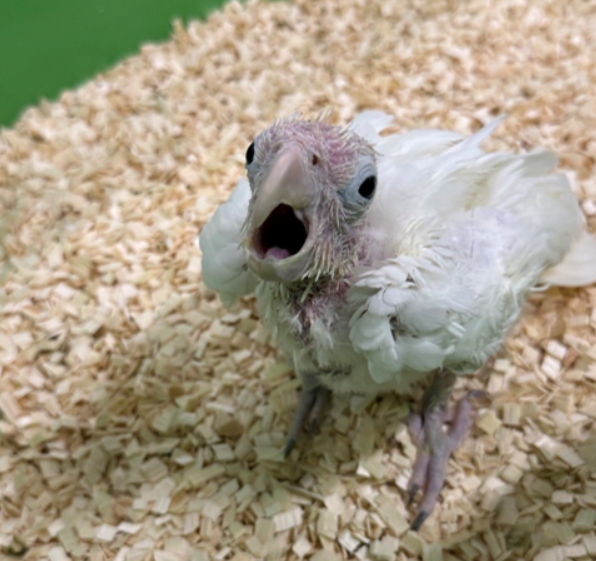
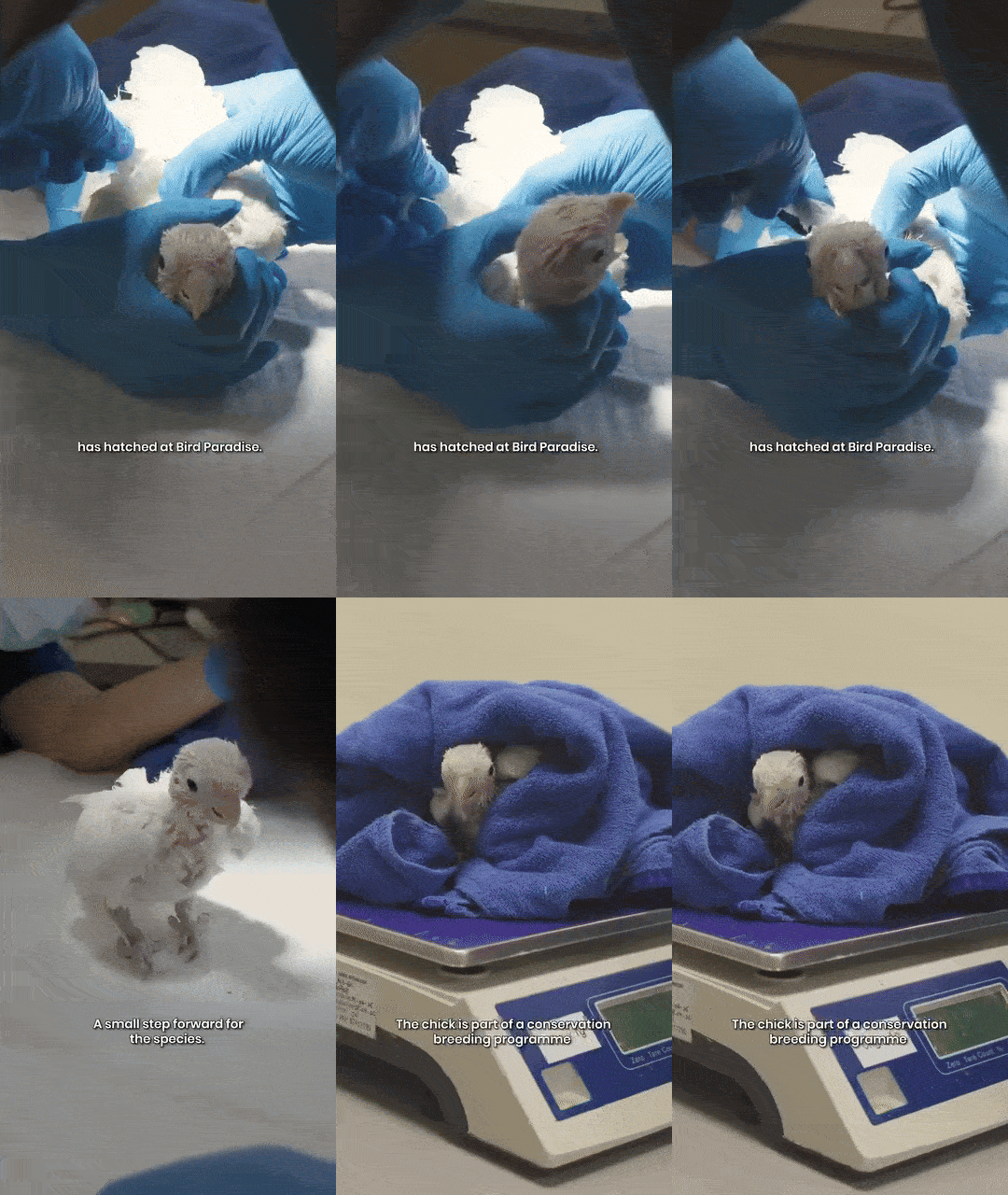
However, they intervened when they found the chick on the ground outside the nest — likely a result of the parent birds’ inexperience.
Source: Mandai Wildlife Reserve on Facebook
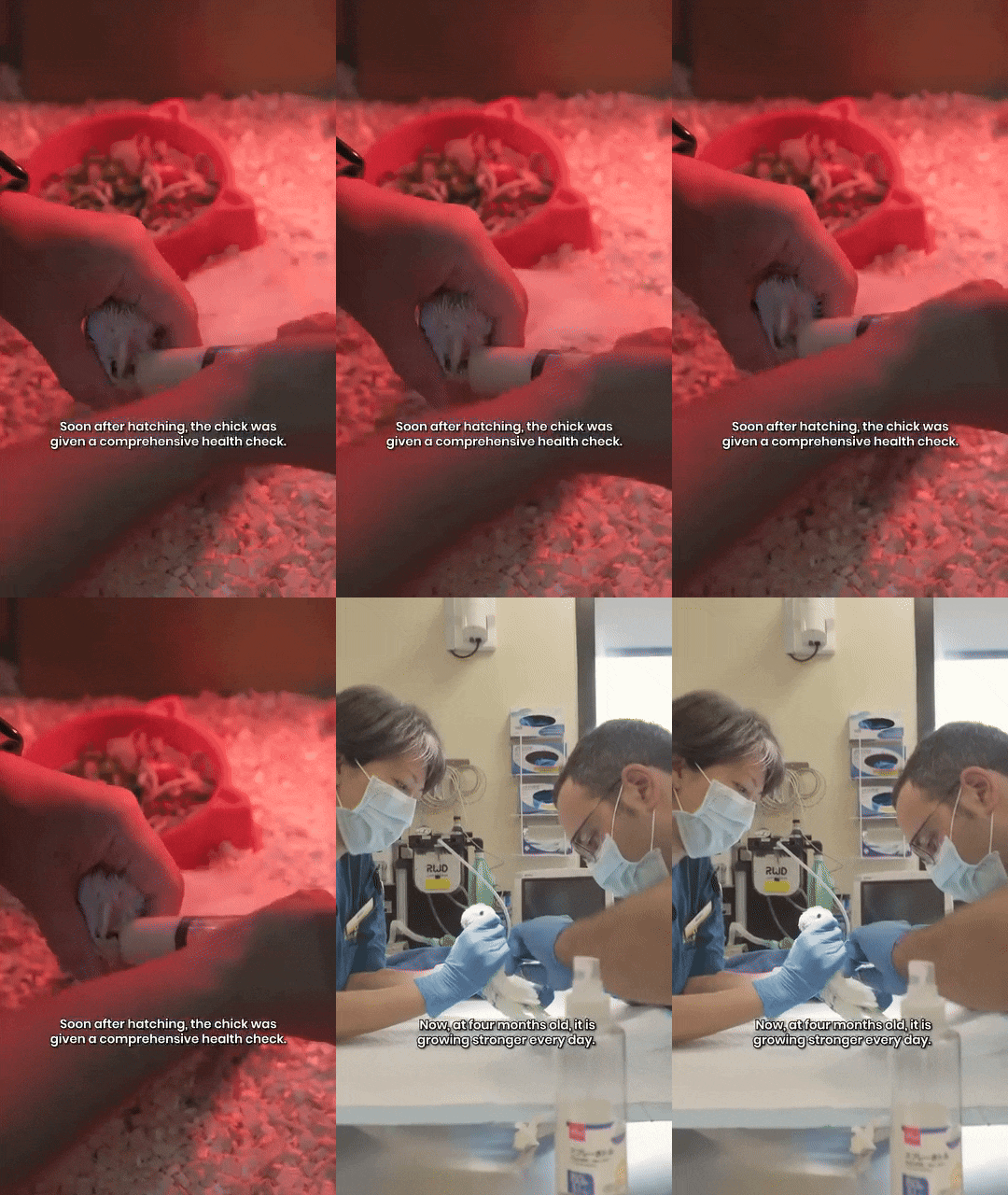
Subsequently, the veterinary healthcare team assessed the chick’s condition, even giving it a CT scan.
Source: Mandai Wildlife Reserve on Facebook
It was then transferred to the Breeding and Research Centre, where it was raised by human foster parents.
The fledging — now four months old — has also commenced its first exploratory flights under its keepers’ supervision.
Keepers continue to care for the bird off-exhibit.
Source: Mandai Wildlife Reserve on Facebook
Less than 750 remain at the Palawan islands
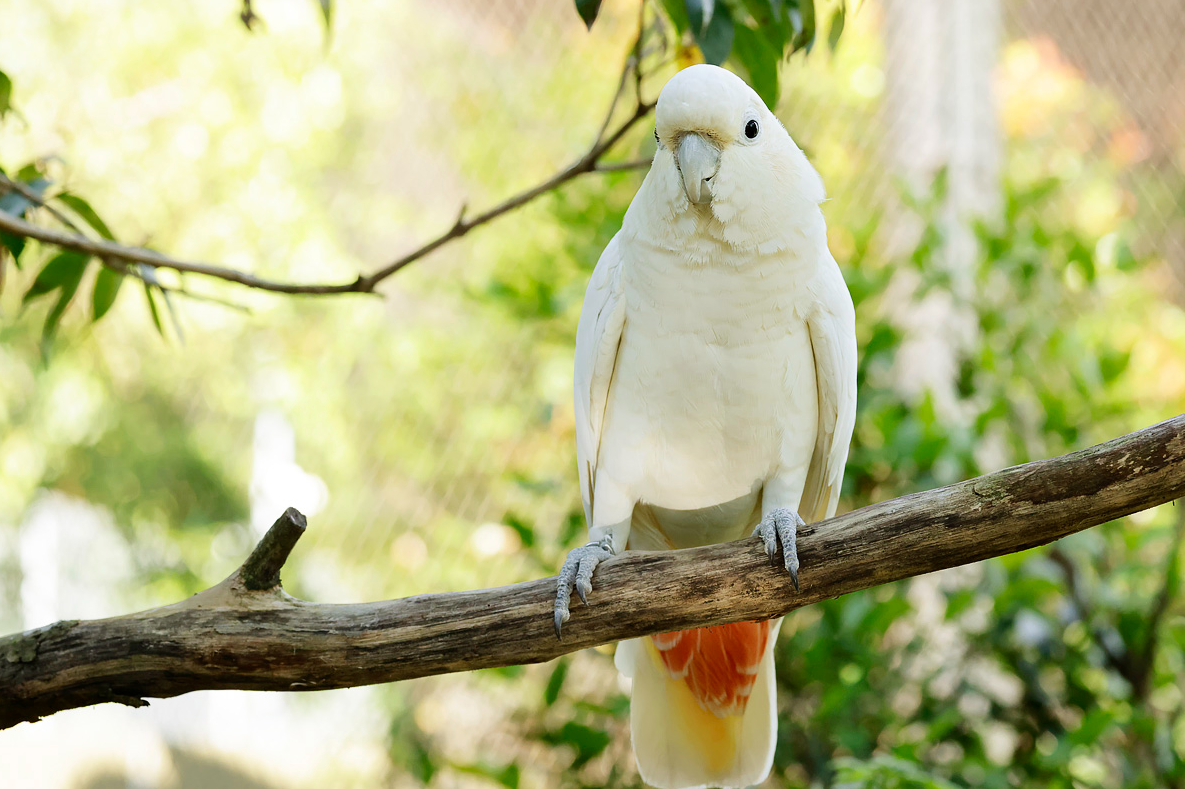
The Philippine cockatoo, or the red-vented cockatoo, is labelled critically endangered on the International Union for the Conservation of Nature’s (IUCN) Red List of Threatened Species.
While it once populated the Philippines, illegal trapping of the species for pet trade and habitat loss has severely decreased its population.
Courtesy of Mandai Wildlife Group
Its last wild populations are mainly found on the Palawan islands.
Less than 750 remaining mature individuals reside in the area.
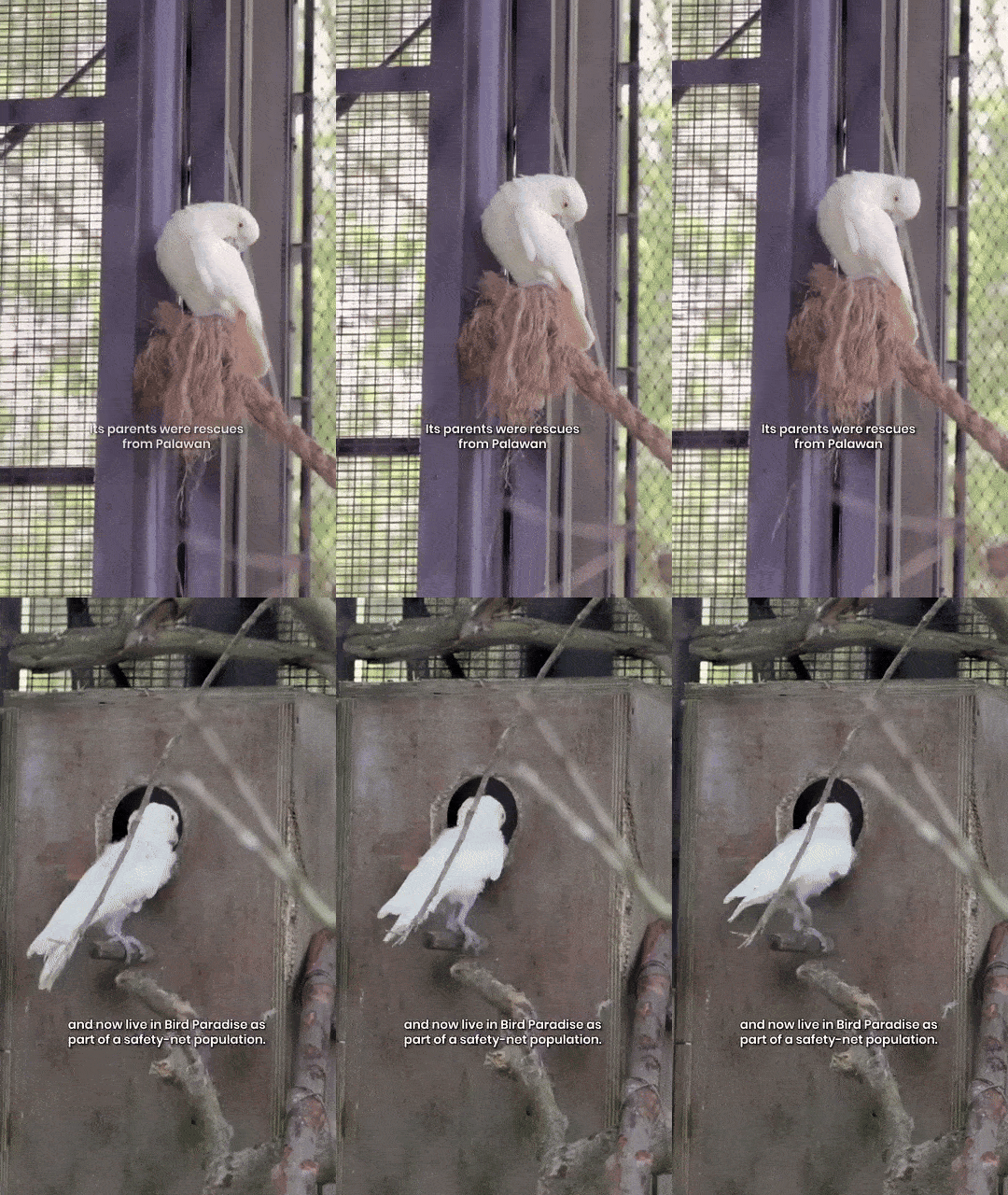
According to the Mandai Wildlife Group, the chick’s parents were rescued in Palawan a decade ago.
They were subsequently moved to Singapore under a wildlife loan agreement with the Philippines’ Department of Environment and Natural Resources (DENR).
Source: Mandai Wildlife Reserve on Facebook
Due to health and behavioural factors, the pair was deemed unsuitable for release into the wild.
However, they are considered insurance colonies in the Bird Paradise, serving as a safeguard against the extinction of the species.
Successful breeding offers hope for conservation efforts
The milestone is part of a conservation breeding programme, a partnership with the Philippines non-governmental organisation Katala Foundation Inc (KFI) and with support from the DENR.
As the species is “notoriously difficult to breed in human care”, this breeding success is both “exciting” and “encouraging”, said a representative from Mandai Wildlife Group.
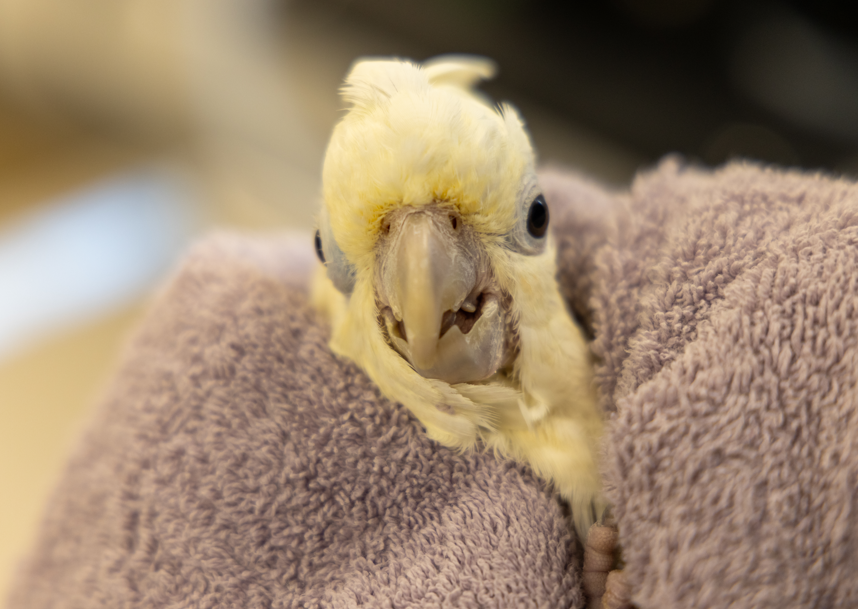
Courtesy of Mandai Wildlife Group
Having the bird in human care will also enhance research on pair bonding and parental behaviour, bettering future breeding efforts.
“This fledgling is a hopeful step forward and a reminder of how zoos can support species recovery by preserving genetic diversity and maintaining a safety-net population,” the Mandai Wildlife Group noted.
“Watching this chick grow, we’re reminded why conservation matters – not just for the species but for the people behind the scenes.”
Also read: More than 100 Hawksbill turtle hatchlings safely reach the sea at East Coast Park
More than 100 Hawksbill turtle hatchlings safely reach the sea at East Coast Park
Have news you must share? Get in touch with us via email at news@mustsharenews.com.
Featured image adapted from Mandai Wildlife Group.