
SCDF paramedic shares why she switched from nursing to the frontlines
The call comes in. A fire has broken out at an HDB flat, or a motorcyclist has been injured in a road accident.
Within minutes, paramedics from the Singapore Civil Defence Force (SCDF) are on the scene, swiftly assessing the situation and providing vital medical assistance.
To bystanders, they move with the precision of someone who has done this countless times before — because they likely have.
But no two emergencies are the same. Every case is a test of resilience, quick thinking, and composure under pressure.
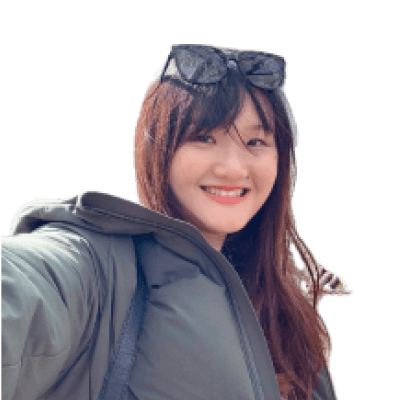
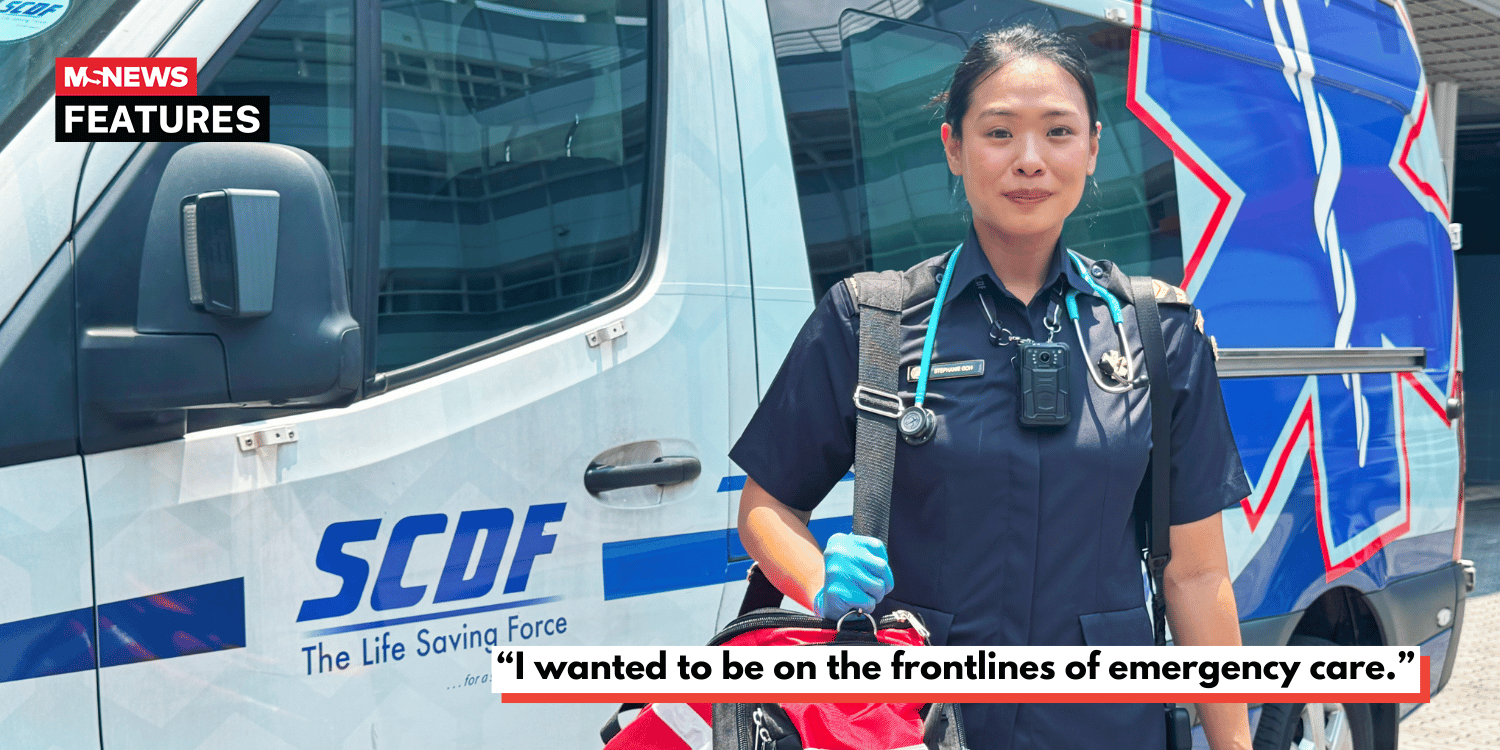
This is the world Sergeant 2 (SGT2) Stephanie Goh stepped into when she left nursing for the fulfilling life of an SCDF paramedic.
Enrolled in ITE paramedicine course after 6 years as nurse
SGT2 Goh’s passion for healthcare and helping others led her to pursue nursing at the Institute of Technical Education (ITE) College East from 2008 to 2010.
But after establishing herself in the nursing field for over six years, working in both hospital and private healthcare settings, she felt drawn to something new.
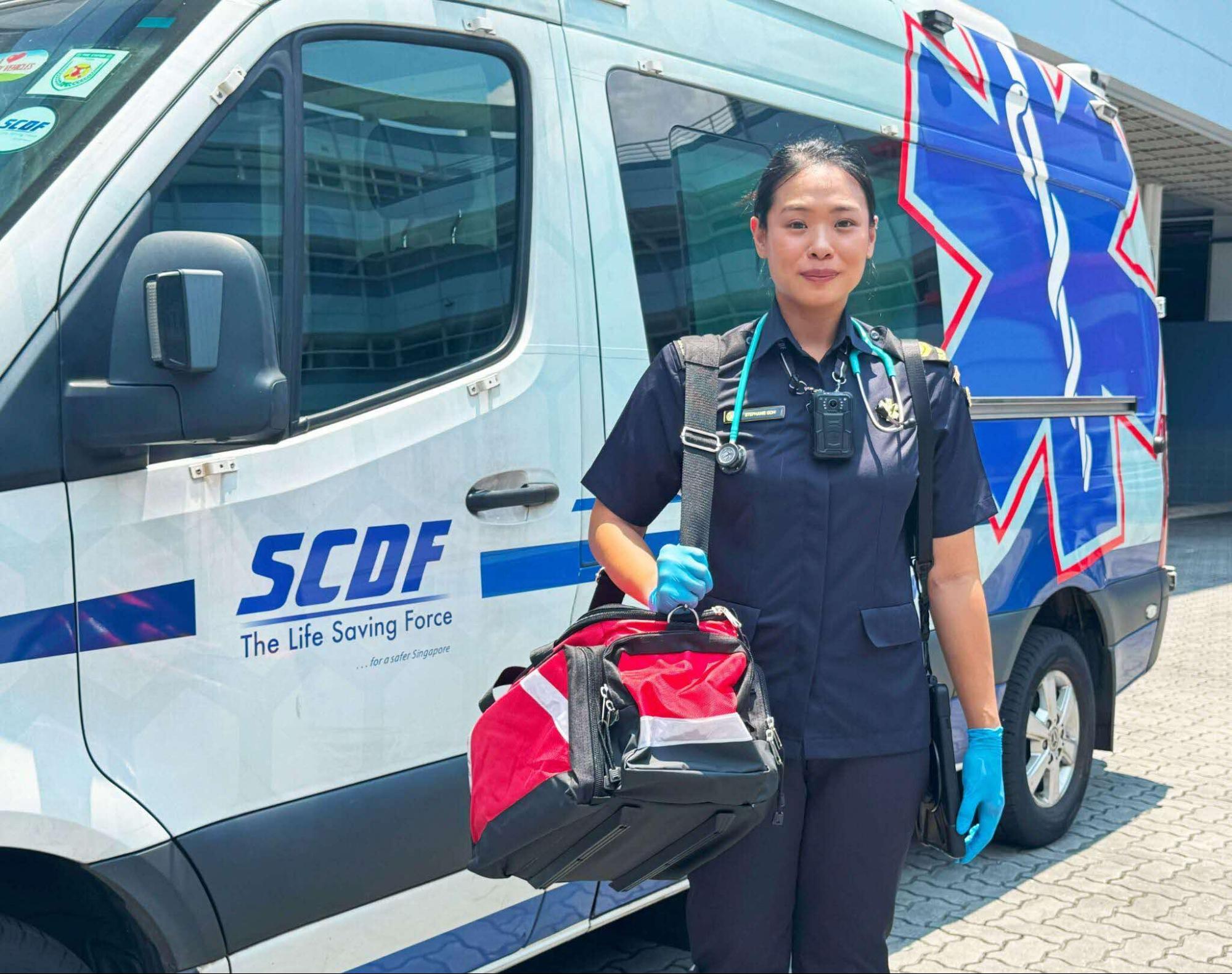
Image courtesy of SCDF
As she shared in an interview with MS News, she wanted a role that would place her “on the frontlines of emergency care, directly saving the lives of others”.
So, in 2014, she took the leap and enrolled in a paramedicine course at ITE, which ran for a year and three months.
The training covered everything from advanced life support to trauma management and incident response protocols — skills that would soon become second nature in her fast-paced role as a paramedic.
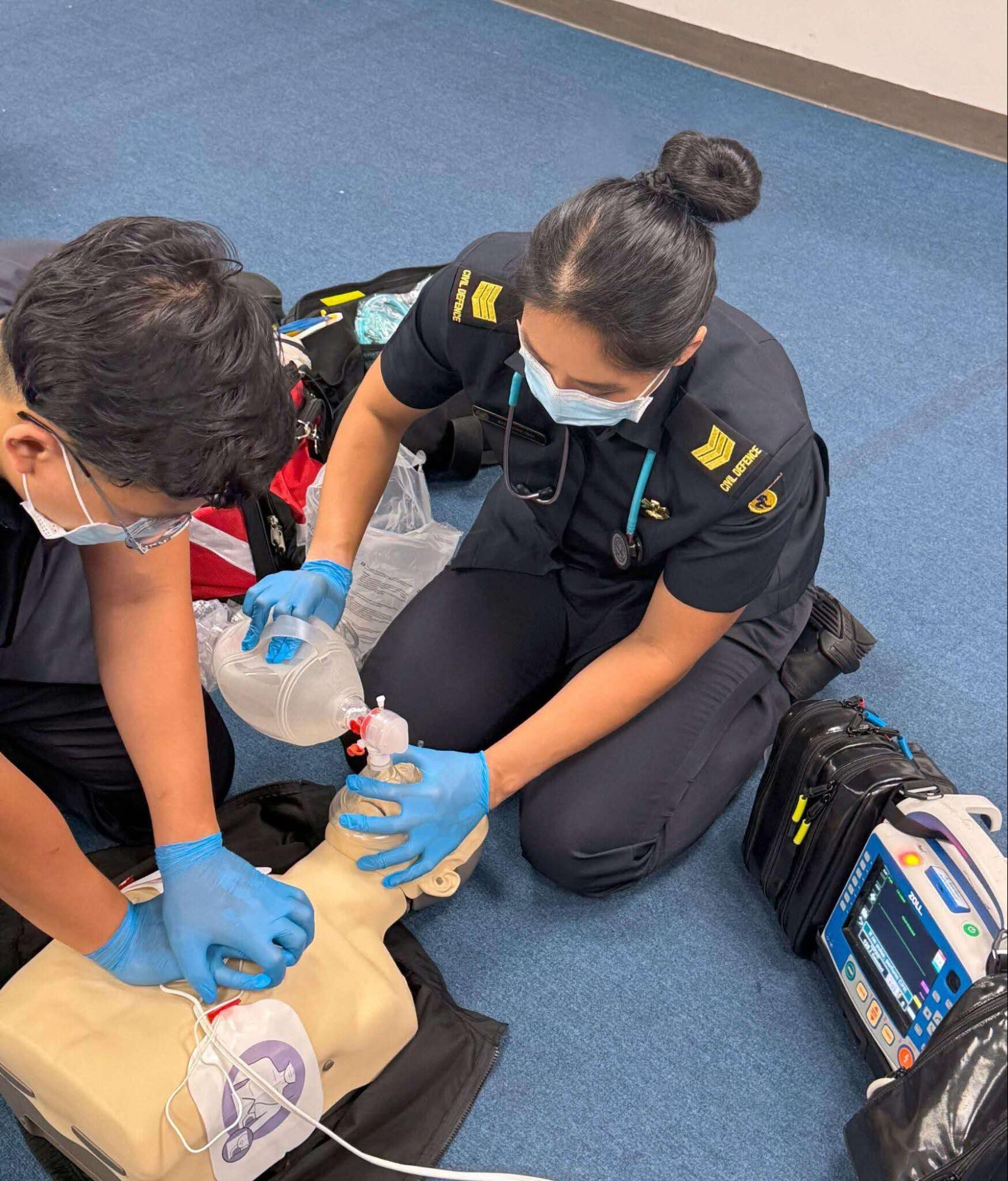
Image courtesy of SCDF
After graduating with her Higher NITEC in Paramedicine, SGT2 Goh began her paramedic career with a private emergency medical service company, spending about four years covering Jurong and Bukit Batok Fire Stations.
She was later awarded the Ministry of Home Affairs (MHA) Sponsorship and joined the SCDF, where she was deployed to Yishun Fire Station.
As a paramedic, she responds to emergency calls, assesses patients’ conditions, and delivers critical pre-hospital care. From cardiac arrests to traumatic injuries, she’s trained to handle a wide range of medical emergencies, stabilising patients before they reach the hospital.
How paramedics make a difference
But her role doesn’t end there. SGT2 Goh also ensures a smooth handover by documenting and communicating vital patient information to hospital staff.
“As paramedics, we are the first responders who provide immediate medical intervention in the pre-hospital environment,” she explained.
Essentially, paramedics bridge the gap between the scene of an emergency and the hospital, ensuring patients receive critical care as quickly as possible.
This is a far cry from the common misconception that paramedics “only drive ambulances” and convey patients to hospitals, as SGT2 Goh pointed out.
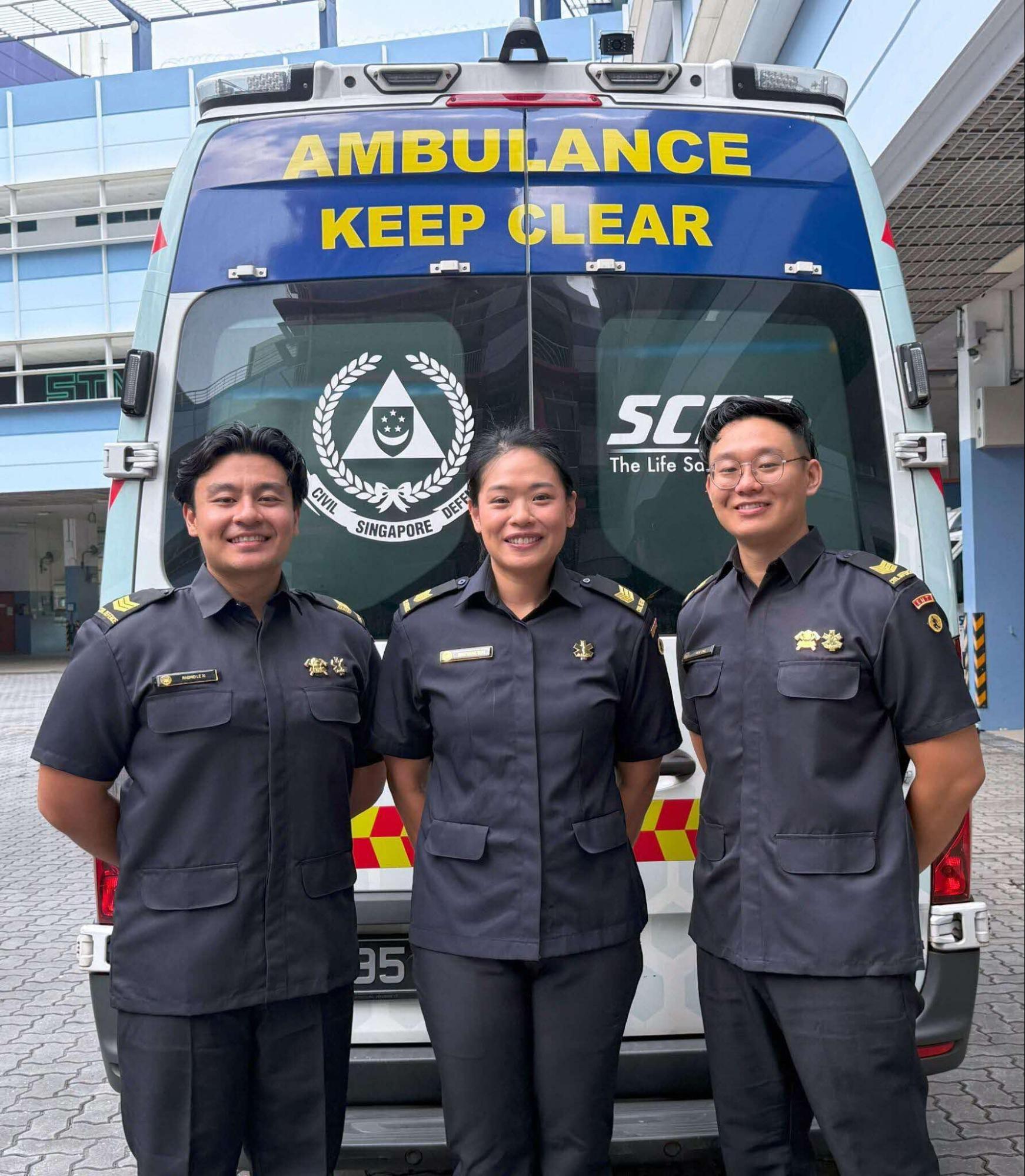
Image courtesy of SCDF
Another frequent misunderstanding is the belief that those conveyed to the hospital by ambulance are automatically placed in the priority queue for treatment.
While paramedics ensure immediate pre-hospital care, hospital triage protocols determine priority based on the severity of the patient’s condition, not the mode of transport.
Paramedics, too, play a key role in this process: they assess patients on-site, prioritise treatment based on urgency, and relay critical information to hospitals so medical teams can prepare in advance.
In mass-casualty situations, they also help categorise patients to ensure resources are used efficiently and those with life-threatening injuries receive prompt care.
That is why, as SGT2 Goh stressed, both misconceptions downplay the extensive training and vital responsibilities paramedics carry in their role.
‘I’ll never forget the moment’: Making a difference in people’s lives
Like any job, being a paramedic comes with its challenges, but on a whole different level.
Messing up at a typical office job might mean a missed deadline. In emergency services, it can literally be the difference between life and death.
Emotions also run high, and SGT2 Goh admitted that managing distress — whether from patients or their families — is one of the toughest parts of the job.
“To cope, I rely on my training and focus on staying empathetic while remaining professional,” she shared.
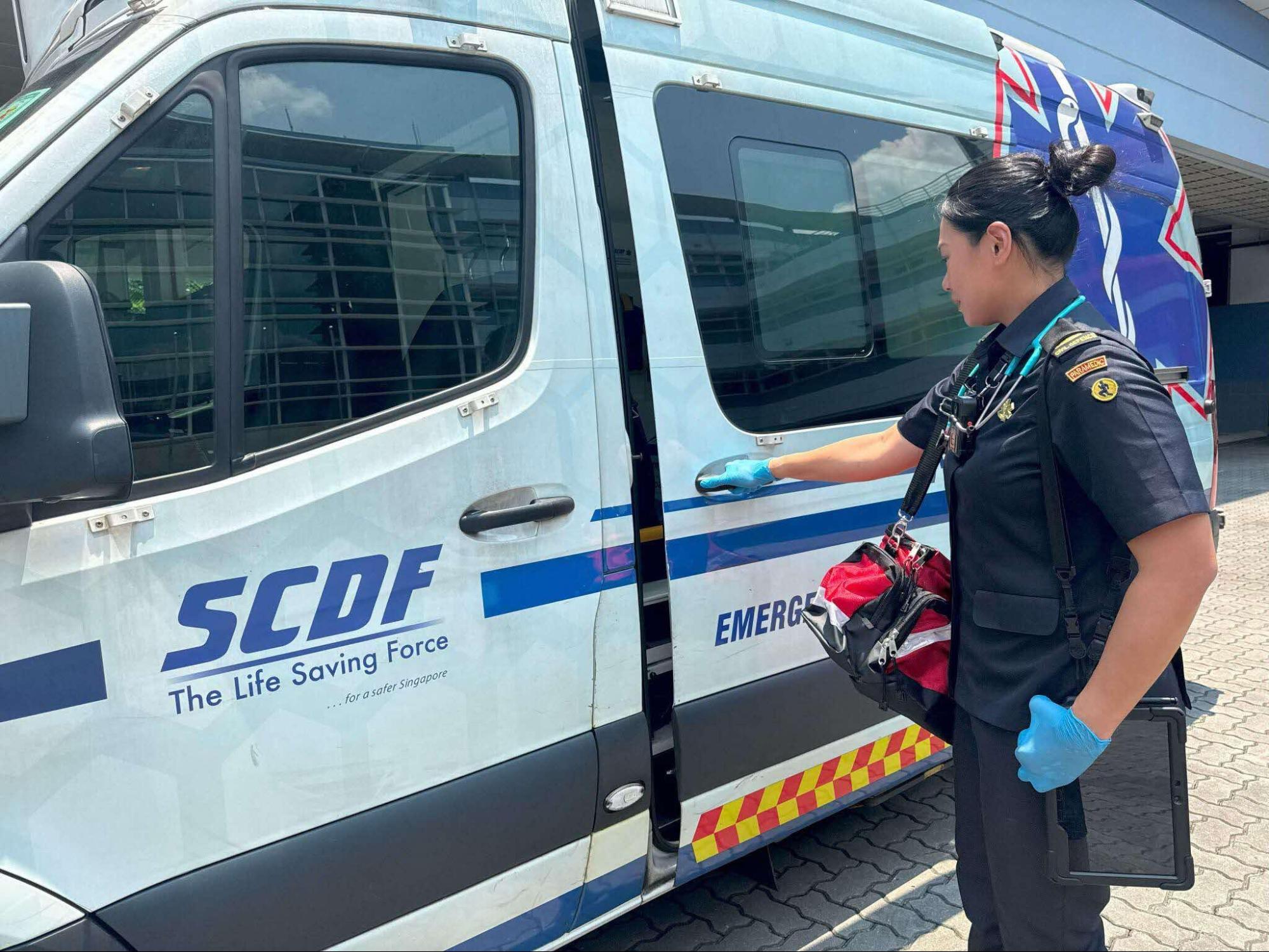
Image courtesy of SCDF
But there are moments that make it all worthwhile. One that stands out to SGT2 Goh was a call to assist a pregnant woman in excruciating pain.
When she arrived, it was clear they had no time to lose. The mother’s water had broken, and the father was in a state of panic.
They rushed the mother into the ambulance, but on the way to the hospital, the situation escalated: the baby was coming, and time was running out.
SGT2 Goh quickly told her colleague to pull over safely at the side of the road. Despite the father’s growing anxiety, her calm presence reassured him, and the mother gave birth safely.
After wrapping the newborn in a thermal blanket, she invited the father to hold his baby for the first time.
“I’ll never forget the moment when he whispered how grateful he was for his child,” she shared.
When they reached the hospital, the family expressed their heartfelt thanks.
This reminded me of how important our work is — not just in providing medical care but in supporting families during some of the most emotional moments of their lives.
Duties beyond responding to emergencies
Of course, not every hour of a paramedic’s day is spent racing to emergencies.
During quieter moments, SGT2 Goh focuses on ensuring the ambulance is stocked and that all medical equipment are functional and in working order.
She also sharpens her skills through regular training and case reviews to stay updated on the latest medical protocols.
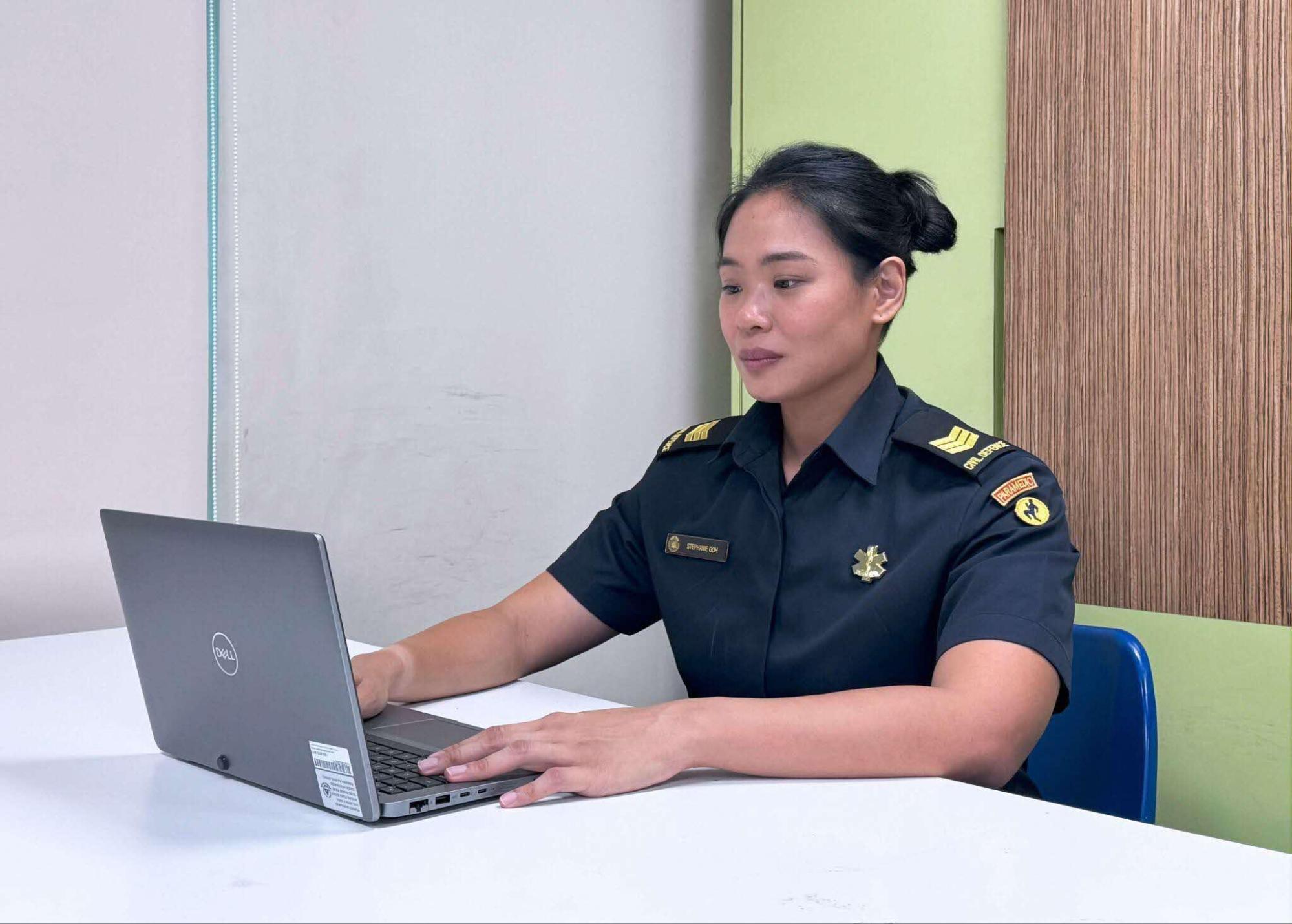
Image courtesy of SCDF
Staying both physically and mentally fit is key, so SGT2 Goh makes time for fitness, too.
Whether it’s hitting the gym, running, or trekking, these activities help her build stamina and strength.
Lately, she’s added hoop yoga to her routine, which improves flexibility, strengthens her core, and helps her unwind after tough shifts.
“These activities not only enhance my fitness but also give me an outlet to recharge and manage the emotional challenges of my work,” she shared.
Join the SCDF-ITE Work-Study Diploma programme & make a difference, too
If, like SGT2 Goh, you feel called to the frontlines of emergency care, the SCDF-ITE Work-Study Diploma (WSDip) in Paramedicine could be your next step.
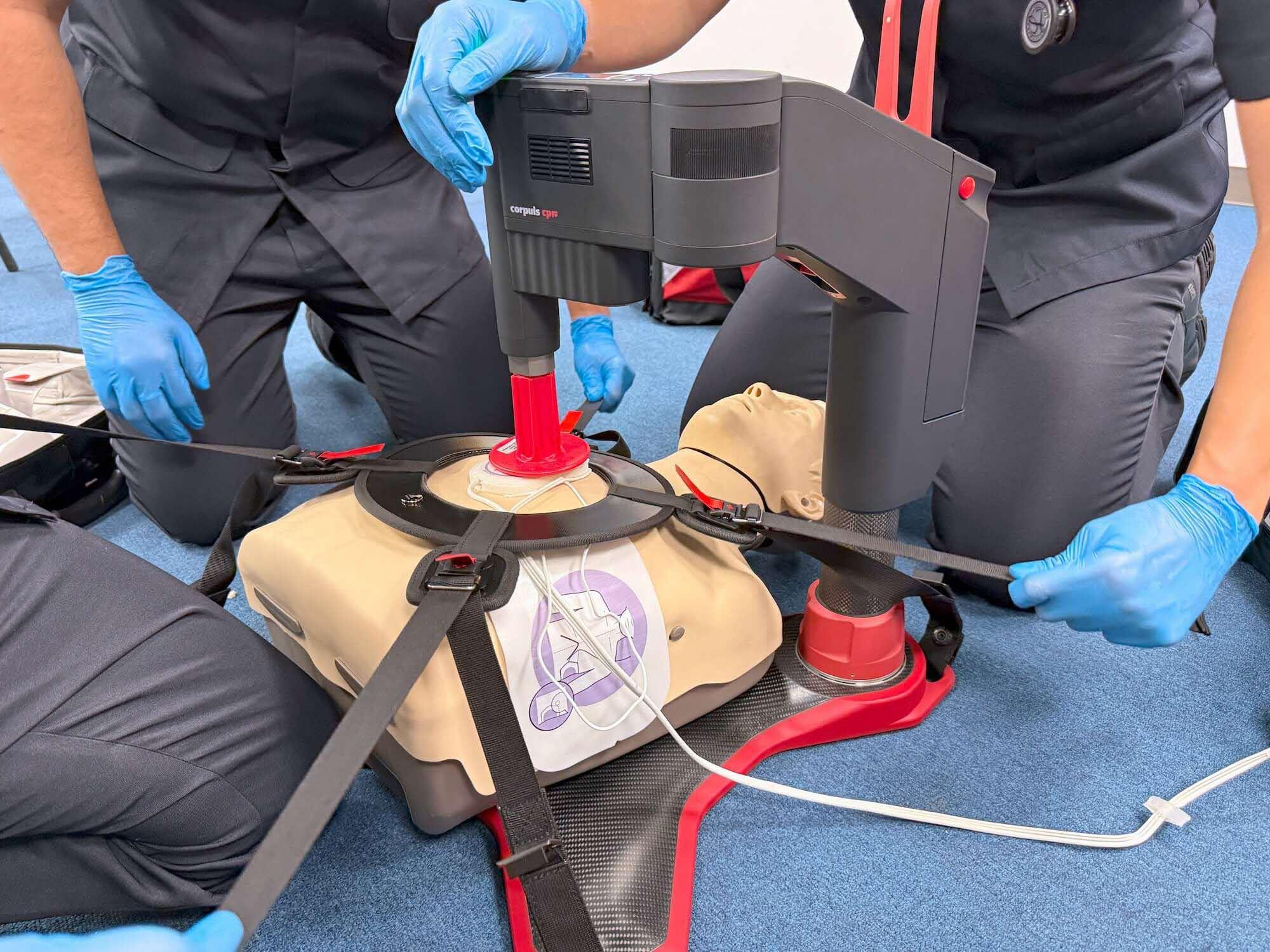
Image courtesy of SCDF
The WSDip offers new recruits a professional diploma while working as a paramedic and combining hands-on experience with academic learning.
No need to choose between studying and gaining real-world skills — you get both, along with a steady salary to ease any financial worries.
Diploma graduates who join the SCDF can look forward to stable, full-time employment with a competitive salary of up to S$4,370 per month, inclusive of allowances.
And here’s the clincher: a S$30,000 sign-on bonus — S$12,000 upfront when you sign the contract, followed by another S$18,000 after confirmation.
Classes start in April 2026. For more details on the role and WSDip programme, visit the website here.
This article was brought to you in collaboration with the Singapore Civil Defence Force.
Featured image courtesy of the Singapore Civil Defence Force.