Health insurance, utility, and accommodation prices in Singapore increased in Feb
Singapore’s cost of living ticked up in February, with notable increases in health insurance, accommodation, and utilities, according to data released by the Singapore Department of Statistics (SingStat).
Based on Singapore’s Consumer Price Index (CPI) in February, data show that overall inflation of all items rose by 1.2% year-on-year and 0.6% month-on-month.
These numbers indicate a steady but moderate rise in consumer prices.
Health insurance drives sharp increase in healthcare costs
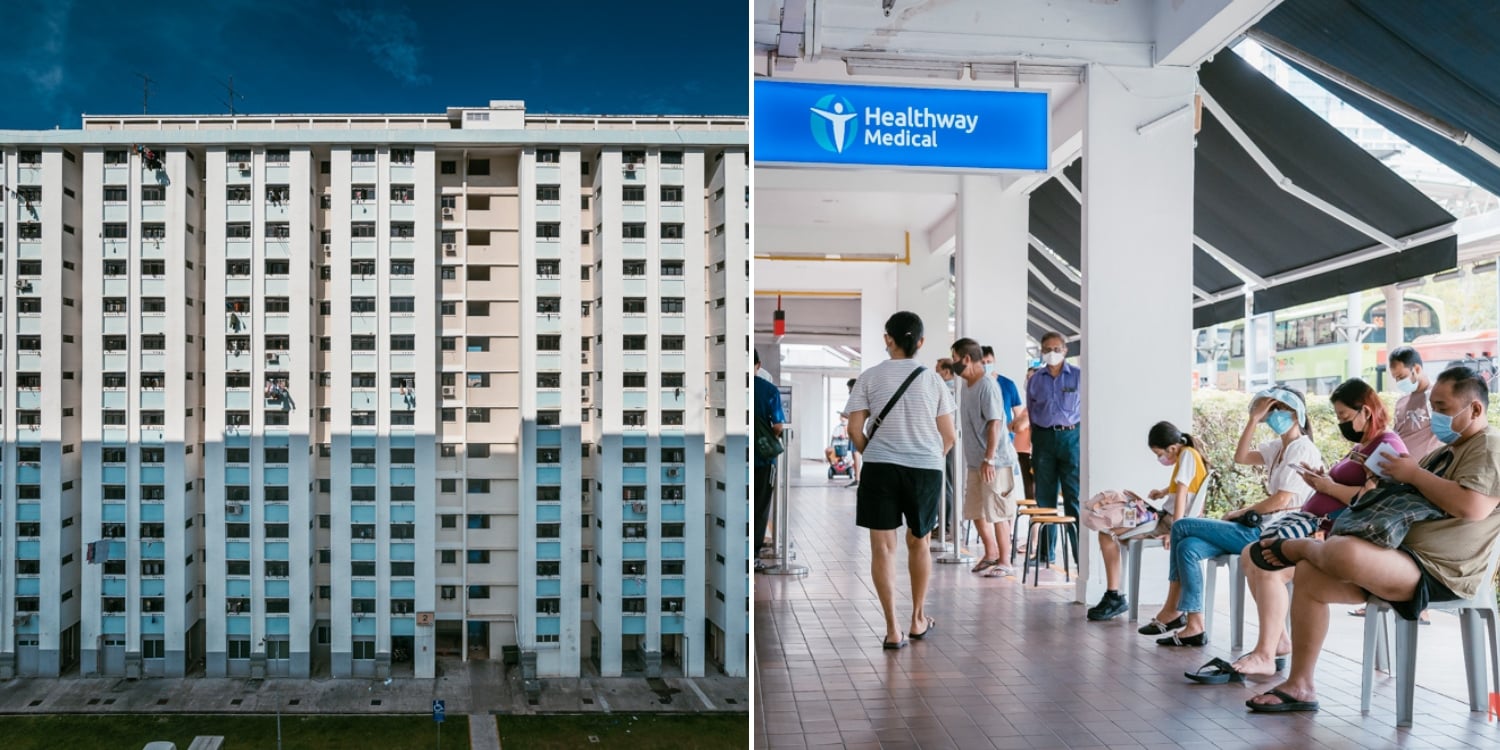
Healthcare-related costs saw one of the biggest jumps in year-on-year CPI, rising by 4.2%.
This was largely driven by a heavy spike in health insurance premiums, which surged 14.8%.

Source: Horia Ionescu on Canva
However, despite the high year-on-year surge, health insurance prices saw a monthly drop of 1.4% compared to January.
Other healthcare components, such as outpatient and inpatient services, recorded smaller but relatively stable increases in comparison.
Accommodation and utilities edge up
Prices for housing and utilities also climbed, rising 0.3% year-on-year and 1.3% month-on-month.
Accommodation costs, which form the bulk of this category, increased 1.5% from January.
Source: Africa Images on Canva
However, utilities and other fuels saw a slight decline over the year, helping to offset some of the overall increase.
The decline is likely short-lived, as energy prices may potentially rise as part of the spillover effects of the Middle East crisis.
Food prices continue gradual rise
Food inflation also remained steady, increasing 1.6% year-on-year and 0.5% month-on-month.
Within the category, seafood and fruit prices recorded sharper increases, while some items like oils and fats saw slight declines.
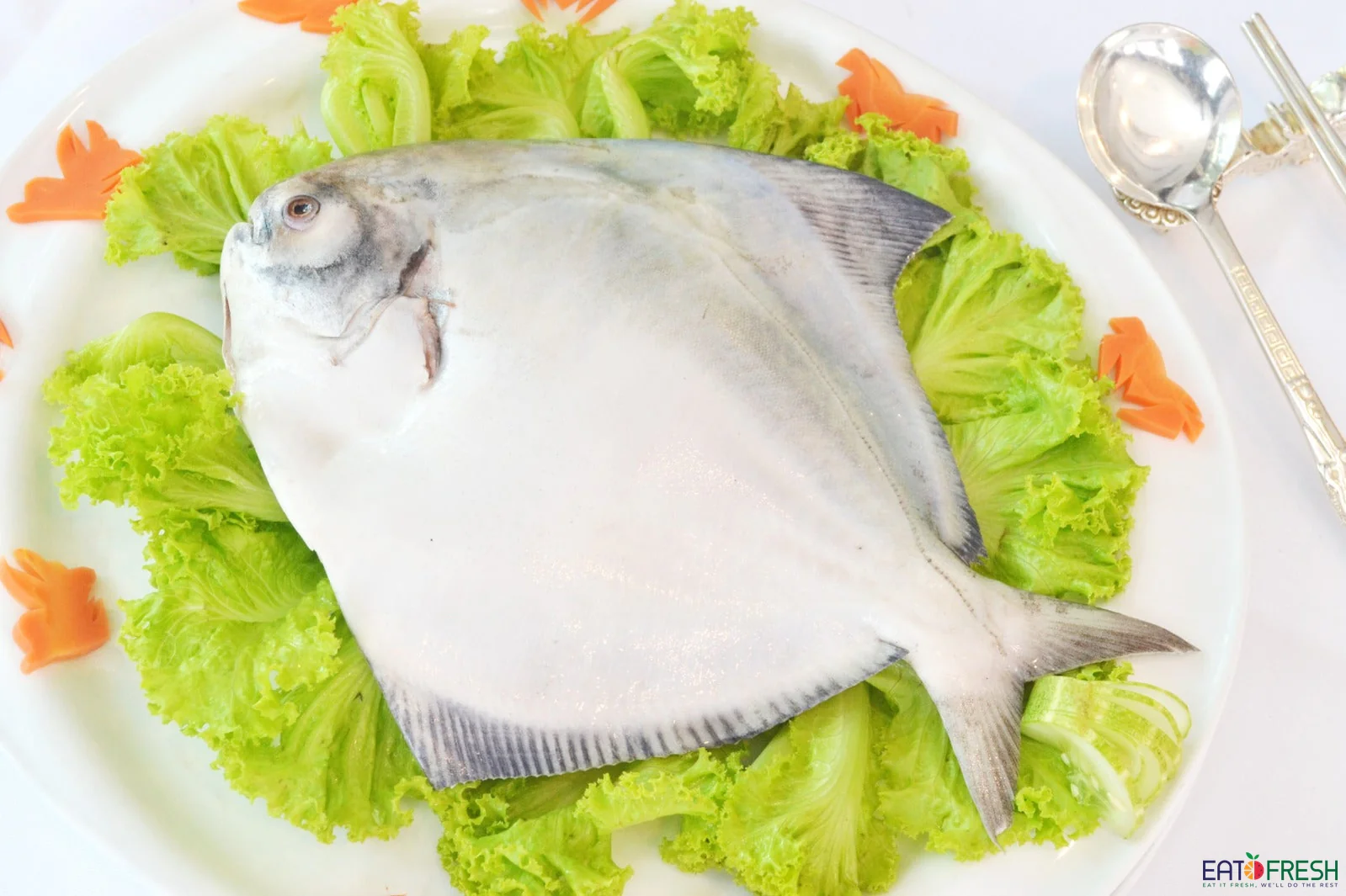
The increase in seafood and fruit prices in February may be attributed to a rise in demand during the Chinese New Year period, with items like Mandarin oranges and pomfrets highly sought after.
Source: Eat Fresh SG
Dining out also became more expensive, with prices at restaurants, cafes, and hawker centres inching up across the board.
Transport and other costs show mixed trends
Transport costs rose 2.7% year-on-year, though they dipped slightly compared to last month.
The trend is set to reverse in March, with private-hire companies like Grab announcing temporary price hikes due to the global fuel crisis.
Source: Grab
Fuel prices in Singapore have also hit an all-time high in mid-March.
Meanwhile, categories such as information and communication, as well as education, saw slight declines overall.
Core inflation remains moderate
Singapore’s core inflation came in at 1.4% year-on-year, according to a joint statement by the Monetary Authority of Singapore (MAS) and the Ministry of Trade and Industry (MTI).
This was largely due to inflation in services, food, and retail goods.
The statement also stated that MAS core inflation and CPI-All Items inflation are currently projected to average 1.0–2.0% in 2026.