

NurseFirst triage helpline to begin nation-wide trial from 1 June
From 1 June, Singapore will begin a six-month nation-wide trial of NurseFirst, a medical triage helpline jointly operated by the Singapore Civil Defence Force (SCDF) and Woodlands Health (WH).
The pilot aims to divert non-urgent cases away from the 995 emergency line, enabling ambulances and public hospital emergency departments to focus on patients with critical or life-threatening conditions.
The initiative is supported by both the Ministry of Home Affairs (MHA) and the Ministry of Health (MOH).
Island-wide support for non-emergencies
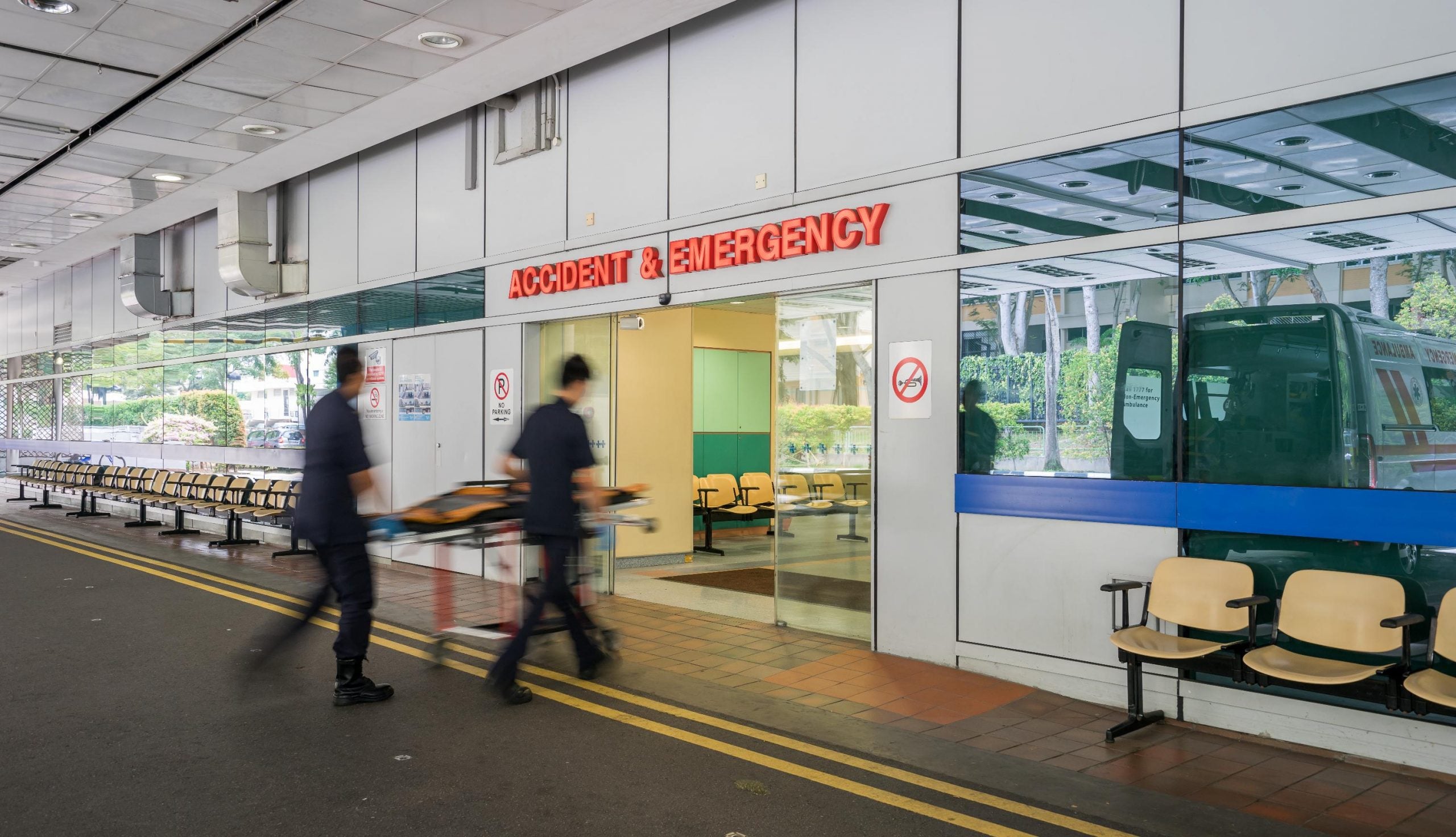
NurseFirst first launched in 2022 as a small-scale pilot in the north.
It was created to support patients with less serious conditions and reduce crowding at public hospital emergency departments.
Source: Changi General Hospital, for illustration purposes only
With the expanded trial, the helpline will be available to residents across the country from 8am to 11pm daily.
Trained nurses, supported by doctors from emergency medicine, will assess each caller’s condition and advise on next steps, whether it’s seeing a nearby GP, calling a non-emergency ambulance, or managing symptoms at home.
How 995 calls may be redirected
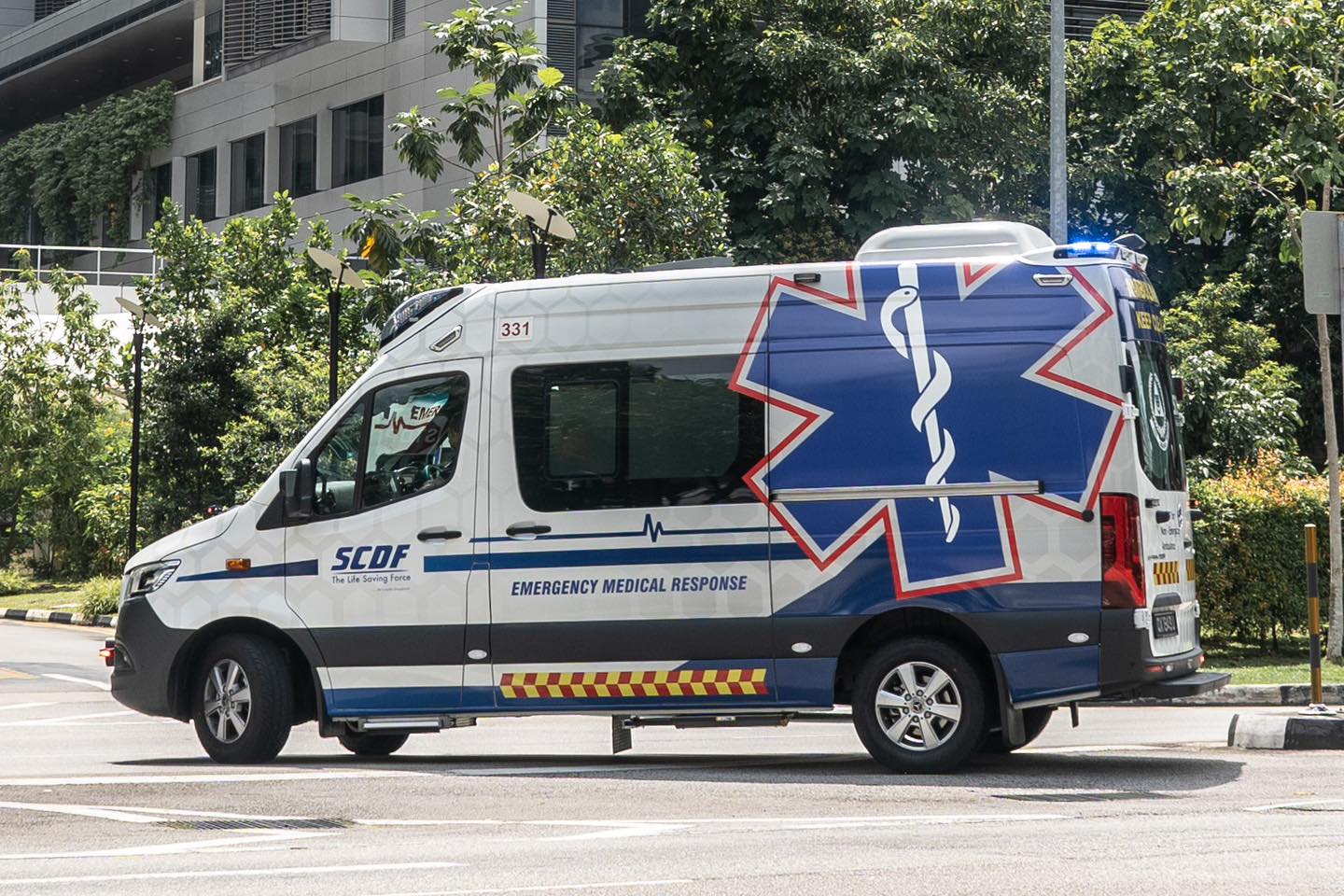
If a 995 call is assessed to be non-life-threatening, the SCDF call-taker will transfer the caller to the NurseFirst helpline.
Key patient details will be shared with the NurseFirst nurse during the transfer to ensure a seamless handover.
Should the patient’s condition deteriorate at any point during the call, SCDF will be immediately notified to dispatch an ambulance.
Source: Singapore Defence Force on Facebook
Call NurseFirst directly for non-emergency advice
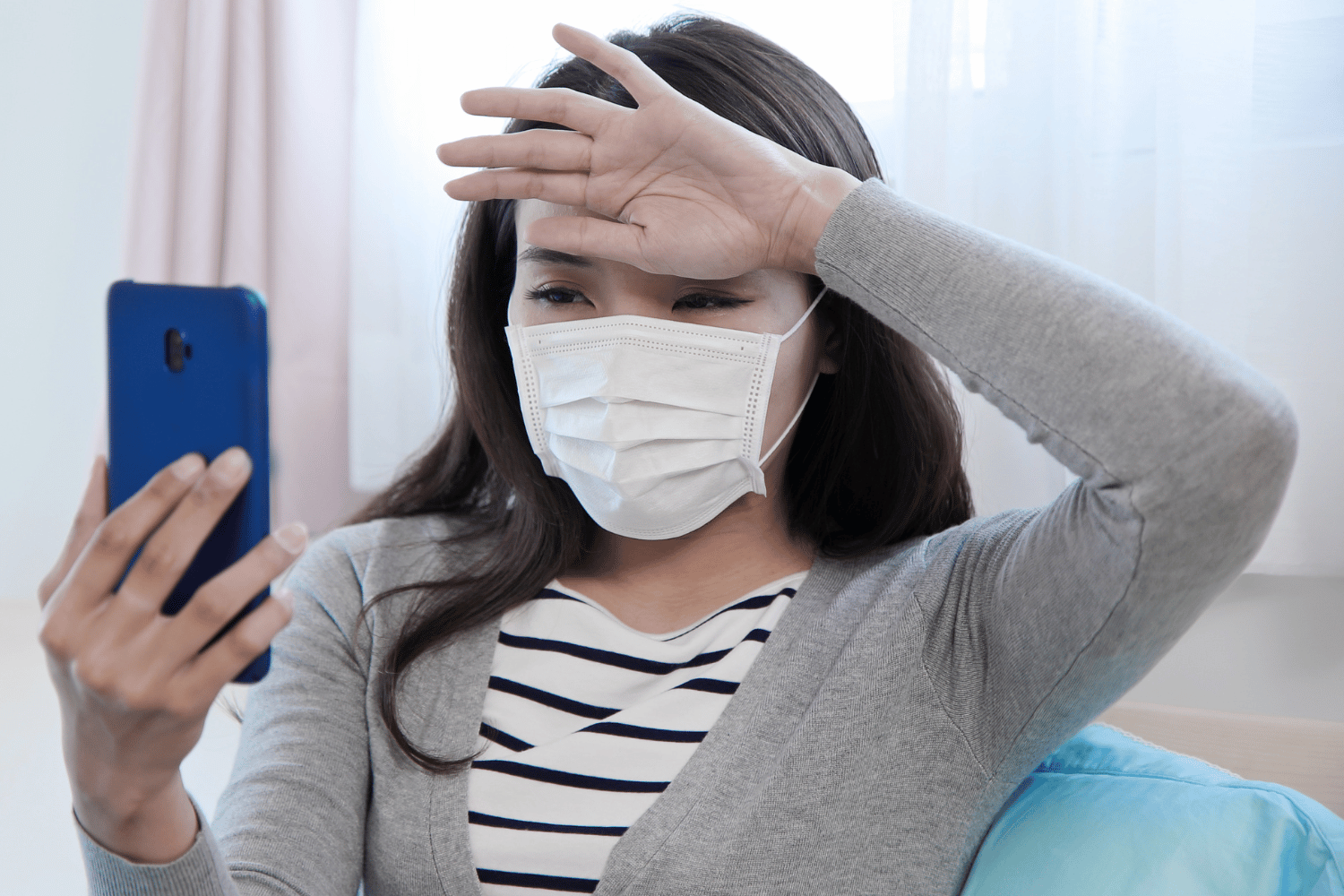
Members of the public are encouraged to call NurseFirst directly at 6262 6262 for non-life-threatening medical conditions.
The service is free and offers timely guidance on appropriate care options.
Source: RyanKing999 on Canva, for illustration purposes only
Non-emergency 995 calls will continue to be managed under SCDF’s current protocols outside of operating hours.
Examples of conditions that may be assessed as non-life-threatening include mild to moderate symptoms of:
- Cold and Flu
- Strains & sprains (e.g. back pain, limb pain, bruises)
- Cuts/open wounds with no active bleeding
- Nosebleeds
- Diarrhoea/vomiting
- Headaches
Other examples of non-emergency cases include minor allergic reactions, animal bites without severe symptoms or bleeding, resolved choking episodes with no lingering issues, small burns affecting less than 15% of the body, and mild eye problems.
Growing EMS demand underscores need for triage
According to MOH, demand for Emergency Medical Services (EMS) has surged over the past decade.
In 2024 alone, SCDF responded to an average of 672 EMS calls per day — a 57% increase compared to 2014.
The introduction of NurseFirst is part of broader efforts to manage rising healthcare needs, especially as Singapore’s population continues to age.
Similar nurse-led triage systems are already in place in countries such as the United Kingdom, Japan, Denmark and Finland.
Have news you must share? Get in touch with us via email at news@mustsharenews.com.
Featured image adapted from Syda Productions on Canva, for illustration purposes only.