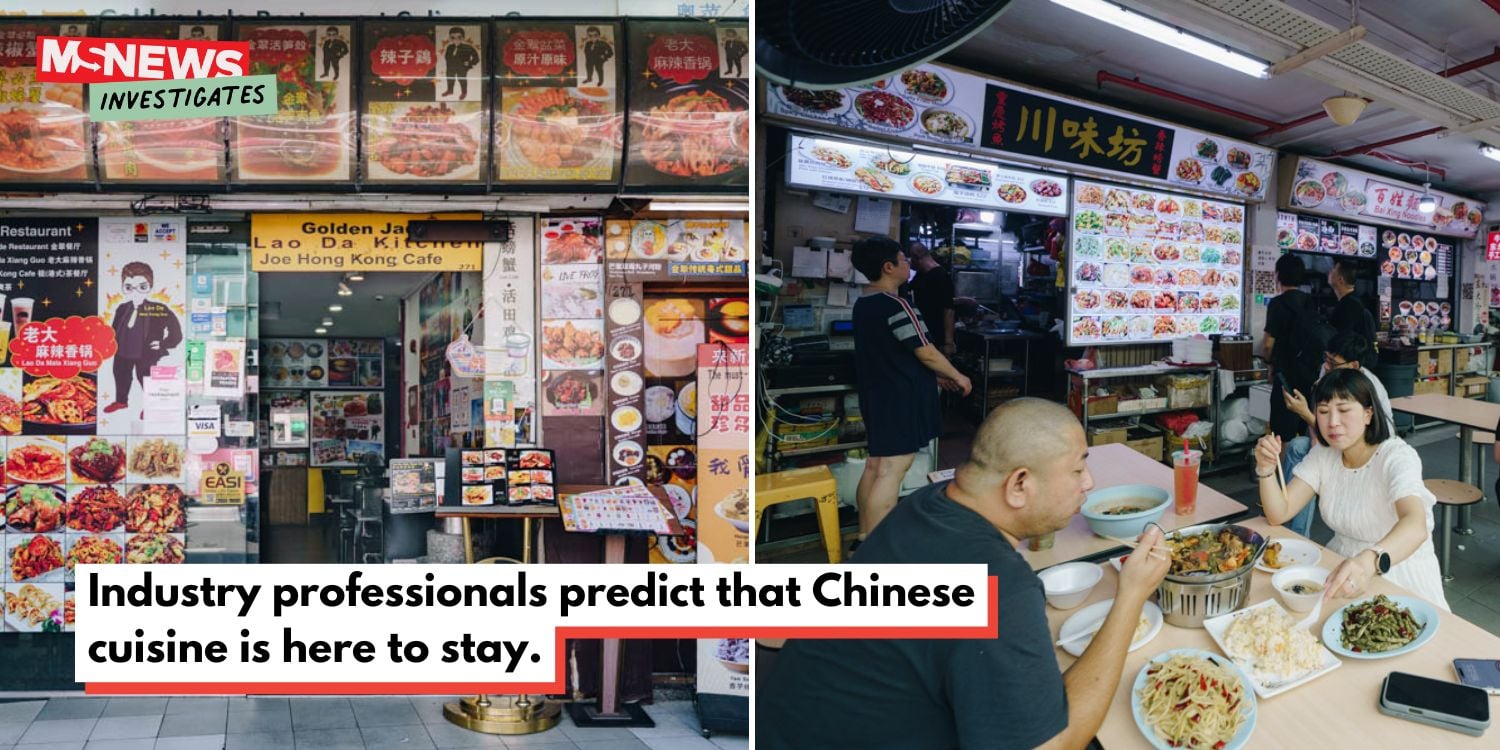

MS Investigates: Mala craze still going strong after more than a decade
If you’ve ever walked into a hawker centre around lunchtime and caught a strong whiff of peppercorns and sizzling spice, chances are you’ve gone past a mala xiang guo stall.
It has been more than a decade since the mala craze took Singapore by storm, but the hype has not died down. In fact, it might have gotten stronger.
From traditional hawker stalls to fancy hotpot chains, this numbing, spicy Sichuan flavour continues to dominate local menus and palates alike.
To find out why Singaporeans are still so obsessed with mala, MS News embarked on a peppercorn-powered journey to three popular mala spots around the island.
Here’s what we uncovered.
Fancy a bowl of mala xiang guo for supper?
Tucked along the buzzing stretch of Geylang Road, Lao Da Mala Xiang Guo (Lao Da) is a go-to for many night owls.
The stall opens before noon and slings bowls of mala till the wee hours of 3am, perfect for post-party suppers or late-night cravings.
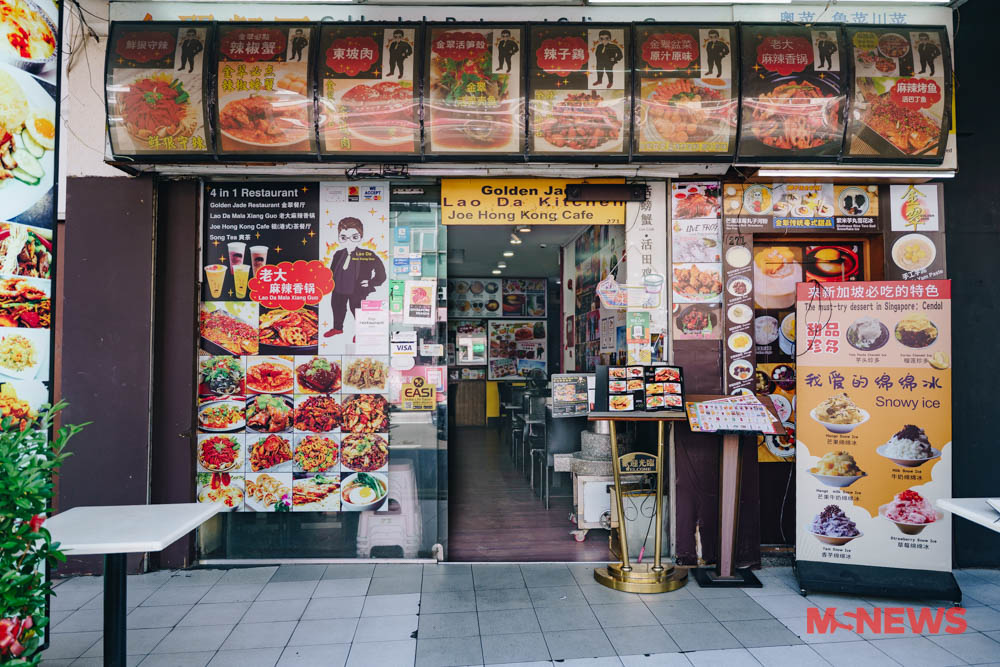
However, when we visited the outlet at around 3pm on a weekday, the shutters were down — when a quick check on Google indicated that they were open from 11am daily.
Thankfully, we bumped into the very affable Edward Too, 31, a stall assistant working at the outlet.
He explained that they were on a midday break and would reopen at 4.30pm.
Mr Too, who is Malaysian, told MS News that he has been working in Singapore for eight years, and working in Lao Da for the last three.
Staff surprised by popularity of mala in Singapore
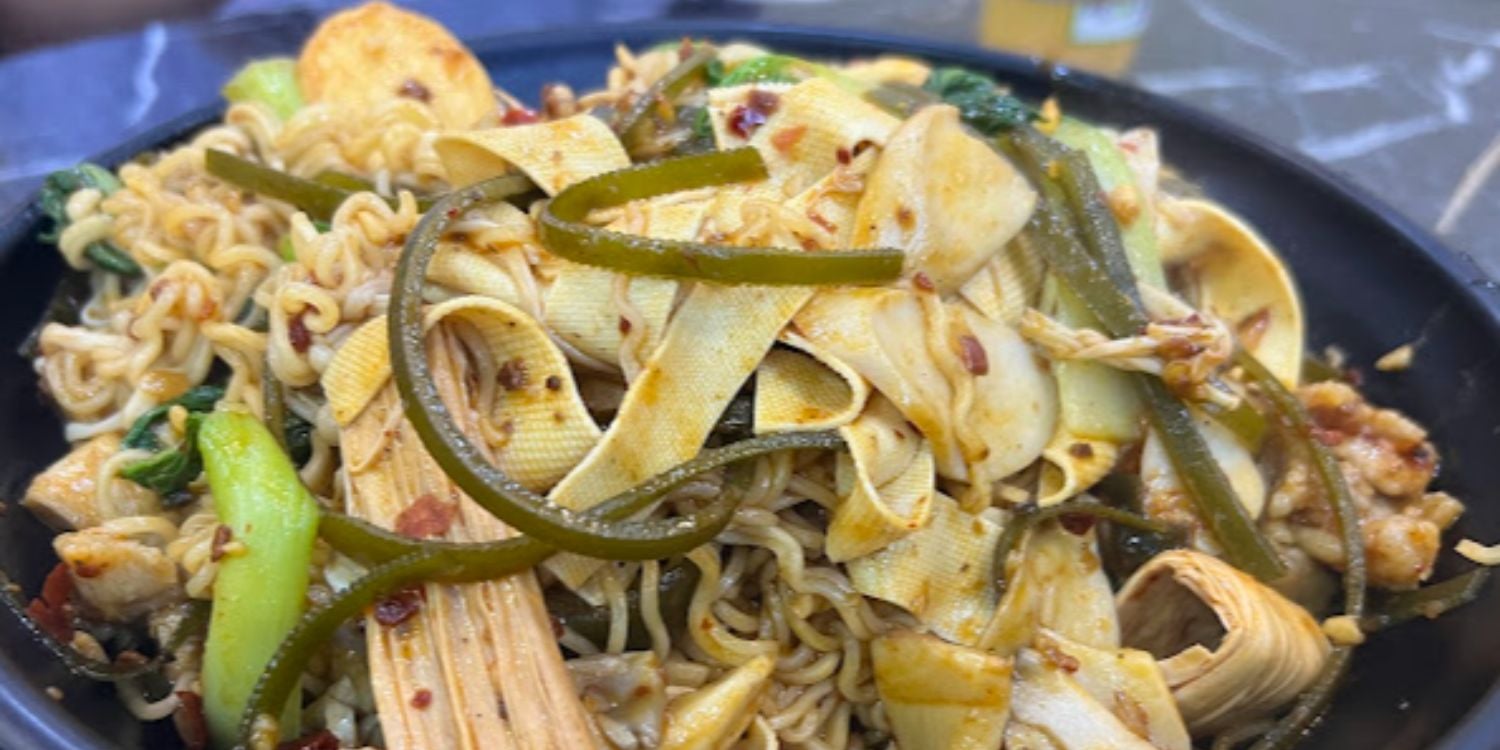
He shared that the uniqueness of their mala xiang guo lies in a secret herbal recipe which he could not disclose.
According to Mr Too, their customers are a good mix of locals and tourists who usually order either mild or medium spicy level for their mala fix.
Source: Google Maps
“I’m very surprised that mala is so popular in Singapore,” he said. “The dish has quite a strong flavour and is on the oily side.”
“Singaporeans probably love the mala here so much because it is a different style from those in China. It’s a taste that you can only get here.”
As if to emphasise the fact that Singaporeans cannot resist the iconic spicy and numb sensation, located right next door was another Chinese restaurant, Zui Xiang Lou, that served Sichuan cuisine as well.
The OG mala favourite at Chinatown
Ask any mala fan where they first tried the dish, and chances are they will mention Ri Ri Hong.
Located in the ever-popular People’s Park Food Centre, this stall is often credited as one of the first to kick off the mala craze in Singapore.
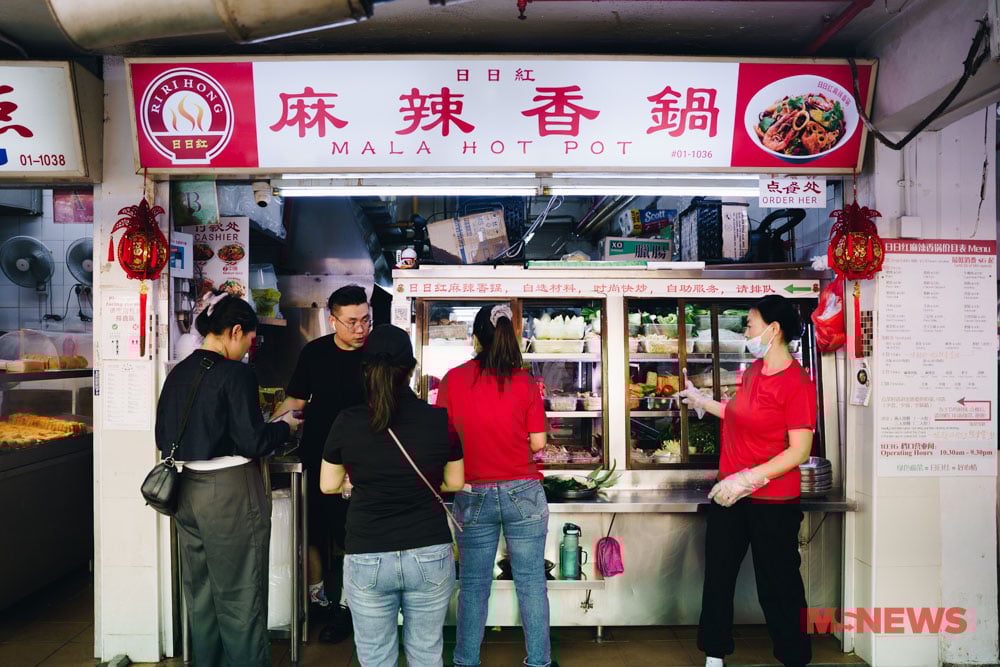
Even on a weekday at 4pm, there was a short queue forming when MS News arrived to have a chat with the stall supervisor, Ms Shen.
Ms Shen, 56, who is from Zhejiang, China, has been working at Ri Ri Hong almost since the beginning.
She shared that she came to Singapore in 2013, shortly after they set up shop at People’s Park Food Centre in 2011.
When asked what was unique or different about their mala, she said that their recipe contains more than 20 types of herbs (which she could not share, of course).
Mala craze will never die in Singapore, says stall supervisor
According to Ms Shen, she never had any doubt that mala was going to be a firm favourite in Singapore due to its popularity back in China.
Based on her 12 years of experience, she was confident when saying that the mala craze will never cease in Singapore, at least not in the foreseeable future.
Customers at the popular mala stall comprise mostly locals with the occasional tourist, with medium spicy being the go-to order.
Ms Shen also shared that they have many regulars who come by two to three times a week for their mala fix.

A customer, S E Lim, 60, who was enjoying her bowl of mala just in front of the stall, shared enthusiastically: “I prefer Ri Ri Hong because they don’t charge you by the weight of the ingredients like other stalls.”
“Besides, they also serve good quality rice and are able to entertain my special requests for no MSG and sugar,” added the freelance artist.
Only chefs from Sichuan for this restaurant
Kelvin Gong, 41, director of Shu Du Fan Dian, revealed that all his chefs are from Sichuan, China.
He explained that this was to ensure the authenticity of their dishes.
Located just a short walk away from People’s Park Food Centre, Shu Du Fan Dian was started back in 2015.

Mr Gong, who is also from Sichuan himself, does not reckon that mala will ever be unpopular in Singapore.
On the contrary, he believes that it will only get more popular over time.
He explained patiently: “There is a famous Sichuan saying (一菜一格,百菜百味) that is used to describe Sichuan cuisine.”
“It means that in Sichuan cuisine, every single dish has its own style and offers a unique flavour,” he added.
That is the reason why Singaporeans are unlikely to ever tire of mala dishes.
Mr Gong pointed out that he did notice an initial transition period when mala first came to Singapore.
However, the flavour profile slowly gained traction and subsequently became very popular here.
He also proudly shared that the current record for the highest number of visits per week by a regular customer is five. (That’s wild, considering there are only two days in the week when they don’t eat here.)
Is the rise of Hunan cuisine a threat?
Hunan cuisine has seen a steady increase in popularity in recent times, with brands like Nong Geng Ji and Xiang Xiang making headway into the local food and beverage scene.
While Sichuan cuisine is known for its numbing spiciness, Hunan dishes are celebrated for their pure, unbridled heat.

Mr Gong is aware of the Hunan cuisine uprising and admits that it does affect business slightly.
However, he feels that by comparison, mala dishes are still more flavourful.
Moreover, the prices of the Hunan dishes in Singapore also tend to be on the steeper side as their outlets are mostly in shopping malls.
Craze is here to stay
Mala’s appeal lies in its customisability, communal feel, and intense flavour.
Whether you’re a spice fiend or just in it for the numbing thrill, there’s a version of mala for you.
You choose your ingredients, spice level, and even your oil preference — in short, it is the ultimate choose-your-own-adventure meal.
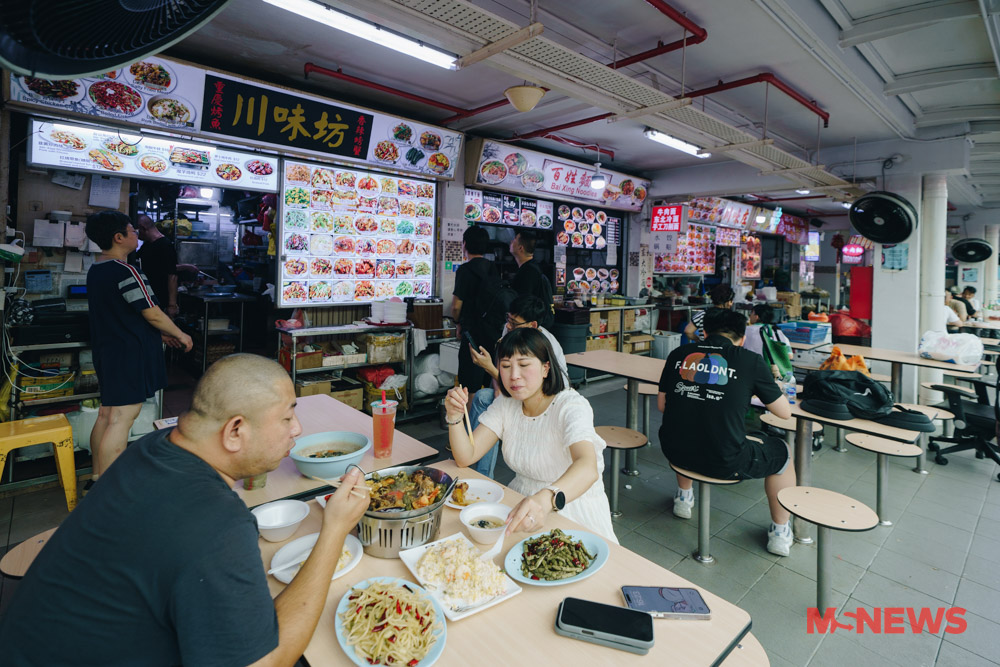
Eliza Tan, 45, a mala lover, said: “Before mala became a thing in Singapore, I always made it a point to eat it whenever I go to China.”
Ms Tan, a marketing consultant to law firms, continued: “I love 水煮鱼 (Sichuan boiled fish). It’s my favourite mala dish.”
Perhaps most importantly, mala can be shared, and you rarely eat it alone.
Whether it is over lunch with colleagues or at 2am with friends, mala brings people together over burning tongues and “so spicy but so good” moments.
Mala has become a part of local culinary culture
Mala is not just a food trend anymore, it has evolved to become a part of Singapore’s culinary fabric.
As long as we keep craving spice, heat, and that addictive mouth-numbing kick, stalls like Lao Da, Ri Ri Hong, and Shu Du Fan Dian will continue to thrive.
Chef Seow Tzi Qin (TQ), 37, Chef Partner at Jiak Kim House, shared with MS News: “Mala has stood the test of time because it hits that perfect trifecta; heat, numbness, and depth.”
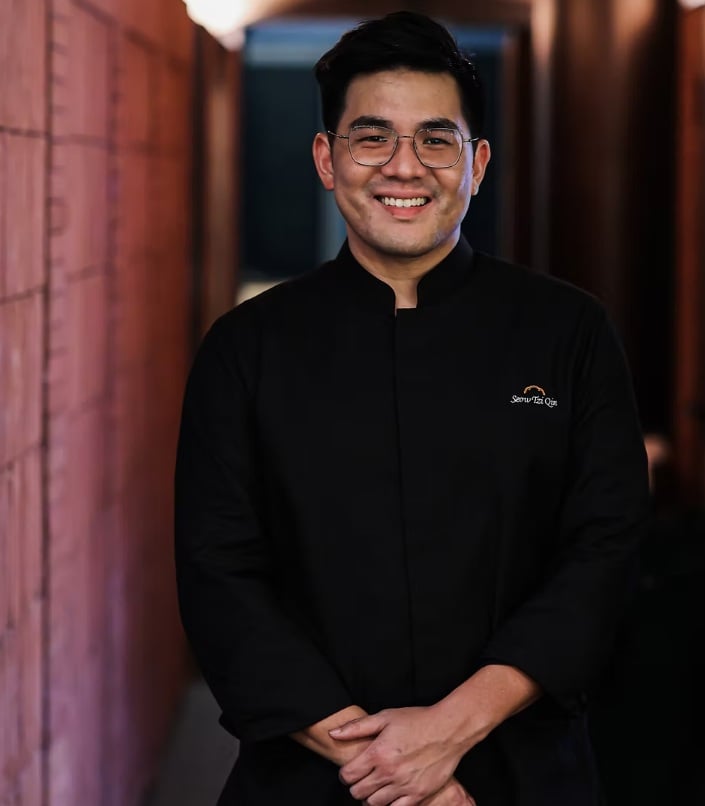
Source: Chef Seow Tzi Qin
“As a chef, I respect how a single spice blend can awaken every sense and turn even the simplest ingredients into a full-blown experience,” he added.
“It’s not just flavour, it’s a sensation, and that’s what keeps people coming back.”
As if to remind Singaporeans of their love for mala, Takagi Ramen recently launched the Chongqing Mala Coffee (yes, for real).
According to their Instagram post, one sip awakens your senses, while the next leaves you craving more of this popular and trending drink from Chongqing, China.
So the next time you’re sweating over a bowl of mala, just know you are not alone.
You are part of the spice-loving nation that refuses to let go of this favourite fiery flavour from China.
Also read: Is Vietnamese coffee taking over S’pore? More hawker stalls selling alternatives to Nanyang kopi
Is Vietnamese coffee taking over S’pore? More hawker stalls selling alternatives to Nanyang kopi
Have news you must share? Get in touch with us via email at news@mustsharenews.com.
Featured image by MS News. Photography by Ngô Huy Toàn.