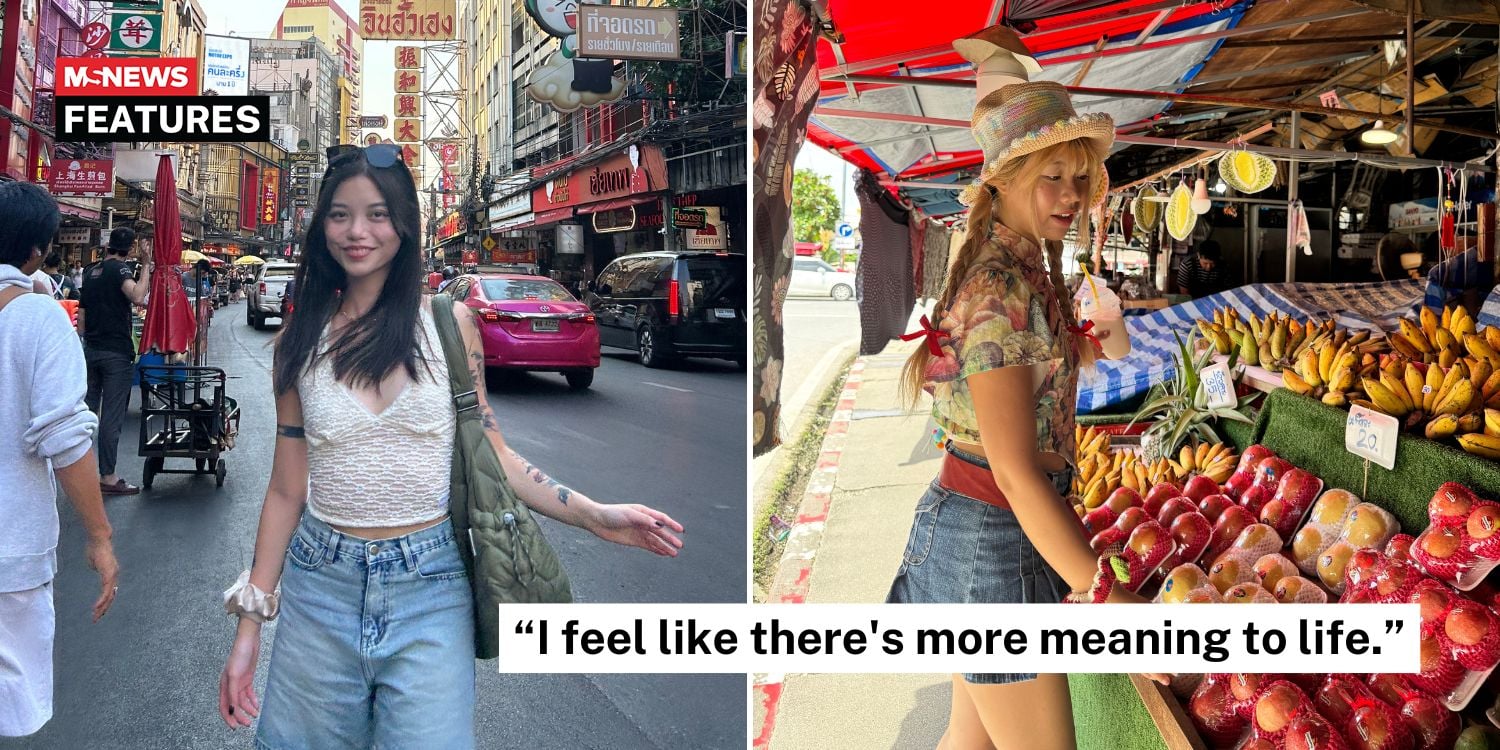

Young Singaporeans share why they chose to live in Thailand
Moving overseas — especially to somewhere you have no family — is a leap of faith not everybody is brave enough to take. Additionally, it takes courage to accept that the place you’ve known as home isn’t always the best for your well-being.
However, for some young Singaporeans, moving to a different environment and prioritising their mental wellbeing is almost a no-brainer.
Singaporeans Nyen, 29, and Fuwari, 28, are two such individuals who have moved to a country which they think better suits their lifestyle.
These two young women have been sharing their experiences living in Thailand on social media, sparking the interest of others in the Little Red Dot on why they chose to live there and how they make it work.
29-year-old Singaporean moved to Bangkok for a career break
Bangkok-based Nyen describes herself as “funemployed”, being on a career break. She is currently living off her savings and some earnings from content creation, including helping her go-to Muay Thai gym with social media.
Having a positive impression of Thailand from her numerous past visits to the country, Nyen had previously moved to Thailand in 2024. However, she had to return to Singapore for work after about five months.
Still, Nyen was drawn to Thailand. She spent several months flying back and forth before ultimately quitting her job and moving back to Bangkok in Oct 2025.

Image courtesy of Nyen.
When asked why she made the bold decision, Nyen replied that she “really just wanted to be away from Singapore,” as she had been going through a lot of mental stress because of work.
“I feel like in Singapore, there’s a lot of conversation about money, promotions, cars, buying a new house, and there’s no conversation outside of that. It just feels very uninspiring and really exhausting,” she said to MS News.
Freelance designer relocates to Chiang Mai as a digital nomad
Meanwhile, Fuwari is a freelance designer who has been living in Thailand for a year.
Before moving, she was a self-employed graphics designer and a part-time social media manager.
During her first trip to Chiang Mai, she felt connected to the city and loved the vibe and slow pace of life there. Additionally, she met other foreigners who lived there, which sparked her interest in the possibility of living there herself.
“I didn’t go to university, so I don’t have a degree. It’s not easy for me to move overseas,” she shared, citing that in some places, such as the United Kingdom, higher education is required to obtain a long-term visa.
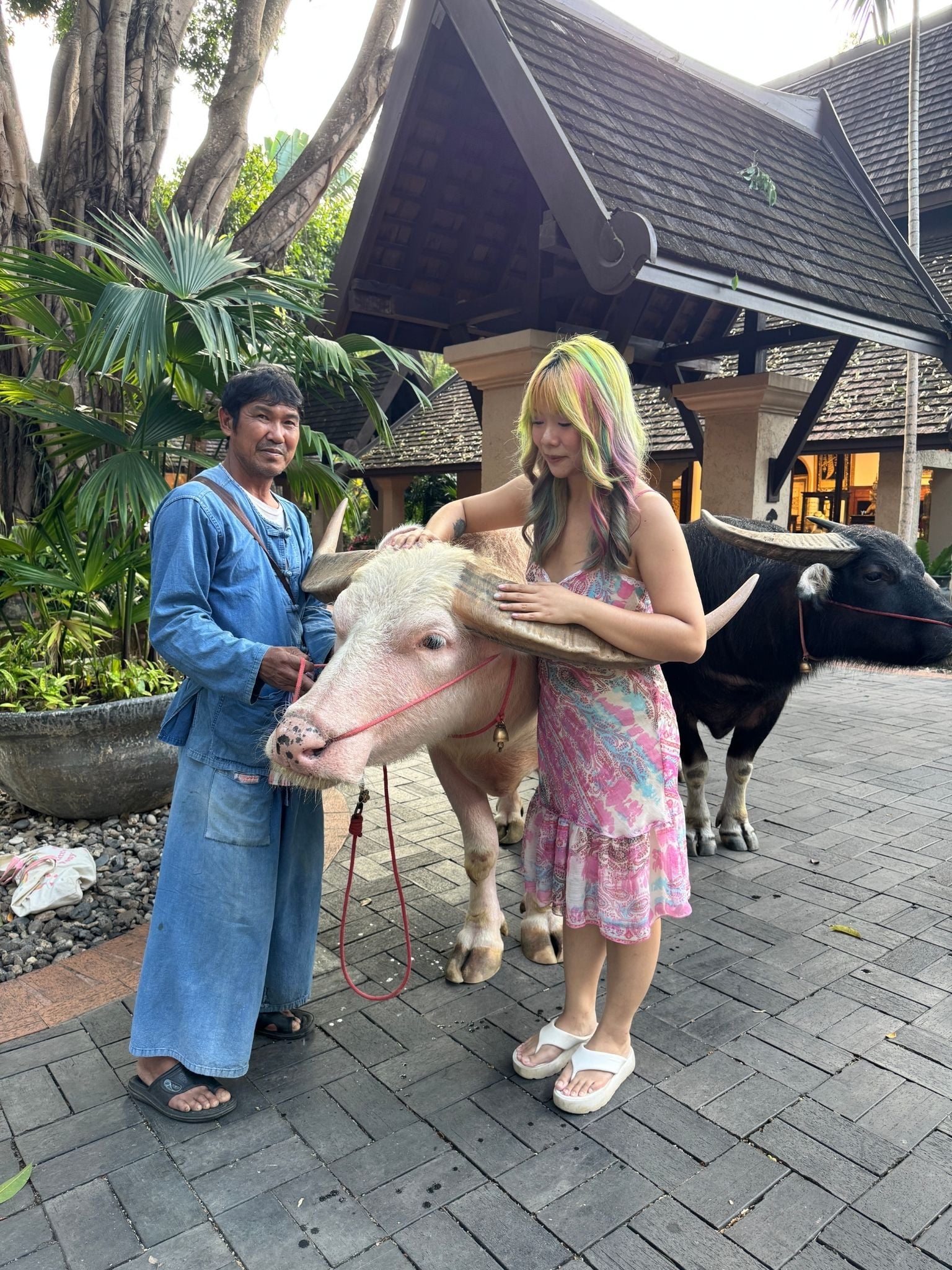
Image courtesy of Fuwari.
After learning that she could get a a Destination Thailand Visa (DTV) by having a remote job, she worked for two years to build her own role, where she can work flexibly, to prepare for her move.
The DTV allows digital nomads and those who want to engage in “Thai Soft Power” activities such as Muay Thai courses, medical treatment, seminars, and music festivals to stay in the country for five years, 180 days at a time.
Fuwari shared that she and Nyen did not know each other from Singapore.
Their friendship began when Nyen messaged her on Instagram after seeing her on social media and learning she was also a Singaporean living in Thailand.
Families supportive of their move to Thailand
Nyen and Fuwari’s families were each supportive of their move to another country.
Nyen admitted that her family was quite worried at first, as she used to be someone who was scared to do anything — even something as small as ordering food — alone.
However, she eventually proved to them that she could survive, and thrive, on her own.
Meanwhile, Fuwari didn’t have any difficulty gaining support, coming from a family of jetsetters. All of her three sisters had moved abroad, and her parents, both retired, travel full-time.
She herself has been a digital nomad for three years and travels often. “They were very used to me going around,” she said.
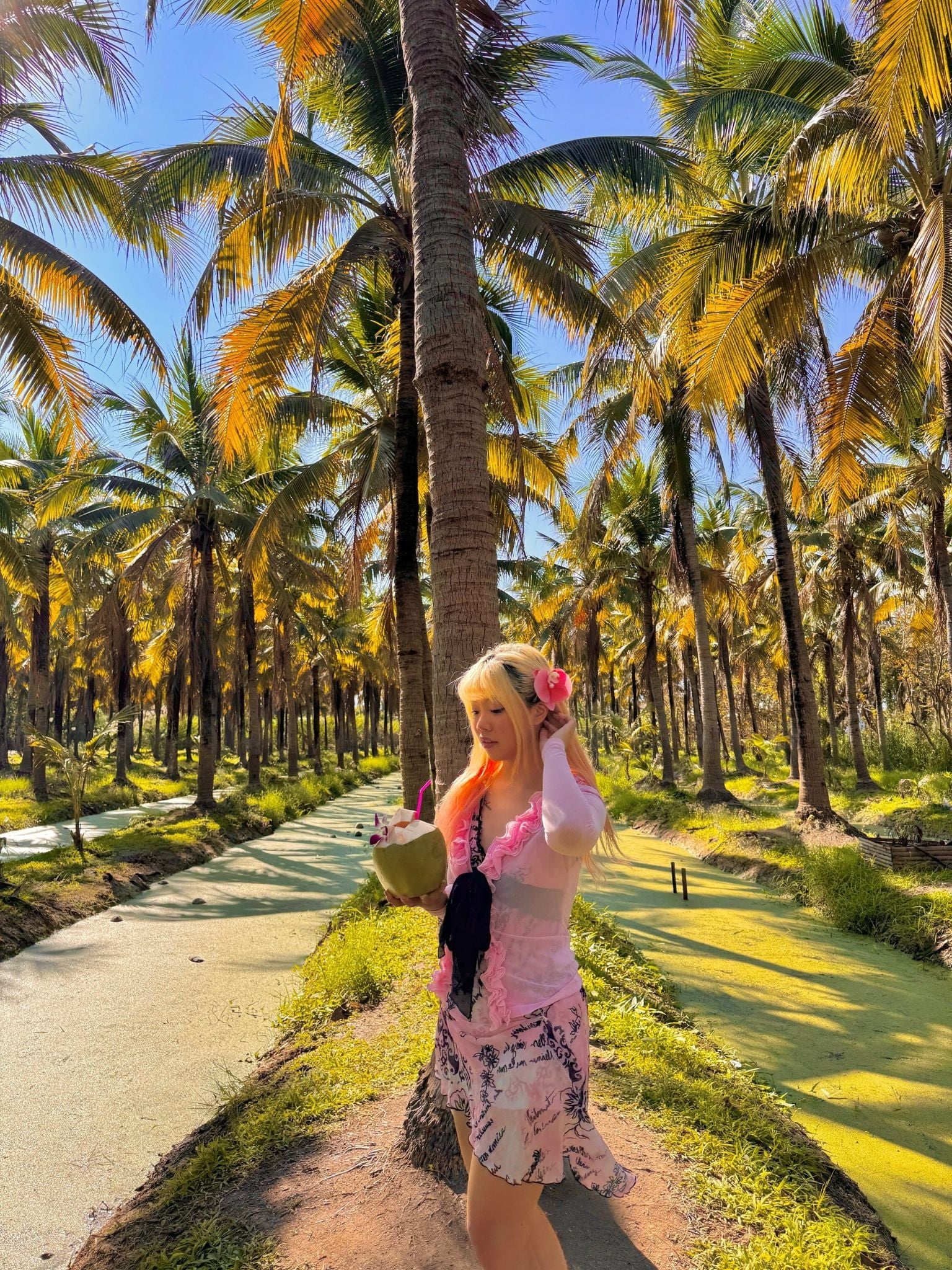
Image courtesy of Fuwari.
As for the friends they left back home, Nyen and Fuwari both said their friendships are low-maintenance.
When Nyen was still in Singapore, she would meet her friends once every three to six months, as each person was busy living their own lives.
“If there’s anything anyone needs, we just call each other up. It’s the same when I’m in Thailand as well,” she said.
Similarly, Fuwari said she and her friends talked a lot more than they met, so her decision to move wasn’t a problem.
“I think the distance has really helped the friendship grow as well,” she shared, adding that her friends sometimes fly to Chiang Mai when they miss her.
Singaporeans share cost of living in Bangkok and Chiang Mai
In Bangkok, Nyen shared that she pays about THB15,000 (S$620) a month for a one bedroom apartment outside of town.
She also spends about THB10,000 (S$413) on food — from local stalls, cafes, and delivery services — which she often shares with her trainers at the Muay Thai gym.
“Everything else is cheaper, except for transport,” she said, explaining that she spends THB7,000 (S$290) a month on Grab Bikes as she goes to the gym twice a day, and it is quite far from her apartment.
“Even the trains are more expensive here than in Singapore.”
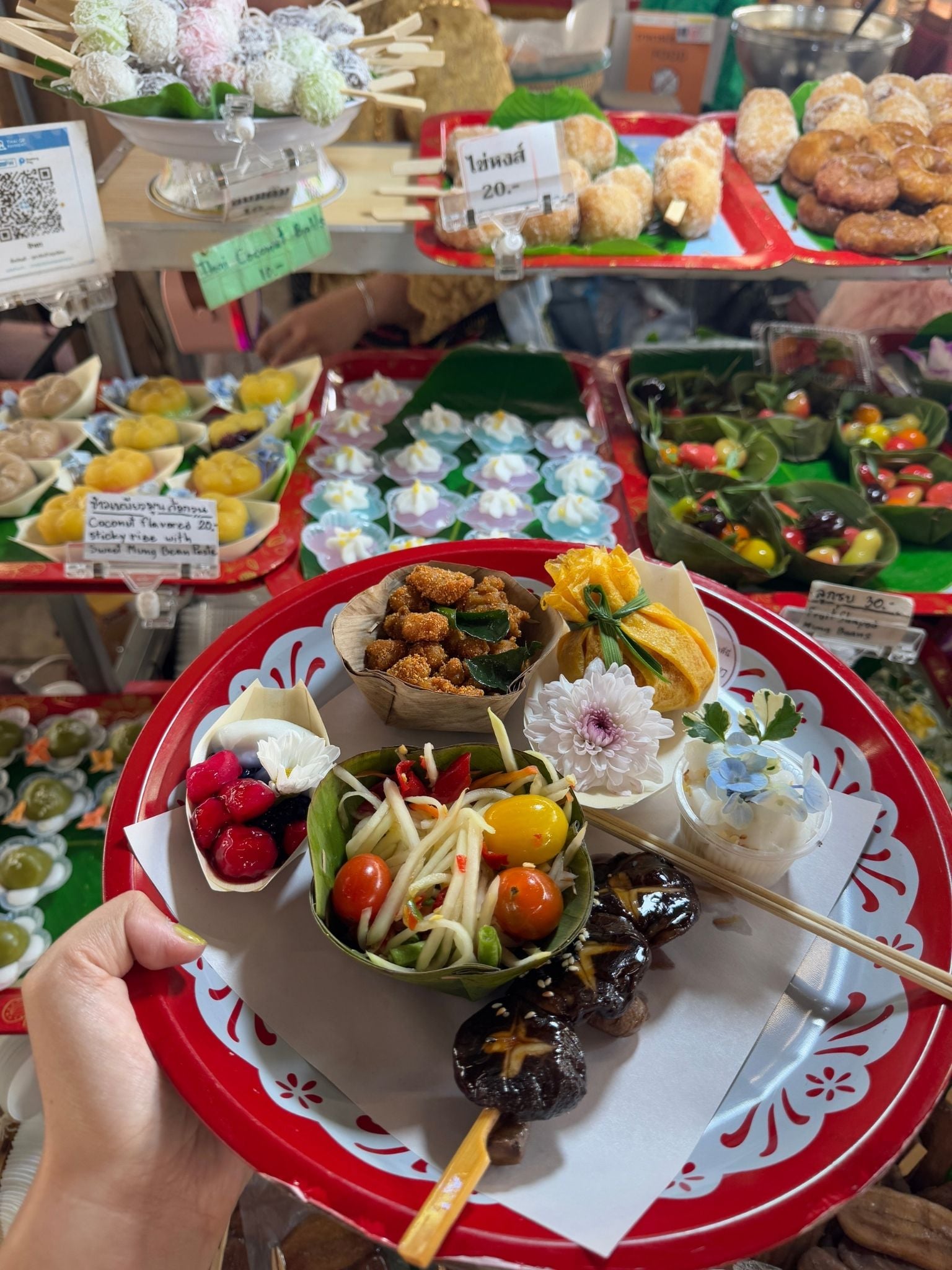
Image courtesy of Fuwari.
On the other hand, the cost of living in Chiang Mai appears to be much lower. Fuwari estimates her monthly expenses to be between S$2,500 to S$3,000, including shopping and entertainment.
She shared that she pays a rent of S$500 a month for a studio apartment, which is inclusive of water and wifi, plus S$20 monthly for electricity.
Unlike Nyen in Bangkok, Fuwari finds the cost of each Grab Bike trip in Chiang Mai similar to the cost of riding a bus in Singapore.
“Per trip, it will be about S$2 to S$4,” she said.
Nyen added that the cost of food and drinks at cafes in Chiang Mai is only slightly lower than in Singapore, saying a glass of matcha at a popular spot costs about S$8.
Young expats recommend learning Thai to connect with locals
However, moving to a different country is not without its challenges. While both had learned some Thai prior to moving, Nyen and Fuwari struggled with the language barrier at the beginning.
While more people can speak English in Bangkok, Nyen said there are language nuances and cultural differences that need to be considered when communicating with locals.
“Thai people are so non-confrontational,” she expressed. “Even if you do something wrong, say something wrong, or there’s a miscommunication, they won’t call you out for it.”

Image courtesy of Nyen.
Both said that due to the language barrier, they initially made connections with other expats and travellers, but these friendships weren’t sustainable, as they eventually had to leave.
“I was very lonely for like, four months because there were hi-bye friends, but I had no deep connections,” Fuwari admitted.
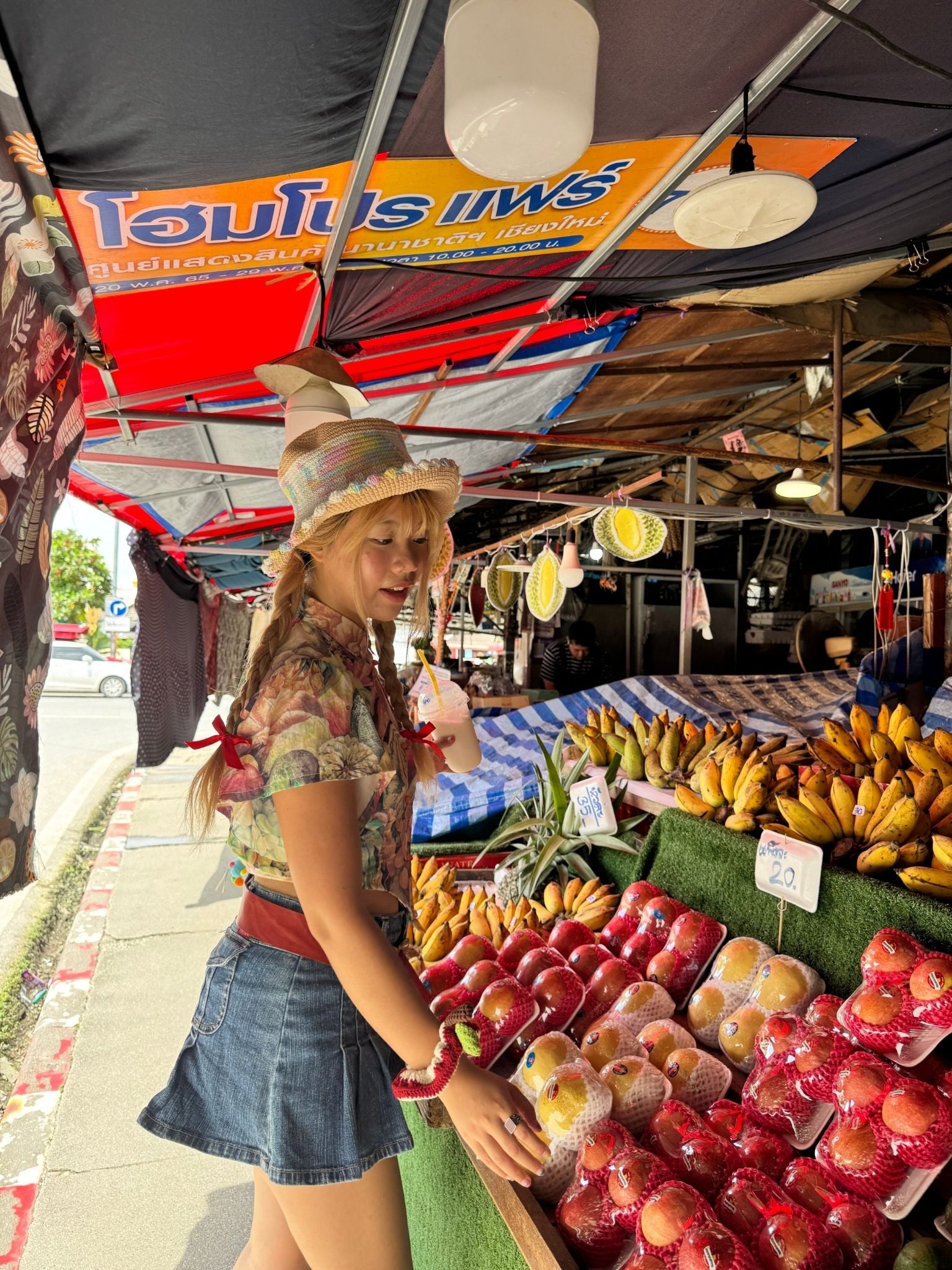
Image courtesy of Fuwari.
As for day-to-day exchanges, Nyen and Fuwari have differing opinions on whether knowledge of the Thai language is a necessity, based on their experiences living in different cities.
Nyen believes Google Translate is enough to do errands in Bangkok, while Fuwari thinks knowing how to speak basic Thai is handy when living in Chiang Mai.
Fuwari shared that during peak tourist season, it can be difficult to book a Grab Bike, so being able to communicate with tuktuk and bus drivers can help someone reach the correct destination and avoid upcharging.
Supportive community helped Singaporean become more courageous
Despite the challenges they faced as foreigners in another country, these Gen Z Singaporeans think living in Thailand has improved their lives.
“A lot of people would say Thailand would improve their life in the cost-of-living kind of way, because they are able to get more with less,” Nyen said. “But for me, it’s, it’s not so much about that. I think it’s about the people, because of how they uplift you.”
She shared that, back at home, her friends would tell her not to quit her full-time job, telling her that, although it made her unhappy, it would help her buy a house or a car.

Image courtesy of Nyen.
“But people here they’re like, ‘I saw that video. You’re doing so well. Let us know how we can help.’ They’re always helping me share my videos, telling their friends to engage me, stuff like that,” she said, adding:
I feel like that support from the community has really helped me to be more courageous, to be just happier and like more willing to do things that I want to do instead of what society tells me to do.
Living in Thailand improved mental health
Meanwhile, Fuwari thinks Chiang Mai’s slow pace has improved her nervous system and mental health.
While clubbing was something she often did with friends in Singapore, she found herself ditching this for road trips, taking advantage of Chiang Mai’s scenic nature spots.
She also shared that she did not exercise at all when she was in Singapore, despite the country having facilities for various activities. Now, she goes on hikes and does Muay Thai two to three times a week.

Image courtesy of Fuwari.
“With better physical health, your mental health also will become better, and then you become naturally happier,” she said.
Additionally, Fuwari admitted that she always questioned her purpose when she was in Singapore. While she still hasn’t figured it out, she said living in Thailand has made her more adventurous.
“I feel like there’s there’s more meaning to life, because there’s a lot of things I haven’t seen,” she expressed. “I just learn a lot more, rather than staying stagnant in Singapore, where I’m just so complacent with everything else.”

Image courtesy of Fuwari.
Young Singaporeans encourage others to take the leap
Nyen said she knows she will eventually have to move back to Singapore to support her ageing parents, but she expressed that she would like to stay in Thailand for as long as she can.
She plans to travel outside Bangkok to make content about life in the outskirts of Thailand, and hopes it will help boost tourism in these areas.

Image courtesy of Nyen.
Meanwhile, Fuwari said she is someone who can be very spontaneous and decide to move to another country anytime, but hopes to stay in Thailand for at least another year, before doing so.
She also acknowledged she will eventually have to move back to Singapore, but hopes she won’t need to until she’s older. “Right now, I feel I’m young. I should go around, not just stay in one place.”
When asked if they have any advice for Singaporeans thinking about moving to Thailand, Fuwari said, “If you really want to do it, make your dreams a reality.”
She said she understands that it is a privilege to be able to move to a different country, but thinks others can find a way, just like she did.
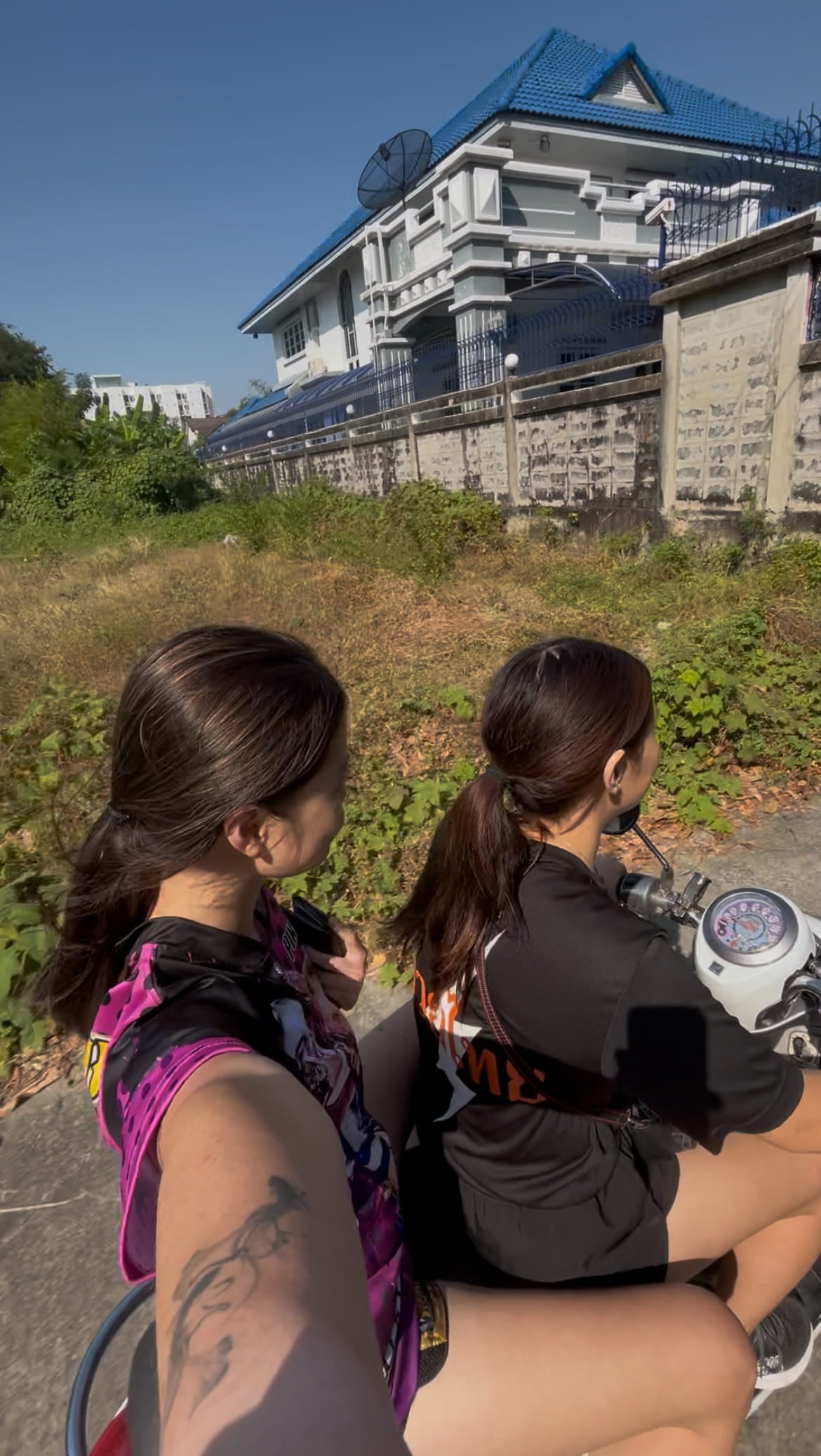
Image courtesy of Nyen.
Meanwhile, Nyen said:
Just do it. Nobody regrets it. Even if it doesn’t work out for you, you will learn something about yourself. You’ll learn something about the people around you, learn something about life… And if it’s not for you, it’s not for you. There’s no shame in trying and not liking it.
Also read: S’porean quits tech startup to start bookstore, raises over S$50K for children’s education in Nepal
S’porean quits tech startup to start bookstore, raises over S$50K for children’s education in Nepal
Have news you must share? Get in touch with us via email at news@mustsharenews.com.
Featured image courtesy of Nyen and Fuwari.