
Covid-19 cases rise to 12,700 in past week, average daily hospitalisations also up
Singapore’s Covid-19 cases rose by more than 58% over the past week, with a majority of the infections due to a single variant.
The Communicable Diseases Agency (CDA) is monitoring the latest wave, it said in a press release on Thursday (21 May).
Covid-19 cases rise by 4,700 over previous week
From 10 to 16 May, 12,700 estimated Covid-19 cases were reported — 4,700 more than the 8,000 reported in the previous week from 3 to 9 May.
Over the same period, the average daily number of hospitalisations due to Covid-19 increased from 56 to 73, CDA said.
The figures include an average of one case admitted per day to the Intensive Care Unit (ICU).
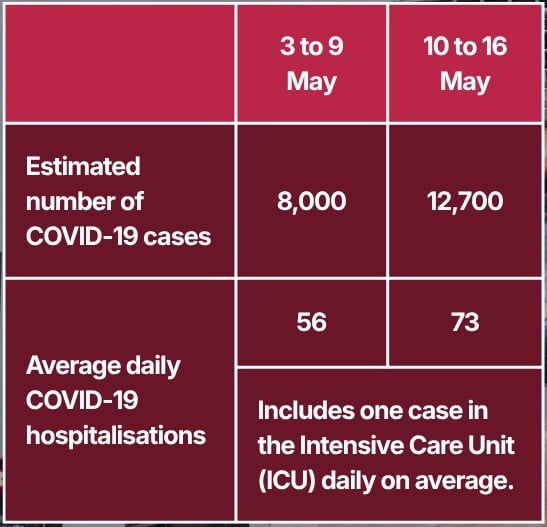
Source: Communicable Diseases Agency – CDA on Facebook
No indication that S’pore’s current main variant is more transmissible
More than half of locally sequenced cases were infected by the NB.1.8.1 variant, CDA noted.
A descendant of the JN.1 variant, it is the main Covid-19 variant currently circulating in Singapore.
But CDA assured that there is “no indication” that the locally circulating variants are more transmissible or cause more severe disease compared with those that previously circulated.
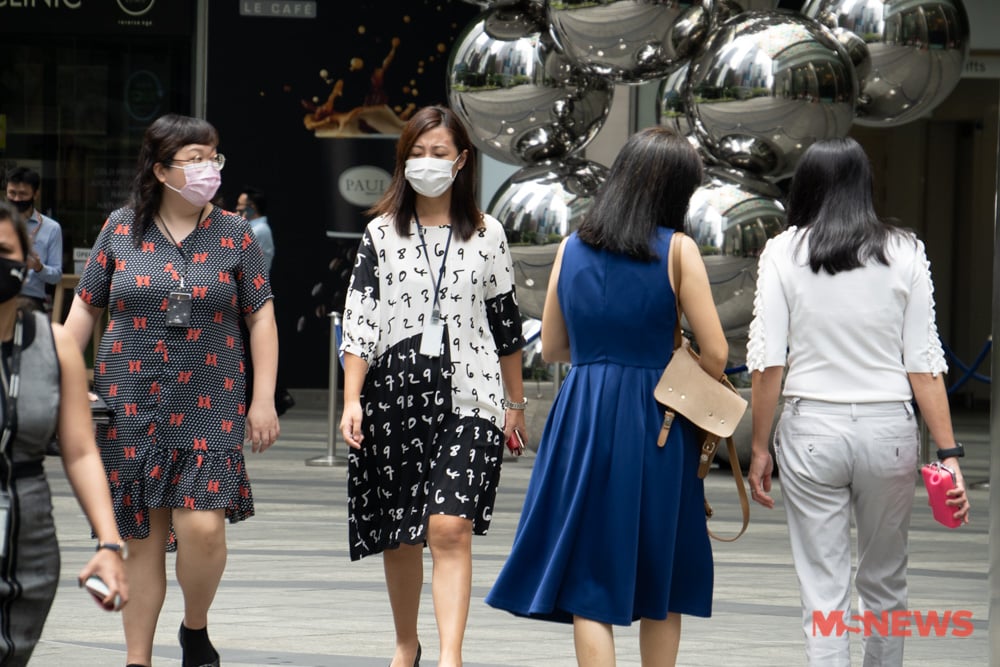
At-risk individuals advised to get jabbed
As Covid-19 is now considered an endemic respiratory disease, “periodic” waves are expected throughout the year, as with other such diseases.
Several factors could be behind the current increase in cases, including waning population immunity, CDA said.
Thus, it advised at-risk individuals, i.e., those aged 60 and above and who are medically vulnerable, to be up to date with their vaccinations.
It also encouraged healthcare workers and those living or working with medically vulnerable individuals to get jabbed.
All persons aged six months and above can continue to get the Covid-19 vaccine at participating general practitioner clinics and polyclinics.
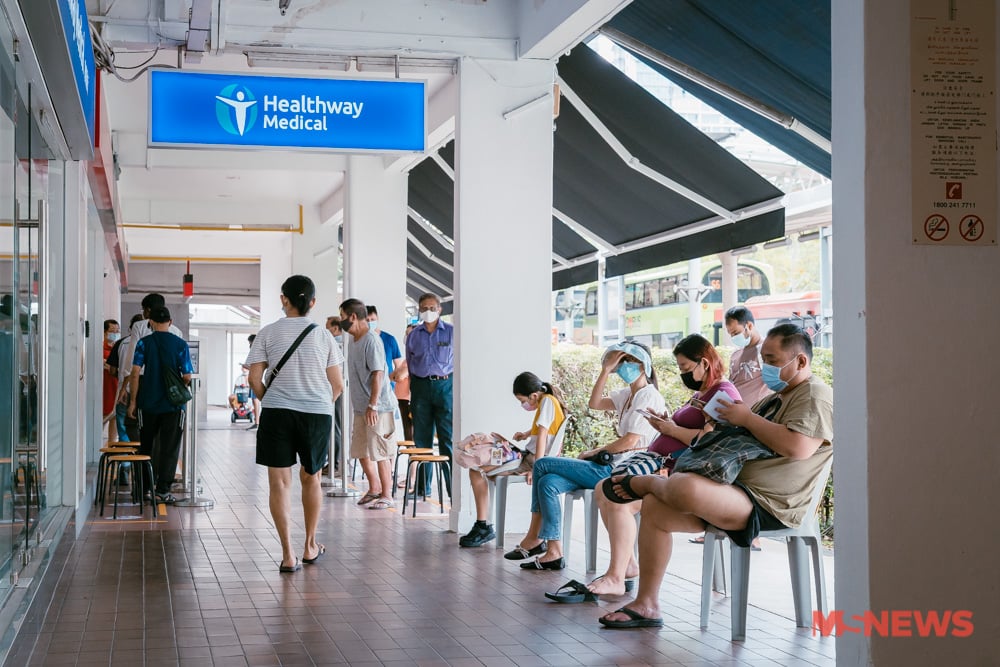
The current vaccine is still effective against the NB.1.8.1 variant, CDA added.
Public should observe precautionary measures
CDA also urged the public to observe precautionary measures and be personally and socially responsible for one’s health and the health of others.
For example, good personal hygiene should be maintained, such as washing hands frequently and covering one’s nose and mouth while coughing or sneezing.
Those who are unwell should minimise social interactions and unnecessary travel.
If symptoms like runny nose, sore throat, headache and fever develop, a mask should be worn.
Have news you must share? Get in touch with us via email at news@mustsharenews.com.
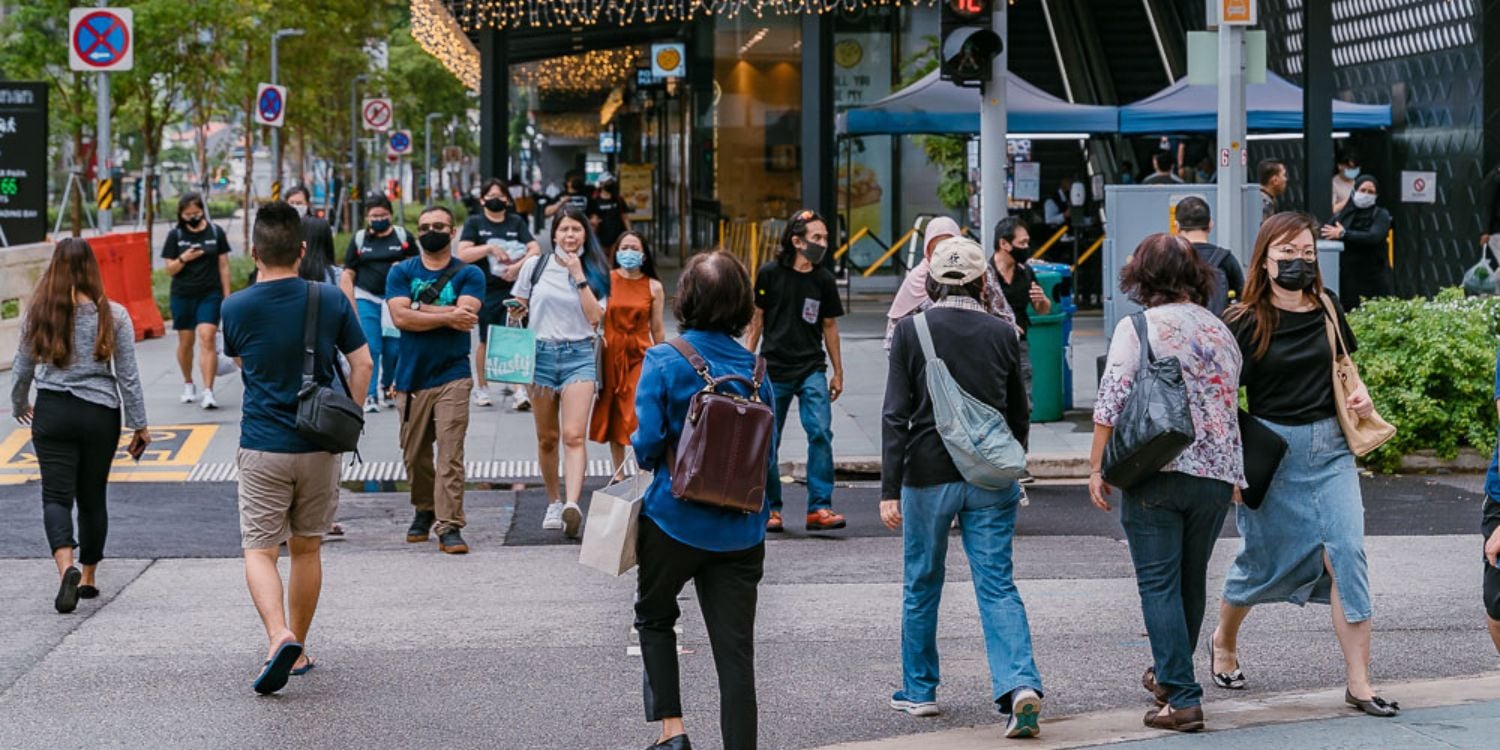
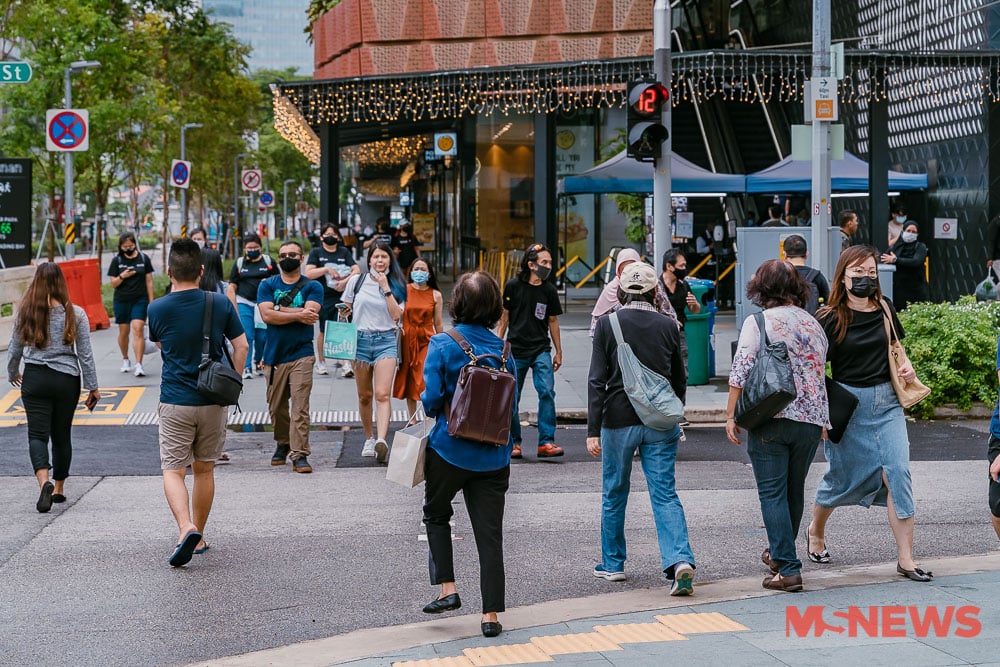
Featured image from MS News.