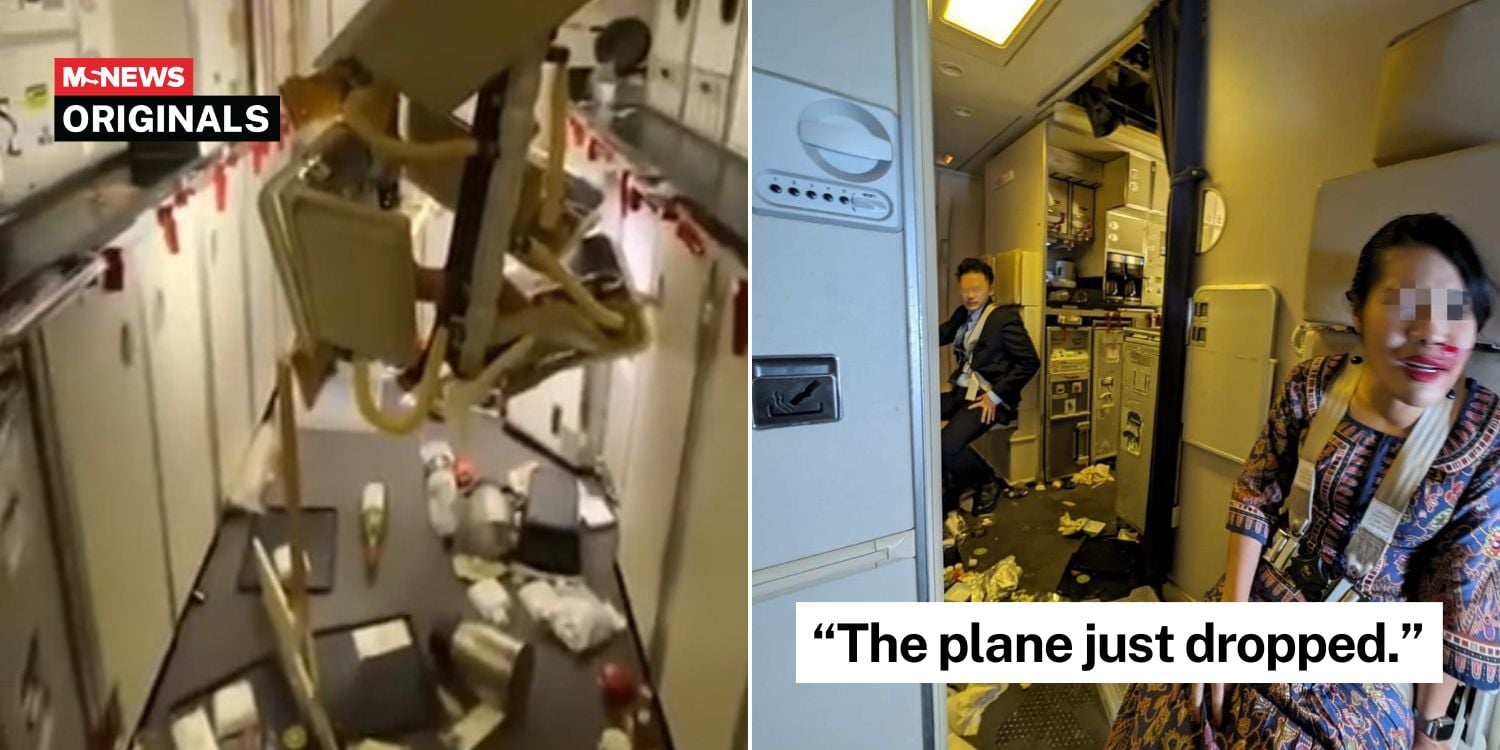

Flight SQ321 experiences severe turbulence that flung passengers into the cabin ceiling
On 21 May 2024, Singapore Airlines flight SQ321 was on its way to Singapore from London when disaster struck.
The plane went through clouds, which caused severe turbulence.
Passengers were suddenly flung from their seats into the ceiling, injuring nearly 80. The flight crew quickly made the decision to divert to Bangkok after they learned about injuries to the passengers.
Despite their decisive actions, one elderly man died as a result of the incident. Singapore Airlines quickly announced that it would be cooperating with investigations by the Transport Safety Investigation Bureau (TSIB) as well as financially supporting those affected.
Nearly two years on, TSIB released a full investigative report on the incident on 19 May. They concluded that the aircraft’s weather radar may not have captured the turbulence.
Passengers flung to the ceiling amid turbulence
At 3.30pm SGT on 21 May 2024, SQ321 was cruising at 37,000 feet in Myanmar when the cabin crew began to wake passengers up for breakfast service. The flight crew observed their immediate path to be clear of clouds, with only high-level clouds spotted in the distance. There were also no weather radar returns.
Around 14 minutes later, the flight crew requested a slight change in route from Yangon air traffic control, citing weather conditions. TSIB noted that this was more tactical — so that they would be given the direct route — rather than the request being out of real concern.
Yangon air traffic control offered an alternate route, which the crew accepted. There were no further mentions of the weather until they hit turbulence at around 3.49pm.
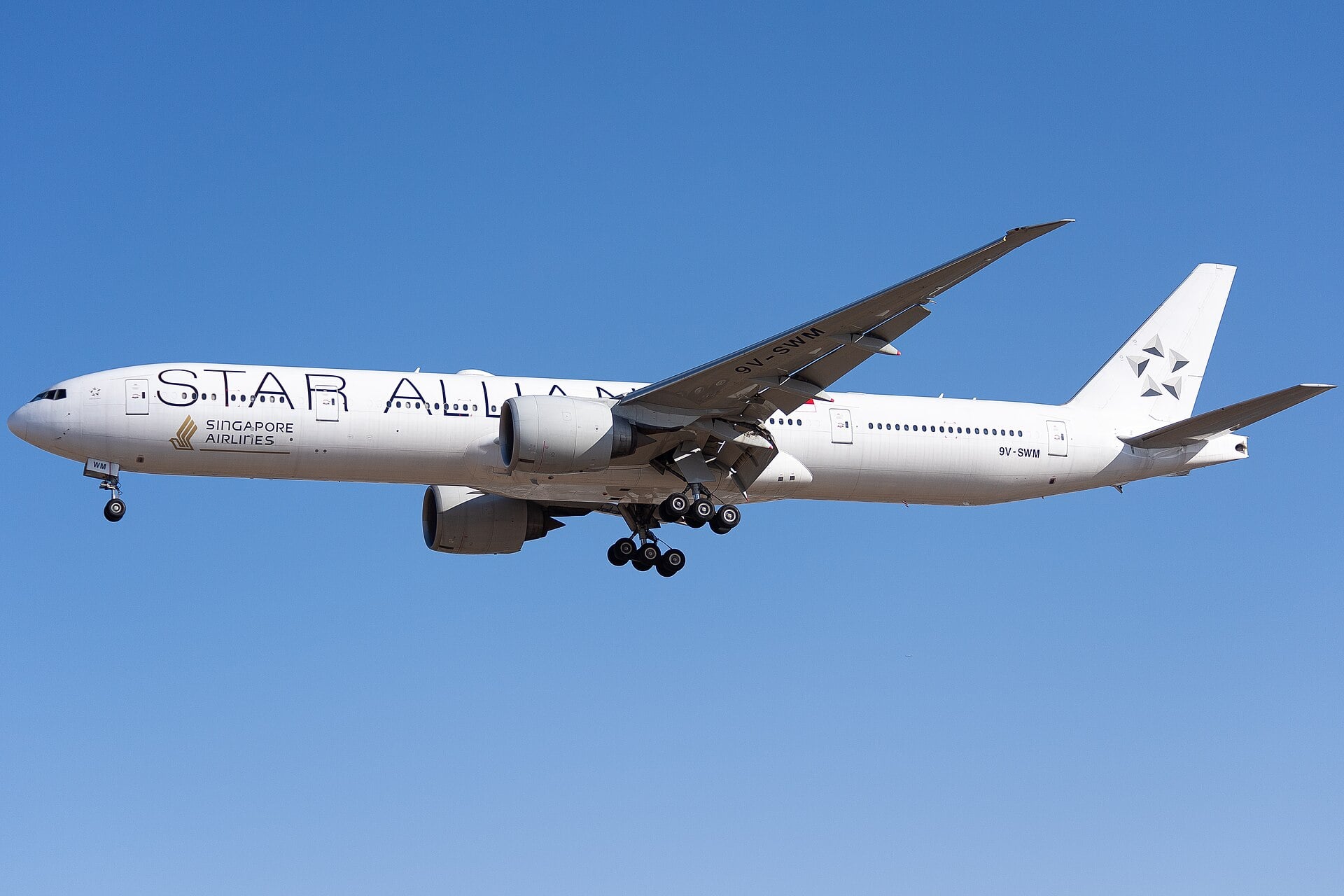
Source: Wikimedia Commons
When they noticed the change in weather conditions, the pilots immediately deployed the air brakes and turned on the seat belt signs.
Data shows vertical acceleration between +0.44G and +1.57G over the next 17 seconds. These would result in slight vibrations.
Then severe turbulence struck.
In just over half a second, vertical acceleration dipped from +1.35G to -1.5G. This rapid change likely flung any passengers without their seatbelts on into the ceiling.
Over the next four seconds, vertical acceleration surged back to +1.5G.
The plane gave a stall warning, prompting pilots to assume manual control of the aircraft. They flew manually for the next 21 seconds before the situation stabilised and they re-engaged the autopilot.
Immediate diversion after injuries reported
The TSIB investigation noted the pilots’ surprise at the sudden turbulence. Both pilots mentioned a lack of clouds outside, and their instruments did not show anything alarming either.
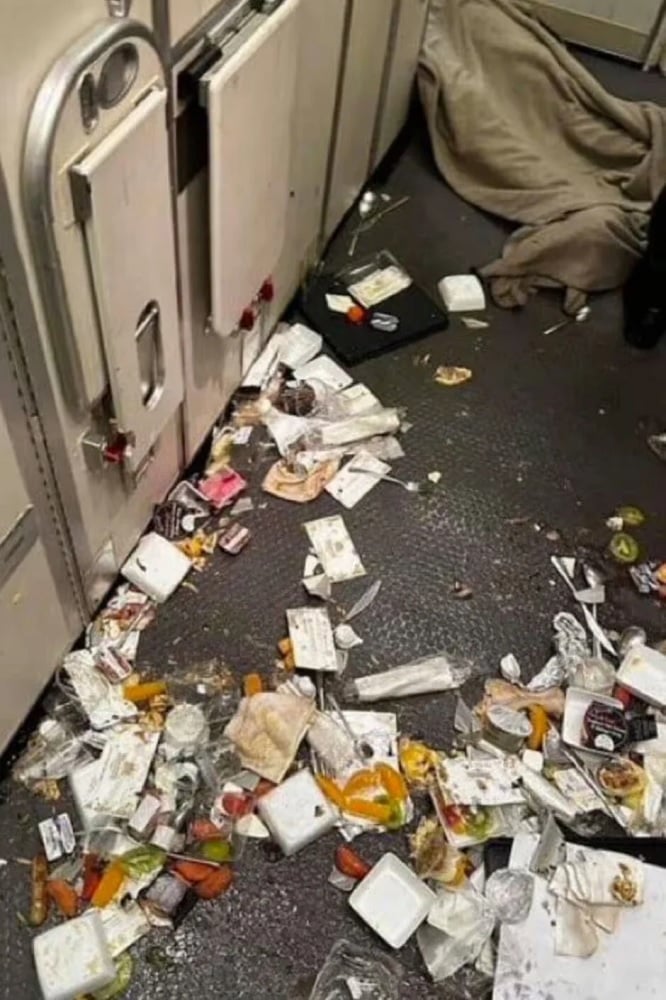
Cabin crew then informed the pilots of multiple passengers experiencing injuries. Photos show food, utensils, and various items scattered on the cabin floor.
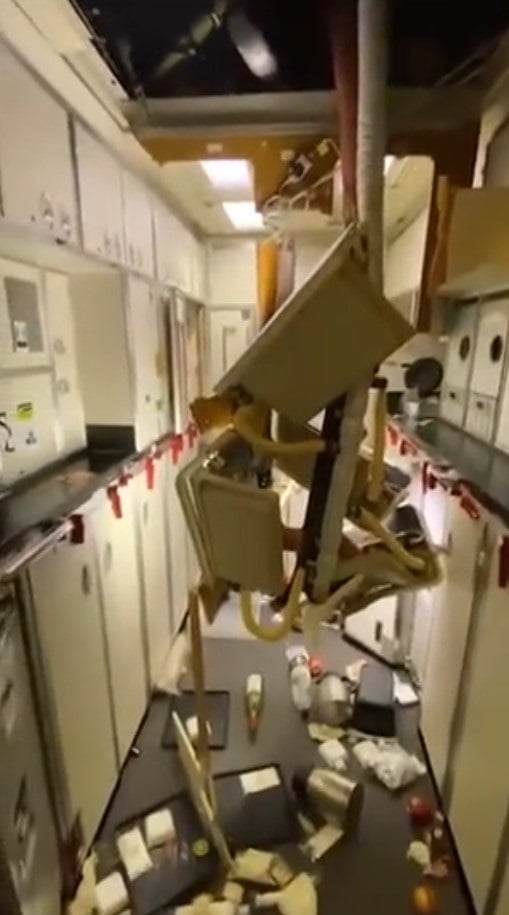
Source: @thaipbsworld on TikTok
The pilots declared Mayday and diverted to Bangkok’s Suvarnabhumi Airport. They also requested emergency medical services.
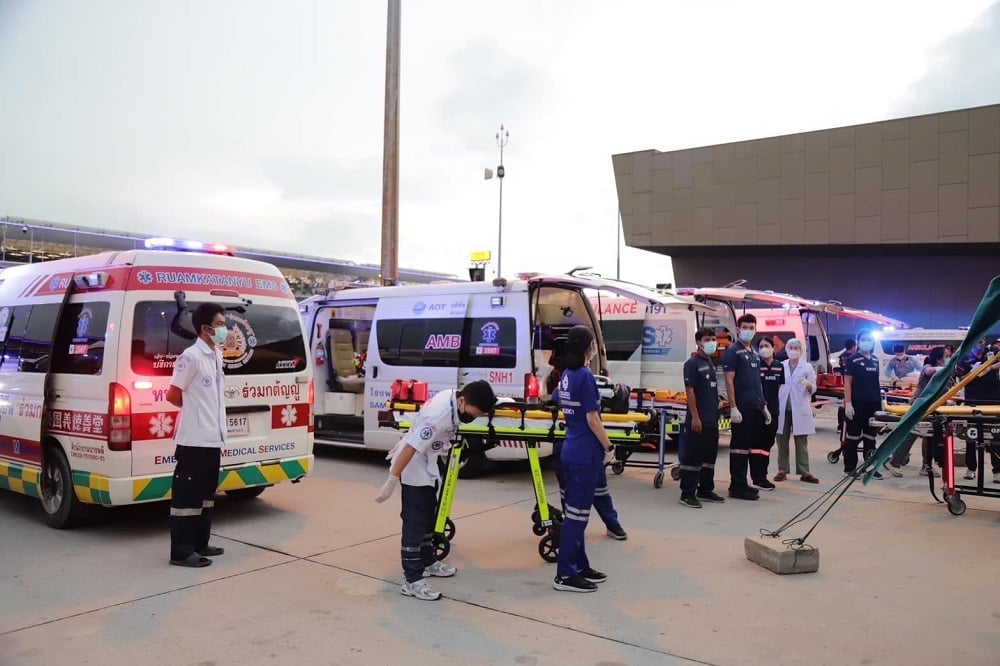
Source: Suvarnabhumi Airport on Facebook
On their way to the airport, the pilots visually noted clouds but saw no weather returns on their instruments. Their weather radar began showing readings again after they descended below 31,000 feet.
SQ321 landed at 4.45pm.
Geoffrey Kitchen, a 73-year-old British man, died. A total of 79 people were hospitalised for their injuries. Most suffered minor injuries to the head, while some were critically injured.
Passengers describe scenes of turmoil
One of the passengers on board SQ321 would later recount his experience on social media after the incident.
Andrew Davies recalls seeing the seatbelt sign flash on and immediately afterwards, the plane “just dropped”.
Many had cuts and were bleeding. Passengers with medical training scrambled to help the injured, including performing CPR on the man who passed away.
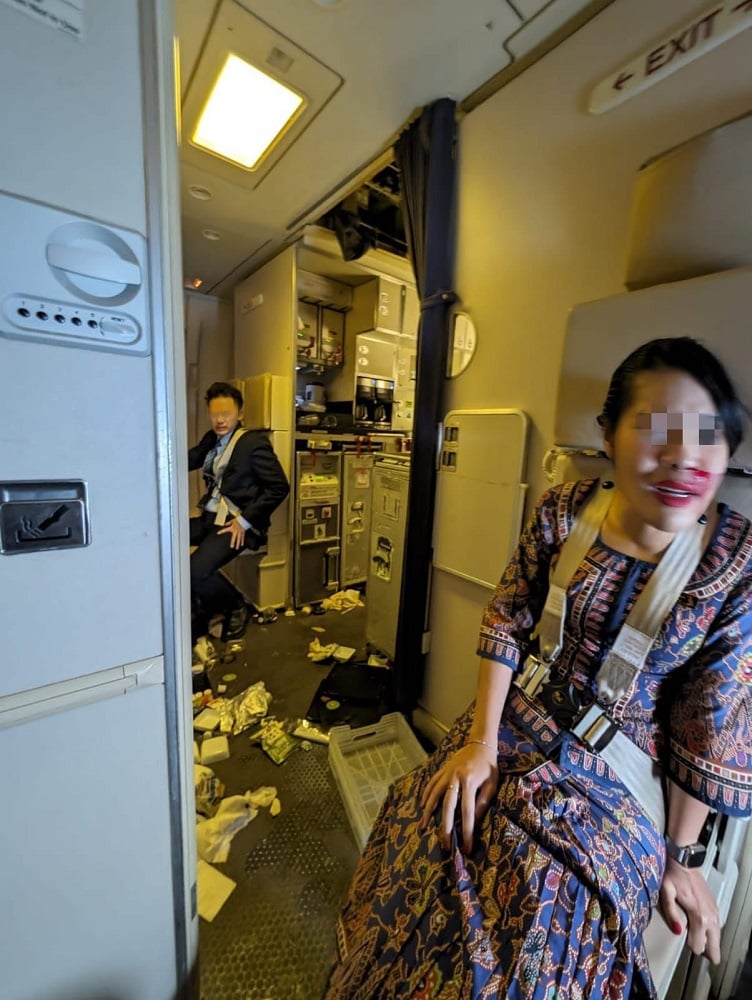
Source: @airplusnews on X
One of the cabin crew allegedly told him that the turbulence was the “worst in her 30 years of flying”.
A photo circulated on X showed an SIA cabin crew member with blood on her face, and carnage behind her.
Investigators unable to conclude if weather radar fault was part of incident
The TSIB investigation said it was inconclusive whether there were any issues with the weather radar.
However, they did note maintenance records show that the device had failed to display weather data just six days before the incident.
After reviewing around 29,000 SIA flights, investigators found only 12 cases of the weather radar underreporting conditions.
Three of these were from SQ321. Two were where the weather was underreported on 29 April 2024 and 1 May 2024. In the third case, reported on 15 May 2024, no weather was detected entirely.
Recordings also indicated that the captain had the radar set to the highest sensitivity at the time.
Investigators said they are “unable to understand” why the crew of SQ321 were unable to spot the clouds. However, they said the crew’s actions following the unexpected turbulence were appropriate.
The manufacturer, which was unnamed in the report, tested SQ321 radar equipment and found no evidence that it failed during the incident.
Safety recommendations
In their report, TSIB recommended Boeing develop instructions for how flight crews can identify and respond to weather radars under-painting or not detecting anything at all.
They also recommended that the manufacturer make their devices record weather data so that equipment errors can be more easily identified.
A recommendation was also made to the International Civil Aviation Organization to replace older radar equipment in large aircraft built before 2023.
Since the incident, SIA has informed their flight crews of how to manage similar weather radar issues, as well as strengthening training around managing turbulence.
Support given to the victims
To aid in their recovery, SIA offered passengers with minor injuries US$10,000 (S$12,800) in compensation. Those with more critical injuries were given an advance of US$25,000 (S$32,000), with further aid to be discussed with SIA.
Source: Daily Express
A full refund was also given to every passenger, including those who were not injured.
Three passengers from the UK are filing lawsuits against SIA for their injuries on the flight.
These include a 31-year-old telecoms engineer who suffered multiple spinal fractures and a head laceration after he was flung into the ceiling, as well as a man and his wife, who sustained a neck injury and a concussion respectively.
The couple also said their son was flung to the ceiling during the turbulence, but was uninjured.
Also read: This day 35 years ago: SAF commandos saved hostages on hijacked SQ117 in Operation Thunderbolt
This day 35 years ago: SAF commandos saved hostages on hijacked SQ117 in Operation Thunderbolt
Have news you must share? Get in touch with us via email at news@mustsharenews.com.
Featured image adapted from @thaipbsworld on TikTok and @airplusnews on X.