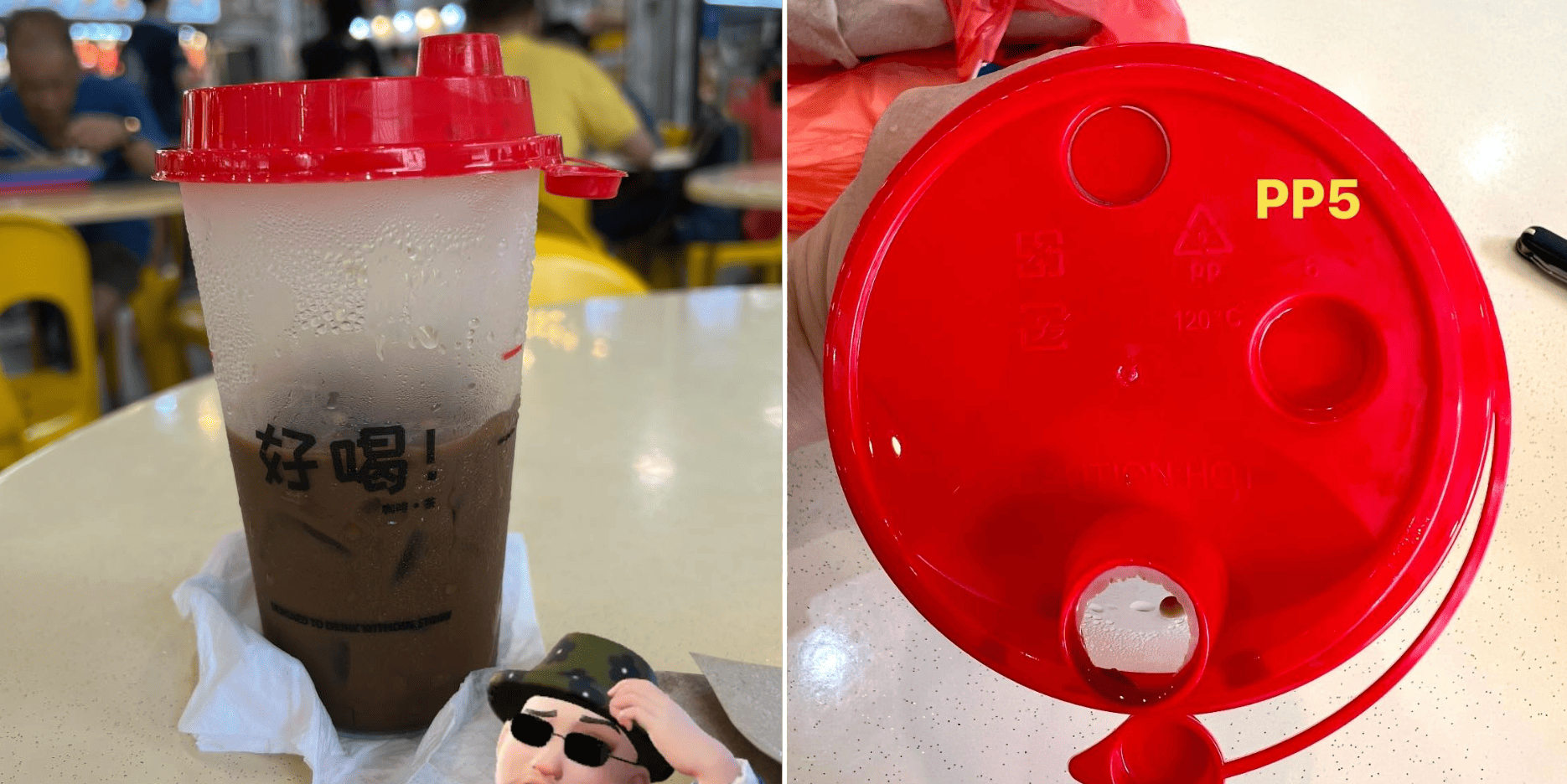

Singapore diner questions switch from glass mugs to ‘recyclable’ plastic cups for dine-in at local coffeeshops
A Singapore diner has sparked debate online after noticing that some local coffeeshops appear to be replacing traditional glass mugs with “recyclable” plastic cups for cold drinks.
The observation was shared on the Facebook page Complaint Singapore on Sunday (15 Feb), with the Original Poster (OP) questioning the logic behind the switch.
Iced coffee price allegedly rises alongside cup change
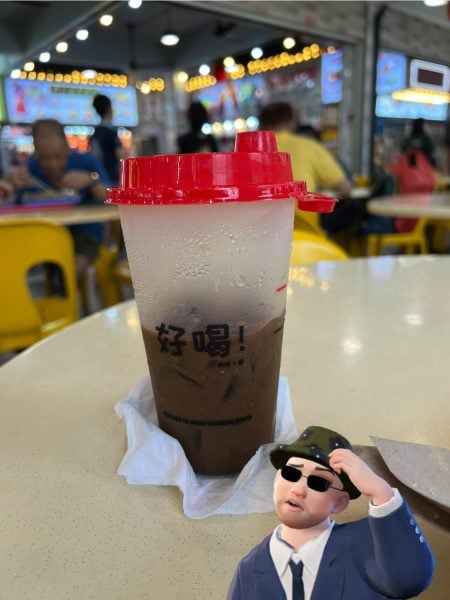
In the post, the OP pointed out that iced coffee previously served in glass mugs cost S$1.80.
However, the same drink now reportedly costs S$2 for a small and S$2.30 for a large when served in plastic cups.
Source: Complaint Singapore on Facebook
The OP suggested that the move towards plastic tumblers may have contributed to the price increase.
“I wonder how is it actually saving the environment”, the OP questioned.
Doubts over environmental benefits of PP plastic
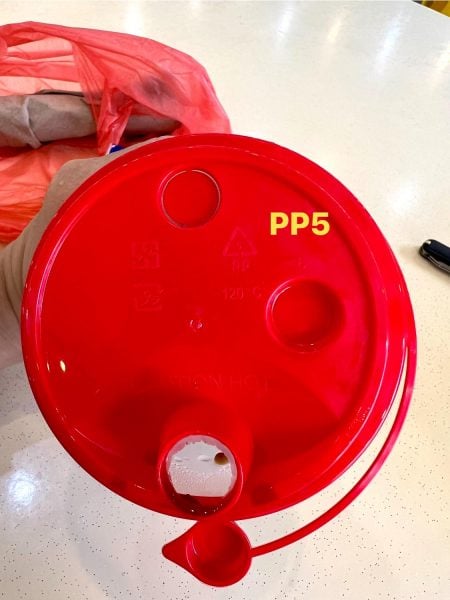
The OP claimed that some coffee shop operators, including Kimly, have begun using plastic tumblers labelled as recyclable.
These cups are typically made from polypropylene (PP plastic), also known as PP5.
While PP can technically be recycled, the OP questioned whether it is truly environmentally friendly.
Source: Complaint Singapore on Facebook
In the post, the OP said that PP5 is slow to break down naturally and can persist “in landfills and ecosystems for hundreds of years”.
The OP further claimed that in some regions, “only about 3% to 8% of PP products are actually recycled, with many ending up in landfills or incinerators”.
According to the National Environment Agency (NEA), 815,200 tonnes of plastic waste were generated in 2017, of which only around 6% was recycled.
“The plastics that were not recycled were incinerated”, NEA stated.
Netizens question motives behind switch
The post drew mixed reactions online, with several netizens agreeing that the move “makes no sense”.
Some speculated that the switch was driven more by cost or operational convenience than environmental concerns.

Source: Complaint Singapore on Facebook
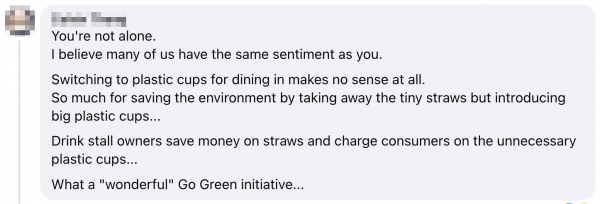
Others pointed out what they saw as hypocrisy, noting that some outlets have removed plastic straws in the name of sustainability, yet continue using plastic cups.
Source: Complaint Singapore on Facebook
A few commenters said they have stopped buying drinks from stalls that use such plastic cups.

Source: Complaint Singapore on Facebook
NEA pushes waste reduction efforts
NEA has previously highlighted concerns over Singapore’s waste output.
About 200,000 tonnes of waste are disposed of annually at Semakau Landfill, the country’s only landfill.
At the current rate, Semakau is projected to be filled by 2035.
Under the Singapore Green Plan 2030, the government aims to reduce waste sent to landfill per capita per day by 30% by 2030, with a 20% reduction target brought forward to 2026.
NEA has encouraged the public to adopt reusable carrier bags, containers and bottles as part of its “Say Yes to Waste Less” campaign.
MS News have reached out to NEA and OP for more information.
ave news you must share? Get in touch with us via email at news@mustsharenews.com.
Featured image adapted from Complaint Singapore on Facebook.