
New regulations introduced for air-conditioning equipment to further reduce emissions
The National Environment Agency (NEA) is set to implement new measures to further reduce greenhouse gas (GHG) emissions from refrigeration and air-conditioning equipment (RAC).
These measures will start from 1 July 2027, targeting large commercial refrigeration systems, transport refrigeration, and air-conditioning for passenger cars and light goods vehicles (LGVs).
Authorities hope that the stricter regulations will help Singapore reach its climate goals of achieving net-zero emissions by 2050.
Current RAC gases contribute to global warming
Currently, many RACs use hydrofluorocarbon (HFC) gases as refrigerants. These greenhouse gases contribute significantly to global warming, which can be “hundreds to thousands of times more potent” than carbon dioxide, says NEA.
To curb this, authorities introduced Global Warming Potential (GWP) limits in 2022.
Image by MS News
These are for household air-conditioners, refrigerators, and water-cooled chillers used in large building cooling systems.
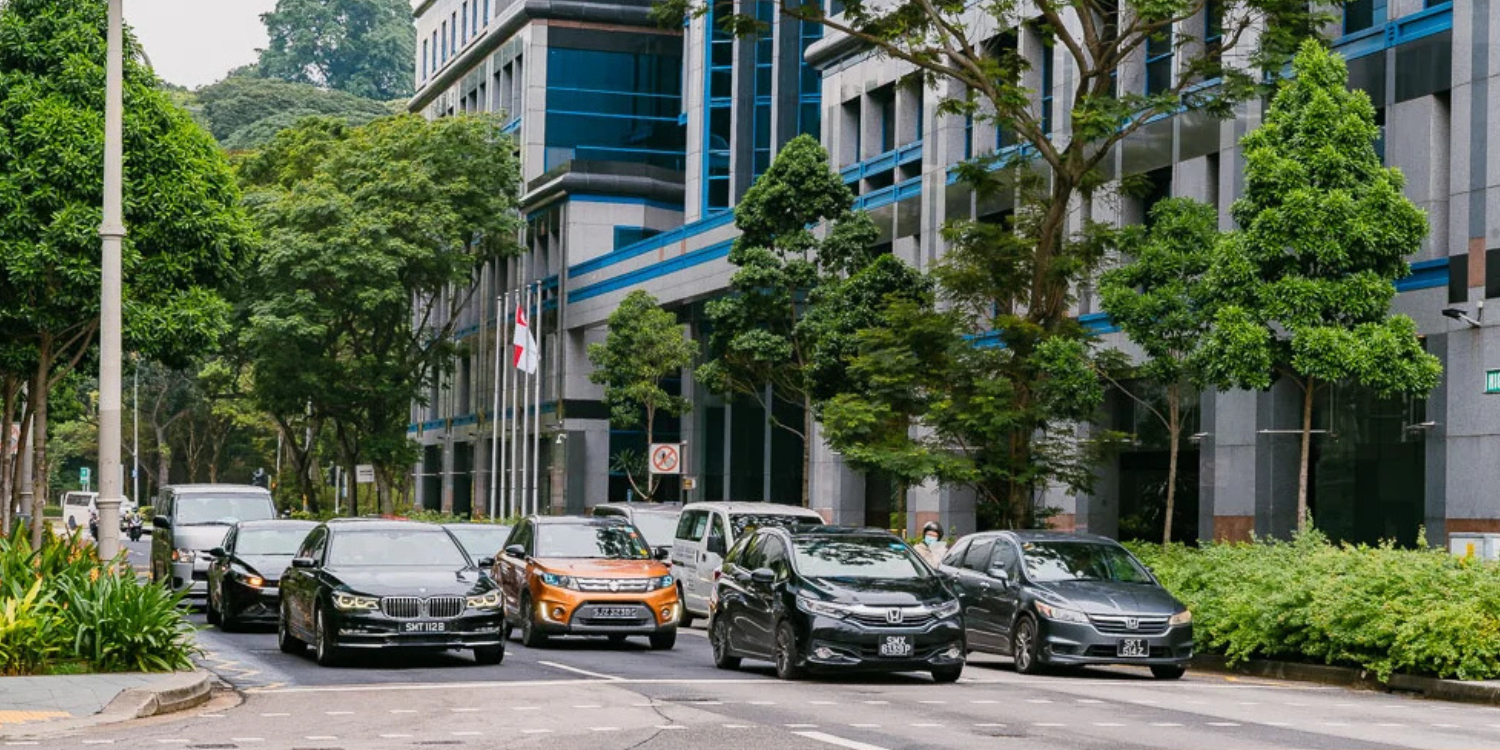
The latest measures will now cover centralised commercial refrigeration systems and vehicle air-conditioning.
Supermarket refrigerators to use more environmentally friendly systems
With the new regulations, it will be mandatory for new refrigeration systems, such as those used in supermarkets, to be more environmentally friendly, with GWP not exceeding 150.
From July 2028, air-conditioning in new passenger cars and light goods vehicles must also comply with the regulations.
“This later start date gives vehicle suppliers more time to adjust, as some models using lower-GWP refrigerants are not yet widely available,” NEA said.
It added that these limits align with standards set in other markets, such as the European Union and Japan, where low-GWP alternatives are available.
Limits only apply to new equipment
To minimise business disruptions, the limits will only apply to new equipment.
“Businesses can continue using existing systems until they reach the end of their service life,” NEA said.
Moreover, some of these measures build on existing industry practices.
NEA noted that suppliers and manufacturers are supporting the transition to lower-GWP refrigerants, offering lower-GWP refrigeration systems that are energy efficient.
From July 2027, companies that dismantle centralised commercial refrigeration systems typically used in supermarkets, centralised industrial refrigeration systems for cold rooms, air-conditioning for passenger cars and light goods vehicles, and refrigerated trucks must register with NEA and follow the proper disposal procedures for spent refrigerant.
“The transition away from HFCs is part of a global effort to address climate change,” NEA added.
Govt agencies to conserve energy at facilities across S’pore due to Middle East conflict
Have news you must share? Get in touch with us via email at news@mustsharenews.com.
Featured image adapted by MS News.